ANR YOUNG RESEARCHER PROJECT: Towards optimizing machining precision

CL-ANR JCJC

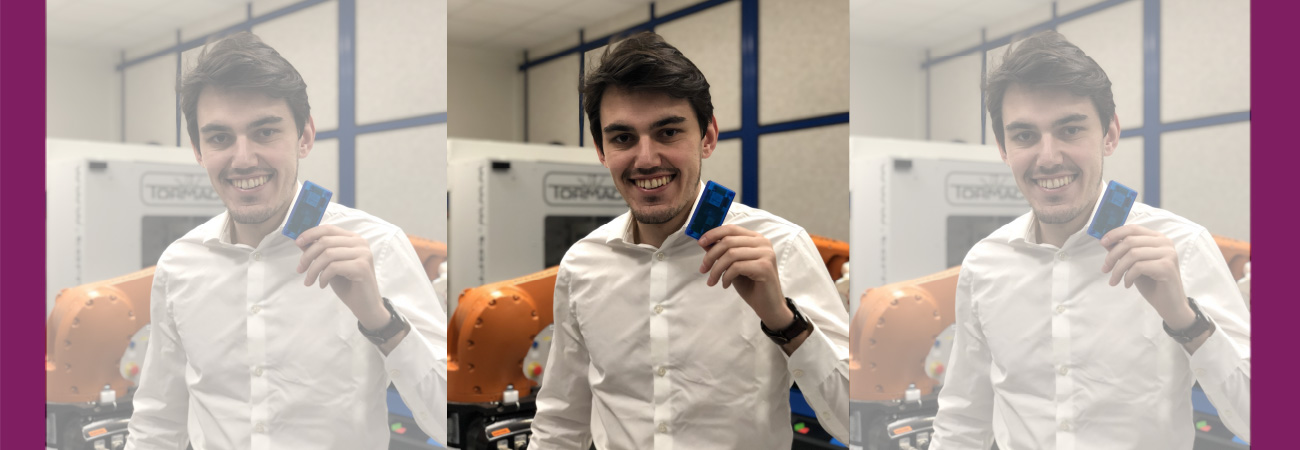
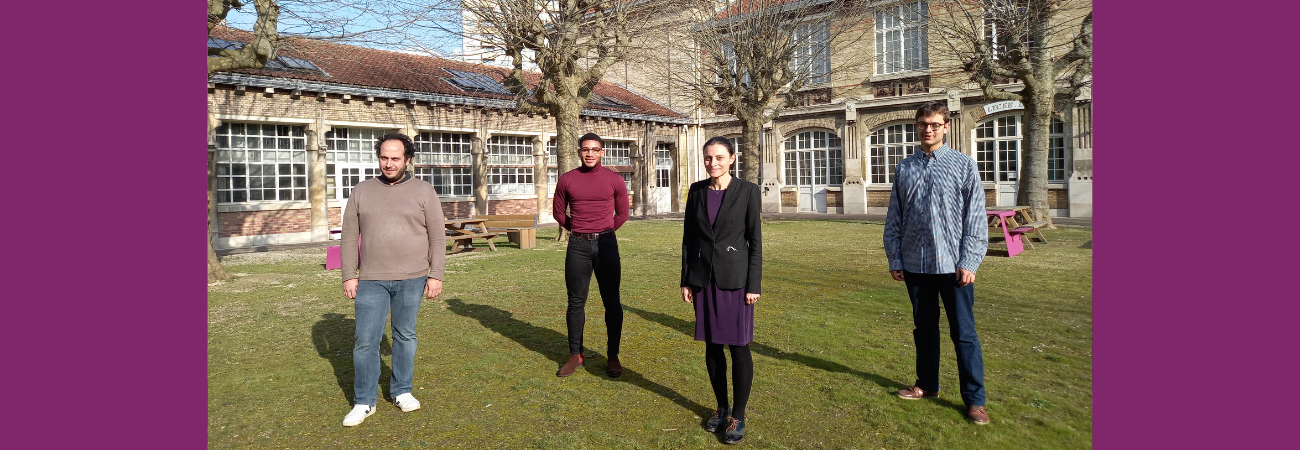
In 2020, Arts et Métiers research teams Arts et Métiers around ten applications to the French National Research Agency's (ANR) 2020 Generic Call for Projects (AAPG 2020). The success rate was high, with six applications accepted, including four from young researchers. Fabien Viprey, from LaboMaP, is one of the teacher-researchers.

Presentation.

Equipment available at the Clunisois FabLab

Main image
CL-FabLab-Equipment
Headline

Find out what equipment is available at the FabLab on the Arts et Métiers campus Arts et Métiers Cluny.

Main body text

Laser cutting machine

Trotex Speedy 400

Laser power: 30 watts
Laser type: CO2 and fiber
Working area: 1000mm x 600mm
Workable materials: 

  • Cutting: wood, cardboard, plexiglass (acrylic), paper, leather
  • Engraving: wood, cardboard, plexiglass (acrylic), stone, leather, glass, steel, copper, brass
Trotex Speedy 400 (c) Lotfi Dakhli

Useful resources 

3D printers

Spider bot 3D printer (undergoing maintenance)

Technology: Wire deposition
Print volume: 200 mm diameter by 200 mm high
Minimum print tolerance: 0.1 mm
Dual nozzle head for printing ABS material and HIPS support material
Nozzle diameter: 0.4 mm

3D Formlabs, Form1 (undergoing maintenance)

3D Formlabs, Form1Technology: Stereolithography (laser-cured resin)
Print volume: 150 x 150 x 200 mm
Minimum print tolerance: 0.025 mm
Machine resolution:
Manufacturing materials: clear resin, draft resin, and standard black resin

3D Formlabs, Form2, and UV cleaning and curing system

Technology: Stereolithography (laser-cured resin)
Print volume: 150 x 150 x 200 mm
Minimum print tolerance: 0.025 mm
Machine resolution:
Manufacturing materials: "clear," "draft," and standard black resin

Up Box + (3 machines)

Up BoxTechnology: Wire deposition
Print volume: 200 x 295 x 300 mm
Minimum print tolerance: 0.025 mm
Nozzle diameter: 0.4 mm
Manufacturing materials: ABS and PLA only

Ultimaker 3

Ultimaker 3

Technology: Filament deposition
Print volume: 200 x 250 x 300 mm
Minimum print tolerance: 0.025 mm
Dual nozzle head for printing two materials/colors on the same print
Nozzle diameter: 0.4 mm
Manufacturing materials: ABS, PLA, PETG, PVA, etc.

Ultimaker S5

Ultimaker S5

Technology: Wire deposition
Print volume: 330 x 240 x 300 mm
Minimum print tolerance: 0.025 mm
Nozzle diameter: 0.4 mm
Manufacturing materials: ABS, PLA, PETG, PVA, 316L, etc.

uPrint SE (under maintenance)

uPrint SETechnology: Wire deposition
Print volume: 150 x 150 x 200 mm
Minimum print tolerance: 0.025 mm
Nozzle diameter: 0.4 mm
Manufacturing materials: ABS only

Sinterit Lisa X

Sinterit Lisa XTechnology: selective laser sintering
Print volume: 130 x 180 x 330 mm
Minimum Z-axis printing tolerance: 0.025 mm
Manufacturing materials: PA12 polymer only


3D scanner

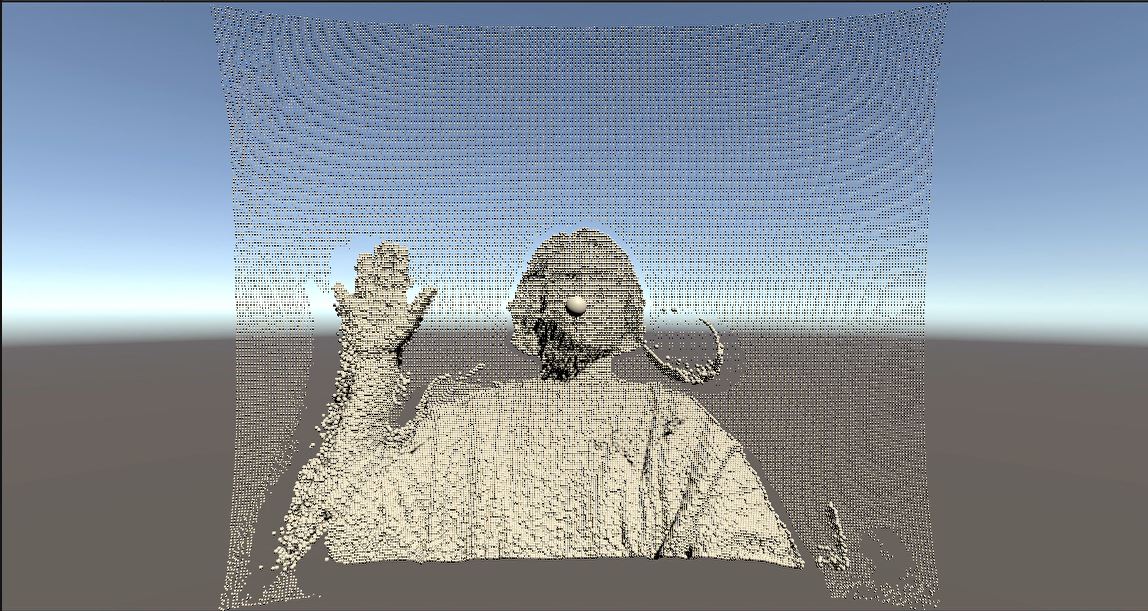
David Pro SLS-3

Structured light 3D scanner.

David Pro SLS-3

Sewing machines

New York 329 sewing machine                                                                                

New York 329 sewing machine


Symphonie 500 sewing machine

Symphonie 500 sewing machine


Milling machines

Charly Robot for milling

Charly robot
Workspace: 600 x 420 x 250 mm

Charly Robot for milling

charly robot 2
Workspace: 310 x 220 x 160 mm

Drill Press

Drill Press
Working area: Max stroke of 200 mm
 

Tower

Low-tech CNC lathe
Working area: R150 x 500 mm

Tower

Vinyl cutting

Rolland GS-24

Accepted media width: 50mm to 700mm
Maximum cutting speed: 500mm/s
Materials: vinyl, paper, thin cardboard, vinyls, transfer materials, window adhesives
Applications: transfers for clothing, packaging prototypes, signage, and stickers. 

Rolland cutter

Electronic equipment

Velleman VTSSC40N Digital Soldering Station
Maximum power of the heating element: 48W
Power supply: 230 VAC 50 Hz
Temperature range: 150 - 450 °C Multimeter DC voltage generator  

What is a FabLab?

Main image
CL-FabLab
Headline

History/What is a fablab?

Excerpt fromWikipedia: (CC BY-SA 3.0)

The concept of the fab lab was created by Neil Gershenfeld, a professor at MIT, in the late 1990s and launched at the university's Media Lab, in collaboration with the Grassroots Invention Group and the Center for Bits and Atoms (CBA), also at MIT.

Main body text

He began by exploring how information content relates to its physical representation, and how a community can be made more creative and productive if it has access to technology at the local level.
While the Grassroots Invention Group is no longer part of the Media Lab, the Center for Bits and Atoms consortium is still actively involved in pursuing research in areas related to description and fabrication, but it does not operate or maintain any of the fab labs around the world, except for the mobile fab lab.

The Fab Lab concept also stems from two very popular courses at MIT: MAS.863, entitled "How To Make (Almost) Anything," and MAS.S62, entitled "How To Make Something That Makes (Almost) Anything." These highly sought-after courses are still open to students during the fall semester.

In France, the first initiatives were launched in 2009:Artilect FabLab Toulouse in 2009, thenPing,Nybi.cc, andNet-ikiin 2011, theFabLab at the University of Cergy-Pontoise, and theLabFabs in Rennes5,Lannion, andMontpellierin 2012.

Fab labs are based on the principles of openness and collaboration. They rely on digital manufacturing machines and networks that enable files to be exchanged worldwide. An object can therefore be designed in one fab lab, manufactured in another, and improved in a third.

Thanks to simplified, user-friendly, and increasingly interoperable computer interfaces, it is becoming easier for non-specialist users to take control of technical tools (for example, writing, illustrating, designing, and printing their own book online, using commercial or free software such as Wikibook).

The appropriation that free software has facilitated now extends to free hardware (or Open Hardware), and for example to the methods of digital prototyping enabled by platforms such as Arduino, or to physical prototyping enabled by fab labs.

Fablab Charter

https://www.gotronic.fr/blog/carte-des-fablabs/#chartel

Image credit CC-BY free license

Mission

Fab labs are a global network of local laboratories that enable invention by giving individuals access to digital manufacturing tools.
Access: you can use the fab lab to make just about anything (as long as it doesn't harm anyone); you must learn how to make it yourself, and you must share the use of the lab with other users.

Education

Training in the fab lab is based on projects and peer learning; you must participate in knowledge sharing and instructing other users.

Liability

you are responsible for:

  • Safety: knowing how to work without endangering others or damaging machinery.
  • Cleanliness: leave the lab cleaner than you found it.
  • Continuity: helping to maintain and repair tools, manage supplies, and report incidents.

Secret

Concepts and processes developed in fab labs must remain available for individual use, even if intellectual property can be protected.

Business

Commercial activities may be initiated in fab labs, but they must not impede open access. They must develop outside the lab rather than within it, and in turn benefit the inventors, labs, and networks that contributed to their success.