The Bordeaux University Innovation Cluster, coordinated by the University of Bordeaux as the lead partner, aims to accelerate the region's innovation momentum by unlocking the full potential of public research stakeholders. As a partnership-based cluster, it is committed to creating fertile ground for innovation, understood as the transformation of research results into solutions with a positive impact on human societies and natural ecosystems, by supporting researchers and their projects.
As part of the research programming law and the France 2030 plan, the University Innovation Cluster led by the University of Bordeaux brings together 14 academic institutions and two subsidiaries associated with 34 partners in the region. With this diverse group of players and a long shared history, it will lead to the development of collaborative research with businesses and the creation of startups (known as "deep tech") that are driving disruptive innovation.
The project is organized around three strategic areas:
- streamline interactions between academic institutions and socio-economic actors with new platforms, new processes, and new tools. The impact will be optimized resources, time savings, and greater stakeholder satisfaction;
- inspire researchers to innovate, in particular by raising their awareness of regional socio-economic issues. The impact will be to increase opportunities for collaborative research and pre-maturation and maturation activities;
- promote partnerships with socio-economic stakeholders and the creation of innovative businesses. The impact will be to increase the creation of deep tech startups and the success rate of innovations.
This program supports an action plan defined for the first four years.
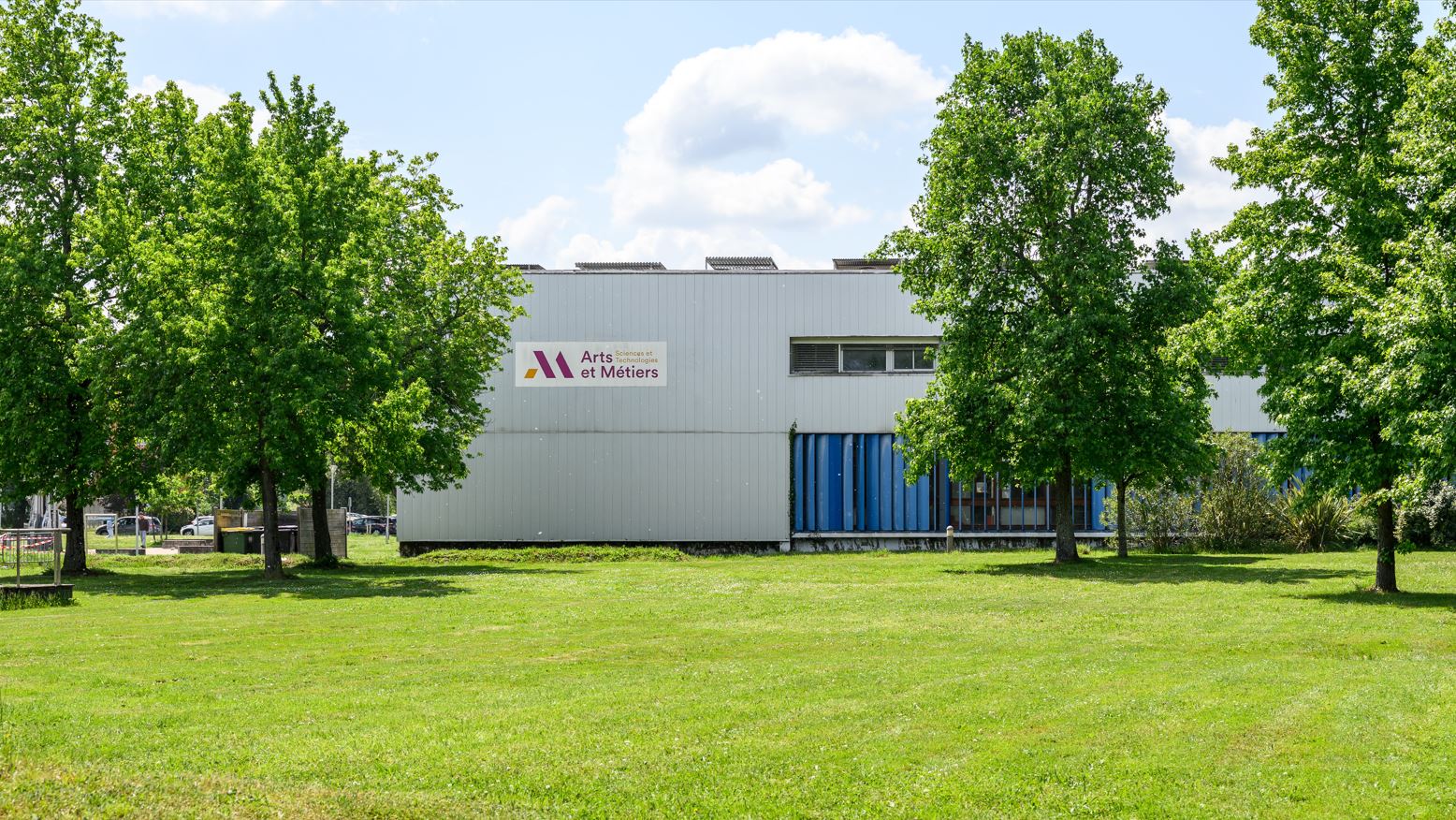
Arts et Métiers, one of the 16 founding members
Arts et Métiers one of the 16 founding members of the Bordeaux University Innovation Cluster, alongside the University of Bordeaux, Bordeaux Montaigne University, the CNRS, Inserm, Inrae, the Inria center at the University of Bordeaux, Bordeaux INP, Sciences Po Bordeaux, the Ecole Nationale Supérieure des Sciences Agronomiques (BSA), Estia, the Institut d'Optique Graduate School (IOGS), the Centre hospitalier universitaire (CHU) and Bordeaux, the École Nationale Supérieure d'Architecture et de Paysage (ENSAP) in Bordeaux, SATT Aquitaine Science Transfert (AST) and ADERA.
The 34 partners associated with the PUI are competitiveness clusters, clusters, technology resource centers, industrial technical centers, economic development agencies, etc. Also included are: the French Alternative Energies and Atomic Energy Commission (CEA), the French National Office for Aerospace Studies and Research (ONERA), the Bordeaux University Foundation, the Nouvelle-Aquitaine Region, and Bordeaux Métropole.