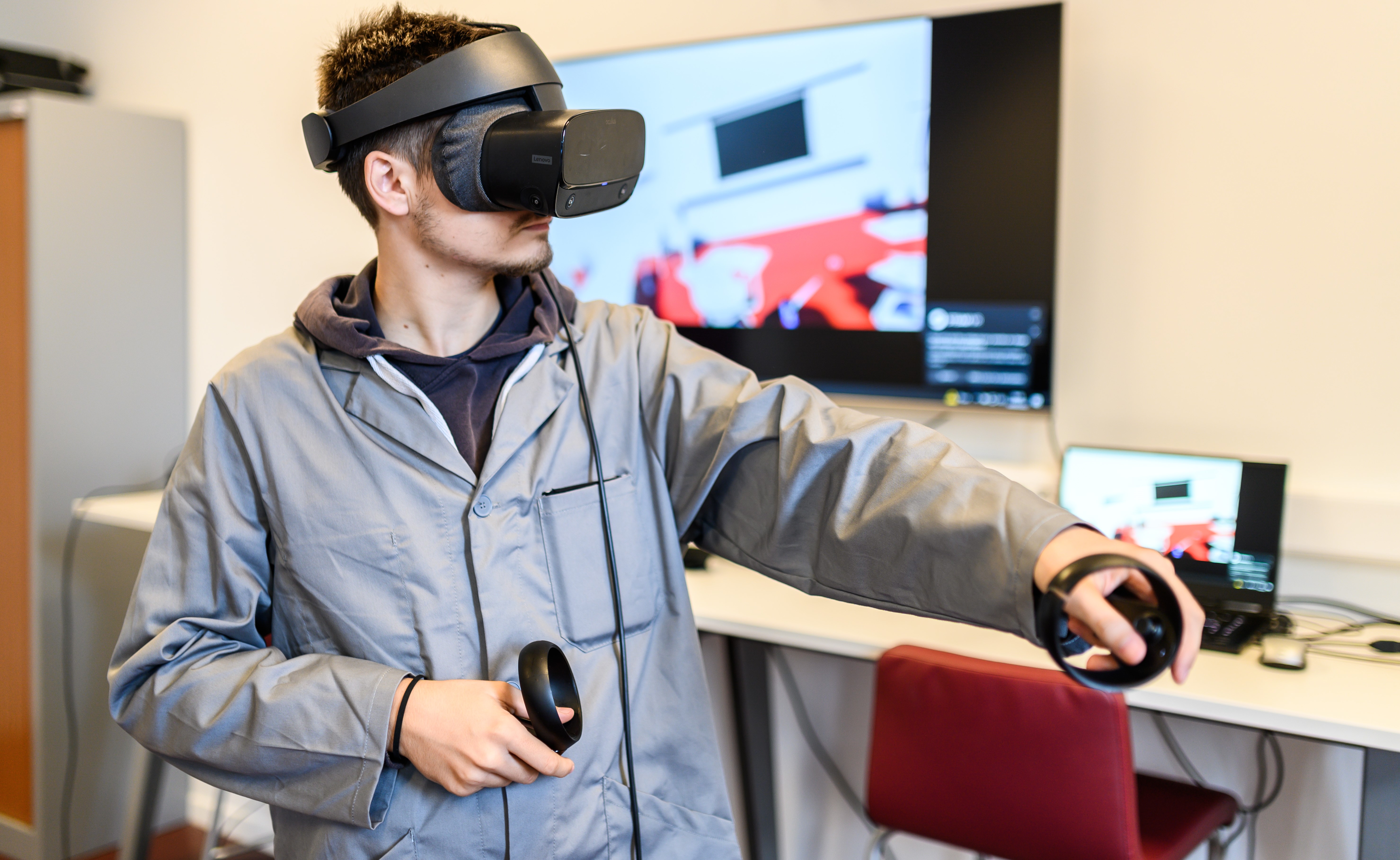
Arts et Métiers responding to Industry 4.0 by implementing the Evolutive Learning Factories ELF) program: a profound transformation of the educational platforms on each campus to train students in line with the current challenges facing industry.
 What are Evolutive Learning Factories ELF)?
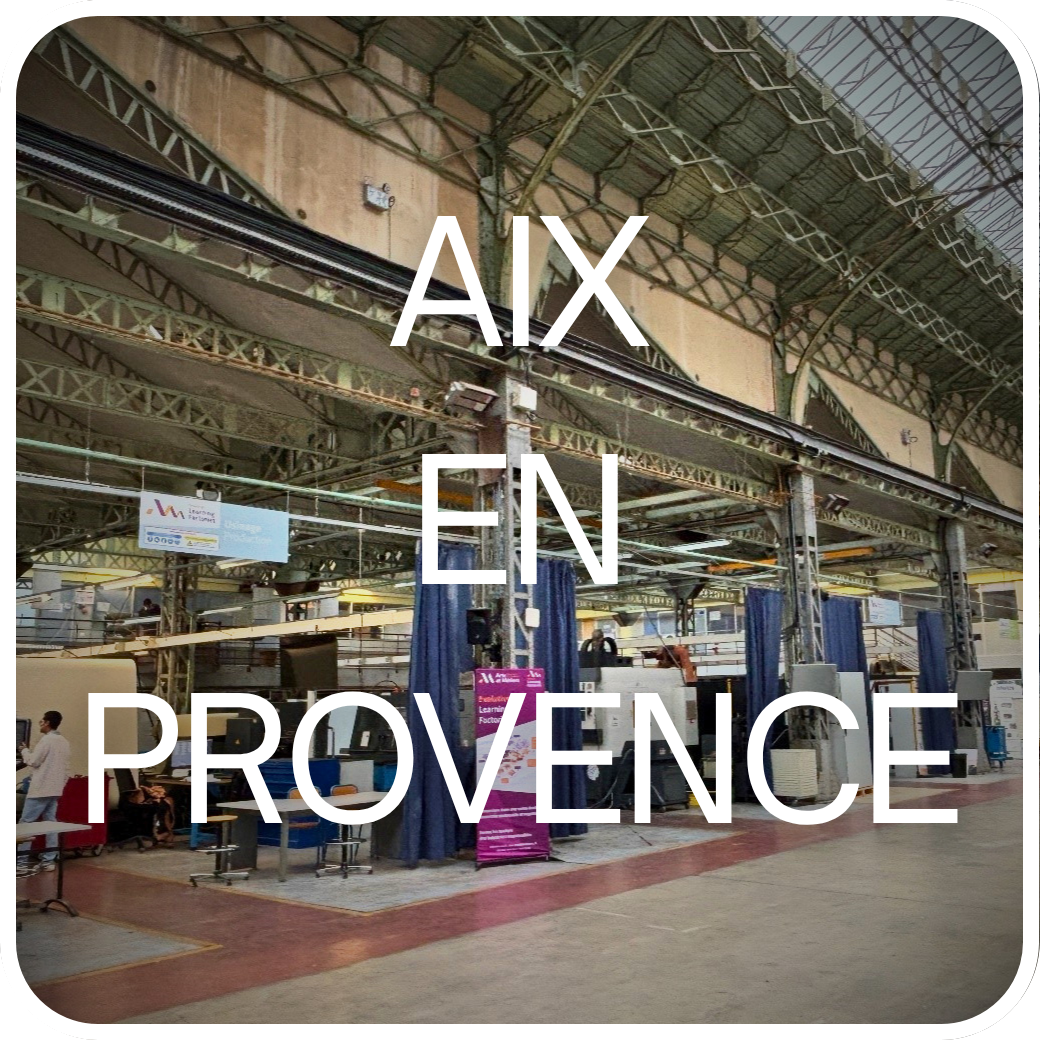
ELFs are a program that aims to transform Arts et Métiers campuses Arts et Métiers Industry 4.0 training factories, with production lines representative of the Industry of the Future, and backed up by digital twins.
The goal: to modernize our educational platforms by updating existing equipment and integrating new technologies that reflect the digital, energy, and ecological transformation of the industry.
On each campus, the organization is being redesigned so that everyone has their own training factory, with a design line, a production line, and a supply chain. These will be evolving and innovative environments, equipped with demonstrators from our research laboratories.
The ambitions of Evolutive Learning Factories to:
- DEVELOP students' skills through practical projects focused on digital and ecological transition issues and significant exposure to industrial realities.
- SUPPORTING industries through continuing education, collaborative research, and co-development
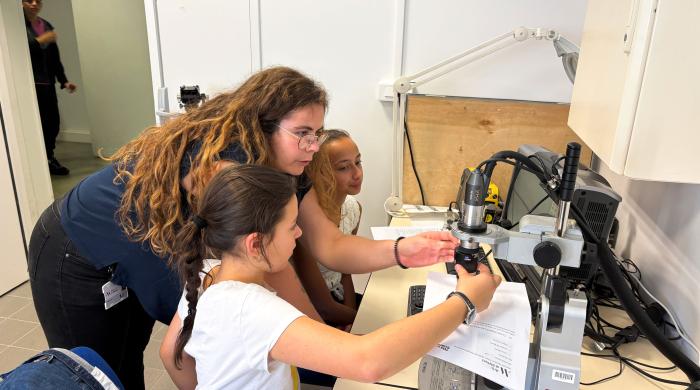
- SHOWCASE what solutions the industry of the future could look like, in particular by opening up the premises to middle and high school students.
Our Goals
With a budget of 85 million euros, the program aims to achieve the following by 2027:
• Transform technology platforms by providing financial support for the acquisition of new equipment and the creation of connected spaces
• Modernize buildings
• Develop new teaching practices focused on Industry 4.0 technologies
• Support staff in developing new skills and adapting to different ways of working
In addition to public funding, the school, the Société des Ingénieurs Arts & Métiers, and the Arts et Métiers Foundation Arts et Métiers to launch a multi-year fundraising campaign to raise 15 million euros.
Learn more about the fundraising campaign
Learn About Industry 4.0 Through Evolutive Learning Factories
The industry is evolving, and so is our teaching. To improve the quality of their products while reducing the environmental impact of their production, companies have been working for several years to integrate the digital environments of their factories with objects in the physical world. Arts et Métiers aligns with the values of Industry 4.0 and 5.0 and is investing in the fields of the Internet of Things, artificial intelligence, data, cobotics, mixed reality, and digital twins. The goal: to provide students with access to connected, scalable, responsible, and sustainable training facilities on every campus.
Structural projects
In addition to supporting campuses, management also leads structural projects that enrich and accelerate the implementation of ELFs:
- A2ForBois, whichaims to support and develop the forestry and wood industry in the face of economic, environmental, and societal challenges, and to address the shortage of professionals;
- CAIRE, an artificial intelligence training program for all audiences to ensure the Arts et Métiers community's skills development Arts et Métiers AI with an ethical, critical, and responsible approach;
- ConfluencES, a project that promotes convergence between higher education and the industrial sector, equipping campuses to better integrate education, applied research, and regional development;
- EDLB, the first network of schools dedicated to the battery value chain (production, repair, and recycling). Supported by a consortium led by Verkor, it aims to train 1,600 people per year at various skill levels to address the challenges facing the battery industry;
- JENII, whichenables the development of digital twins for teaching and contributes to the digitization of training;
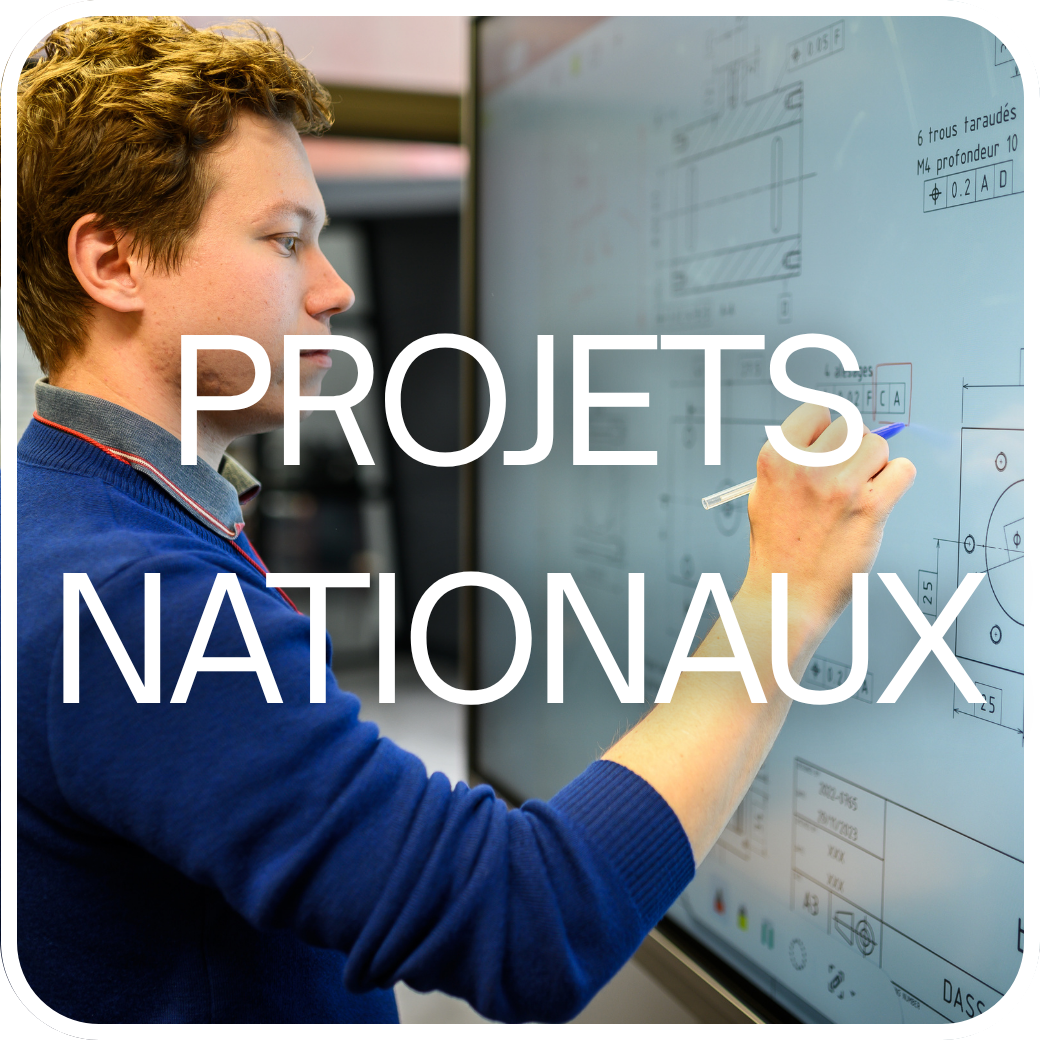
- RéCLasSIF, a national network of 15 campuses certified as "Solutions Industrie du Futur" (Industry of the Future Solutions), including the eight Arts et Métiers campuses. With an initial portfolio of 29 projects, RéCLasSIF funds industrial demonstrators focusing on digital twins, IoT, eco-design, and AI.
- CircLean, which aims to modernize engineering education by coherently integrating three key areas: lean manufacturing, the circular economy, and digital transformation
- LF4VET, a project designed to support vocational training centers in their digital, environmental, and educational transformation through the promotion and development of training facilities
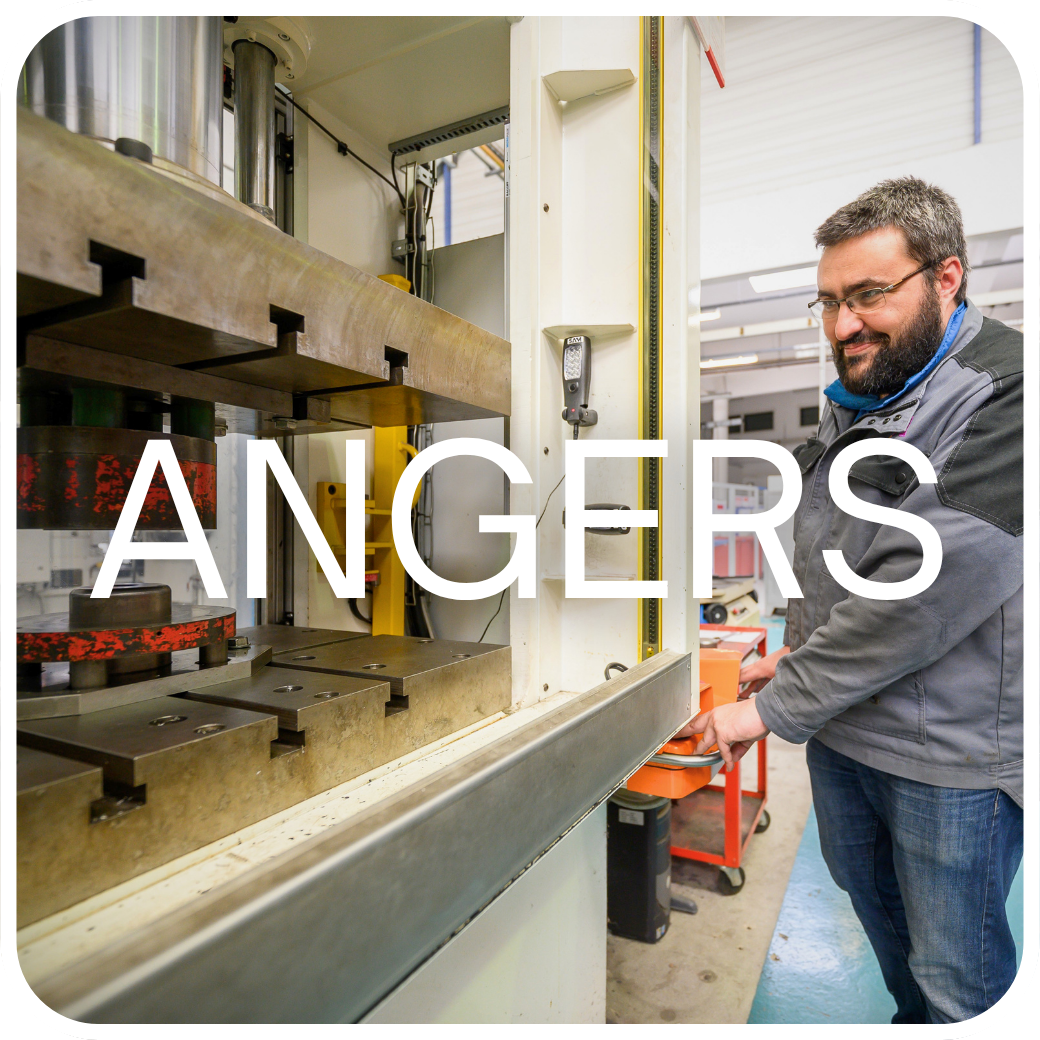
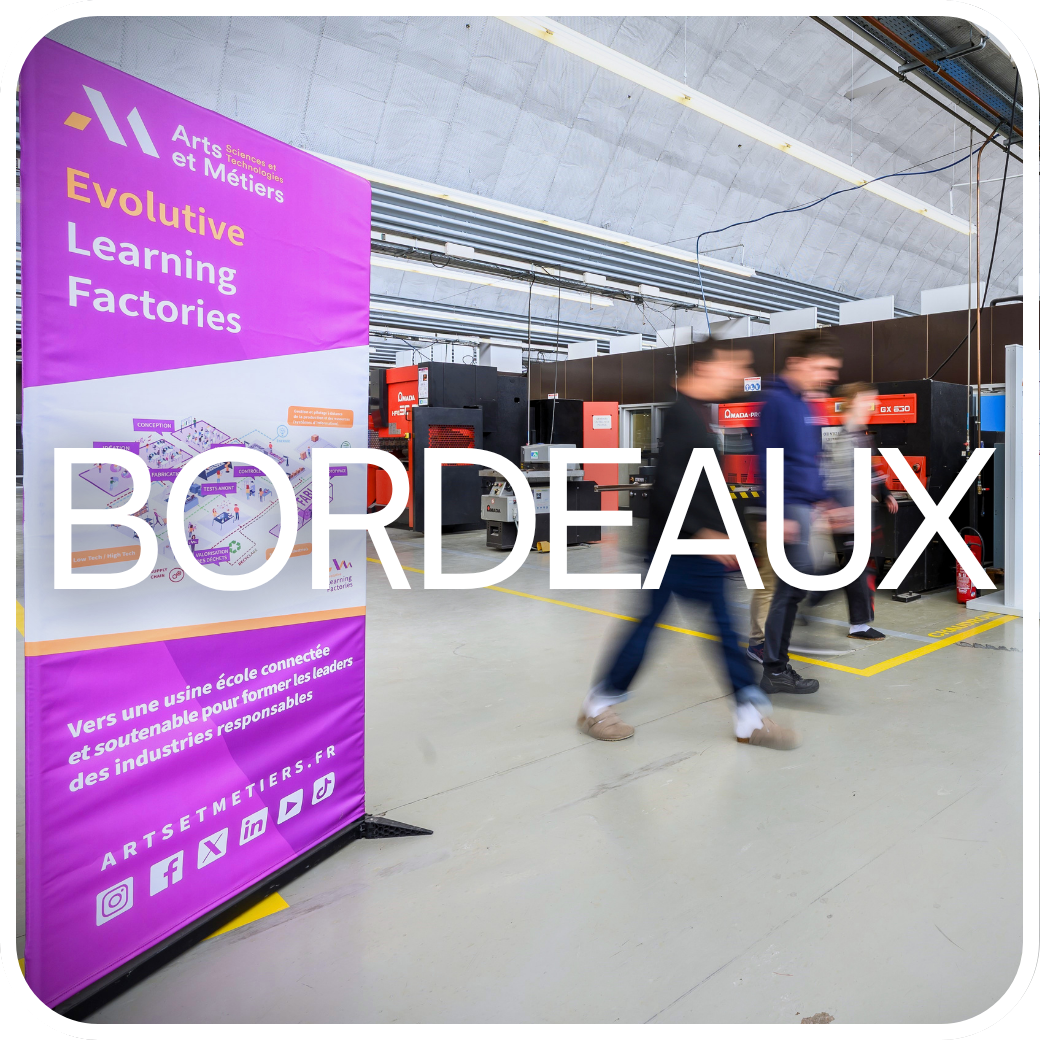
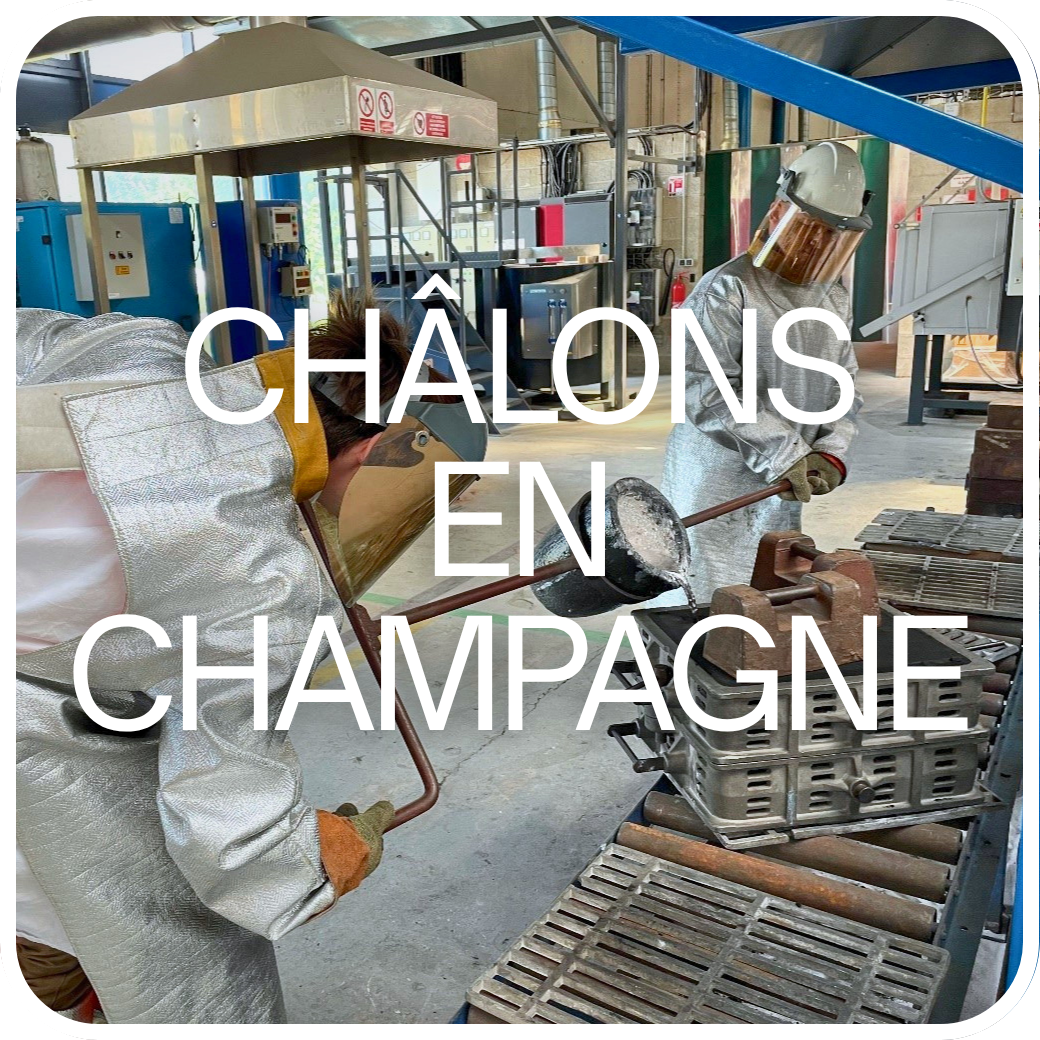
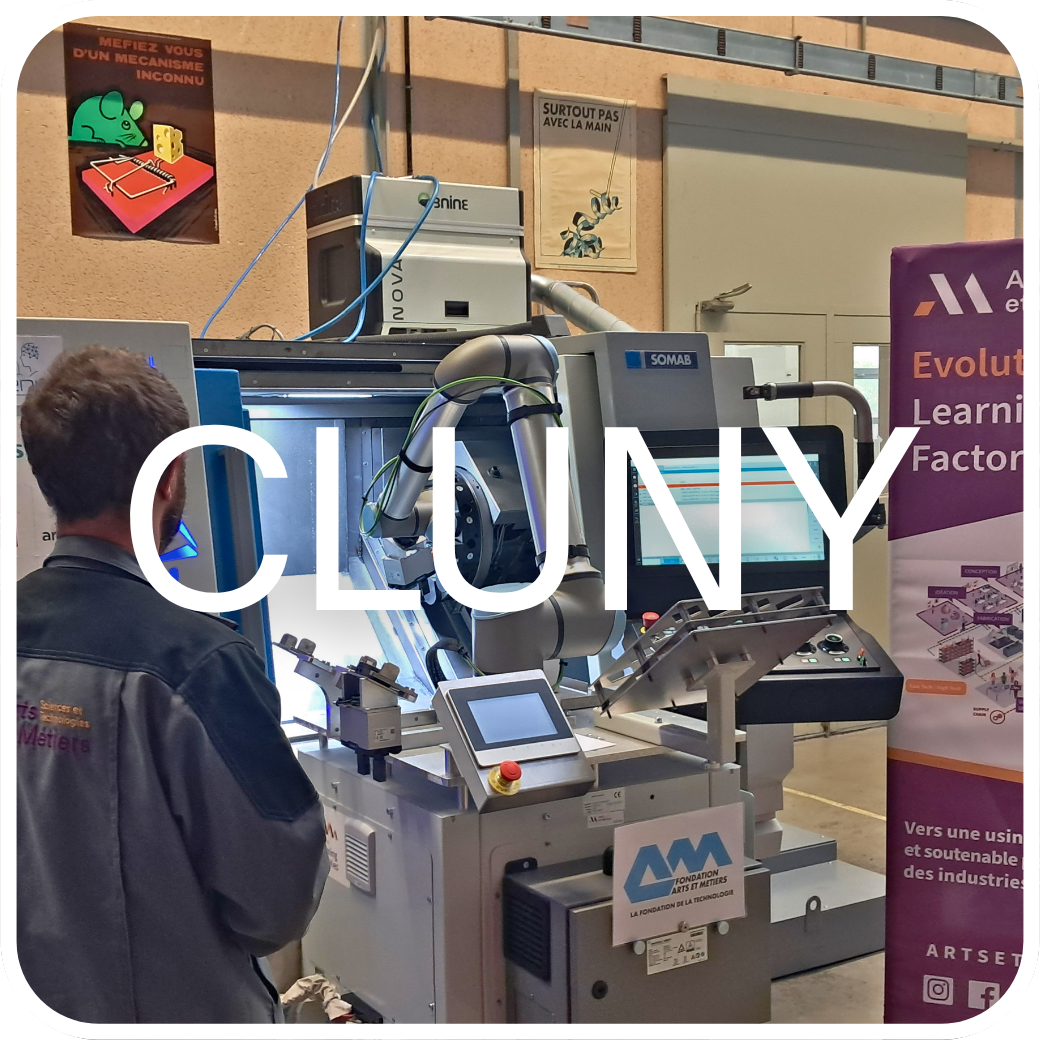
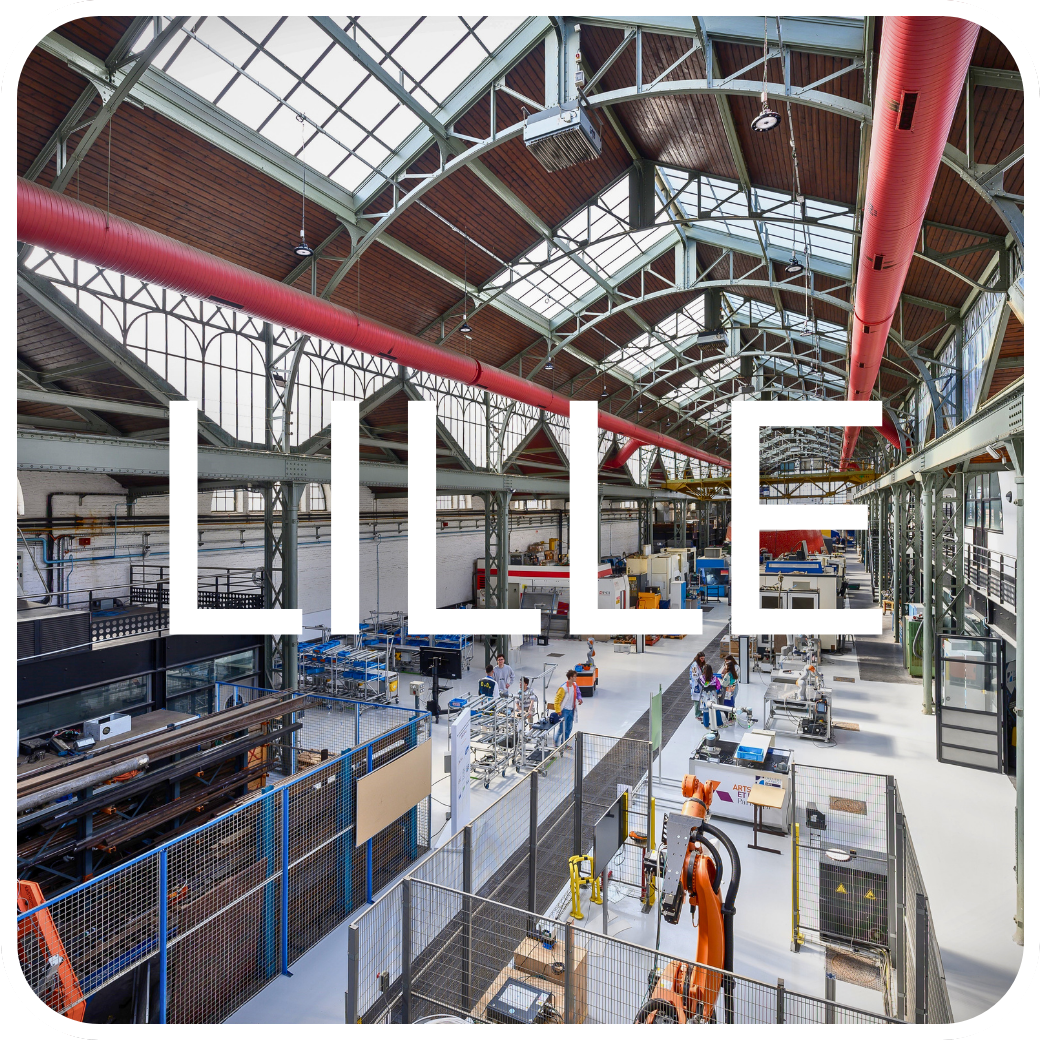
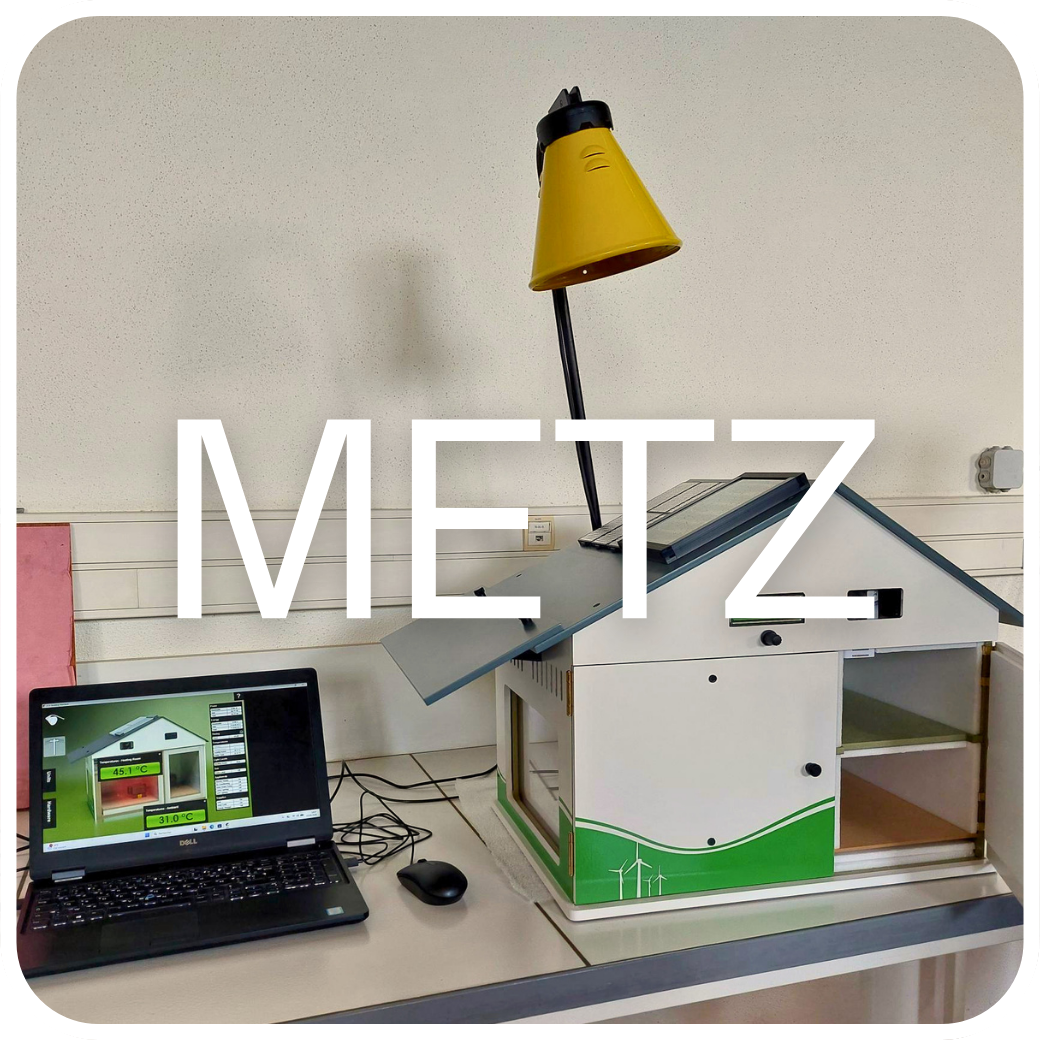
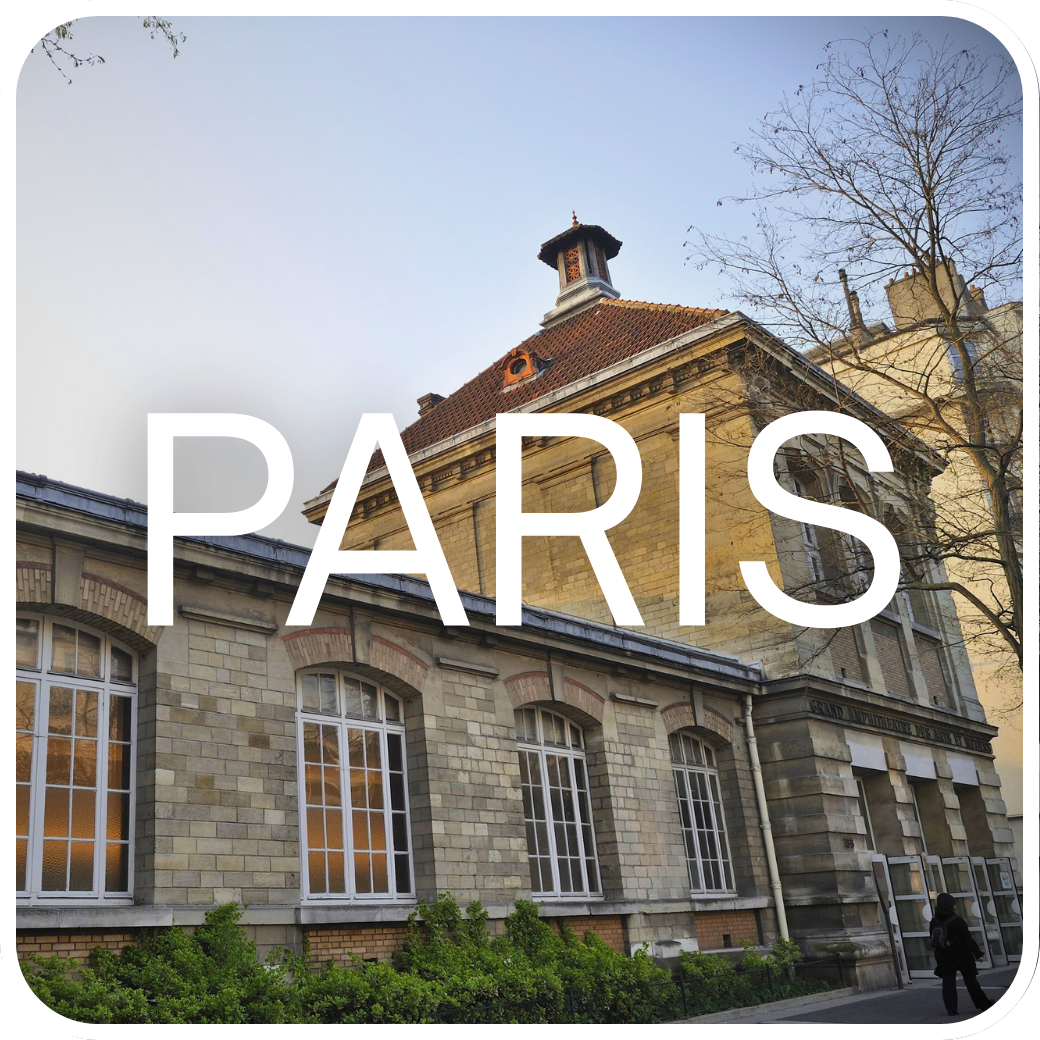
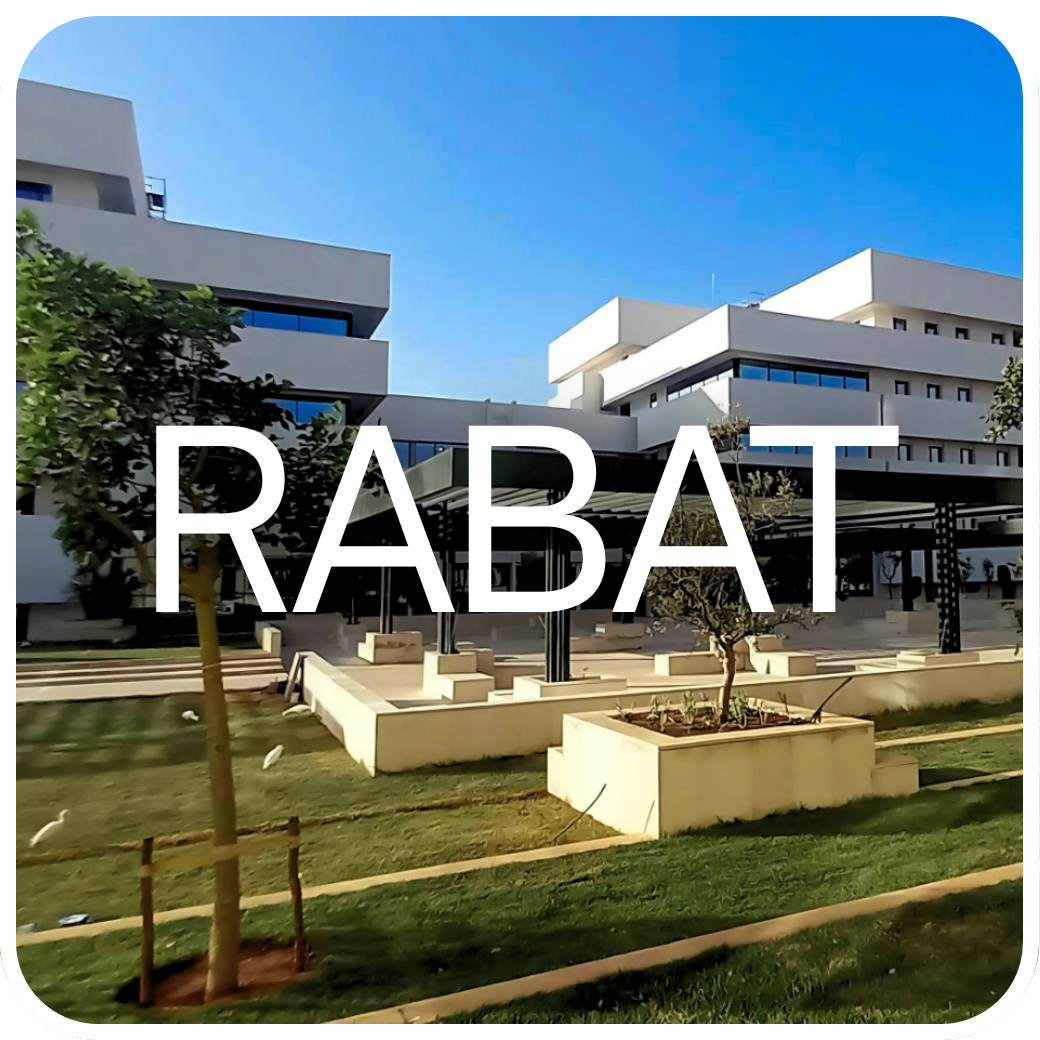
Discover the Evolving Learning Factories on each campus!
 |  |  |  |  |
 |  |  |  |  |
Practical information
Deputy Director General, in charge of the ELF program: Véronique FAVIER
Director of ELF Development: Sébastien FERNANDEZ
ELF Communications Officer: Emilie DEDIEU