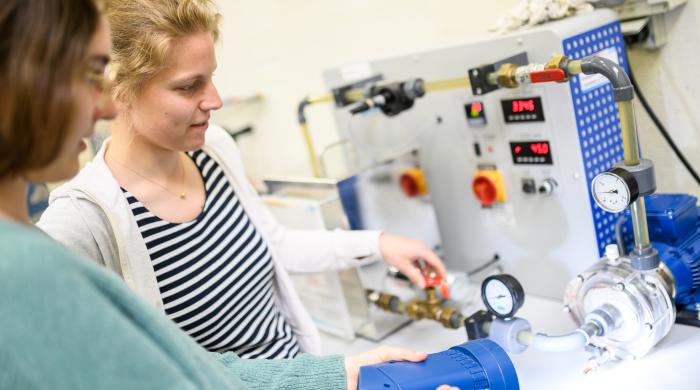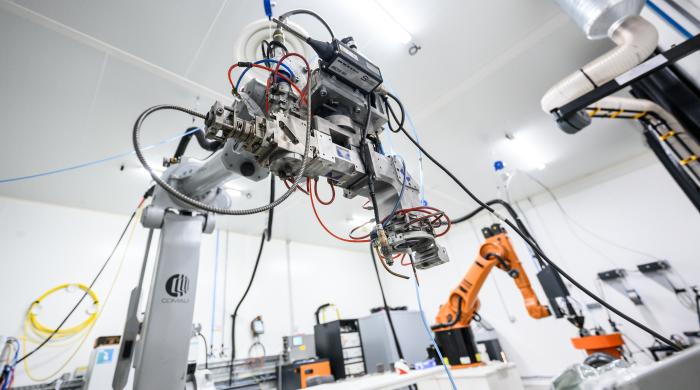
Arts et Métiers aims to train tomorrow's innovators in research and through research. The institution, a hub for scientific production and knowledge dissemination, is one of the few engineering schools to offer doctoral degrees.
Preparing your thesis at Arts et Métiers choosing a dynamic and international research environment focused on innovation and business, but also on research and teaching.
Five major thematic areas are highlighted, supported by 15 research units affiliated with Arts et Métiers.
Doctoral studies are pursued after earning a Master of Science or an equivalent degree, which demonstrates the candidate’s aptitude for research. It takes three years to earn a doctorate: three years of research, culminating in a thesis defense before a panel of experts, which authorizes the awarding of the doctoral degree. This degree is therefore equivalent to eight years of higher education, the equivalent of a PhD in the Anglo-Saxon world.
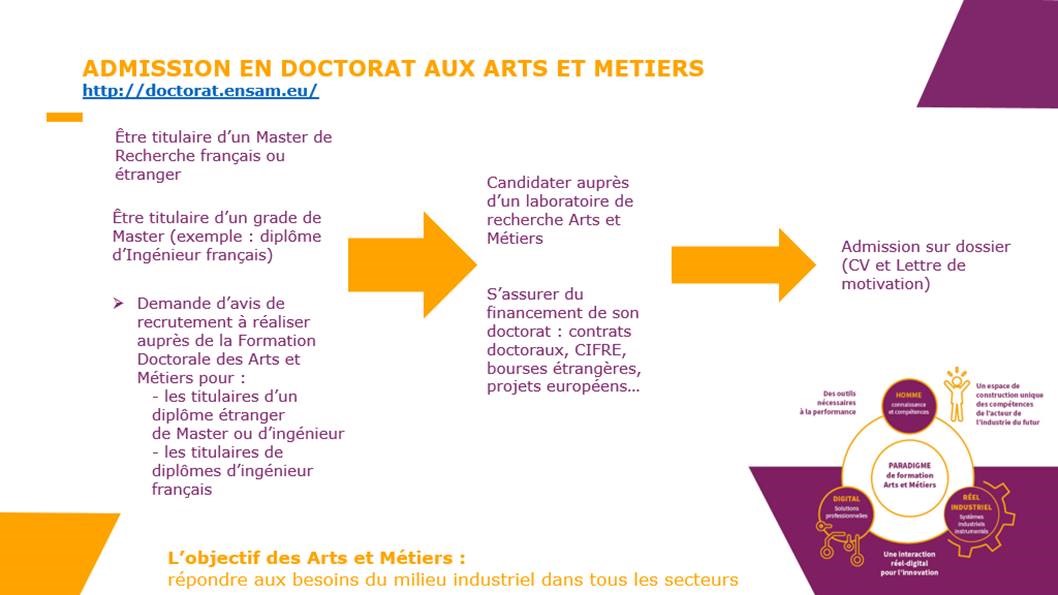
Admission requirementsThe list of thesis topics proposed thesis topics is available on the doctoral school's website. Candidates should contact the thesis supervisor proposing the topic. Selection is made following an interview before an admissions committee. The prerequisite is a national Master of Science ) degree. For other degrees, whether French or foreign, of equivalent standing, the applicant must submit an application for a recruitment recommendation to the doctoral office in accordance with the instructions provided on the website. The application will be submitted to the Doctoral Studies Committee for review, which will evaluate the applicant’s research experience. | Registration proceduresAll the information you need to register can be found on theArts et Métiers doctoral program websiteArts et Métiers "Registration procedures." When registering for a thesis, the doctoral student and the thesis supervisor sign the thesis charter. This charter specifies the rights and obligations of each party, who undertake to comply with the rules of the institution and the doctoral school. |
Funding
A thesis topic proposed by anArts et Métiers research unitArts et Métiers be accompanied by funding for the doctoral student. This funding may take the form of doctoral contracts or salaries paid as part of the contractual thesis activity (e.g., an industrial contract or a thesis under a CIFRE agreement). CIFRE agreement – industrial agreement for training through research), or a doctoral scholarship (from a foundation or a foreign government). In exceptional cases, funding may come from salaried employment that is compatible with the research work required for a doctorate. In this case, the doctoral student must obtain the agreement of their employer.