Arts et Métiers its commitment to ecological transition and social responsibility and structures the actions already initiated in these different areas of activity by adopting its DDD&RS action plan. The plan is based on the five pillars of the DD&RS label, in line with the objectives of the French government's energy efficiency plan, the Convention for the Transition of Higher Education Institutions (CTES), the Ademe framework, and the United Nations' 17 Sustainable Development Goals.
Find out more about priority 4, "Environmental management."
Working together for the ecological transition
With its first carbon assessment carried out in 2011, Arts et Métiers a pioneer in this field. With its 2023-2027 action plan, the institution is committed to a large-scale project: reducing its carbon footprint and improving the energy efficiency of its sites. A new carbon footprint assessment, carried out at the institutional level, will enable the formalization and implementation of a comprehensive policy. This policy involves a dual financial and carbon accounting approach to projects. It drives individual and collective behavioral change.
Property management that supports the ecological transition
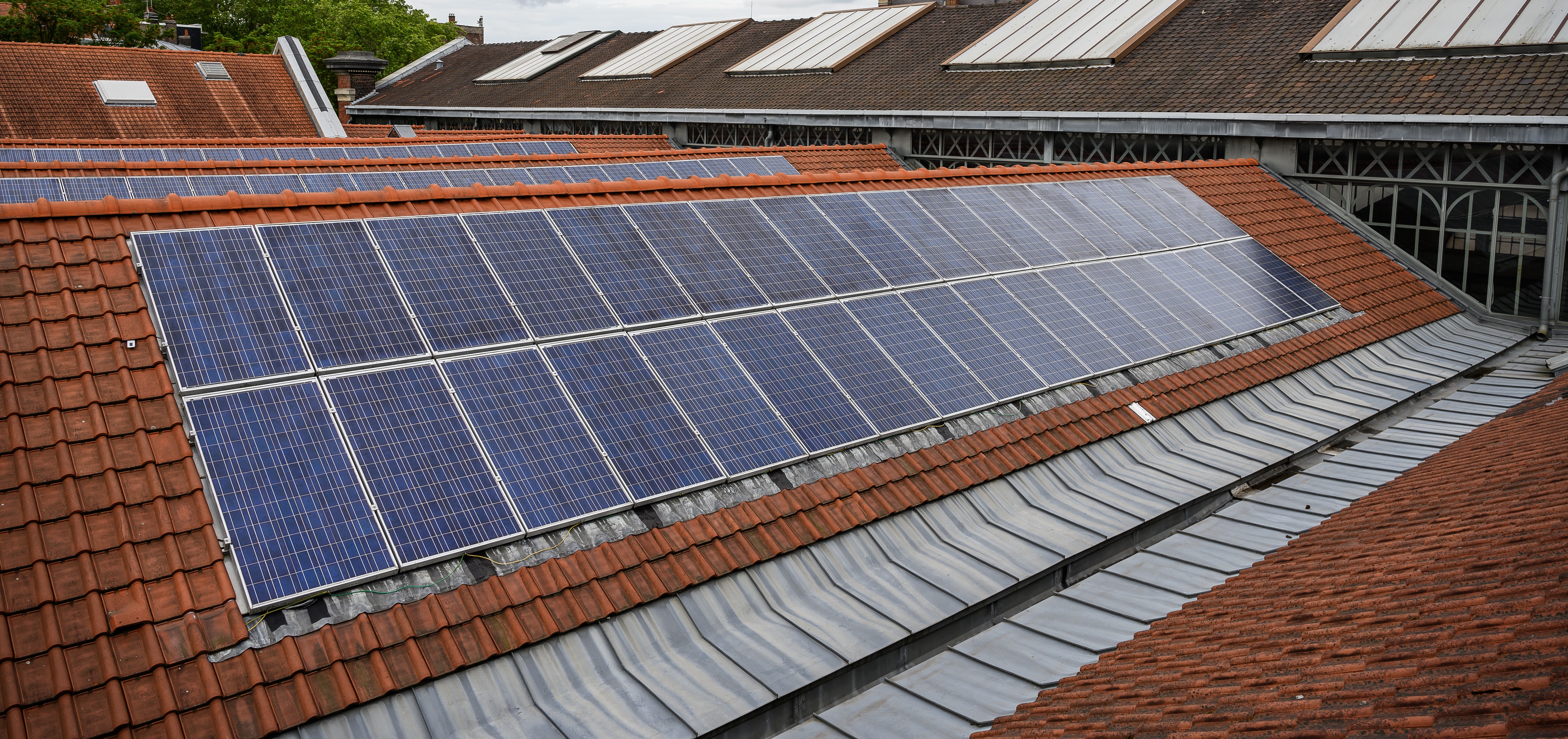
In line with the actions already carried out on its sites, Arts et Métiers seized the opportunities offered by the France Relance plan and resilience plans to accelerate the programming of its energy improvement works and the deployment of energy management and control tools. A sustainability plan, including audits and energy master plans based on ADEME expectations, was launched in 2022 to prioritize work to improve the environmental performance of its buildings.
Work on the real estate portfolio is accompanied by a sustainable green space management plan. The institution is committed to a policy of maintaining or increasing green spaces and developing a biodiversity charter.
Reducing the carbon footprint
Developing a policy to reduce emissions and resource consumption requires a commitment on multiple levels: energy efficiency, waste reduction, research equipment, sustainable food, the impact of digital technology, changing the vehicle fleet, etc.
Many actions are already in place. Waste sorting has been implemented at all sites. A responsible purchasing policy has been launched and will be formalized in a charter. The institution, which already promotes soft mobility, notably with bicycle shelters installed at all sites and carpooling partnerships, will further promote these initiatives through a mobility plan. The KDS platform, dedicated to travel purchases, already allows the carbon footprint of trips to be measured.
Environmental commitment is both an individual and a collective issue. The institution supports staff, teachers, and students in changing their behavior and assessing greenhouse gas emissions, and supports their initiatives.
The objectives
- Improving the carbon and energy efficiency of our business units
- Develop a policy promoting biodiversity and sustainable management of green spaces
- Reducing our Scope 3 carbon footprint
The indicators
- Assessments and measures (carbon footprints, energy consumption, energy audits, waste reduction, vehicle fleets, digital impacts, etc.)
- Financial commitment rate of the institution subject to double accounting
- Number of green spaces
- Percentage of certified purchases and number of services involved
- Number of actions taken on soft mobility and carbon footprint of mobility.