Faced with economic, social, and environmental challenges, Arts et Métiers committed to sustainable development for several years, an ambition that has been part of the project for the establishment of the new mandate of the CEO since 2022 through axis 2: "Social and environmental responsibility."
Building the industrial France of 2030
Since 1780, Arts et Métiers to keep pace with industrial revolutions, thanks to its unique identity, which combines science and technology, pragmatism, capacity for action, and human qualities. Born out of the mechanization of industrial activities, the institution has expanded its knowledge and skills in line with developments in mechanical engineering, electrical engineering, and then industrial engineering.
To anticipate and respond to the changing needs of businesses, the school has developed research activities that support innovation. Always attuned to the expectations of businesses and local communities, it has expanded to various locations. The institution now has 13 sites in France and one site in Morocco. It has two subsidiaries: AMTALENTS for continuing education and AMVALOR for applied research for businesses.
Training leaders in responsible industries is essential to building the industrial France of 2030. Arts et Métiers professionals in the field who design and support innovations resulting from research, enabling human organizations to adapt to the digital and ecological transitions currently underway.
Responsible businesses and industries work to meet the needs of women and men, manage their impacts, and contribute to a fair and secure future for society.
Building on this unique positioning, in line with its regional roots and humanist values, Arts et Métiers sustainable development and social responsibility at the heart of its institutional strategy, in its training and research activities and its partnerships. Ecological transition is a key theme in Laurent Champaney's action plan for his second term as Director GeneralArts et Métiers. The momentum has accelerated with the adoption of the 2023-2027 SD&SR action plan. The entire Arts et Métiers ecosystem Arts et Métiers mobilizing to meet the challenges of responsible reindustrialization. The institution remains committed to a humane and sustainable future.
Arts et Métiers therefore Arts et Métiers to integrating sustainable development issues into its institutional strategy across all of its activities: governance, teaching, research, site management, and social policy.
A recognized approach
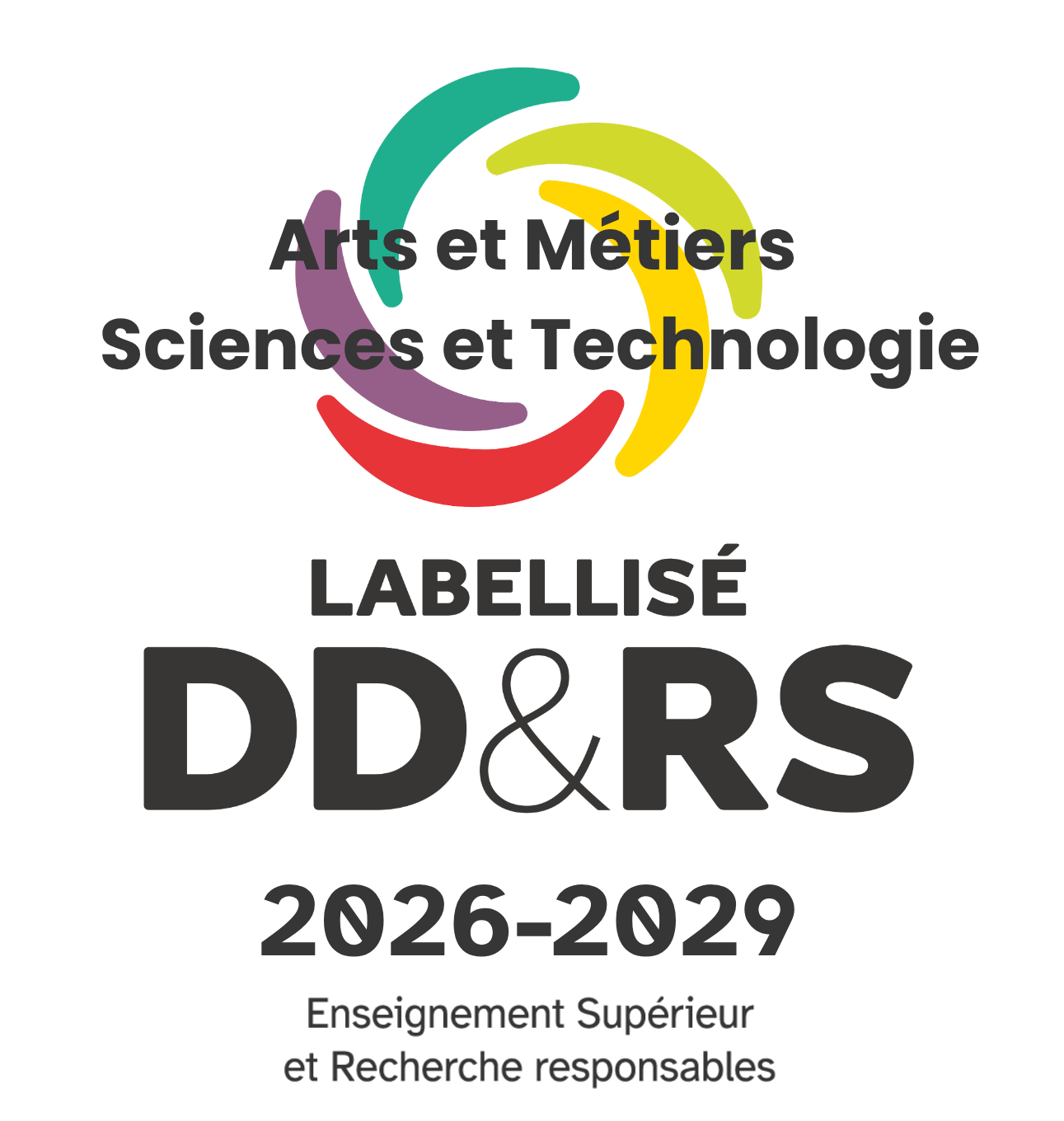 On July 7, 2026, Arts et Métiers awarded the DD&RS (Sustainable Development and Social Responsibility) certification for a period of four years. This national recognition highlights the institution’s long-term commitment to its educational and research missions. Receiving this certification marks a new milestone for Arts et Métiers, which intends to continue and strengthen its commitments to sustainable development and social responsibility.
Arts et Métiers every year in impact rankings such as the Times Higher Education Impact Rankings and Change Now.
The institution positions itself as a responsible and leading player in higher education.
The main points of the Arts et Métiers SD&SR action plan
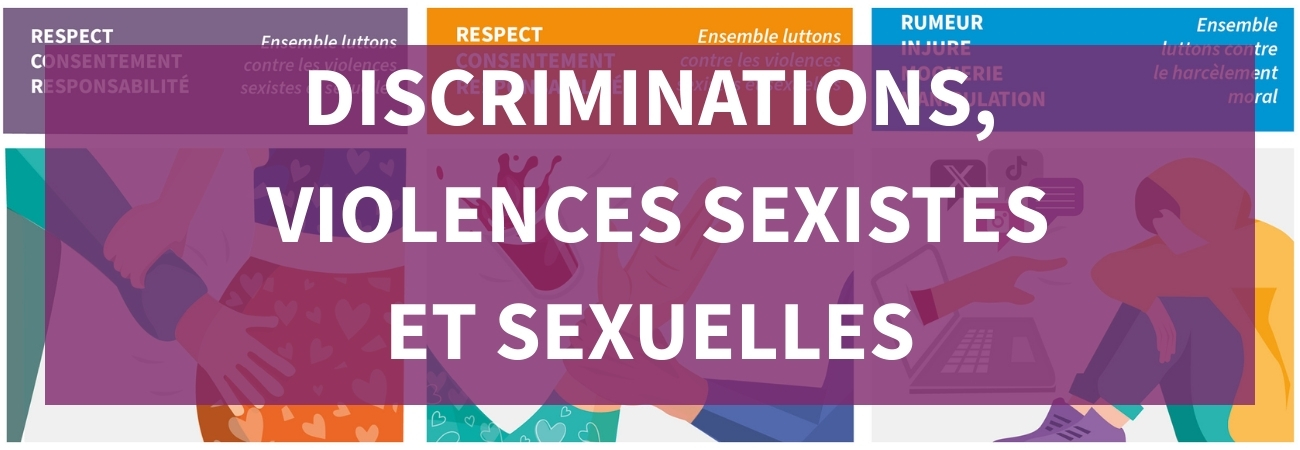
The plan is based on the key areas of the DD&RS label, in line with the objectives of the government’s resource conservation plan, the Convention for the Transition of Higher Education Institutions (CTES), the ADEME framework, and the United Nations’ 17 Sustainable Development Goals:
 |  |  |
 |  |  |
 |  |  |
"This plan is a priority. It places sustainable development and social responsibility at the heart of the institution's strategy. We are therefore all mobilized to respond to the challenges of responsible reindustrialization." - Laurent CHAMPANEY, Chief Executive Officer ofArts et Métiers