Access, equal opportunity, and social inclusion
Ropes for Success
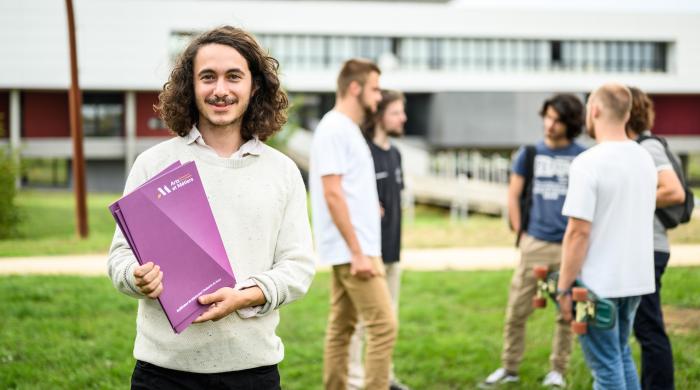
Arts et Métiers bachelor's degree programs in local communities to promote equal opportunity and provide access to higher education for underserved populations and those from rural areas.
International Student Welcome
The school implements specific initiatives to support international students, such as personalized orientation, tutoring, International Week, and access to financial aid.
The Roland GENIN Scholarship: Supporting Students in Financial Need
Awarded annually since 2019 based on financial need, academic merit, and an interest in French culture, these scholarships—ranging from €1,500 to €3,500—enable selected students to continue their studies in France, specifically atArts et Métiers. A former engineering student at the Arts et Métiers campus Arts et Métiers Châlons-en-Champagne (class of 1946), Roland GENIN has dedicated part of his term to helping students from modest backgrounds.
Solidarity funds, scholarships, and specific forms of assistance
Programs such as the FSDIE, the CVEC, and Erasmus+ grants are being utilized to support students facing financial hardship.
Social and financial support
Arts et Métiers students by providing on-campus housing, assistance with finding housing, and administrative and social support.
Gender Equality and Combating Stereotypes
Elles Bougent: Inspiring Passion, Fostering Careers
 As a founding member and partner of the Elles Bougent association since 2008, Arts et Métiers to promoting engineering and technical careers among young women. Arts et Métiers students Arts et Métiers participate in all events organized by the association. Many of them also get involved as Elles Bougent mentors and share their personal stories.
“Technology, a feminine noun”: inspiring careers to meet the challenges of the industry of the future
Supported by the Fondation Égalité Mixité and the association Elles bougent, the exhibition *Technologie Nom Féminin* aims to highlight the careers of passionate female engineers in order to challenge stereotypes and inspire future careers. Each of the 18 portraits on display serves as a reminder that women have a place in the industrial sector. Technologie Nom Féminin has been on display since 2017 at Arts et Métiers campuses and numerous middle and high schools in France and around the world.
Promoting science and engineering among young people
Arts et Métiers actively Arts et Métiers to promoting the presence and role of women in scientific and technical fields through several initiatives:
- Science Festival: Arts et Métiers the journeys of female students and engineers through workshops, lectures, and demonstrations, with the aim of promoting gender diversity in scientific and technical fields.
- School Visits: Middle and high school students are invited to the Arts et Métiers campuses Arts et Métiers learn about engineering careers, meet female role models, and participate in interactive activities designed to inspire future careers.
- "Promo AM": Students are involved in mentoring and leading workshops in middle and high schools across France to share their experiences, inspire younger generations, and encourage interest in science and technology.
Equity Week
Several female studentsArts et Métiers in a special event dedicated to raising awareness about gender diversity, in collaboration with the Elles Bougent association.
Diversity, Inclusion, and Respect for Identities
Concrete commitments through the signing of charters
Arts et Métiers a signatory to several charters, including the Diversity Charter and the Gender Equality Charter of the Conférence des Grandes Ecoles. The charter encourages institutions to commit to gender equality by integrating this policy at all levels: students, staff, governance, teaching, and research.
Cpas1option Charter: Improving Students' Living Conditions and Health
 Launched in 2007, the Cpas1option initiative is dedicated to preventing risky behavior at elite universities. Several institutions, such as Arts et Métiers, have already adopted the Cpas1option initiative. By signing the charter, they have successfully integrated rules and fostered ongoing dialogue between student organizations and the administration into the daily life of the school.
LGBTQIA+ Commitment Charter
 By signing L’Autre Cercle’s LGBTQIA+ Commitment Charter, which is valid for three years, Arts et Métiers its commitment to ensuring that all students have an inclusive and respectful learning environment, free from any form of discrimination or harassment, particularly on the basis of sexual orientation or gender identity.
As such, the institution is committed to:
• Promote a welcoming and respectful environment for LGBTQIA+ students across all campuses;
• Prevent discrimination and LGBTphobic acts or remarks in student life, educational, and campus settings;
• Develop awareness-raising and prevention initiatives that contribute to a better understanding of issues related to sexual orientation and gender identity;
• Ensure that affected students feel recognized, supported, and safe, in order to promote their well-being and academic success.
Concrete actions that promote the recognition and respect of everyone’s identities, such as:
• The option to submit certain administrative requests without using gendered titles (Ms./Mr.), particularly for documents such as diplomas;
• Consideration of space planning, such as providing access to gender-neutral or inclusive restrooms where possible;
• Taking into account the preferred first name, including the option to request the use of a chosen first name in internal communications and student life, in accordance with regulatory requirements;
Disability Policy
Support and Assistance for Students with Disabilities
Arts et Métiers implemented a policy to support students with disabilities by appointing a disability liaison. This liaison coordinates the initiatives of the disability strategy, provides welcome, information, and support to students across the various campuses, and oversees the implementation and monitoring of individualized support plans. She plays a central role in ensuring equal opportunities and appropriate support for each student with a disability.
https://artsetmetiers.fr/fr/handicap-tous-impliques-pour-faire-bouger-les-lignes
Health and Wellness Prevention
Prevention of Discrimination, Harassment, and Gender-Based and Sexual Violence
Arts et Métiers particular emphasis on preventing and addressing discrimination, harassment, and gender-based and sexual violence, whether involving students or staff.
Specialized programs have been established to inform, support, and assist those affected, and to ensure a respectful and safe learning and working environment. This page details the prevention, support, reporting, and assistance measures implemented within the institution: https://artsetmetiers.fr/fr/discriminations-harcelement-et-violences-sexistes-et-sexuelles
A program officer, reporting to the General Directorate, coordinates efforts to prevent, raise awareness of, and combat gender-based and sexual violence, harassment, and discrimination.
Mental Health and Well-being
 The school is partnering with SOCE, the Arts et métiers Foundation Arts et métiers students to address mental health issues through the launch of an initiative developed in partnership with the French Student Health Foundation, the EVA Psy device (listening, support, and guidance) that offers free psychological counseling as well as mental health prevention initiatives.
To meet with these professionals, simply contact them by email or phone, and we’ll schedule an appointment for you as soon as possible:
The school is committed to addiction prevention through awareness-raising initiatives, drawing on the expertise of outside professionals.
Addiction Prevention
As part of its policy to promote workplace well-being and support local communities, Arts et Métiers , in partnership with Mildeca and a service provider, Arts et Métiers addiction prevention initiatives for students and staff.
This initiative comprises several complementary components:
• An awareness campaign targeting all students, aimed at informing, preventing, and encouraging responsible behavior;
• In-person training for 20 students per campus, enabling them to deepen their knowledge and become active agents of prevention within their environment;
• A 3-hour debriefing session, held a few weeks after the training, to discuss best practices, challenges encountered, and actions implemented.
A poster campaign is also being developed collaboratively, bringing together students, union representatives, the communications department, and the staff member responsible for diversity and combating sexist and sexual violence, harassment, and discrimination. This participatory approach makes it possible to develop materials tailored to the realities on the ground.
In addition, supervisors also receive dedicated support, including training for four supervisors per campus, followed by a debriefing a few weeks later, to strengthen their ability to prevent and manage these situations.
Learn more

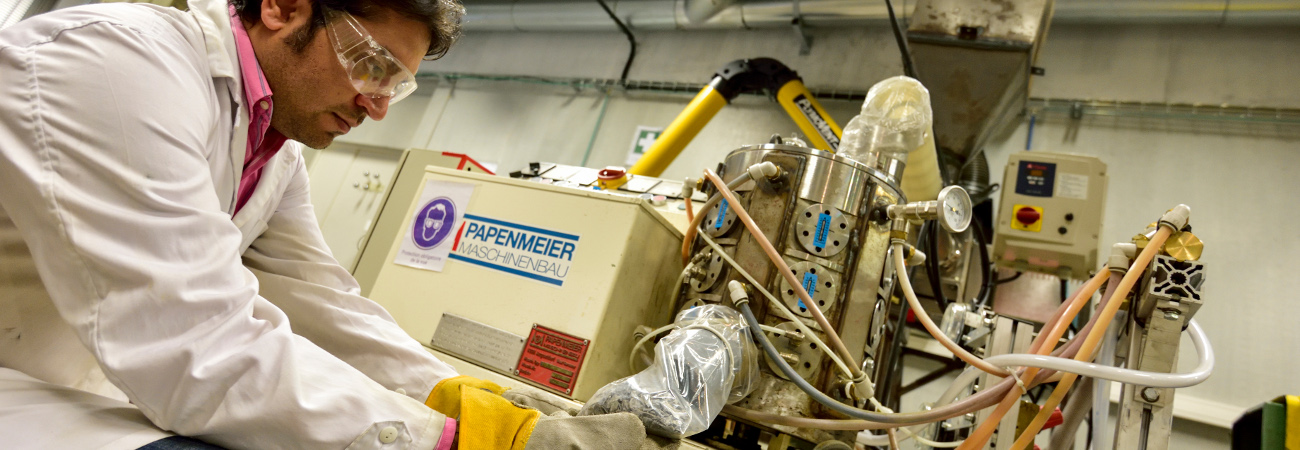
 How can you improve your production using machine learning techniques? Integrate machine learning techniques into continuous improvement, operational excellence, or Six Sigma initiatives.
 Recreate, adapt, or improve 3D models of your products, parts, or tools! This training course aims to cover the entire reverse engineering process for an existing part or tool, including the rapid manufacturing of a prototype.
 During this training module, you will enjoy a collective learning experience and discover the challenges and drivers involved in supporting clients in the low-carbon transition, from creating an offering tailored to client needs to developing the messaging and positioning needed to promote it commercially.
 The school joined the #StOpE initiative to end sexism in January 2022, an initiative aimed at combating so-called everyday sexism in the workplace. Since then, it has regularly participated in working groups and discussions.
 By signing L’Autre Cercle’s LGBTQIA+ Commitment Charter, which is valid for a period of three years, Arts et Métiers its commitment to ensuring that its employees have a respectful, inclusive work environment free from any form of discrimination, particularly on the basis of sexual orientation or gender identity.
 Arts et Métiers a member of the Permanent Conference of Equality and Diversity Officers (CPED), a national network of higher education and research institutions committed to gender equality and the fight against discrimination.