ATS competition: an opportunity to promote diversity
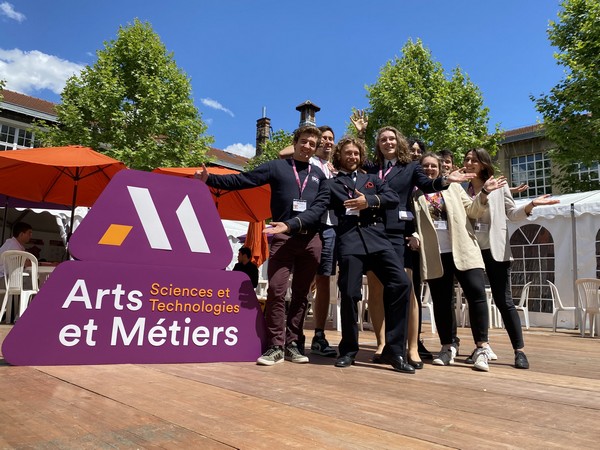
In 2026, Arts et Métiers organize the ATS exam, a preparatory course for students who have completed a BTS, DUT, or BUT degree.

In 2026, Arts et Métiers organize the ATS exam, a preparatory course for students who have completed a BTS, DUT, or BUT degree.
The Evolutive Learning Factories program Evolutive Learning Factories to transform our campuses into Industry 4.0 training factories. Find out how it is being rolled out on the Paris campus.
The Paris campus is transforming its teaching spaces into workshops working together on the theme of sustainable health.
Prostheses, orthoses, and exoskeletons fall, by definition, within the regulatory scope of medical devices when their purpose is to compensate for a disability. These devices are subject to so many constraints (weight, bulk, reliability, safety, noise, temperature, impact, etc.) that their development requires constantly challenging the state of the art in technology.
This gave rise to the idea of creating a case study in which, over the course of a semester, students work on designing a prosthetic foot for children, from software design to the testing room, including 3D printing of prototypes.
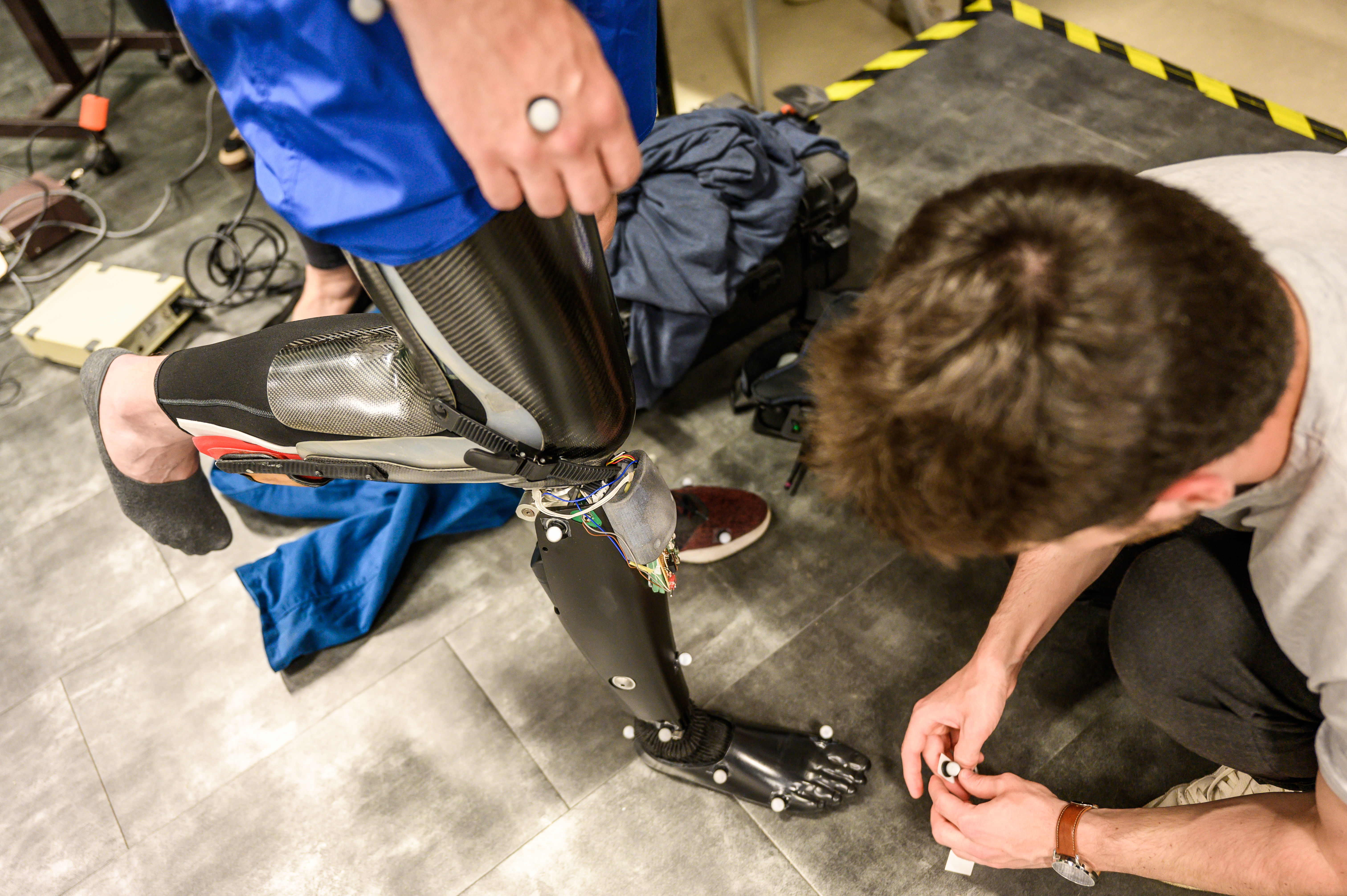
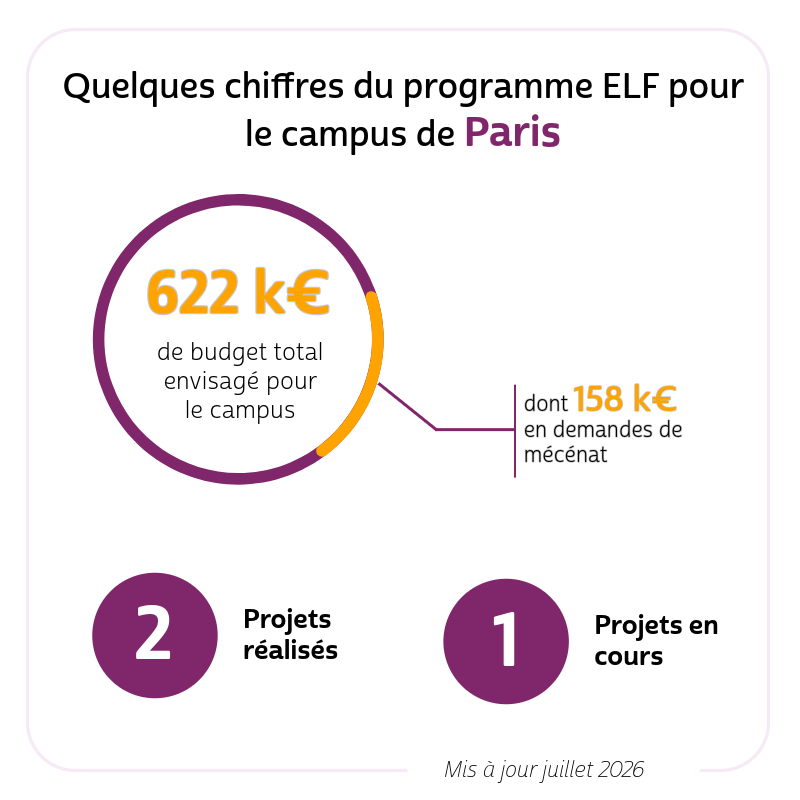
The campus ELF project is based on the observation that it is possible to bring together the five laboratories on campus around a single theme: sustainable health.
Contact: Claudio VERGARI
Communications Officer: Juliette Bouillot


The Evolutive Learning Factories program Evolutive Learning Factories to transform our campuses into Industry 4.0 training factories. Find out how it is being rolled out on the Lille campus.
The Lille campus is transforming its educational platforms to meet the challenges of the industry of the future and train the people who will drive its transformation.
Cobotics, the science that focuses on collaboration between humans and robots, is being showcased at the school's factory on the Lille campus! Thanks to a project to improve the robotic assembly area of its technology hall, within the physical and digital systems engineering laboratory (LISPEN), the school has acquired several mobile robotic platforms and robotic arms.
The goal: to have animmersive, safe, and welcoming place foreducational experimentation. This open space has been designed to be reconfigurable and to allow for the crossover between different themes (foundry, machining, industrial management, robotics, etc.). Students' independent access to resources has been enhanced and continues to be developed, enabling them to better grasp topics related to production organization and support functions.
Operational since 2023, the facility also serves as a showcase for the laboratory and the institution. An investment of €144k in robotics for reuse will complete the facility in 2026.
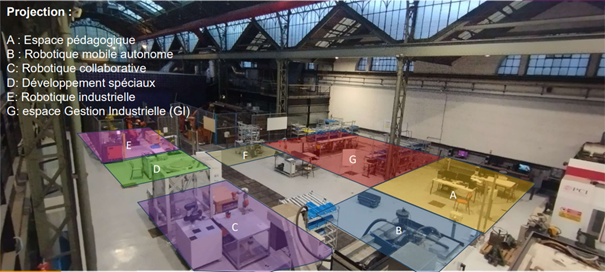
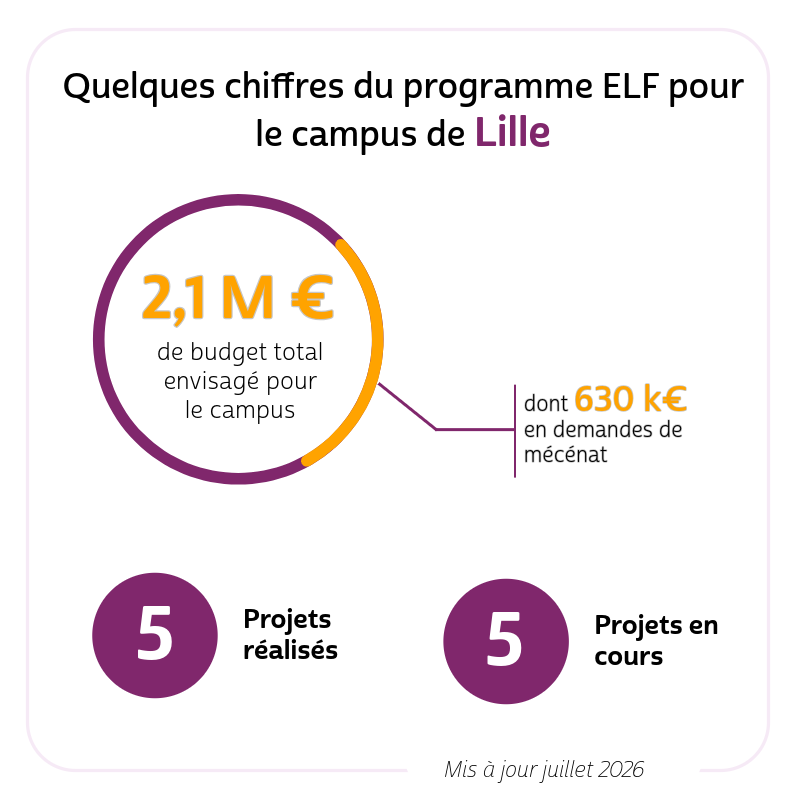
The Lille campus is developing a realistic and eco-responsible industrial ecosystem throughout the product life cycle. This environment will be used to design and implement innovations in key applications (energy transition, light mobility, health, etc.). Several acquisition projects have been completed or are underway to equip the school with Industry 4.0 processes, such as a 5-axis machining center, 3D printers, and characterization machines.
Correspondent: Maurice Lepoivre
Communications Officer: Emilie Rennuit
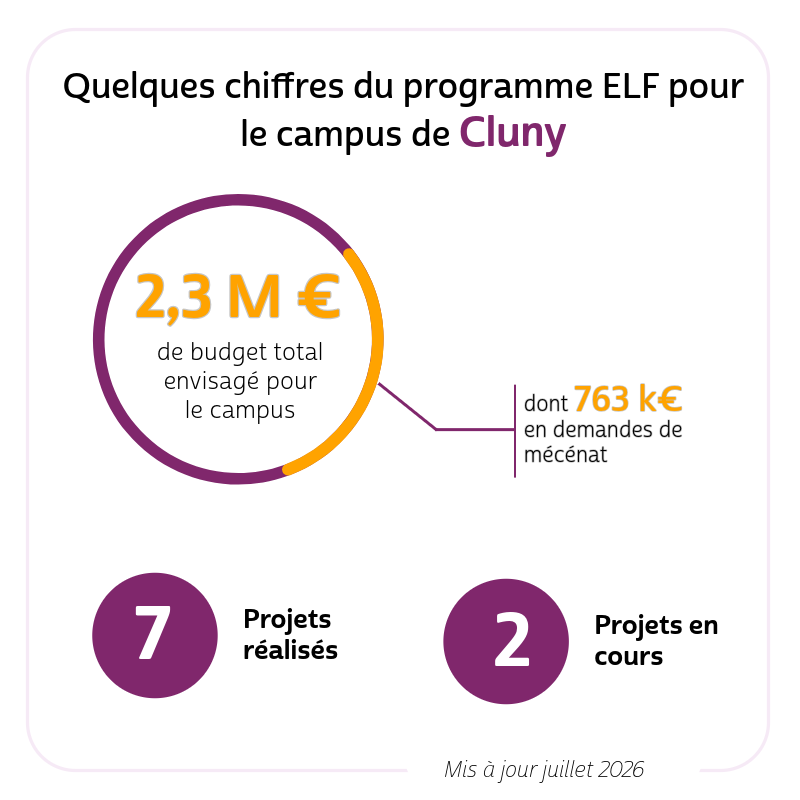
The Evolutive Learning Factories ELF) program aims to transform our campuses into Industry 4.0 training factories. Find out how it is being rolled out on the Cluny campus.
The Cluny campus is transforming its educational platforms to meet the challenges of the industry of the future, and in particular to enhance the appeal of careers in the woodworking sector.
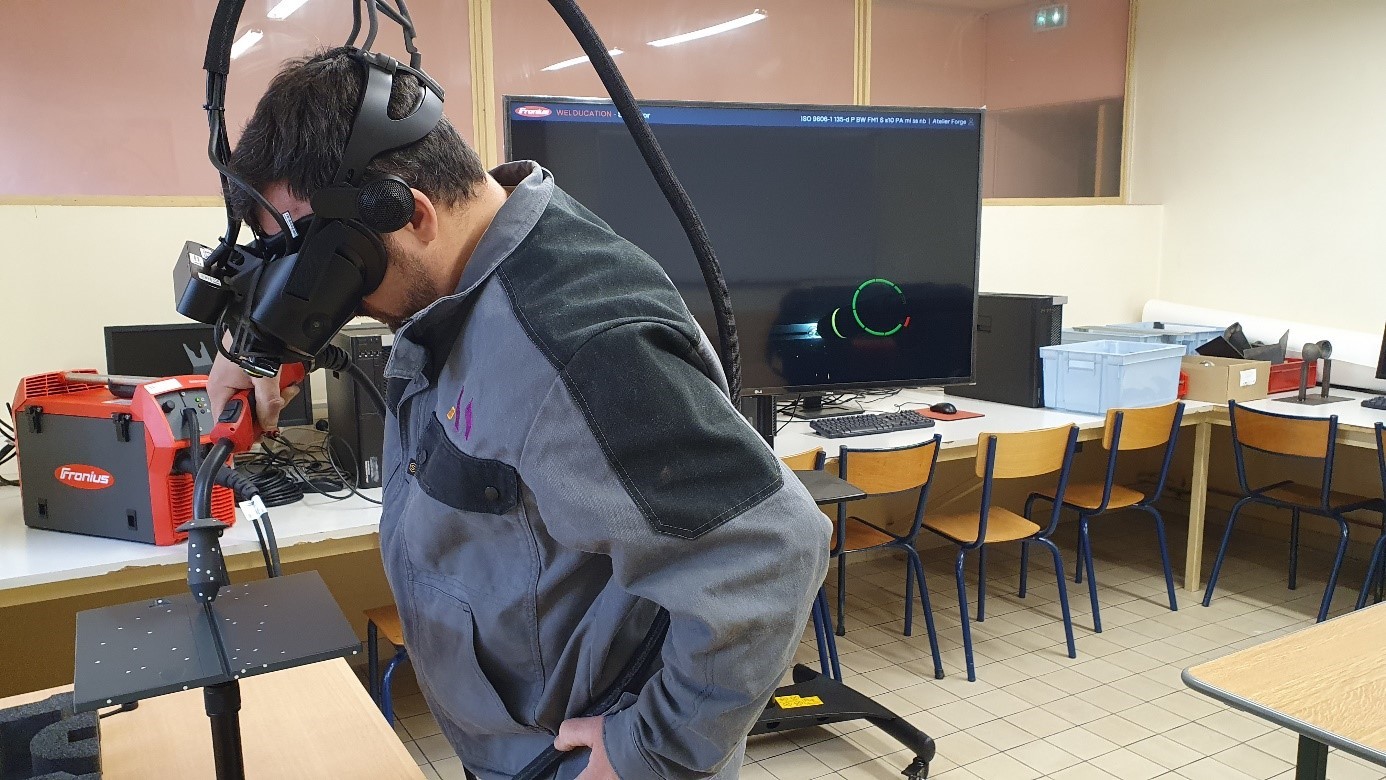
The ELF in Cluny has acquired a new welding simulator with funding from the Arts & Métiers Foundation and sponsorship from Comège. This demonstrator aims to help students discover and perfect welding techniques.
Learners have access to physical equipment (welding test pieces, torches, welding machines, etc.) onto which virtual models are superimposed using augmented reality. Everything is viewed through a virtual reality headset. The goal isto immerse the learner in a world that provides the most realistic perceptions possible, both visually and auditorily. To make the immersion as effective as possible, equipment from FRONIUS, one of the world leaders in welding equipment, was chosen.
The Arts et Métiers campus Arts et Métiers Cluny aims to create LAB LEAN 5.0 by the end of 2026, an innovative laboratory for experimentation, observation, and teaching focused on operators and new industrial technologies. This project, which combines the study and integration of Industry 5.0 advances in industrial performance, will place people at the heart of the process.
The project is structured around four areas: training and action, research and innovation, network coordination and knowledge dissemination, and business support. It aims to place students at the heart of the system, study the impact of advanced technologies on operators, develop concrete demonstrators of the industry of the future, and strengthen the links between education, business, and research. The project already benefits from the support of the NCU RITM-BFC program (reference ANR-17-NCUN-0003).
At the same time, second- and third-year students in the Grande École Program will have access to a collaborative robot as part of their education. ROAM (Robot Collaboratif Arts et Métiers) is a demonstrator that incorporates innovative features and paves the way for educational projects combining technology and traditional know-how within the framework of Evolutive Learning Factories.
Correspondent: Guillaume Fromentin
Communications Officer: Frédéric Delmas
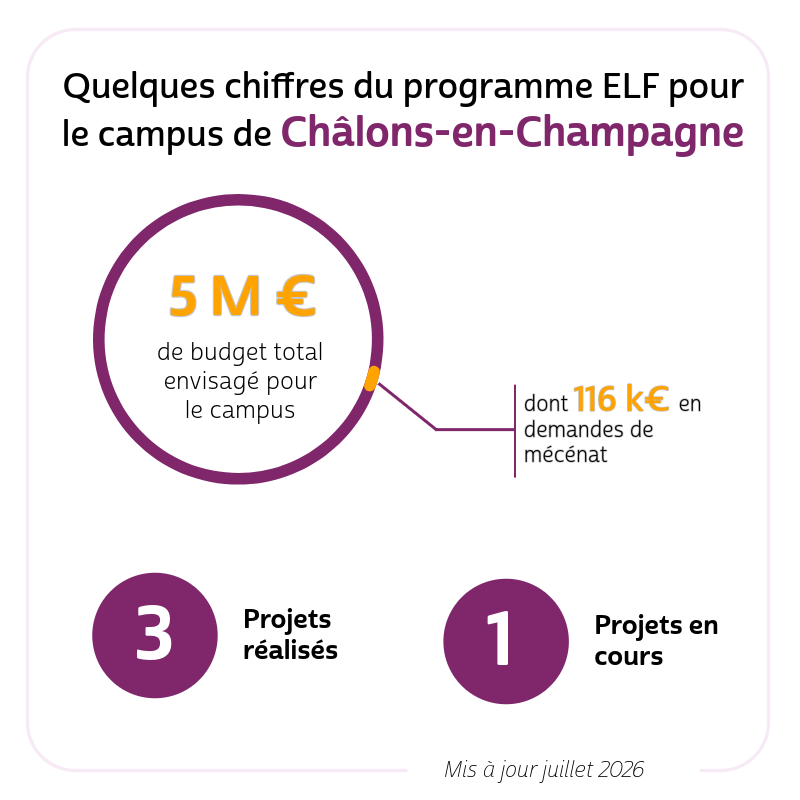
The Evolutive Learning Factories ELF) program aims to transform our campuses into Industry 4.0 training factories. Find out how it is being rolled out on the Châlons-en-Champagne campus.
The Châlons-en-Champagne campus is transforming its educational platforms to meet the challenges of the industry of the future and train the people who will drive its transformation.
The objective of the Fours Fusion project was to replace a "Ripoche" alloy melting furnace dating from 1980, used exclusively to keep the alloy molten, with another from the "Nabertherm" brand.
This furnace has the advantage of not requiring the alloy to be melted in another furnace before being poured into the holding furnace. It consumes 20 kW for melting and 5 kW for holding, which represents a saving of 61% compared to the holding function, which is widely used during educational sequences.
The installation of this new machine was the subject of a student project.
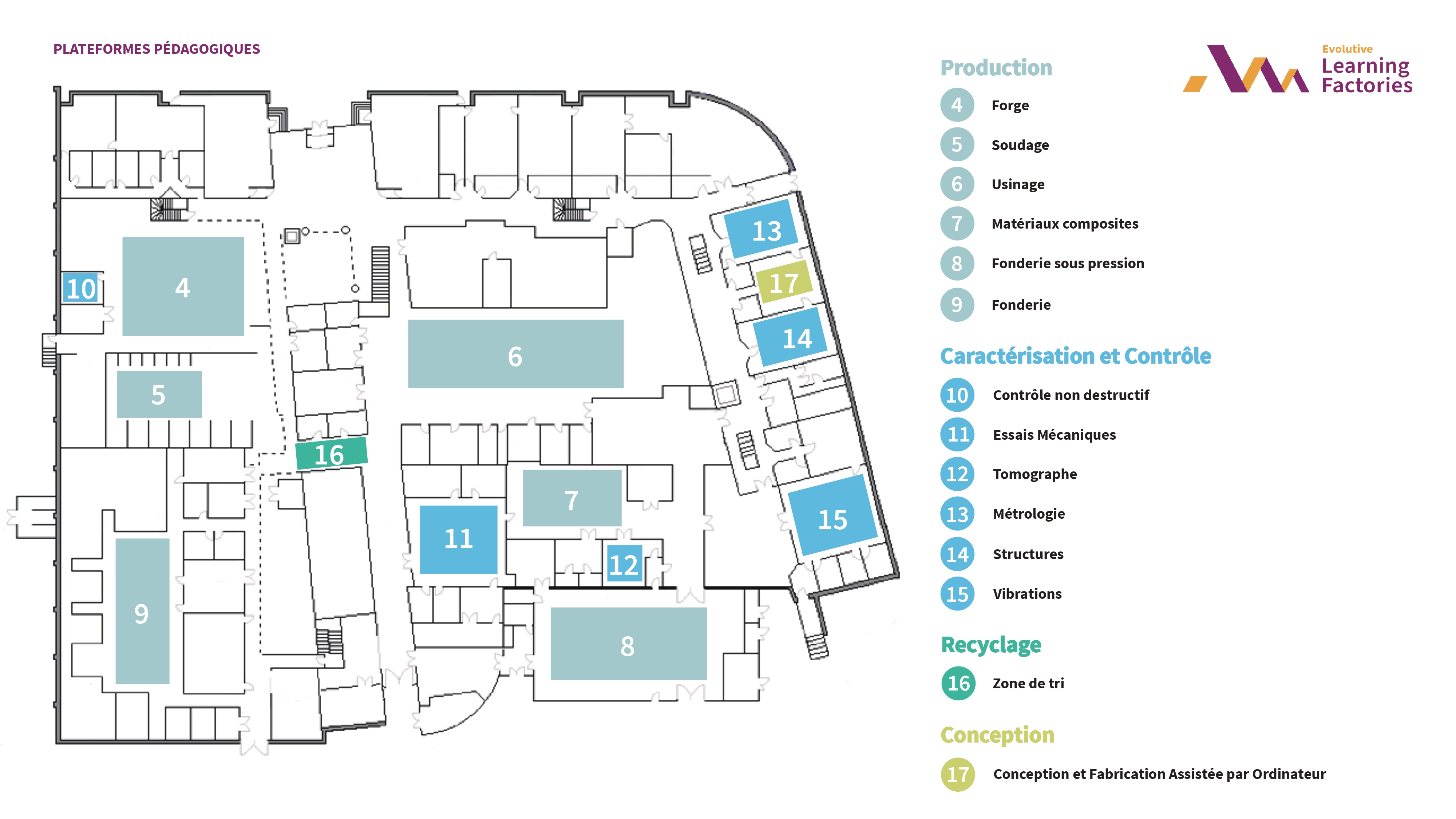
To meet the needs of industry as closely as possible, the campus has several technology platforms, including machining, plastic deformation, metrology, additive manufacturing, and foundry.
It is on this last platform that the fusion equipment has been renewed and improved, enabling new educational activities that are closer to industrial reality and allowing students to learn about future techniques in the sector.
Correspondent: Francis Clovis
Communications Officer: Wendy Landragin
The Evolutive Learning Factories program Evolutive Learning Factories to transform our campuses into Industry 4.0 training factories. Find out how it is being rolled out on the Bordeaux campus.
The Bordeaux campus is transforming its educational platforms to meet the challenges of the industry of the future and train the people who will drive its transformation.
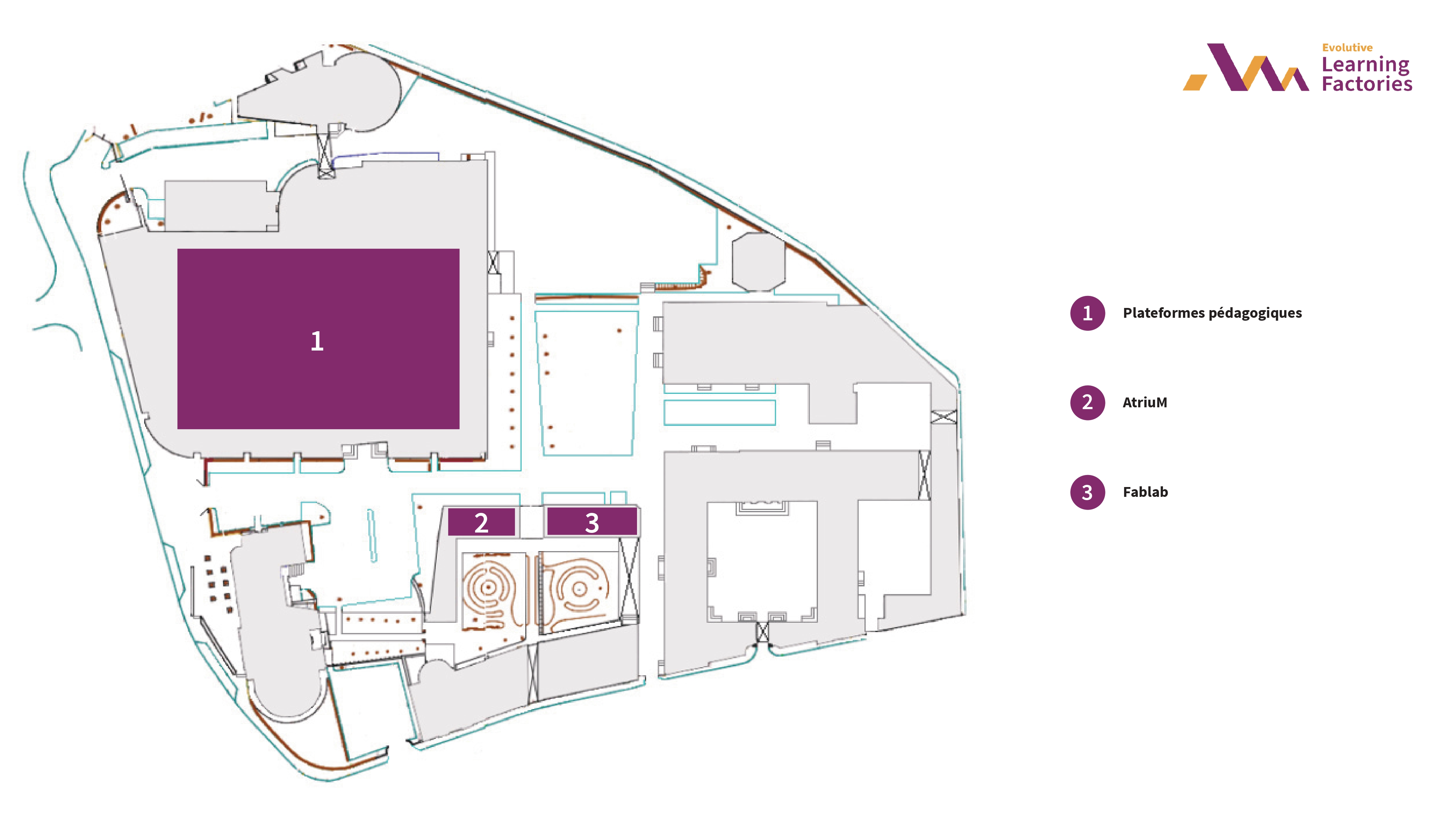
Located in the heart of the technology halls, the Bordeaux Fablab has been enhanced with several 3D printers thanks to the ELF program. The aim of the space is to enable students to prototype and repair their own parts, both for educational projects and, on an ad hoc basis, for personal projects.
With a budget of over €10,000, financed by the ELF and investments from continuing education, five new machines were added.
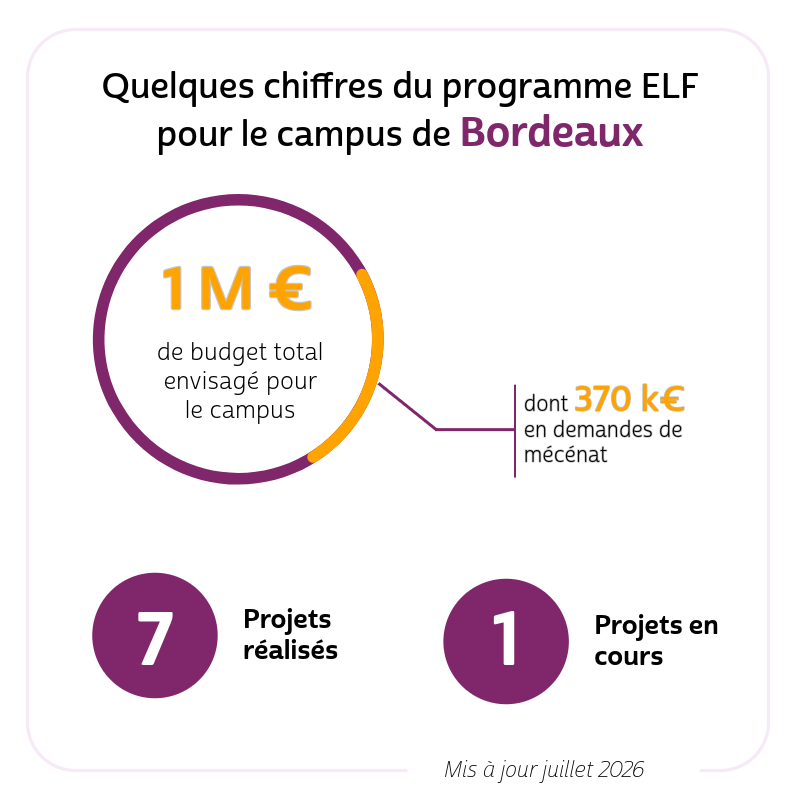
The Bordeaux-Talence campus stands out for its approach, which covers the entire product life cycle: design, manufacturing, use, and end of life. The ELF program aligns teaching, research, and industrial transfer while leveraging existing platforms.
Students play a central role: ELF representatives are selected from among second-year students in Grande Ecole Engineering Programme PGE) and actively participate in implementing projects and organizing campus activities. Each fall, an ELF event highlights local initiatives and serves as a special opportunity to showcase achievements, strengthen the collective spirit, and secure new funding.
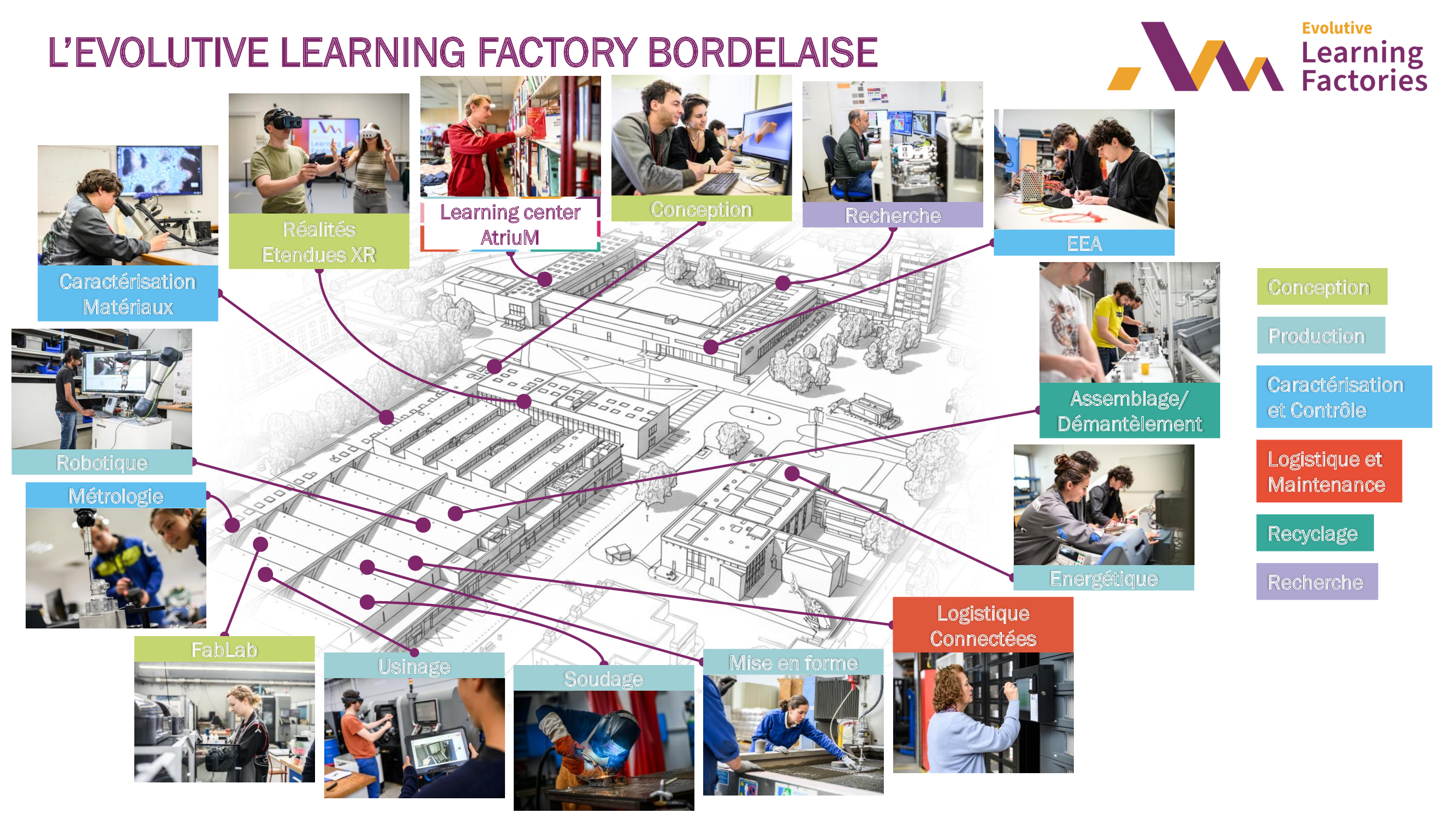
Led locally by Stéphane Chevalier, Fabian Magnin, and Frédéric Lalardie, ELF correspondents, this project is developing thanks to the joint involvement of students, teachers, and staff, thereby strengthening the campus's position in Bordeaux's academic and industrial ecosystem.
Reporters: Fabian Magnin and Stéphane Chevalier
Communications Officer: Charlotte Pourtau
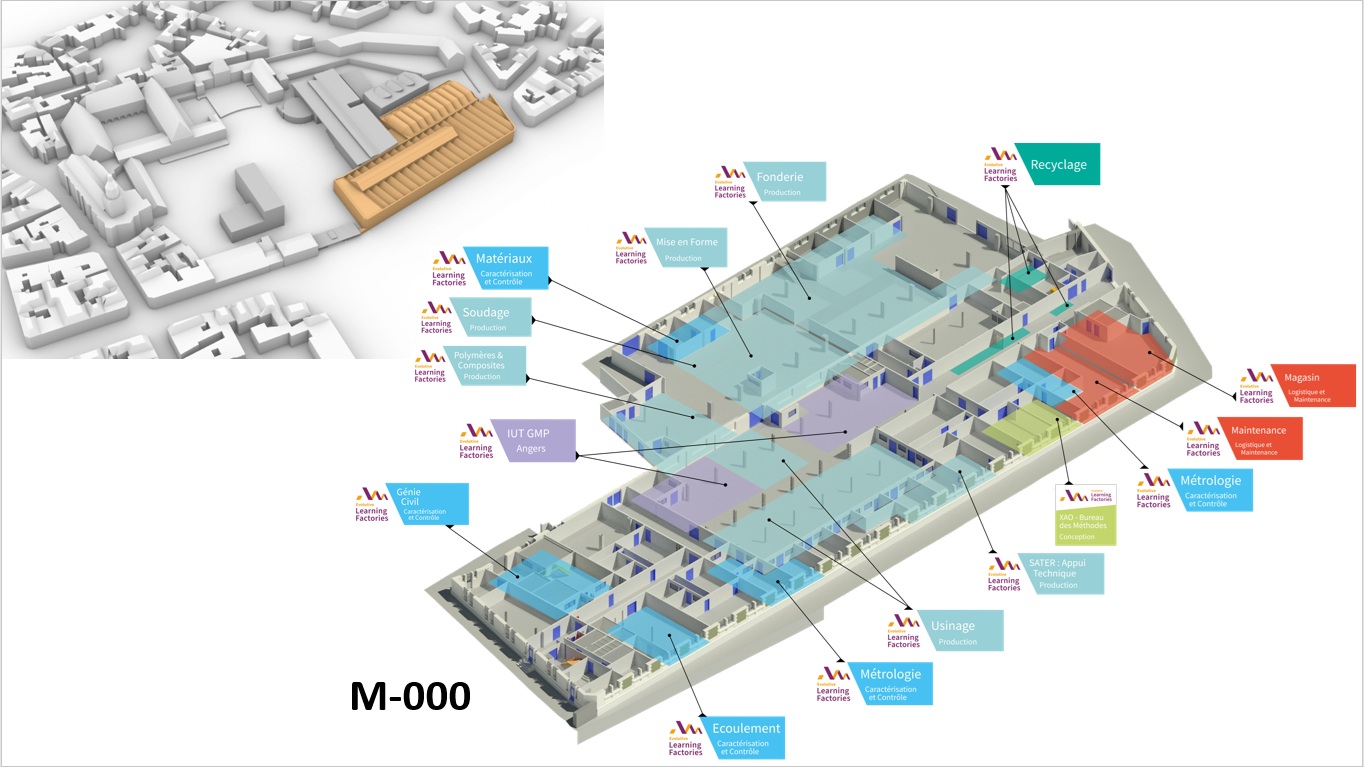
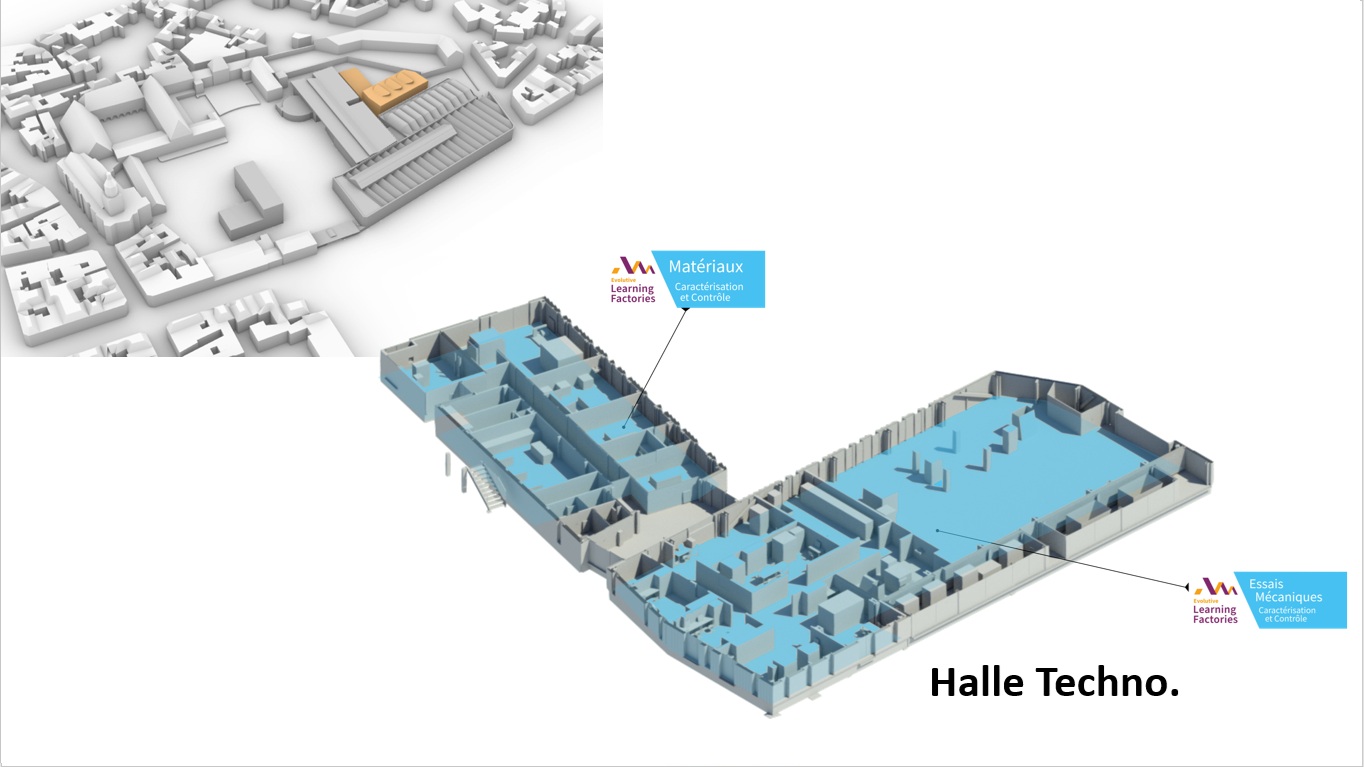
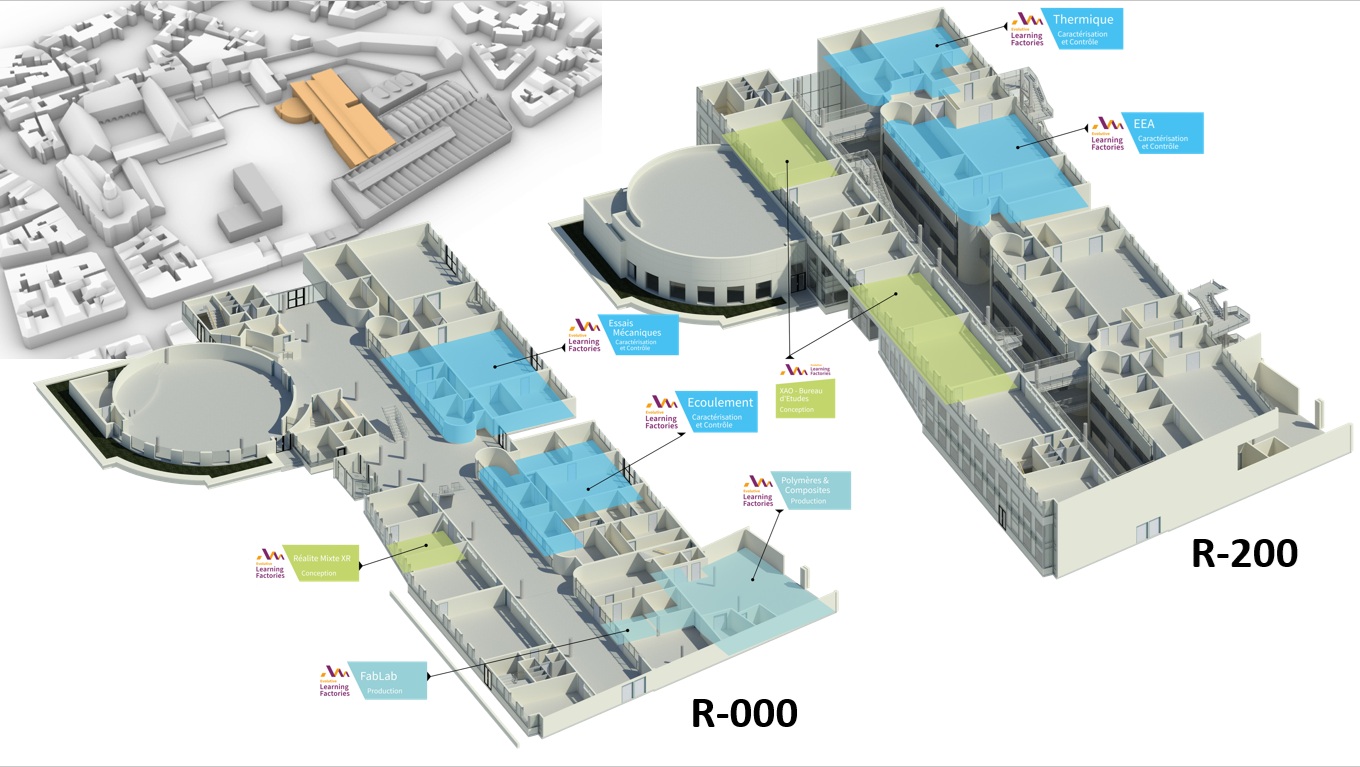
The Evolutive Learning Factories program Evolutive Learning Factories to transform our campuses into Industry 4.0 training factories. Find out how it is being rolled out on the Angers campus.
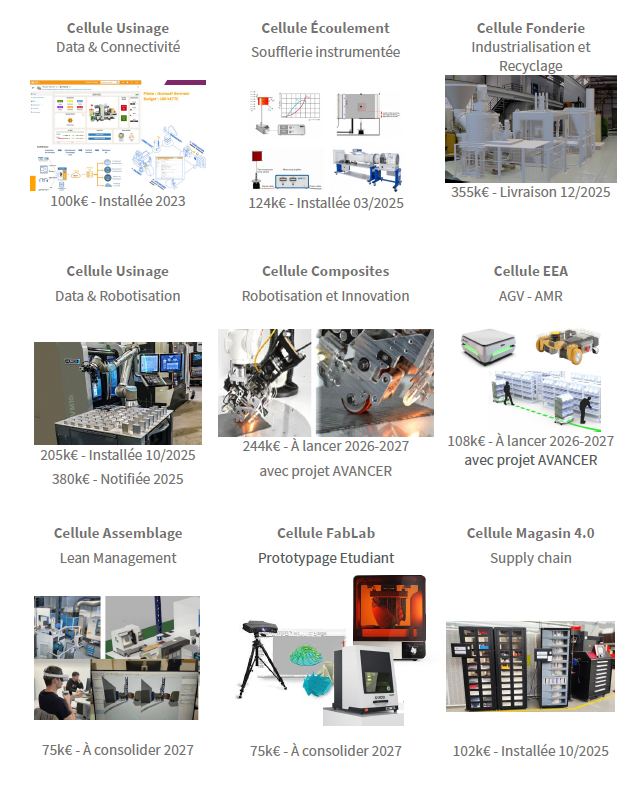
The concept behind the Angers campus's factory-school is to represent a realistic and eco-responsible industrial environment throughout a product's life cycle. Within the ELF, particular attention is paid to the connectivity of equipment, whether new or old, in order to address modern data processing challenges, thus putting AI at the service of industry.
 |  |
 |  |
In-Use for ELF (InUSE4ELF) is a project that aims to set up a data capture chain. It aims to collect, process, and store information from several machines funded by ELF.
Initially, it will focus on three units:
• The machining unit
• The foundry unit, in connection with the JENII project
• The fatigue unit
It is also planned to report the electricity consumption of these different units. The data will be uploaded to the Cloud on the InUSE platform (https://inuse.eu/fr/) for processing and display.
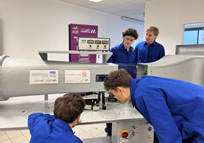
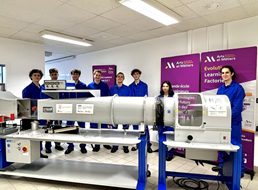
This project was funded by the foundation to the tune of €61k, in addition to funding from the school and public funds from OPCO2i.
This is anopen subsonic wind tunnel of the "Eiffel" type. It features a conventional test section for measuring the lift and drag of any type of airfoil. During tests, the measurements are displayed and will be connected to our databases. It also includes a module with a wind turbine demonstrator that allows the performance of these devices to be compared under different wind conditions, different incidences, and different blade angles. It was deployed in March 2025.
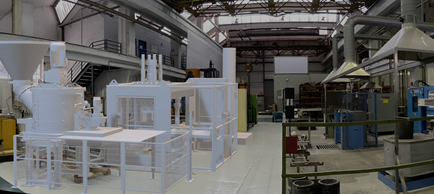
This project was funded by the foundation to the tune of €172k, in addition to funding from the school, AMValor, and public funds from JENII + OPCO2i.
This unit comprises several pieces of equipment: a molding machine, a green sand mixer, and a zero-gravity crane. They enable the green sand molding process to be implemented in a quasi-industrial context. This type of automated facility will enable the campus foundry unit to move from single-unit manufacturing to small-batch production, ensuring 100% recycling and regeneration of the materials used for the mold. Deployment in December 2025.
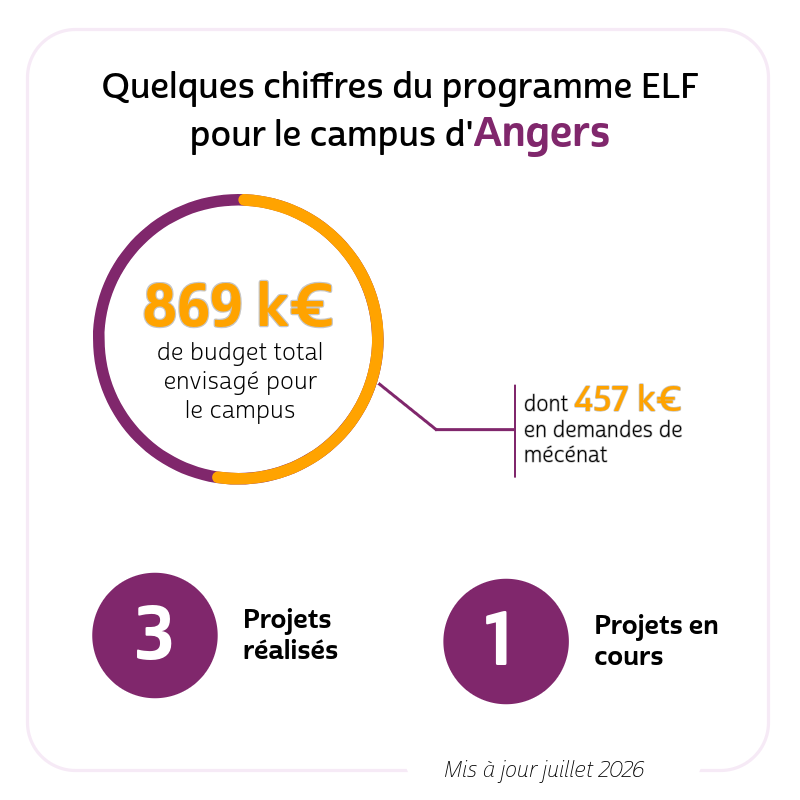
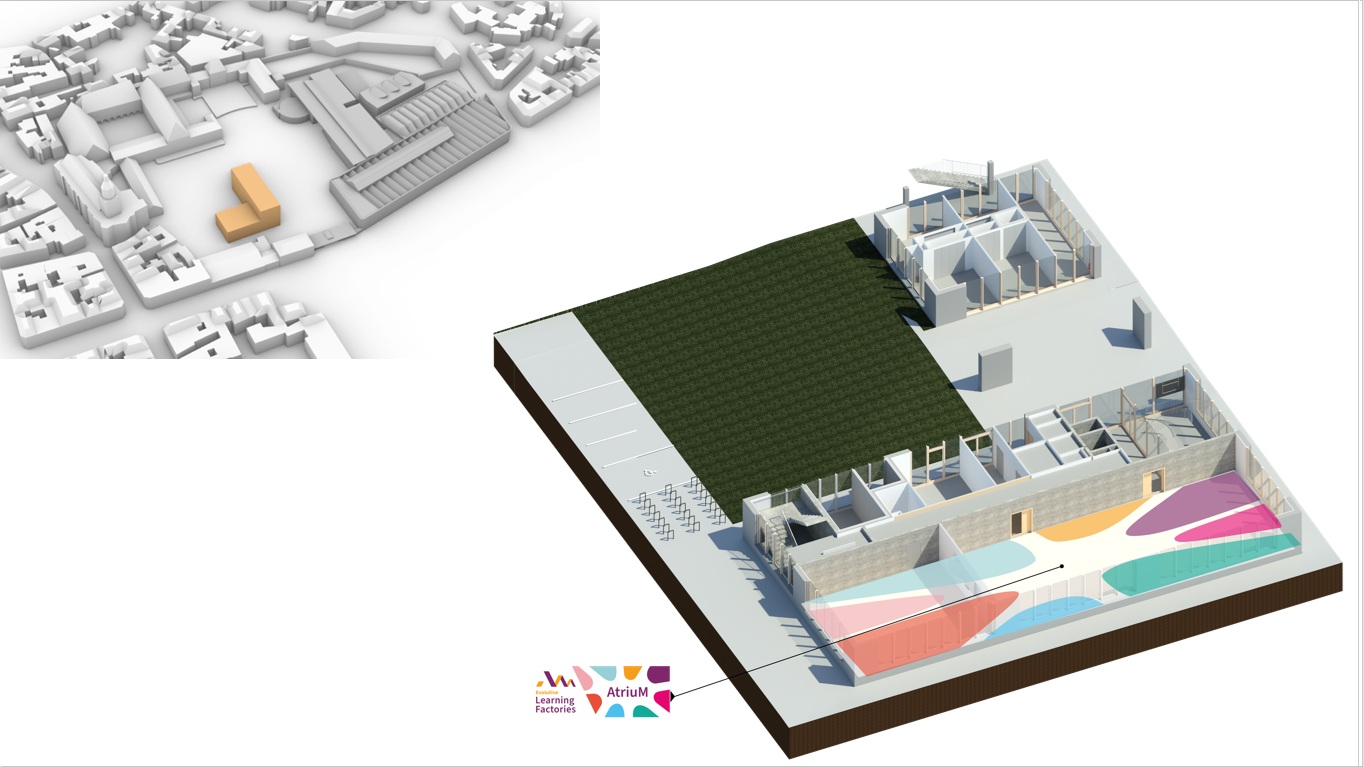
In addition to developing the ELF program, the campus is adapting its spaces with support from the state, region, and local authorities in large-scale projects. A new technology hall was inaugurated in October 2025 as part of the 2015-2020 CPER (State-Region Partnership Contract). A project to renovate and refurbish the historic building, dating from 1930 and housing part of the ELF cells, is also underway as part of the 2021-2027 CPER. This refurbishment is expected to be completed in 2028 and will provide a new setting for the campus's ELF cells.
8 priority projects
Campus correspondent: Julien ARTOZOUL
Communications Officer: Lisa BOUVIER