GreenBotAI: Frugal AI makes industrial robotics more sustainable
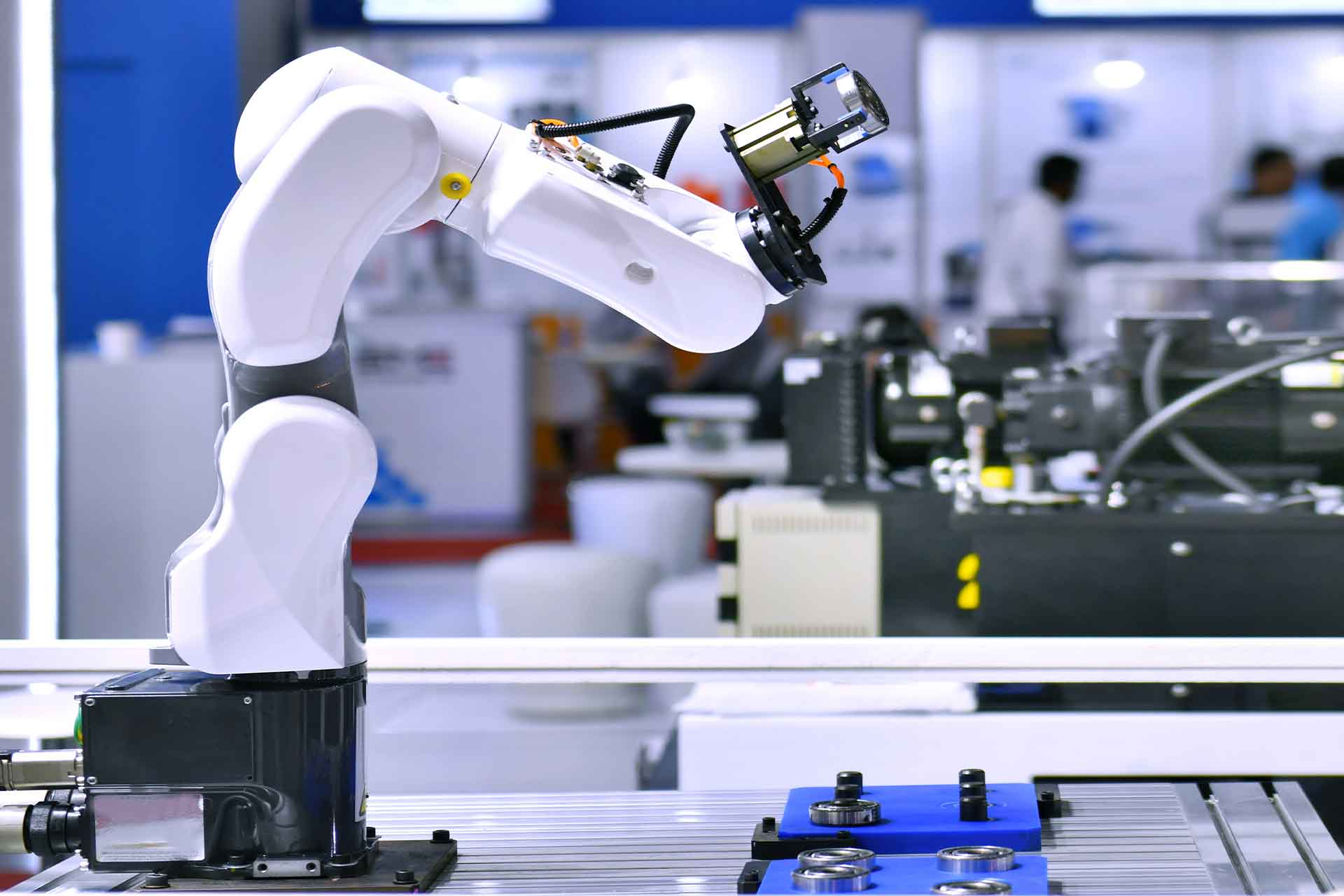
Reducing the energy consumption of industrial robots without sacrificing performance is the challenge taken up by the Franco-German GreenBotAI project.

Reducing the energy consumption of industrial robots without sacrificing performance is the challenge taken up by the Franco-German GreenBotAI project.
In 2025, Arts et Métiers 12th, up one place from 2024.
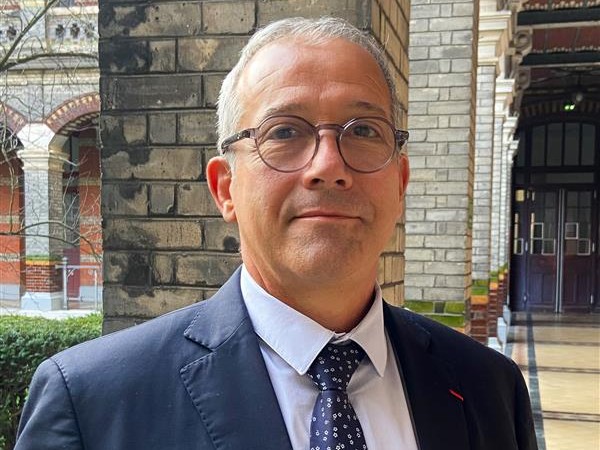
With more than 35 years of service to the government, Olivier Pagni is taking over as director of the Arts et Métiers campus Arts et Métiers Lille.
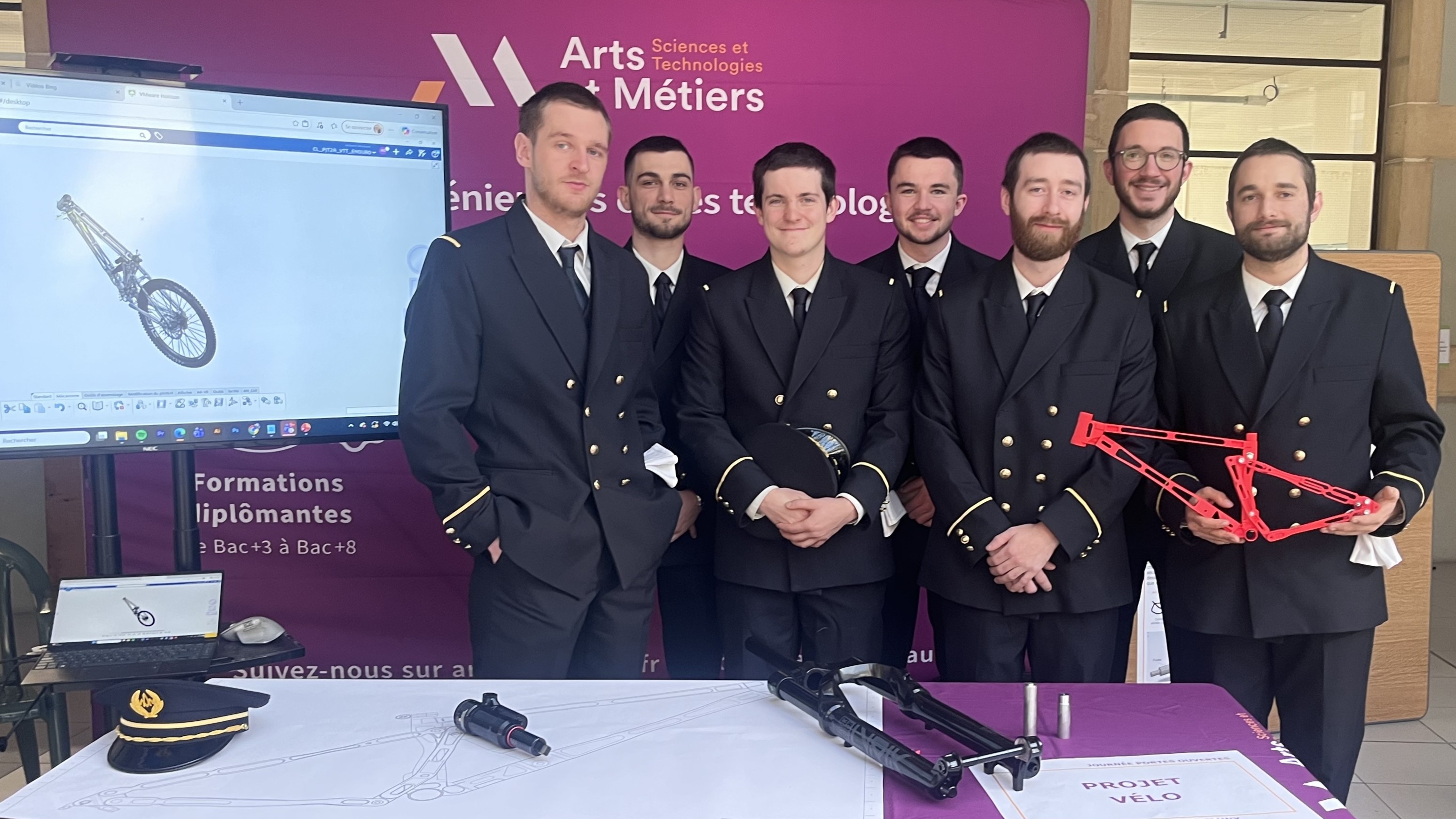
Following theArts et Métiers Team's resounding success at theEnedis Ev Challenge in June 2025, motorsports will once again take center stage this year with the launch of the Ridz' project.
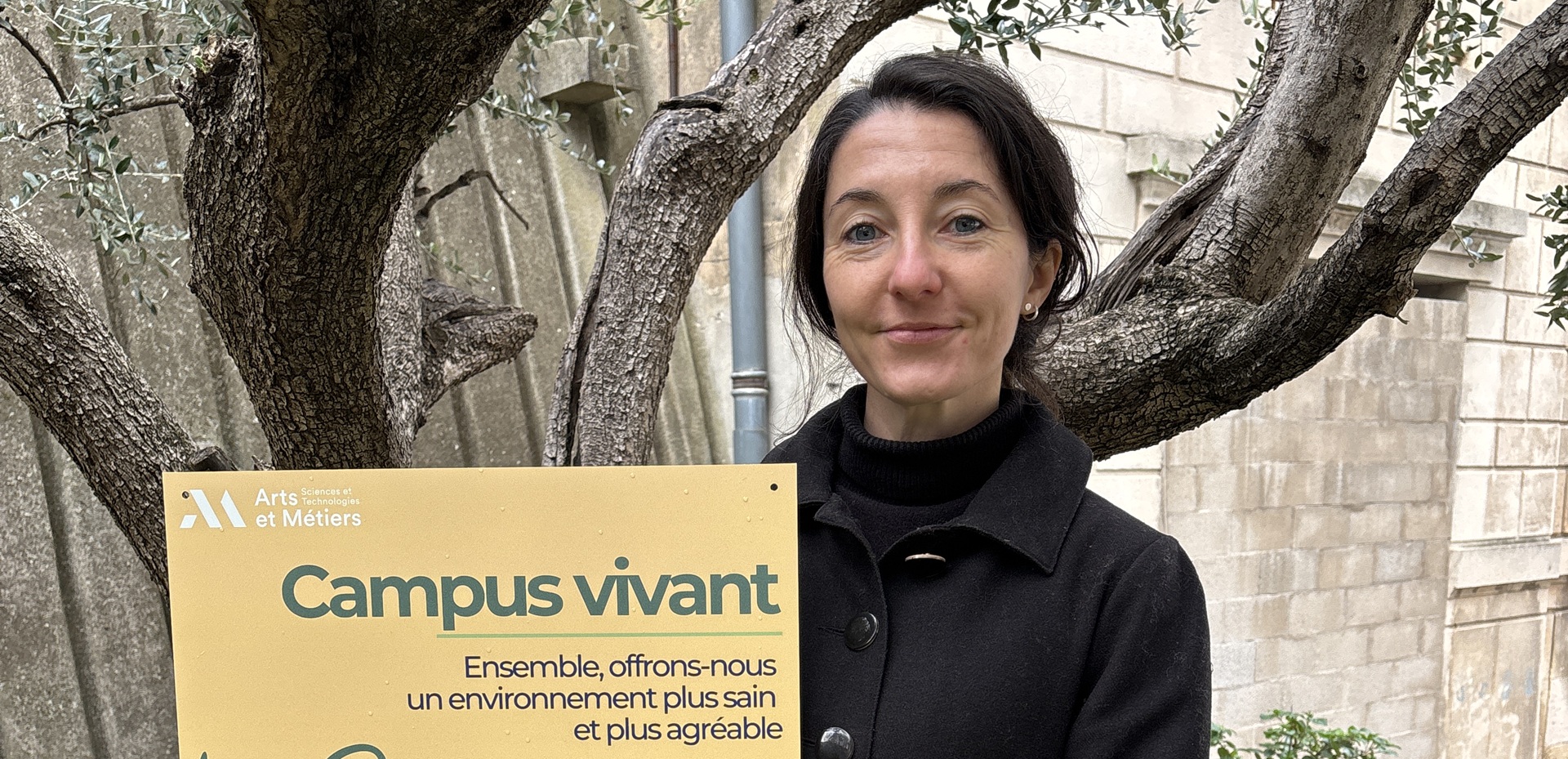
Camille Pédarriosse's commitment to the environment, as DDRS representative and educational engineer at the Arts et Métiers campus Arts et Métiers , is not the result of a sudden epiphany, but rather a sensitivity that has gradually become part of her academic and professional career.
The Bordeaux University Innovation Cluster, coordinated by the University of Bordeaux as the lead partner, aims to accelerate the region's innovation momentum by unlocking the full potential of public research stakeholders. As a partnership-based cluster, it is committed to creating fertile ground for innovation, understood as the transformation of research results into solutions with a positive impact on human societies and natural ecosystems, by supporting researchers and their projects.
As part of the research programming law and the France 2030 plan, the University Innovation Cluster led by the University of Bordeaux brings together 14 academic institutions and two subsidiaries associated with 34 partners in the region. With this diverse group of players and a long shared history, it will lead to the development of collaborative research with businesses and the creation of startups (known as "deep tech") that are driving disruptive innovation.
The project is organized around three strategic areas:
This program supports an action plan defined for the first four years.
Arts et Métiers one of the 16 founding members of the Bordeaux University Innovation Cluster, alongside the University of Bordeaux, Bordeaux Montaigne University, the CNRS, Inserm, Inrae, the Inria center at the University of Bordeaux, Bordeaux INP, Sciences Po Bordeaux, the Ecole Nationale Supérieure des Sciences Agronomiques (BSA), Estia, the Institut d'Optique Graduate School (IOGS), the Centre hospitalier universitaire (CHU) and Bordeaux, the École Nationale Supérieure d'Architecture et de Paysage (ENSAP) in Bordeaux, SATT Aquitaine Science Transfert (AST) and ADERA.
The 34 partners associated with the PUI are competitiveness clusters, clusters, technology resource centers, industrial technical centers, economic development agencies, etc. Also included are: the French Alternative Energies and Atomic Energy Commission (CEA), the French National Office for Aerospace Studies and Research (ONERA), the Bordeaux University Foundation, the Nouvelle-Aquitaine Region, and Bordeaux Métropole.
On October 17, 2018 , Arts et Métiers launched an industrial chair in Lille with Valeo dedicated to studying nonlinear vibration phenomena in future automotive transmissions in order to improve passenger comfort.
The "Nonlinear Dynamics for Future Absorbers" Chair is a structuring partnership betweenArts et Métiers, Valeo, AMValor, and the LISPEN laboratory. This chair was conducted over the period 2018-2023.
To reduce fuel consumption and control environmental impact, car manufacturers are developing internal combustion engines with smaller displacement. This reduction leads to increased engine acyclism, which causes vibrations that reduce component life and acoustic comfort.
Furthermore, in the case of electric or hybrid electric/thermal vehicles, similar vibration problems arise and lead to significant noise pollution.
The research conducted by the "Nonlinear Dynamics for Future Absorbers" chair aimed to develop various techniques and devices for reducing torsional vibrations in the transmission chain by improving existing techniques or developing new strategies.
Two of the above theses, written by Alexandre Renault and Vincent Mahé, enabled Valeo to industrialize an innovative pendulum damping system and receive an "Automotive News Pace Award"in 2022. This prestigious award recognizes automotive suppliers for their innovations, technological advances, and commercial performance.
After seven years of fruitful collaboration, Valeo and Arts et Métiers and expanding their strategic partnership by inaugurating a new industrial research chair dedicated to "Vibro-acoustics of electric powertrains."
Olivier Thomas (LISPEN)
