ME - ITED - Mechanics and Energy - Sustainable Environmental Transition Engineering
Main image
IMDD Bordeaux
Headline
National Master of Science Degree Master of Science DNM) in Mechanical and Energy Engineering - Engineering for Sustainable Environmental Transitions (ME - ITED)
Main body text
Campus
Arts et Métiers Campus Arts et Métiers Bordeaux-Talence
EDUCATION
This program lasts two years.
M1: offered at the Arts et Métiers campus Arts et Métiers Paris as part of the "Factory of the Future - Mechanical Engineering" program.
Educational objectives
- Address the major areas of mechanics and energy applied to the fields of energy management, the environment, and sustainable development.
- Acquire skills to design and produce innovative, environmentally friendly products: manufacturing processes, structural optimization, energy balances for industrial processes, materials for energy storage, etc.
- Acquire specific knowledge:
- major environmental challenges
- energy consumption
- to supply chains
- environmental materials
- Acquire related skills:
- to the optimal use of energy,
- to the environmental improvement of industrial processes,
- decontamination processes
Career opportunities
- Continuation of doctoral studies.
- Research and Development, design and calculation offices, consultant, production manager, operations manager, research officer in companies or local/regional authorities in the following fields:
- Energy, specifically renewable energies (solar, thermodynamics, wood energy, methanization and biogas, wind power, river or marine hydroelectric power), but also professions related to buildings (building thermal engineering or the implementation and monitoring of high environmental quality (HQE) construction sites) and thermal-energy or hydraulic engineering related to industrial and environmental thermal engineering.
- Environment for analysis, prevention, waste, water, and effluent treatment, remediation, energy and environmental services in production industries related to renewable and alternative energies, or manufacturing in the food and textile industries, as well as industries related to natural raw materials (leather, wood, paper, petroleum, coal products), hydrocarbon processing (plastic and rubber products), non-metallic minerals, and primary metal processing.
- Materials for sustainable development (circular economy) and environmental impact assessment
Program
Structure (course semester, project/internship semester, etc.)
- The year is divided into two semesters:
- First semester (30 ECTS): 90-hour course & research project for semester 9 (PJE09) on a specific topic proposed by the teaching staff. This project is generally closely linked to the I2M laboratory and allows students to explore a topic in cutting-edge fields on campus.
- The second semester is devoted to a research internship lasting 24 to 26 consecutive weeks (30 ECTS) which will take place in
- A research laboratory. N.B. For students pursuing a dual degree in engineering at ENSAM, a 10- to 13-week internship in a company during the summer between the second and third years is required. Another option is to include this internship, covered by an agreement with a partner company, during the laboratory internship.
- A company, but focused on research or R&D.
- Conferences and themed company visits round out the training.
Detailed description of the modules
Advanced units specific to the MR
- Structural Mechanics Supplement (3 ECTS)
- Transfer Physics (3 ECTS)
- Additive Manufacturing (2 ECTS)
- Research project (5 ECTS)
Modules shared with the Expertise Unit
- Environmental impacts of emerging industries and technologies (4 ECTS)
- Metrology and Energy Management (4 ECTS)
- Environmental Processes (5 ECTS)
Shared core curriculum modules
- Management, Strategy, Innovation (2 ECTS)
- The Engineer and the World (2 ECTS)
Internship for National Master of Science Degree Program (30 ECTS)
Key scientific and educational leaders
- Prof. Azita Ahmadi-Senichault (Arts et Métiers)
- Prof. Nicolas Perry (Arts et Métiers)
Assessment methods
Written exam (continuous assessment and/or final exam) for courses, report and/or oral defense of project for certain courses, and a written report and oral defense for PJE 09 and SFE. Milestone 1 of PJE09 consists of an individual literature review with a report and defense in English.
- Lectures, tutorials, project-based teaching
- Presentations by recognized professionals in their respective fields.
- A day of meetings with companies in the sector is being organized on campus.
- A day visiting the I2M laboratory and meeting with its management team.
Validation procedures
Average of 10/20 for each course unit or module.
Benefits of the training
- This program is based at the Bordeaux campus, which offers numerous complementary research opportunities in the fields of mechanics and energy. It draws in particular on the expertise of the Institut de Mécanique et d'Ingénierie – Bordeaux (I2M, CNRS UMR 5295).
- By sharing some of its courses with the "Process and Materials Engineering for Development" program in the third yearArts et Métiers, it benefits from the existing momentum in this area of expertise, which is backed by I2M's research fields.
- It benefits from the momentum of competitiveness clusters:
- The AVENIA cluster, which aims to prepare for the economic future of Aquitaine through ambitious research and development projects in the field of energy and the environment.
- The XYLOFUTUR cluster, which aims to develop and support innovative projects that benefit the forestry, wood, and paper industry in Aquitaine.
- Institutes of Excellence in Decarbonized Energy (IEED INEF4), which aims to develop solutions to be integrated into energy-positive construction solutions.
- It reflects Aquitaine's desire to focus its industrial development on innovation in the field of the environment and sustainable development, which is a source of professional opportunities.
- It is enriched by monthly conferences, thematic days and forums, presentations by professionals, thematic visits to companies, and a visit to the I2M laboratory.
Admissions
Admission criteria
- Through dual degree programs for Arts et Métiers engineering students
- Based on application and online through the International Relations department for international partner institutions of the École Nationale SupérieureArts et Métiers.
- External unsolicited application based on CV online.
Prerequisites
- Required level: Bachelor's degree in mechanical engineering/energy.
- Equivalent international level: Master's degree or second year of engineering school in mechanical/energy engineering
- Good level (B2) in French required.
- Good level (B2) in English desired.
Application deadline(s)
- April 30
Partners
- Industrial companies: EXOGreen, Valorem, Total, SAFT, AdvTech, Energie de la Lune, Nobatek, BRGM, SAFRAN, APESA, Veolia
- Institutions: Competitiveness clusters AVENIA, Xylofutur, BRGM, APESA, ICMCB, IUT GCl
- Academics: University of Bordeaux, DUSA
Targeted companies
The entire energy and environment sector. Examples: Valorem, Total, SAFT, AdvTech, Energie de la Lune, Nobatek, DUSA, BRGM, SAFRAN, APESA, Veolia, SMURFIT
Examples of internship opportunities offered / projects carried out
- "Measuring pollutant saturation during groundwater fluctuation cycles" – I2M Dept TREFLE
- "Heat recovery from flue gases in thermal or biomass power plants" – GE Energy Products
- Research on sustainable packaging – L'Oreal
- “Design/development of an operational tool for quantifying biomass on an industrial grinding line” - SMURFIT
- "Sensitivity analysis of thermal gradients in vertical wind profiles" - VALOREM
Practical information
- Course language: French. Reports/presentations for the first milestone of PJE09 will be in English.
- Calendar
- Semester courses: approximately late September/early October – approximately late January/early February
- Internship semester: approximately early February to late August
- Number of hours in the first semester: 355 hours, including 90 hours of research project (PJE09)
- ECTS credits: 60
- Training location: Bordeaux-Talence “ Arts et Métiers ” Campus.
Contacts
Azita Ahmadi-Senichault (azita.ahmadi@ensam.eu)
Arts et Métiers – Bordeaux-Talence Campus
Esplanade des Arts et Métiers
33405 Talence, France
Phone: +33 (0)5.56.84.63.94
Keywords
Sustainable Development, Energy Transition, Renewable Energy, Environmental Processes, Circular Economy
A year in Sweden to specialize in composite materials
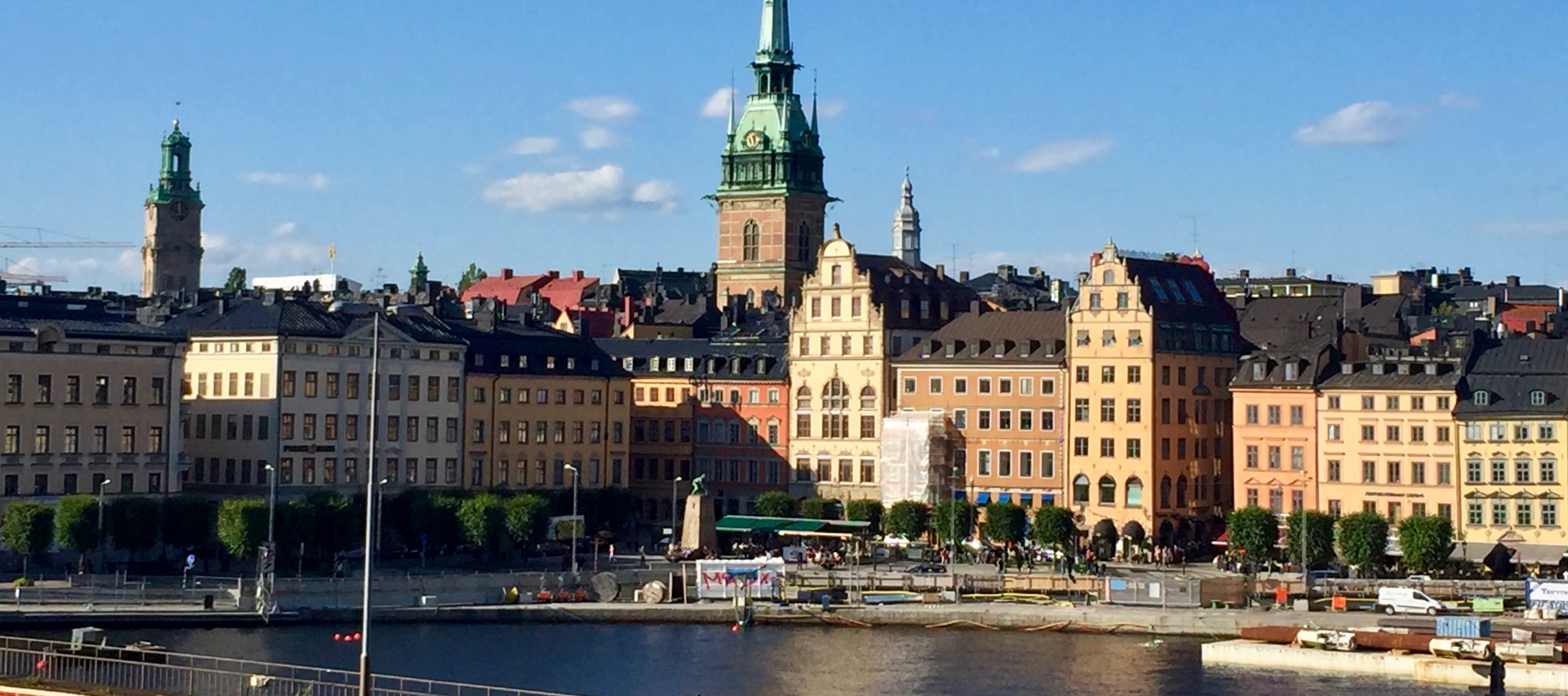
Charlotte Chan, an engineering student Arts et Métiers, is completing her third year of study at KTH in Sweden.
Prospective students, remember to pay the CVEC before enrolling at Arts et Métiers

Before enrolling atArts et Métiers, you must pay the CVEC, the Student and Campus Contribution (CVEC).
Arts et Métiers engineer Arts et Métiers three-time French boxing champion!
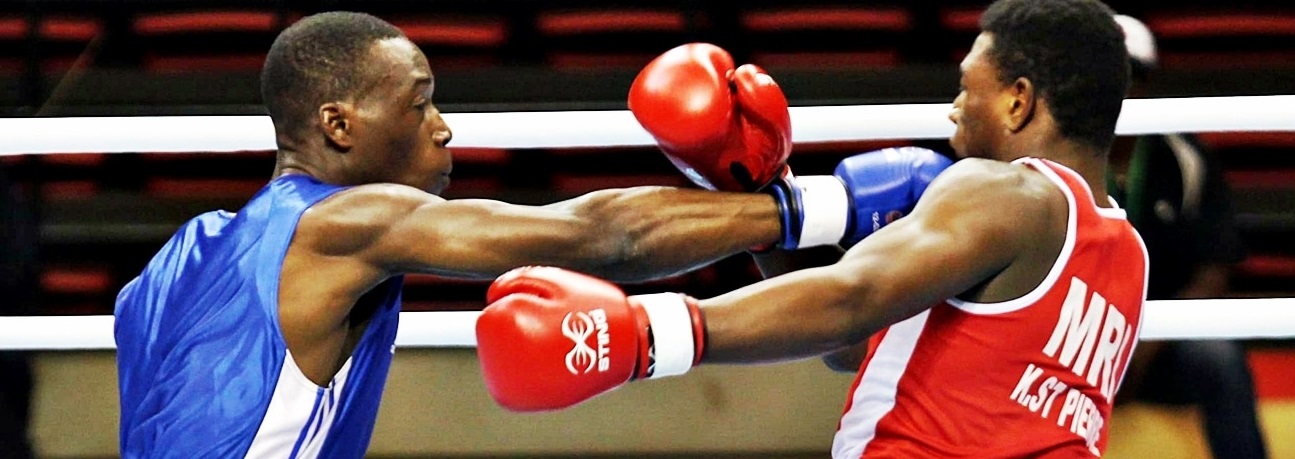
Kevin Kuadjovi, an Arts et Métiers engineer Arts et Métiers Bo 207), recently won the French heavyweight boxing championship title for the third time.
Seminar at the Carnot Arts Institute on the Arts et Métiers campus Arts et Métiers Bordeaux
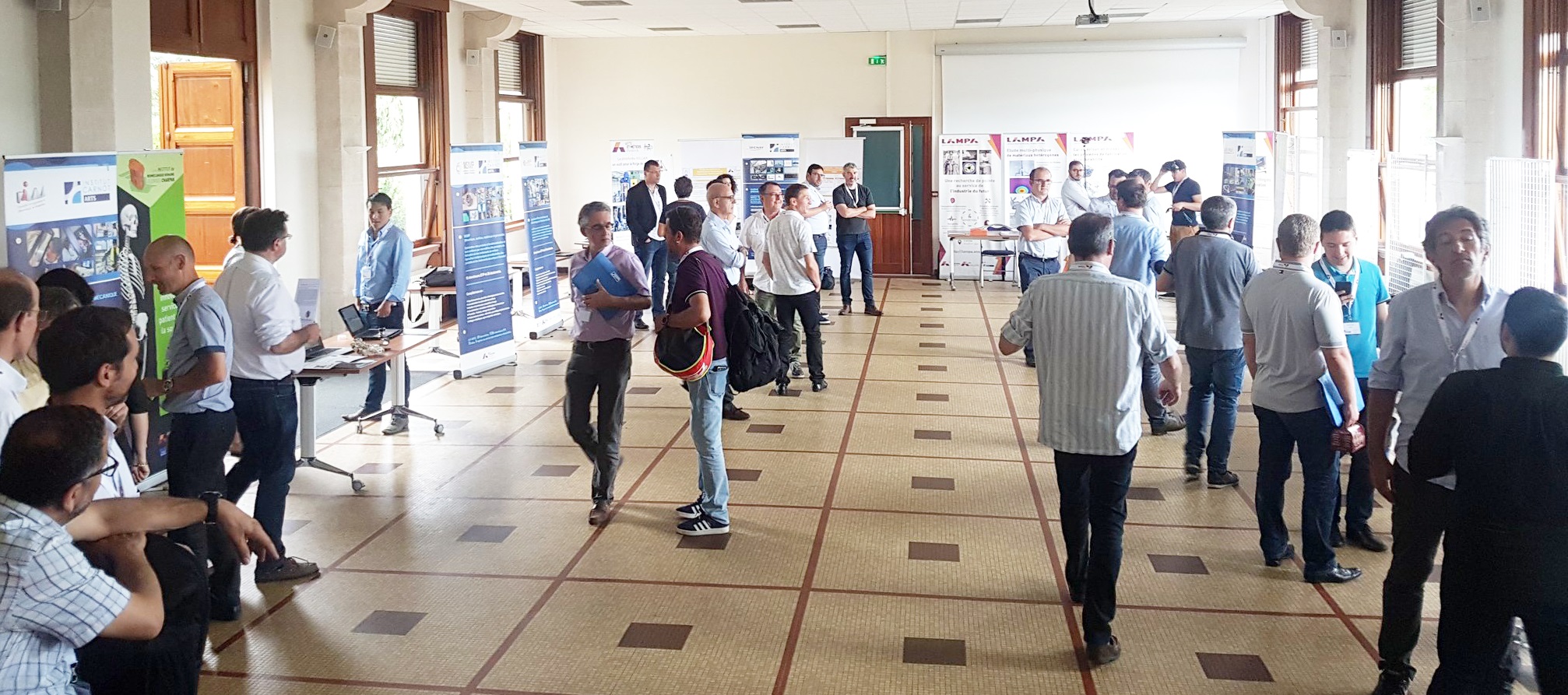
On July 3 and 4, the Carnot ARTS Institute held its annual seminar on the Arts et Métiers campuses Arts et Métiers Bordeaux-Talence and at the University of Bordeaux. This event is an important one in the life of the institute, as it brings together key players from across the region and provides an opportunity for discussion and feedback on technological innovations at the heart of industry.
Programs
Main image
Facade of the Arts et Métiers campus Arts et Métiers Paris
Headline
Website under construction
Main body text
More to come
Arts et Métiers a new laboratory dedicated to the industry of the future: LISPEN
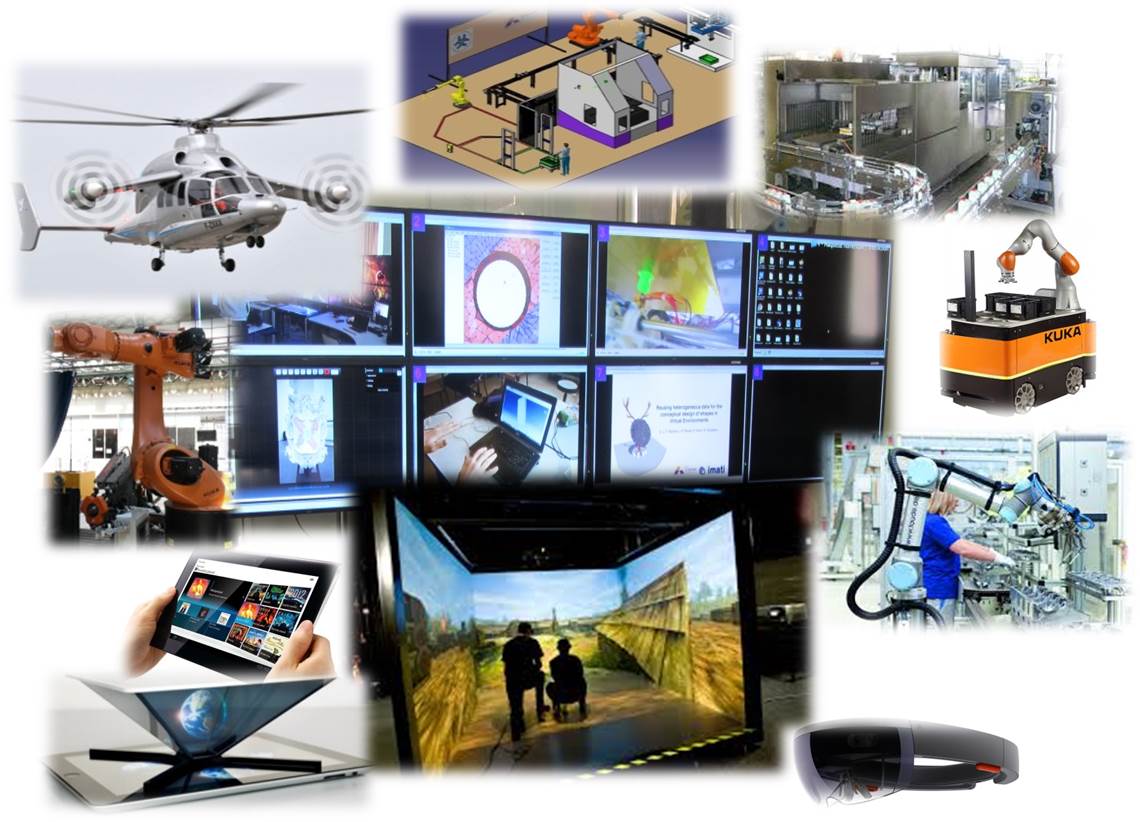
The Laboratory of Physical and Digital Systems Engineering (LISPEN) brings together the expertise of faculty members from theArts et Métiers campuses Arts et Métiers , Cluny (Institut Image in Chalon-sur-Saône), and Lille, focusing on multi-physical and virtual dynamic systems for the Industry of the Future.
Franco-German dual degree in general engineering
Main image
2018-12_Karlsruhe Castle
Headline
Starting in the first year of thegeneral engineering program, you can enroll in a Franco-German dual-degree program. What’s in it for you? An engineering degree Arts et Métiers a Master of Science the Karlsruhe Institute of Technology (KIT). A testament to its excellence, this program is supported bythe Franco-German University (UFA).
Main body text
Two complementary education systems
In France, over four semesters, you will take courses for ageneral engineering degree and prepare for your mobility in Germany with:
- German reinforcement classes,
- Intercultural activities,
- An individual research initiation project (Bachelor's thesis).
In Germany, you will take a core set of compulsory courses and other elective courses over three semesters. Finally, you will complete your final thesis (Masterarbeit) in a German research laboratory.
Jean-Edouard Desaigues graduated with this dual degree in 2011 and is now a research engineer at ArcelorMittal Global R&D:
The Franco-German program gave me the opportunity to study in Germany, which was essential for learning and practicing the language. Completing practical assignments and various projects with my German classmates taught me how to thrive in an international and multicultural environment, which is useful in my current role.
A Franco-German cooperation environment
For more than 20 years, Arts et Métiers KIT have been working together to train bicultural engineers. In 2017, the two institutions took their partnership a step further by creatingthe Franco-German Institute for the Industry of the Future.
The Institute promotes the development of joint research projects between teams of researchersArts et Métiers KIT. It also offers students an additional opportunity to get involved in projects at the European level.
A path to excellence certified by the Franco-German University (UFA)
Arts et Métiers to the ParisTech network, which brings together 10 prestigious French schools. It is the only French engineering school with a nationwide presence, with 11 campuses across the country. KIT has 20,000 students and belongs to the TU9 group of the nine best German technical universities.
As the guarantor of the excellence of the dual degree,the UFA aims to strengthen cooperation between France and Germany in the field of higher education and research. The excellence of the programs accredited by the UFA is guaranteed by regular evaluation.
Ferdinand Villaumié, third-year student in the French-German program:
I chose Arts et Métiers the dual degree with KIT: this faculty is recognized in Germany and offers access to a wide range of courses. Speaking German is a real advantage for an engineer, the job market across the Rhine is very dynamic, and the M.Sc. degree is recognized abroad. This dual degree is therefore a real springboard for an international career.
Practical information
Stock exchange
In addition to guaranteeing excellence, the Franco-German University allows all students to benefit from a mobility grant during their stay in Germany.
Admission
All applicants for the dual-degree program must apply through the Grande Ecole Engineering Programme admission process . Final admission to the dual-degree program is granted at the end of the first year at Arts et Métiers is contingent upon prior admission to Grande Ecole Engineering Programme. Students must take a specific German language interview. Upon request, this interview may be conducted alongside the competitive entrance exam interviews and lead to provisional admission, which must be confirmed at the end of the first year. The double-degree admission interviews do not affect the results of the competitive entrance exam for the Grande Ecole Engineering Programme.
Required language level
A high school level command of German is required to enroll in this program. Motivation is the main criterion for admission. Language skills are brought up to standard during the four semesters spent in France at Arts et Métiers.
Assigned campus
Students enrolled in the Franco-German dual degree program are assigned to the Metz campus. For more information, please refer to the assignment rules.
Contact
Head of the French-German dual degree program: Paul Stief.
International Relations Office: Marlène Juncal-Demski.