First meeting of the Grosne Watershed Territorial Cooperation Laboratory
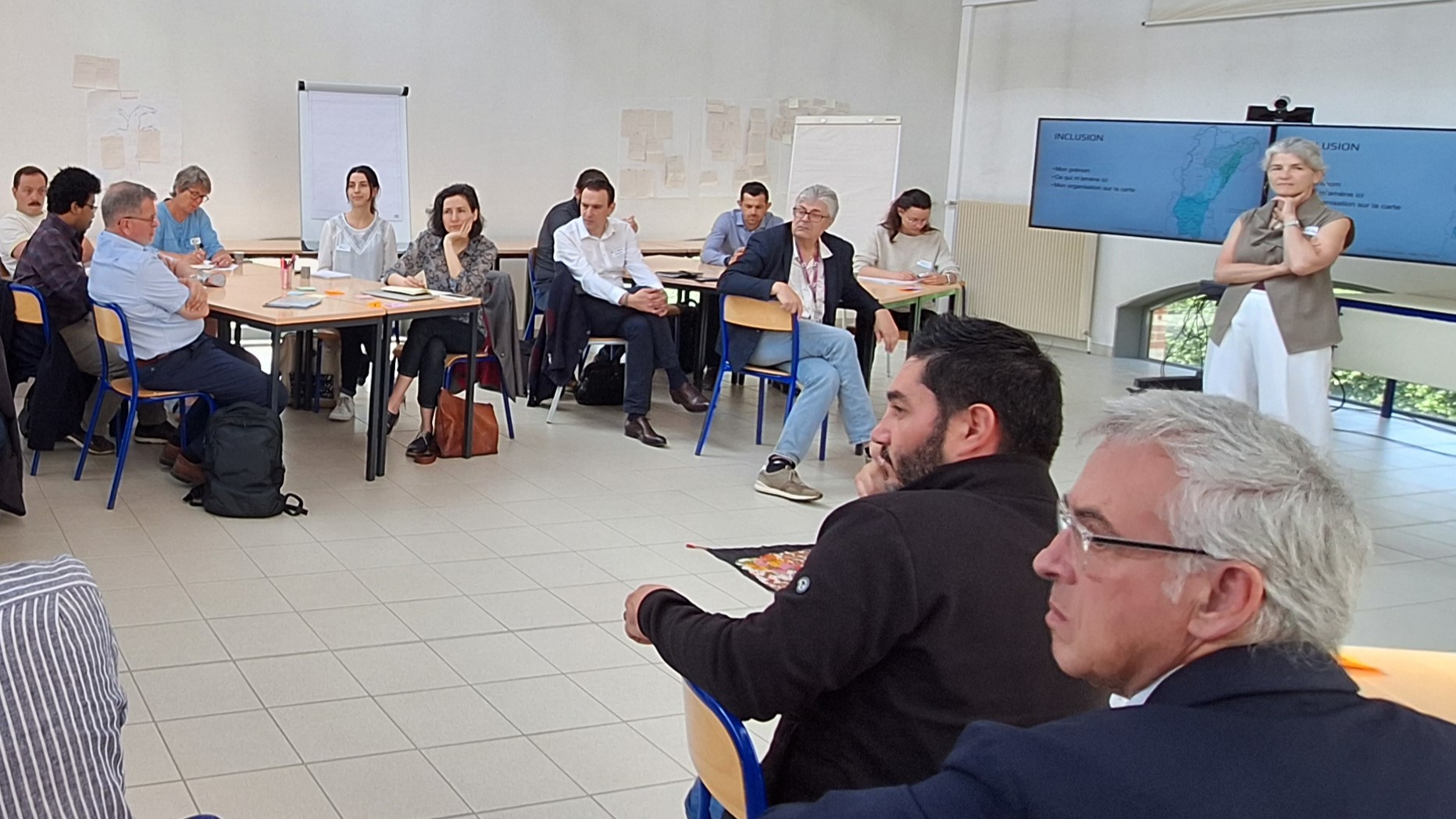
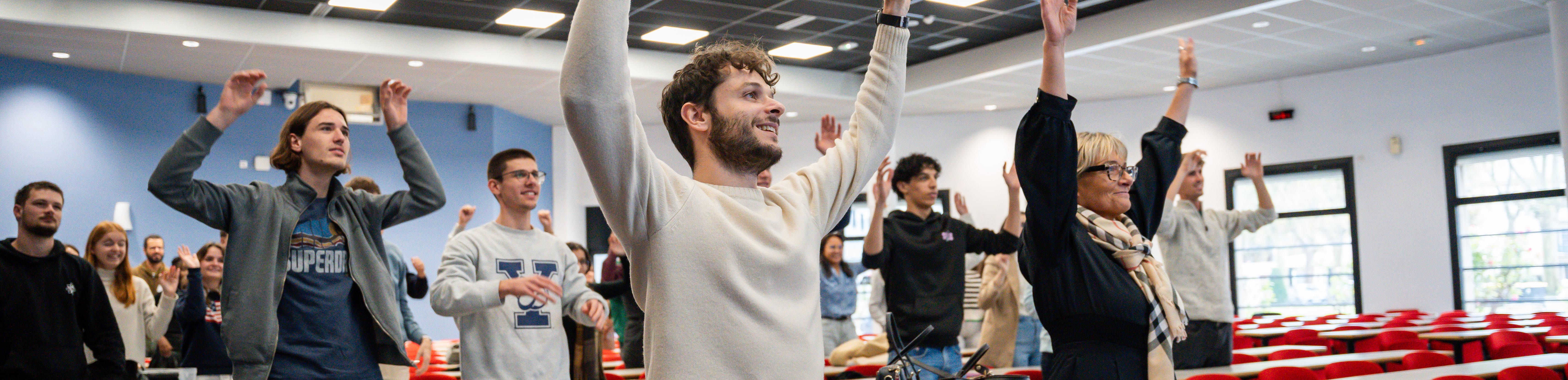
First meeting of the Grosne Watershed Territorial Cooperation Laboratory: an initial step toward sharing perspectives and exploring common avenues

First meeting of the Grosne Watershed Territorial Cooperation Laboratory: an initial step toward sharing perspectives and exploring common avenues
RéCLasSIF ( Network of Campuses Labeled Solutions for the Industry of the Future) aims to be the leading academic player in supporting and progressively transforming French industry in the face of environmental, societal, and digital challenges.
Supported by Arts et Métiers the Institut Mines-Télécom schools under the aegis of the Strategic Committee of the "Solutions for the Industry of the Future" sector, the RéCLasSIF project is a strategic initiative that aims to accelerate industrial transformation in France. It is funded to the tune of €14.7 million by the ANR's France 2030 program (calls for projects "Action Solutions for the Industry of the Future").
Launched in September 2024 for a period of five years, RéCLasSIF aims to be the leading academic player in supporting French industry in addressing environmental, societal, and digital challenges. It draws on a network of several campuses and an initial portfolio of 29 research projects spread across the country, as well as a shared services platform and the creation of a Solutions Industrie du Futur (Industry of the Future Solutions) label.
To establish itself as a leader in the industry of the future, France must be able to provide its companies with solutions that enable them to transform themselves. This relies on new technological solutions and new services that will be added to existing industrial infrastructure. RéCLasSIF responds to this major challenge through training, research, and innovation.
Arts et Métiers the Institut Mines Télécom schools already have a network of industrial-level technology platforms that cover France thanks to several campuses. Each campus offers solutions and training programs tailored to the needs of businesses and demonstrated on these platforms. RéCLasSIF offers:
Each campus will therefore play a key role in its region and its industrial sectors, while also forming part of a national strategy to disseminate and promote solutions for the industry of the future.
RéCLasSIF is rolling out an initial portfolio of 29 technological innovation projects. These projects are structured around four strategic areas reflecting the four major competitive drivers linked to the transformations identified by the SIF sector:
Over the five years of the project, RéCLasSIF, in collaboration with the Carnot Institutes, ARTS, M.I.N.E.S, and Télécom & Société numérique:
IMT Scientific Director: Laurence Le Coq
Arts et Métiers Scientific Director: Ivan Iordanoff
Project Manager: Fanny Lachat
Project manager: Fanny Lachat
Communications manager: Emilie Dedieu
LinkedIn page: @RéClasSIF
This project was funded in whole or in part by the Future Investment Program under the RéCLasSIF ANR-23-INDF-0006 project.
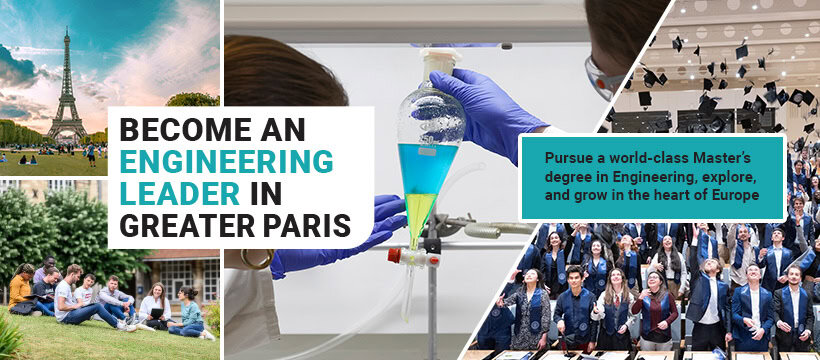
ParisTech launches its 2025 campaign for its international engineering recruitment program!
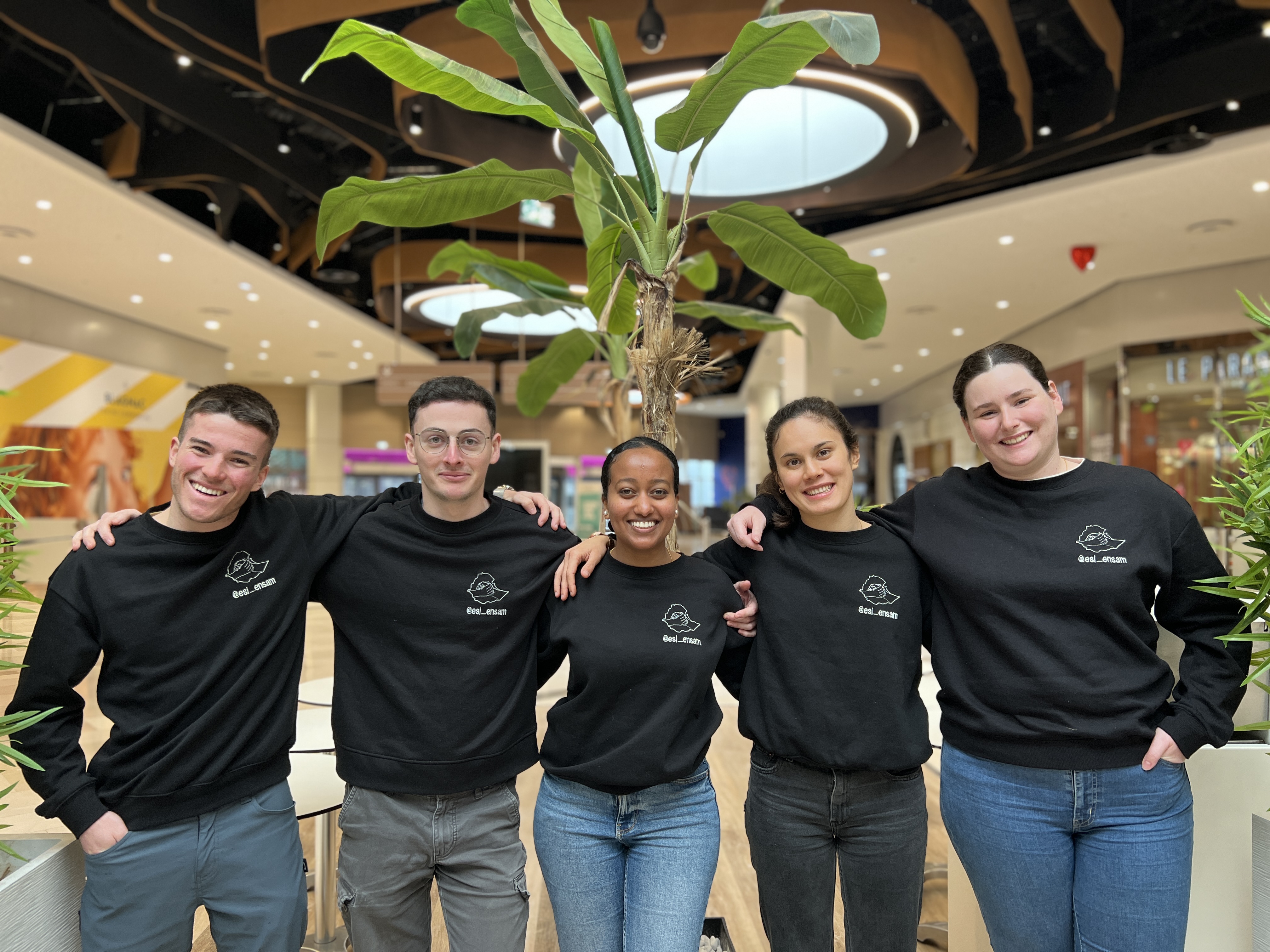
As part of their training at the Arts et Métiers campus Arts et Métiers Bordeaux-Talence, five engineering apprentices carried out an international solidarity project in Ethiopia. Through the association they founded, Ethiopie Solidarité Internationale, they set up a humanitarian mission in partnership with a local NGO. The initiative proved to be a valuable learning experience, both on a personal and professional level.
Since Pépite Pays de la Loire was founded in 2014, around 20 students from the Arts et Métiers campus Arts et Métiers have received support, including three projects led by seven students this year. This fruitful partnership enables students to develop their skills, adopt an entrepreneurial mindset, and gain a better understanding of how a business works.