The NAASC and the BallooNAASC project: an immersion in aerospace
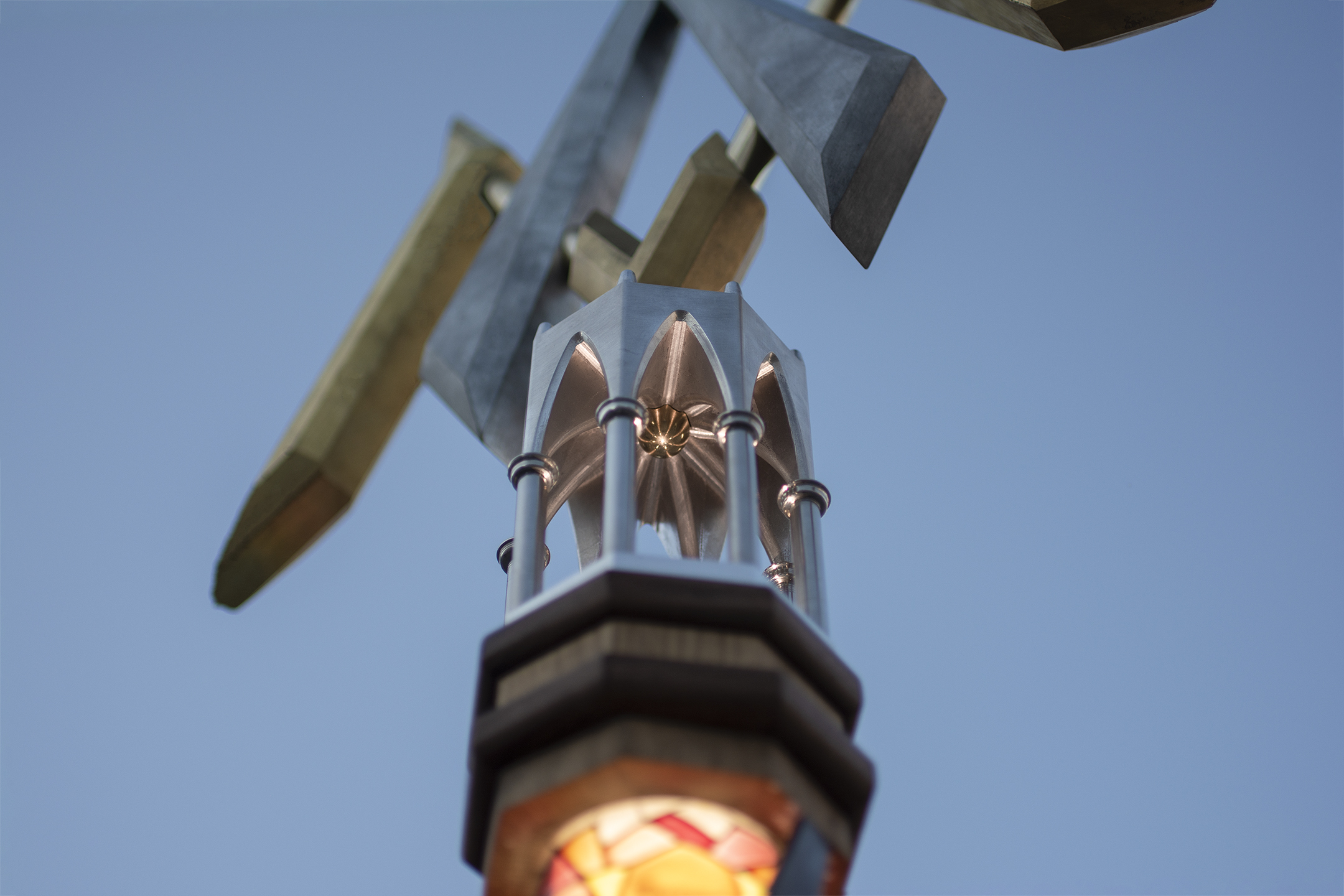
The BallooNAASC project by NAASC (Nouvelle-Aquitaine Academic Space Center), a stratospheric balloon designed and developed by Arts et Métiers engineering students, Arts et Métiers launched on April 9, 2025. This scientific and technological project highlights the students' skills and the dynamic environment in which they operate, particularly in the aerospace sector.
UTOPII: a new research support unit!
Arts et Métiers alongside five academic partners to develop a new approach to engineering research that is more environmentally friendly.
Passion Moto, when enthusiasm and commitment go far beyond gender issues
"I'm Clara, a motorcycle racer. I was runner-up in the French Women's Cup in 2023! In 2024, I took a break from competition because I was preparing for exams, but now I'm back in the game!
I'm Arthur, a motorcycle racer, and my goal is to compete in the 24 Hours of Le Mans one day."
That says it all! Immerse yourself in Clara and Arthur's extraordinary journey!
They share their beginnings, their greatest successes, the essential qualities to develop, and prove that passion and commitment go far beyond gender issues.
An internship abroad for Bachelor of Technology students
For their first internship, three first-year students in the Bachelor of Technology program at the Châlons-en-Champagne campus chose to go international.
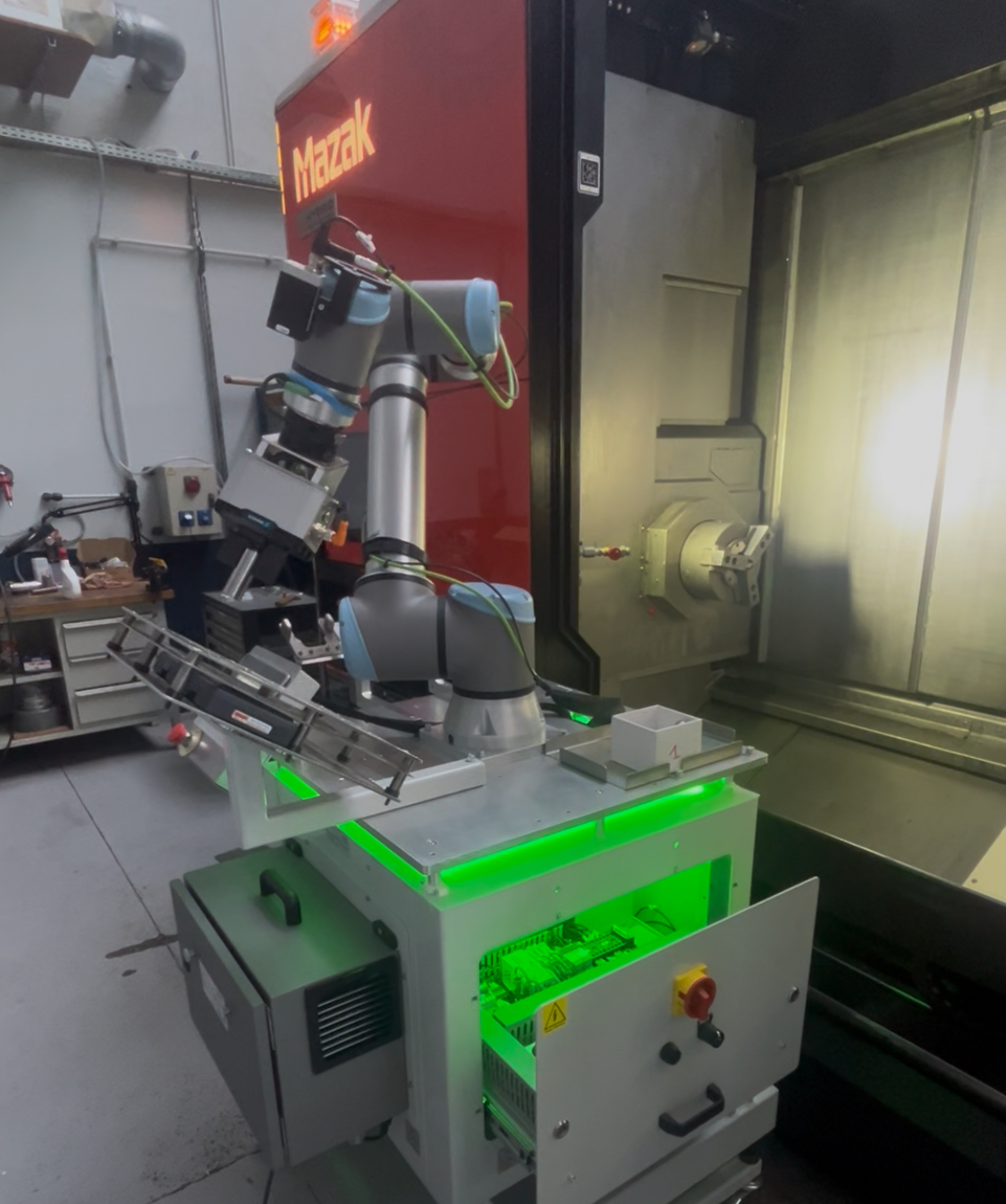
Improving industrial performance through data exploitation
The use of data collected from production systems is a low-cost way for manufacturers to improve performance. It is a tool that Arts et Métiers experts Arts et Métiers artificial intelligence know how to use effectively thanks to their real-world knowledge of production systems.
3A Expertise - "Sustainable Engineering and Responsible Innovation for Regional Transition" Program
General engineer, student program or professional training contract, third-year expertise in sustainable engineering and responsible innovation for regional transition
CAMPUS
Arts et Métiers Campus Arts et Métiers Paris
OBJECTIVES
The program emphasizes a transformative experience, using an interdisciplinary approach. This approach to territorial issues involves integrating knowledge and methods from different disciplinary fields (engineering, sustainability, digital technology, humanities, and social sciences) to address the socio-ecological challenges facing our societies. Through this expertise, learners develop a critical and holistic mindset to adapt and propose innovative solutions as a team.
During the year, students will:
- Interpreting technological tools, digital sciences, and environmental engineering to better analyze, anticipate, model, and manage industrial and territorial transformations.
- Design innovative and sustainable solutions that promote socio-economic impact assessment, infrastructure resilience, and regional sustainability in the face of environmental and social challenges.
- Leverage change management theories, as well as knowledge and methods from various disciplines, to develop structured responses to the challenges facing our societies.
- Improve decision-making through responsible digital tools, leveraging frugal immersion and visualization technologies and digital twins.
Program
Module 1: Sustainable solutions in territories: systemic and forward-looking methodologies – 45 hours
- Understanding how to approach challenges in their context in a holistic and interdisciplinary manner
- Integrate the identified challenges into the responsible technological transformation strategy
- Implementing a responsible engineering approach
- Sustainable innovation
Module 2: Co-development of digital tools in response to the needs of socio-economic actors in the region – 45 hours
- Understanding key digital tools to support the transformation of socio-economic actors and territories for sustainable innovation.
- Exploration of different approaches to innovation to address local socio-economic challenges, based on digital tools.
- Case studies on integrating digital twins to drive transformation.
Module 3: Virtual prototyping for decision-making – 30 hours
- Introduction to virtual prototyping tools and techniques and best practices
- Associating immersive technologies with their applications, benefits, and risks
- Practical studies on the integration of virtual prototypes into decision-making processes.
Module 4: Interdisciplinary management and mobilization of stakeholder networks – 30 hours
- Interdisciplinary project management
- Interpersonal relationships and communication
- Change management strategy
Key scientific and educational leaders in the field
Tatiana REYES, Lou GRIMAL, Sylvain FLEURY, Jean-Rémy CHARDONET, Beatriz MOYA, Sandra COLOGNE, and guest speakers from industry and academia (Sciences Po, INSA, Agrosup, IMT).
Assessment methods
- 1 test for each module.
- Report or summary of an ecological and technological transformation project. The required deliverables are:
- A report
- An oral defense
Final grade: 20% tests + 80% project (= 60% report + 20% presentation)
Targeted skills
- Identify socio-ecological and technological issues in all their complexity and implement a forward-looking approach to develop interdisciplinary, systemic, and responsible methods and strategies.
- Adapt engineering techniques to design transformation strategies using digital tools.
- Mobilize a network of stakeholders and implement a forward-looking approach to accelerate socio-environmental transformation.
Fields of application
- Innovation and technological progress
- Ecological transition and sustainable development
- Economic development and responsible management
Target sectors
- Sustainable development and energy transition
- Strategy and transformation consulting
- R&D in sustainable digital transformation engineering
- Public/private institutions
These skills enable intervention in sectors where technological innovation must respond to complex social and environmental challenges, in areas as varied as industry, agriculture, health, energy, mobility, and sustainable finance.
Targeted jobs
These skills are suited to roles in the management of complex projects combining technology, ecology, and society in rapidly evolving sectors.
- Head of Social and Environmental Transformation
- Sustainable development and digital innovation consultant
- Responsible Engineering Project Manager
- Digital Strategy and Sustainable Development Engineer
Practical information
- Required level: Graduate
- Course language: French and English
- Expertise in professional contracts, work-study arrangements
- Period: Spring (Second semester-S10). Internship after the teaching period.
- Number of hours: 150 hours
- ECTS credits: 13
Administrative Manager / Contact Person
- Beatriz MOYA
- Sandra COLOGNE