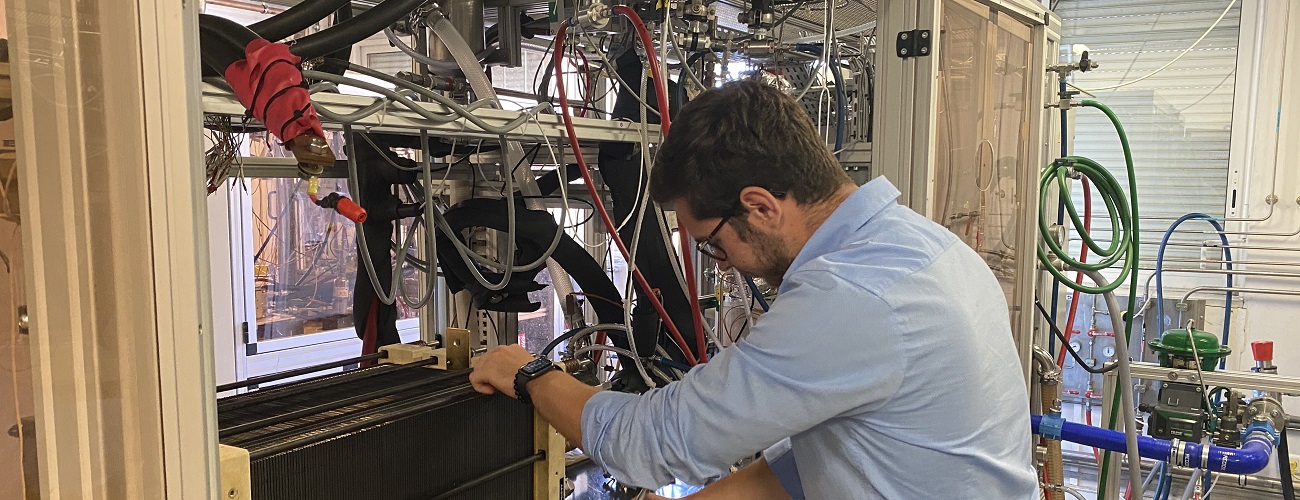
Signing a professional training contract allows students to gain their first paid work experience while continuing their studies. Some third-year specializations in the Grande Ecole Engineering Programme are thus offered through professional training contracts.
The benefits and promising career prospects explained by those most directly involved: the student, the company, and the school.
An Interview with Thomas Grosjean, Who Is Completing His Engineering Degree Grande Ecole Engineering Programme under a work-study contract.
Why did you choose to specialize in professional training contracts in your third year?
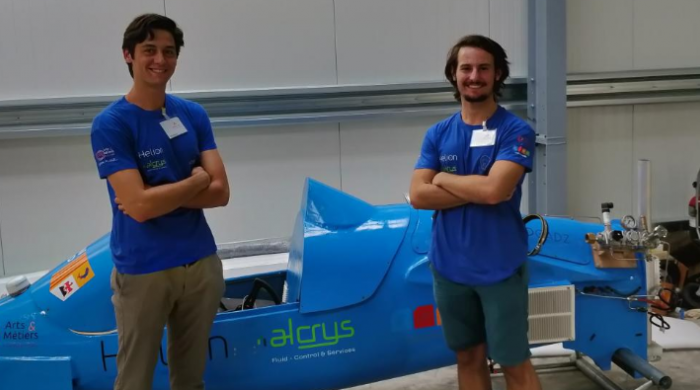
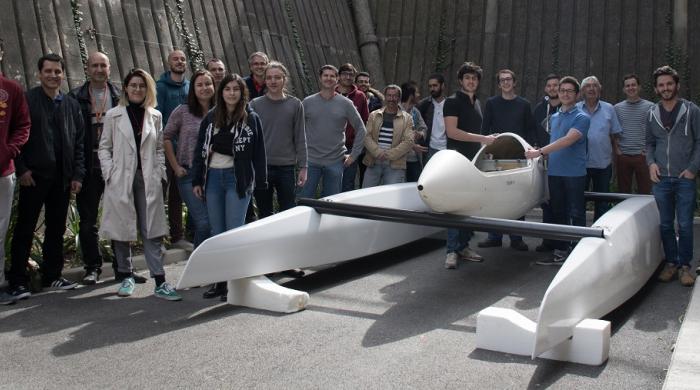
I chose expertise New Energies for Sustainable Development (FINRJ) because it is the only program that offers a comprehensive overview of the energy systems of the future. This approach was in line with the work we started when I was in my second year, which is still ongoing with the Hydrogadz project (a student project aimed at designing a hydrogen-powered boat integrated into the educational curriculum, of which I am the co-founder).
This expertise was only available to me through a professional training contract, which was not my first choice. But today, I can say that it was a very good choice.
How does the company that hosts you contribute to your training?
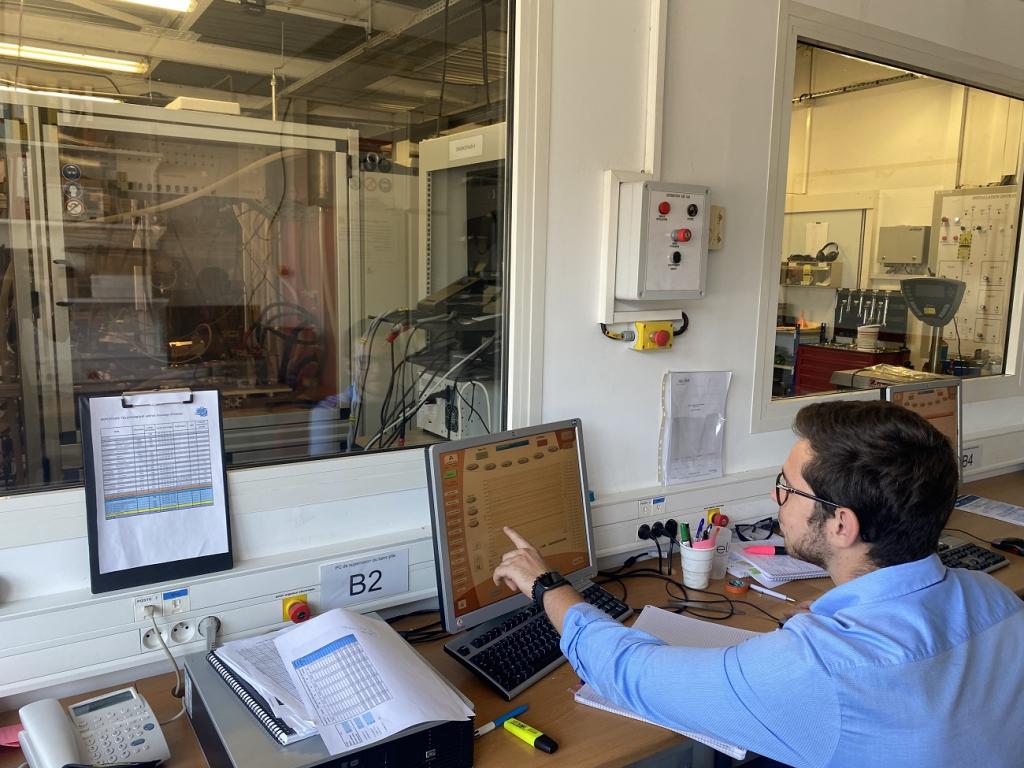
I signed an employment contract with Helion Hydrogen Power, an Aix-based subsidiary of Areva that manufactures and integrates hydrogen fuel cells. The field of activity is perfectly in line with the subjects covered during the semester of study. So I was able to both expand my knowledge at school and increase my curiosity within the company.
The theoretical concepts studied in class are directly applied in the company. This work-study program allows me to get a foot in the door of the working world and encounter real-world issues.
What are the strengths of this professional training program?
This course allows students to broaden their knowledge and critical thinking skills with regard to new technologies and their applications. Numerous speakers (academics, business leaders, engineers, etc.) come to present the energy solutions of today and tomorrow, offering a wide range of perspectives.
The work-study program during the first semester allows students to familiarize themselves with the company and be fully operational from the start of their end-of-studies internship. It is also clear that the training is an asset for hiring. Most companies are inclined to offer a job upon graduation. If this is not the case, the experience gained during this year is valuable for a first job.
The duration of the contract allows for project follow-ups throughout the year and therefore enables work on larger-scale tasks.
What are your responsibilities and the projects you are involved in?
There are many of them, and they have evolved over the course of the year.
From the start of my contract, I took over as project manager for Hydrogadz, with Helion as the main partner and supplier of the hydrogen fuel cell. My role is to improve the system architecture.
Then, during the year, I joined the electrical engineering department to develop control systems. I was also tasked with preparing bids for control systems and power conversion in order to develop hybrid electrical architectures.
What are your career prospects?
First, I will pursue a specialized master's degree in project management at ENSTA Bretagne. After completing this program, I would like to work in the maritime sector, specializing in energy. I may return to Helion as a project manager/systems architect to continue my current activities.
Any advice for students?
Don't hesitate to choose this type of training. For those who are starting to get a little tired of the school routine, it's a great opportunity. Plus, don't forget that you'll be paid throughout the year. The transition between the world of work and school will be gradual.
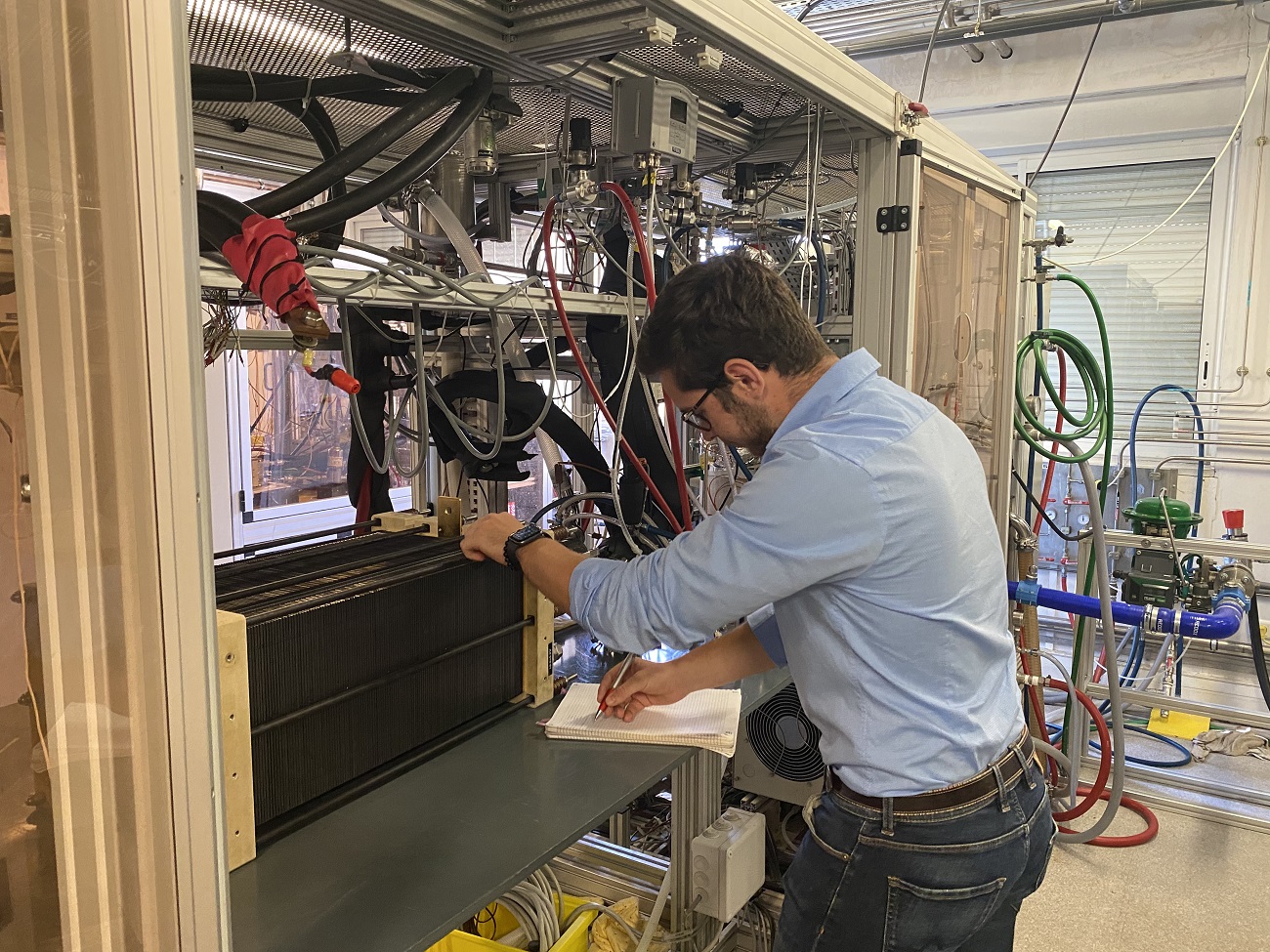
The company is at the heart of the teaching process. Work placements are integrated into a pedagogical approach that focuses on putting knowledge into practice. These special links with industry players are also a key factor in successful integration into the workplace.
A three-way discussion with Camille Favarel, FINRJ expertise manager, Benoit Vesy, director of Helion Hydrogen Power, and Marjorie Antoine, corporate relations manager at the Arts et Métiers campus Arts et Métiers .
What are the benefits for students?
Camille Favarel: The renewable energy sector is booming. This is currently reflected in a significant number of project manager and design engineer positions in this field. The solid technical background provided by Arts et Métiers training Arts et Métiers the broad perspective offered by the expertise taught, makes graduates highly sought after.
The professional training contract is a real opportunity for our students. It allows for even greater immersion in the business world and a smoother transition into the world of work thanks to a gradual work-study rhythm throughout the year.
What are the benefits for a company in hiring an Arts et Métiers student Arts et Métiers a professional training contract?
Benoît Vesy: Young Arts et Métiers engineers Arts et Métiers perfectly Arts et Métiers to our needs thanks to their multidisciplinary training. What's more, they are independent and proactive, as we regularly see in our partnership with Hydrogadz.
The professional training contract therefore allows us to take on young employees who are already well trained initially and to support them in learning the specifics of our business.
For our company, which operates in an innovative and evolving environment, it is also a way to maintain and increase a high level of skill and dynamism.
For the company, this is an opportunity to train a future engineer in its specific fields and then recruit them, adds Camille Favarel.
How does the campus support students who sign up for a professional training contract in their third year?
Marjorie Antoine: Thanks to the expertise of the Corporate Relations Office and the many links we have forged with our partners, we are implementing measures to guide students toward accessing professional training contracts. Personalized support is offered to each candidate. This support focuses on the methodology of searching for companies in order to inform and train them in job search techniques (formalizing their career plans, helping them target companies, setting up a monitoring methodology, projecting themselves into a professional situation, etc.).
We also provide support to companies with the administrative and legal aspects of professional training contracts, adds Lamia Errera, Head of the campus training administration department.