The energy mix is one of the most frequently cited concepts whenever the topics of energy transition, decarbonization, or industrial sovereignty come up. But what exactly does this term mean? What makes up the energy mix of a country like France, and why does it vary so much from one region of the world to another? This article provides a comprehensive definition of the energy mix, details its composition on a global and French scale based on the most recent data, and explores the major economic, technological, and social challenges it poses for businesses and regions. In this article, you’ll see how engineering programs help students develop the skills needed for this transformation.
What Is the Energy Mix? The Complete Definition
The energy mix refers to the breakdown of the various primary energy sources ( oil, natural gas, coal, nuclear energy, renewable energy) used to meet the energy consumption needs of a country, region, or organization. The term “energy mix” is also used to refer to this same combination of energy sources. The energy mix is not limited to electricity: it encompasses all forms of energy used, whether for heat generation, transportation fuels, or electricity generation.
In practice, the energy mix is generally analyzed at two levels. The primary energy mix, or primary energy consumption, refers to the breakdown of energy sources before any conversion takes place: crude oil, natural gas, coal, uranium, and renewable resources. It serves as the benchmark for comparing countries and tracking their dependence on energy imports. The final energy mix, or final energy consumption, describes the breakdown of the energy actually consumed by users—in the form of electricity, heat, or fuels—once the primary energy has been converted and delivered to the points of consumption. This distinction between primary energy and final energy is essential for understanding why a country may have very low-carbon electricity generation while still being heavily dependent on fossil fuels in its final energy consumption for transportation or industry.
For example, a country’s final energy consumption is generally broken down into electricity, gas used for heating, petroleum products used in transportation, and, to an increasing extent, renewable heat. It is this final energy consumption—rather than electricity generation alone—that determines the actual level of an economy’s dependence on fossil fuels.
Understanding the Concept of the Energy Mix
The term “energy mix” emphasizes the idea of diversifying energy sources: no country relies on a single energy source. Each energy mix is the result of a trade-off between several primary energy sources, based on available resources, technological choices, and economic priorities. A balanced energy mix helps reduce dependence on a single energy source, ensures a secure supply, and limits exposure to fluctuations in fossil fuel prices.
Historically, the composition of the energy mix has undergone a continuous shift in dominant sources: the coal era preceded that of oil, which was in turn followed by the rise of natural gas, nuclear energy, and then renewable energy. This evolution continues today as a result of climate policies and the energy transition, which aims to gradually reduce the share of fossil fuels in favor of low-carbon energy sources. It is generally considered that, on a global scale, the energy mix consists of six major categories of sources: oil, natural gas, coal, nuclear power, hydropower, and other renewable energy sources (solar, wind, biomass, and geothermal).
What is the difference between an energy mix and an electricity mix?
The energy mix and the electricity mix are two concepts that are often confused, even though they do not measure the same thing. The electricity mix refers solely to the breakdown of energy sources used to generate electricity: nuclear, hydroelectric, wind, solar, natural gas, coal, and fuel oil. The energy mix, on the other hand, encompasses all uses of energy: electricity, as well as heat and fuels used in transportation, heating, and industry.
This difference is particularly telling for France: the French electricity mix is largely decarbonized thanks to nuclear and hydroelectric power, with very low carbon intensity. However, the country’s overall energy mix remains characterized by a significant dependence on imported fossil fuels, particularly for natural gas heating and petroleum-based fuels used in transportation. Understanding this distinction between the energy mix and the electricity mix is essential for any company that wishes to assess its own energy dependence or develop a coherent decarbonization strategy.
What makes up the global energy mix?
Globally, the energy mix remains overwhelmingly based on fossil fuels. According to data from the International Energy Agency, fossil fuels still account for about 80% of global primary energy consumption, compared with about 14 to 15% for renewable energy and about 4 to 5% for nuclear energy. This figure is declining very gradually despite the rapid growth of renewable energy. Oil, natural gas, and coal continue to dominate global primary energy consumption, while nuclear power and renewables are playing an increasingly important role, particularly in electricity generation, where their combined share has reached a record high.
Energy source | Share of the global energy mix (primary energy) | Share of the French electricity mix |
Oil | ≈ 29–30% | virtually zero (excluding transportation) |
Natural gas | ≈ 23–24% | ≈ 3 % |
Coal | ≈ 25–26% | <1% |
Nuclear Energy | ≈ 4–5% | ≈ 65–67% |
Hydraulics | ≈ 6–7% | ≈ 13–14% |
Wind, solar, biomass, geothermal | ≈ 8–9% | ≈ 13–15% |
Fossil Fuels: A Long-Standing Dependence That Remains Strong
Oil remains one of the world’s leading sources of primary energy, even though its share is gradually declining: it has now fallen below the 30% mark, compared with nearly 46% fifty years ago. It nevertheless remains the dominant resource for transportation, in the absence of alternatives deployed on such a large scale. Coal, for its part, continues to play a significant role in global electricity generation, particularly in China and the rest of Asia, where energy demand continues to grow strongly, driven by industrialization and the electrification of various uses. Natural gas, often touted as a “transition” fossil fuel due to its lower greenhouse gas emissions compared to coal, has seen the strongest growth among fossil fuels in recent years.
This dependence on fossil fuels stems from the maturity of existing infrastructure, its availability, and its often competitive cost in the short term. Nevertheless, it is the main obstacle to decarbonization, as the combustion of oil, natural gas, and coal remains the primary source of greenhouse gas emissions driving climate change—and thus the global warming observed worldwide.
Renewable Energy and Nuclear Power: Drivers of Decarbonization
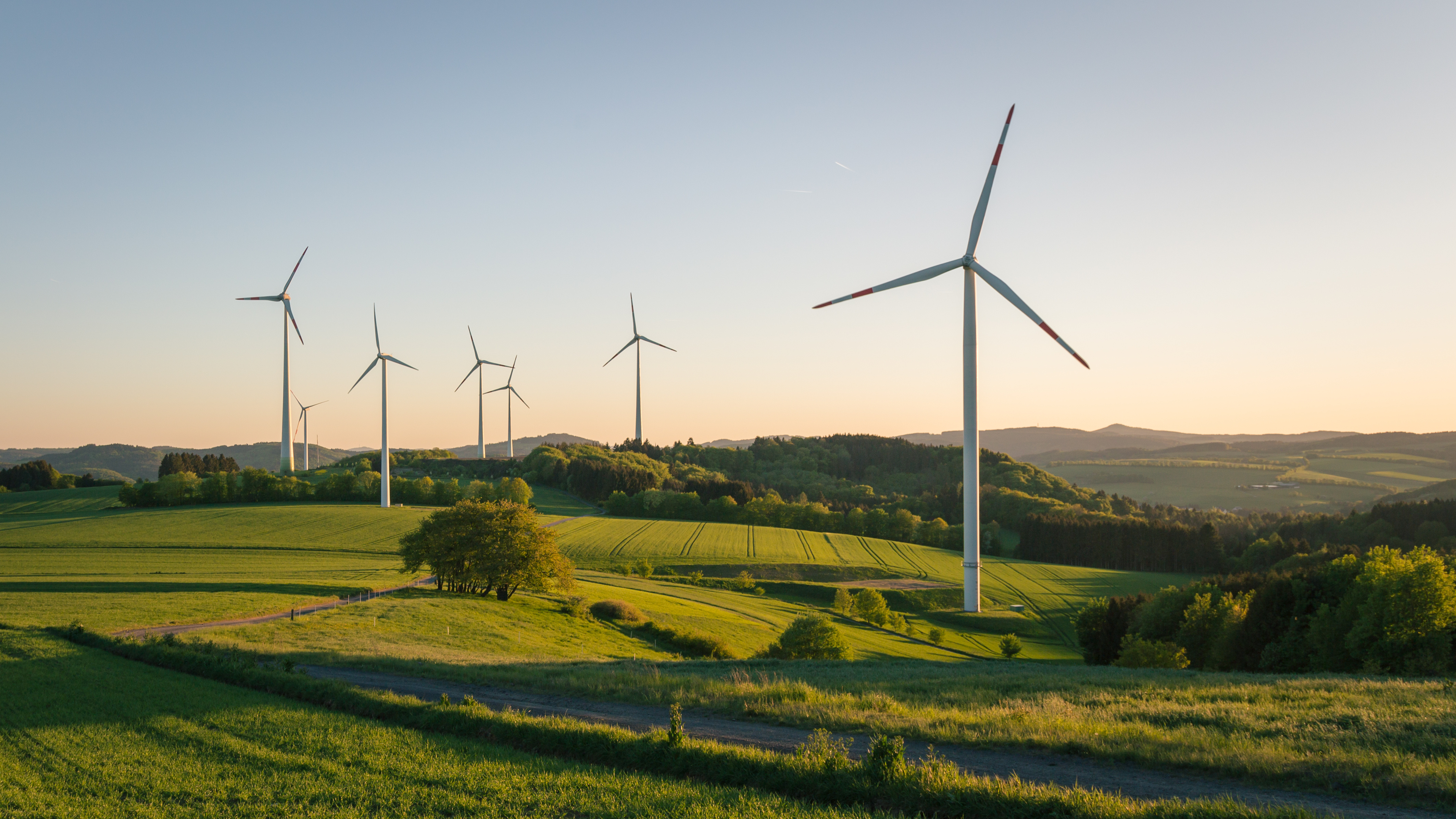
Renewable energy and nuclear power are now the two main drivers of decarbonization in the global energy mix. Their combined share of global electricity generation has reached a record high, driven by very rapid growth in wind and solar power, whose output has surged in recent years at a rate far exceeding that of total energy demand. In several regions of the world, including the European Union, combined wind and solar generation has now surpassed that of coal and natural gas combined—a strong signal of the gradual shift in the European electricity mix toward renewables.
Nuclear energy, for its part, remains a controllable, low-carbon energy source capable of providing stable power generation that complements intermittent renewable energy sources. While its development remains concentrated in a limited number of countries with the necessary technological and industrial expertise—foremost among them France, the United States, and China—several countries are now turning to new reactors to secure their electricity supply while reducing their greenhouse gas emissions.
The major components of renewable energy: solar and wind
Solar photovoltaics and wind power are the two fastest-growing renewable energy sectors worldwide. Their production costs have fallen sharply over the past decade, enabling their widespread deployment, even in countries with limited fossil fuel resources. Wind power—whether onshore or offshore—and solar power offer the advantage of great modularity: they can be installed on a wide range of scales, from residential rooftops to large industrial parks. Their main limitation remains the intermittent nature of electricity generation, which requires the parallel development of flexibility and energy storage solutions to ensure the stability of the power grid.
The Contribution of Hydropower, Biomass, and Geothermal Energy
Globally, hydropower remains the leading source of renewable electricity, thanks to facilities that are often long-established and a controllable output that is highly valued for balancing the power grid. Biomass—which includes the use of wood, organic waste, and biofuels for energy—contributes to both heat and electricity generation. Geothermal energy, still a niche source in many countries, offers significant potential for renewable heat generation and, in certain areas with high geological potential, for electricity generation. Together, these three sectors—hydropower, biomass, and geothermal energy—usefully complement solar and wind power in building a diversified renewable energy mix.
France's Energy Mix: A Unique Industrial Profile
France’s energy mix differs significantly from the global average due to the central role played by nuclear power. While most countries rely heavily on fossil fuels to generate electricity, France has a largely decarbonized power generation fleet, yet it remains dependent on fossil fuel imports for a significant portion of its final energy consumption, particularly in transportation and heating. According to figures published by the Data and Statistical Studies Service of the Ministry of Energy Transition, fossil fuels still account for about 60% of the country’s final energy consumption.
The Central Role of Nuclear Energy in French Power Generation
Nuclear power accounts for about two-thirds of electricity generation—a level unmatched among the world’s major economies. This industrial choice, adopted as early as the 1970s in the wake of the oil crises, has enabled France to develop one of the world’s lowest-carbon electricity mixes, with a carbon intensity in electricity generation far lower than that of its European neighbors. Hydropower complements this low-carbon foundation as the country’s second-largest source of electricity generation, followed by wind, solar, and natural gas, while coal now accounts for only a residual share of the national electricity mix.
This structure gives France a competitive advantage in the electrification of end uses, as having an electricity supply that is already largely decarbonized serves as a strategic lever for electrifying end uses that still rely on fossil fuels—whether in vehicles, heating, or certain industrial processes. However, the country still faces an overall energy mix characterized by a high dependence on imported fossil fuels, which continue to account for a large share of the country’s final energy consumption and weigh heavily on its energy import bill.
The Development and Integration of Sustainable Energy Sources in France
France’s energy mix is evolving rapidly, driven bythe growth of renewable energy. The wind and solar photovoltaic sectors have seen their installed capacity grow significantly in recent years, while hydropower, a longer-established source, remains a stable and controllable component of the national electricity mix. Integrating these new energy sources poses significant technical challenges for the power grid, particularly in terms of flexibility, storage, and adapting demand to more intermittent generation.
This trend is accompanied by a gradual diversification of energy uses: the development of renewable heat, the growth of district heating networks, and the increasing use of biofuels in transportation. Taken together, these developments are helping to gradually reduce the share of fossil fuels in France’s energy mix, without, however, calling into question the central role of nuclear power, which remains the cornerstone of the country’s efforts to decarbonize its electricity sector for decades to come.
Why do energy mixes vary from country to country?
No two countries have exactly the same energy mix. This diversity stems from a combination of structural factors specific to each region: the availability of natural resources, the level of scientific and industrial maturity, and the political and regulatory choices made over the decades. A few examples suffice to illustrate this diversity: China and the United States remain heavily dependent on coal and natural gas for electricity generation; the European Union has a growing share of wind and solar power in its electricity mix; while certain Gulf countries remain almost exclusively reliant on oil and natural gas due to their abundant local resources.
The Impact of Available Natural Resources and Geography
Geography and natural resource endowment strongly influence the composition of a country’s energy mix. A country with abundant oil or natural gas reserves will naturally prioritize these resources, while a country with rugged mountainous terrain and a dense river network can develop significant hydroelectric power generation. Similarly, sunlight, wind patterns, and the availability of forest biomass directly influence the development potential of various renewable energy sources in a given region, as does the presence of exploitable geothermal deposits.
The scientific and technical level and industrial maturity
A country’s level of scientific and technical development determines its capacity for innovation and technological mastery—which are necessary to harness certain complex energy sources, starting with nuclear energy, which requires highly specialized engineering expertise and a solid industrial base. This technological mastery explains why only a limited number of countries have developed large-scale civilian nuclear programs. Similarly, the capacity for industrial innovation determines the pace of deployment of renewable energy technologies, energy storage, and energy efficiency—all areas of expertise that engineering schools are tasked with teaching to support this evolution of the energy mix.
National policy decisions and economic regulations
Public policies and regulations play a decisive role in shaping the national energy mix. Energy taxation, support mechanisms for renewable energy, environmental regulations, European directives such as the RED II Directive on renewable energy, and greenhouse gas emission reduction targets: these are all public policy tools that guide investments by energy companies and influence, over the long term, the trajectory of a country’s energy mix. Major energy policy directions, often defined at the national or European Union level, are thus part of a multi-decade outlook, given that energy production infrastructure requires heavy investment and long construction timelines.
Key Challenges for the Future Energy Mix
The composition of tomorrow’s energy mix directly determines the ability of countries and companies to address the major climate, economic, and geopolitical challenges of the coming decades. Three major strategic issues currently shape energy strategies: decarbonization in response to climate change, energy and technological sovereignty, and the economic and social impact of the transition.
Decarbonizing Industry and the Goal of Carbon Neutrality
Decarbonizing the energy mix is one of the key strategies for combating climate change, reducing greenhouse gas emissions, and achieving the carbon neutrality that many countries aim to reach by 2050. For industry, this means rethinking production processes, reducing the share of fossil fuels in thermal applications, and developing new low-carbon technologies: carbon-free hydrogen, carbon capture and storage, and the electrification of industrial processes. This transformation represents a considerable technical challenge, requiring multidisciplinary engineering expertise at the intersection of mechanical engineering, energy engineering, and materials science.
Technological sovereignty and security of supply
The composition of a country’s energy mix directly determines its level of energy sovereignty. Heavy reliance on fossil fuel imports exposes economies to fluctuations in global prices for oil, natural gas, and coal, as well as to geopolitical tensions, as recent energy crises have underscored. Diversifying the energy mix, developing domestic low-carbon energy production sectors, and mastering the key technologies of the energy transition are all strategic responses to strengthen security of supply and reduce dependence on energy imports.
The Economic and Social Impact of the Transition on Businesses
The energy transition has direct economic and social implications for businesses. It requires significant investments in new equipment, the upskilling of employees, and, over time, a transformation of the business models of entire sectors—from energy to transportation to heavy industry. For many companies, optimizing their own energy mix—by combining energy efficiency, self-consumption of renewable electricity, and renewable energy supply contracts—is becoming a key competitive issue in its own right, as well as a response to the growing demands of their customers and stakeholders regarding decarbonization and emissions reduction.
Meeting Tomorrow's Energy Challenges Through Engineering
Understanding and transforming the energy mix requires training engineers who can grasp the entire energy chain—from production to consumption, including storage and energy efficiency. This is precisely the focus of the specialized engineering programs offered by Arts et Métiers in the field of energy.
The Energy Engineering program, offered primarily at the Paris campus, trains generalist energy engineers capable of handling tasks ranging from drafting the specifications for an energy optimization study to managing energy production systems. This apprenticeship program offers two complementary tracks that directly reflect the two main pillars of the low-carbon energy mix: nuclear engineering and renewable energy.
At the Aix-en-Provence campus, the Electrical Engineering program trains engineers to integrate all modern aspects of electrical energy—renewable energy, smart grids, and electric vehicles—into the design and operation of electrical systems.
In addition to its engineering degree program, Arts et Métiers offers specialization tracks in decarbonization, such asthe 3A Expertise program “Decarbonized Materials and Energy for a Sustainable Industry,” which trains methods and process engineers capable of conducting life cycle assessments and decarbonizing industrial processes. The school also offers Specialized Master’s programs focused on energy, including the EXPPER Specialized Master’s program, dedicated to expertise in renewable energy projects and production, and the Specialized Master’s in Environment and Energy, which enable recent graduates or professionals seeking a career change to acquire in-depth expertise on the technical, economic, and regulatory challenges of the energy mix.
These programs, supported by the research laboratories ofArts et Métiers, illustrate the key role that engineering schools play in preparing the professionals who will build—sector by sector—the low-carbon energy mix of the future, whether in nuclear energy, renewable energy, or energy efficiency in buildings and industry.
FAQ: Frequently Asked Questions About the Energy Mix
What is a simple definition of the energy mix?
The energy mix refers to the breakdown of energy sources (oil, natural gas, coal, nuclear power, renewable energy) used to meet the energy consumption needs of a country or an organization, whether in the form of electricity, heat, or fuels. A distinction is made between the primary energy mix—before conversion—and the final energy mix, which corresponds to the final energy consumption that is actually used.
Why is France's energy mix unique?
France’s energy mix is characterized by the predominance of nuclear power, which accounts for about two-thirds of the country’s electricity generation. This distinctive feature, a legacy of industrial decisions made in the 1970s, gives France one of the lowest-carbon electricity mixes in the world, even though its overall energy mix remains marked by a significant dependence on imported fossil fuels, particularly for transportation and heating.
How can a company optimize its energy mix?
Optimizing a company’s energy mix involves diversifying and decarbonizing its energy supplies, reducing consumption through energy efficiency, and incorporating more renewable energy—for example, through solar self-consumption or renewable power purchase agreements. This approach helps reduce energy costs, limit exposure to the volatility of fossil fuel prices, and meet growing regulatory and commercial requirements for decarbonization.