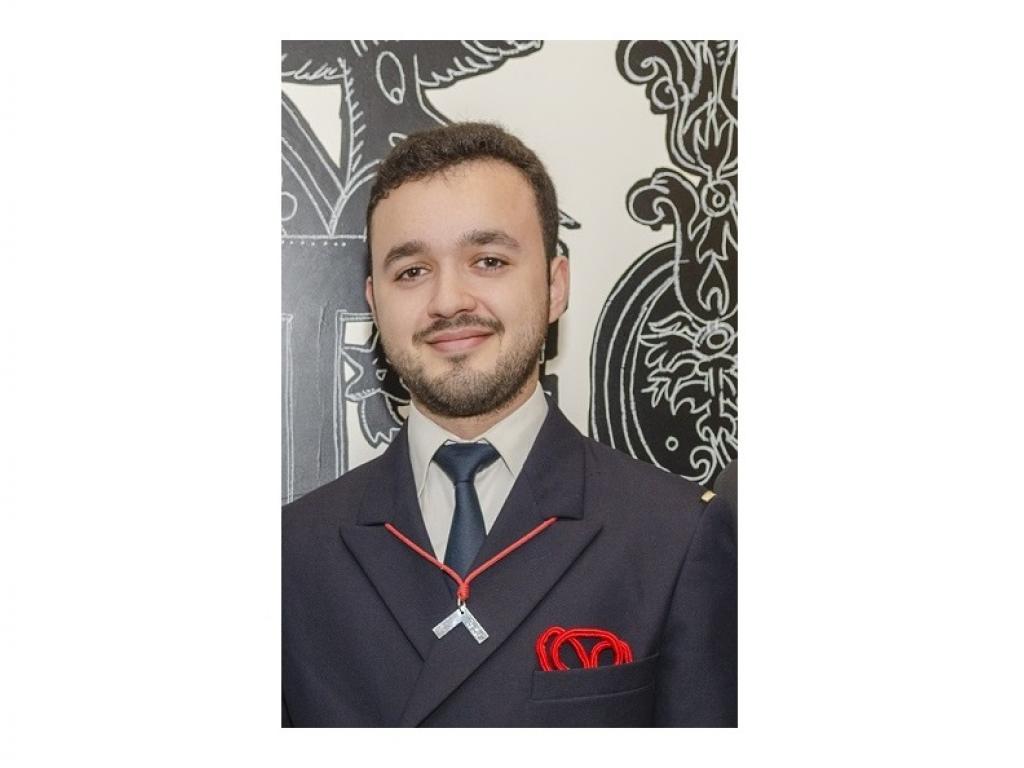
Félix Guéguen is an engineering student Arts et Métiers his third year of the Grand Ecole Program, as part of a dual degree with AgroParisTech. Passionate about biology and aeronautics, he uses his dual expertise as a biologist and engineer to work in a booming sector: biomimicry.
Can you introduce yourself?
My name is Félix Guéguen, I am 24 years old and I am currently in my final year at Arts et Métiers, on the Paris campus. I am thus completing my studies, which I have undertaken as a dual degree with AgroParisTech.
Why did you choose to pursue a dual degree from AgroParisTech and Arts et Métiers
After completing a BCPST preparatory class, I enrolled at AgroParisTech in 2016. I was passionate about biology at the time, and this school gave me the opportunity to learn more about the living world. I was also passionate about aeronautics, following in my family's footsteps: my grandfather was a fighter pilot, and my father spent his entire career at Airbus. In my second year at AgroParisTech, I discovered a way to combine these two passions through biomimicry.
To work in biomimicry, you have to combine two different fields: biology and engineering, which have completely different visions, methodologies, and tools. As I wanted to pursue a career in this sector, I decided to add skills in industrial process engineering to my training as a biologist. I discovered on theArts et Métiers websiteArts et Métiers was a dual degree program between the two schools. So I decided to go for it, and I joined the Arts et Métiers campus Arts et Métiers Bordeaux-Talence in September 2018, in the second year of the PGE program.
I wanted to tackle advanced engineering problems, similar to those found in aeronautical design offices.
What did you learn at Arts et Métiers will help you in your career?
Arts et Métiers to acquire practical engineering skills. I completed my two years of core studies at the Bordeaux-Talence campus and my final year of specialization in Paris, focusing on fluid systems simulation. I wanted to tackle advanced engineering problems, similar to those found in aeronautical design offices. I also discovered the history of the school and its engineers, and their leading role in the evolution of our society.
What is biomimicry?
It is an approach that draws inspiration from nature to innovate: exploring the ways in which living organisms adapt to their environment, and then applying these evolutionary adaptation strategies to technical problems.
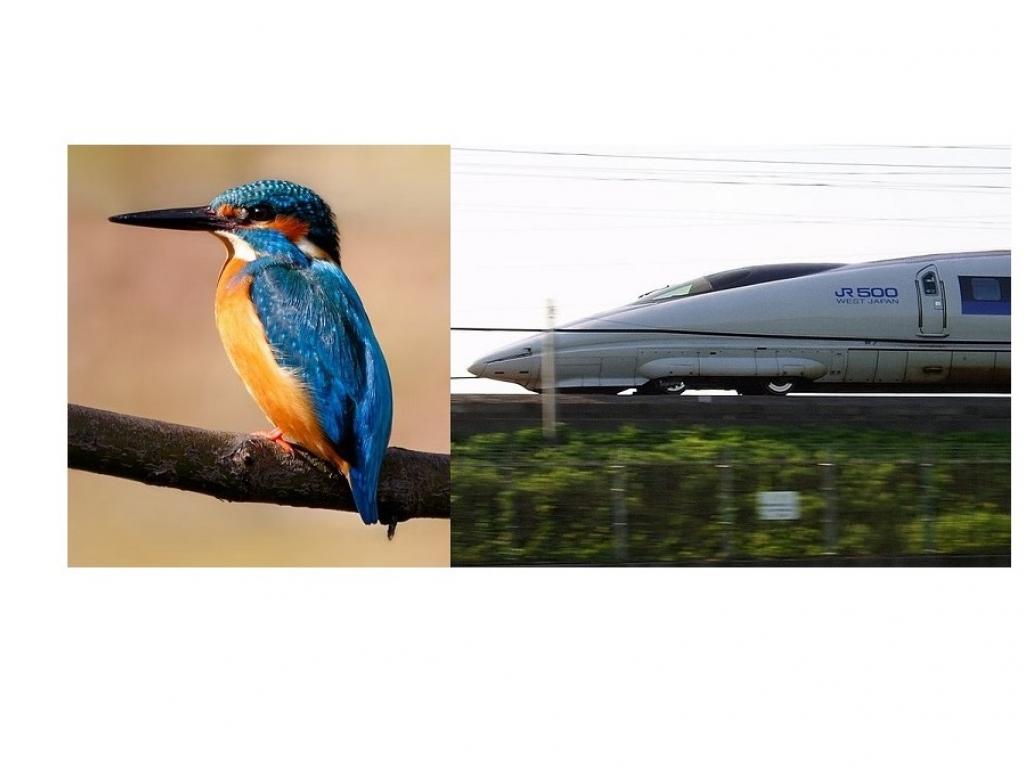
The Shinkansen (Japanese bullet train) is a very good example of the successful application of biomimicry. The nose of the train was designed with inspiration from the kingfisher. The shape of the kingfisher's beak (which sometimes flies and sometimes dives at high speed into the water) gives it very interesting aerodynamic and acoustic properties. These characteristics were transposed onto this train, which can travel at speeds of over 300 km/h.
Biomimicry is a recent discipline that is beginning to emerge in France and attract interest from industry, public authorities, and researchers. Biomimicry lies at the intersection of several scientific disciplines and can be used to address challenges in multiple sectors. This cross-disciplinary nature poses a challenge for its structuring, but it has seen strong growth in recent years.
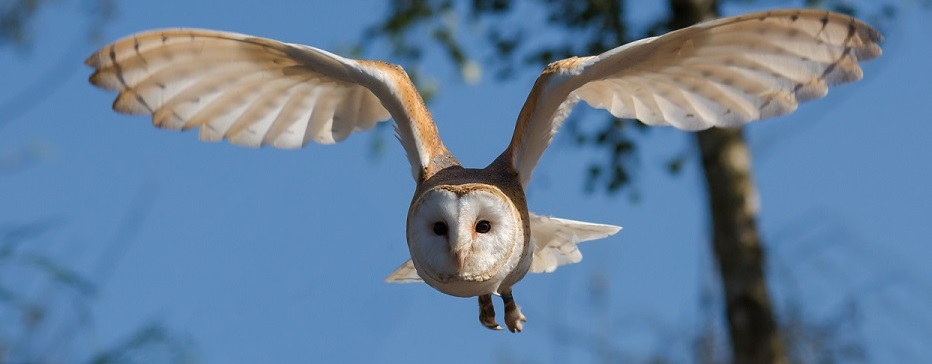
Transposing solutions derived from natural selectionare powerful levers for economic development, R&D process optimization, and innovation.
How can engineers apply the principles of biomimicry?
When engineers encounter technical problems, they can draw inspiration from the natural world, which is extremely rich in ideas. For billions of years, nature has been offering solutions for adaptation, which are then selected according to environmental constraints and evolution.
Transposing solutions derived from natural selection provides leverage for economic development, optimization of R&D processes, and innovation. What's more, nature is fundamentally sustainable. This means that the solutions developed are optimized with the environment in mind and operate in circular loops. These solutions are based on the principles of life, which are in line with the challenges of eco-responsible design, in the same way as eco-design.
The ultimate goal would therefore be for every manufacturer encountering a problem to instinctively look to the living world to see if there are any existing, ingenious solutions to these problems: this would be a great source of inspiration and a considerable time saver.
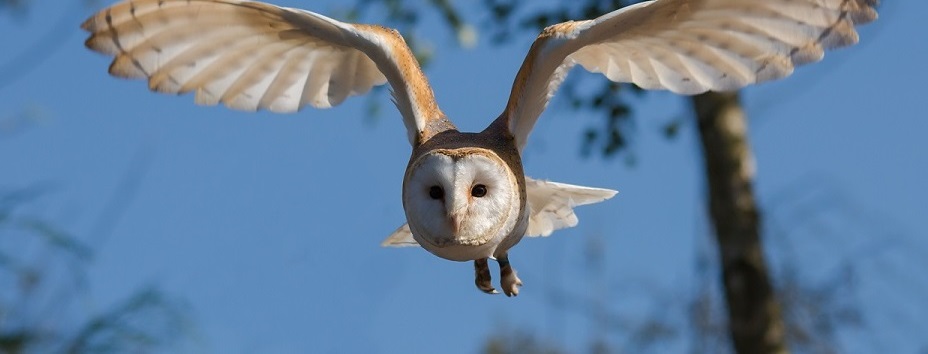
When it comes to aeronautics, let's remember that the first airplanes were designed after careful observation of nature, particularly the way birds fly!
You recently completed your internship at Myceco. What did you do there?
Myceco is a biomimicry consulting firm. During my internship, I helped write the report on the workshop organized at France Stratégie entitled " Biomimicry : What levers for development? What prospects in France?" This report is the first step in a national roadmap on biomimicry as a lever for socio-economic and environmental sustainability.
During my internship, I was able to promote biomimicry to stakeholders in the defense and security sectors. It's the perfect springboard for my career plans, as I want to work in biomimicry applied to aeronautics!