
As part of the 8th Framework Program for Research and Innovation Horizon 2020 launched by the European Commission, the consortium composed of three partners (Nexteam Group, Conseil et Technique, Arts et Métiers its commercialization subsidiary AMValor) responded in 2018 to the call for projects Clean Sky 2project call. The proposed themes were related to the challenges faced by the aeronautics industry in reducing CO2, gas, and noise emissions from aircraft through innovative and cutting-edge technology.
The STEADIEST project
The STEADIEST (Supercritical composiTE mAin DrIvE SysTem) project addresses an issue raised by the manufacturer Leonardo, which initiated the research topic.
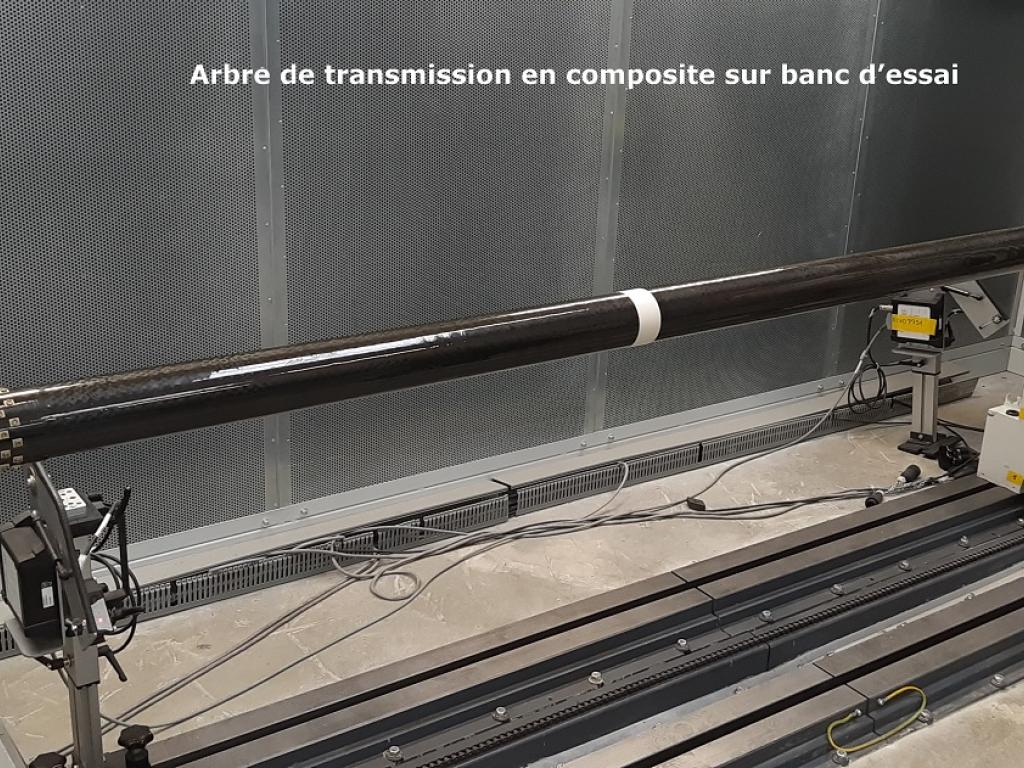
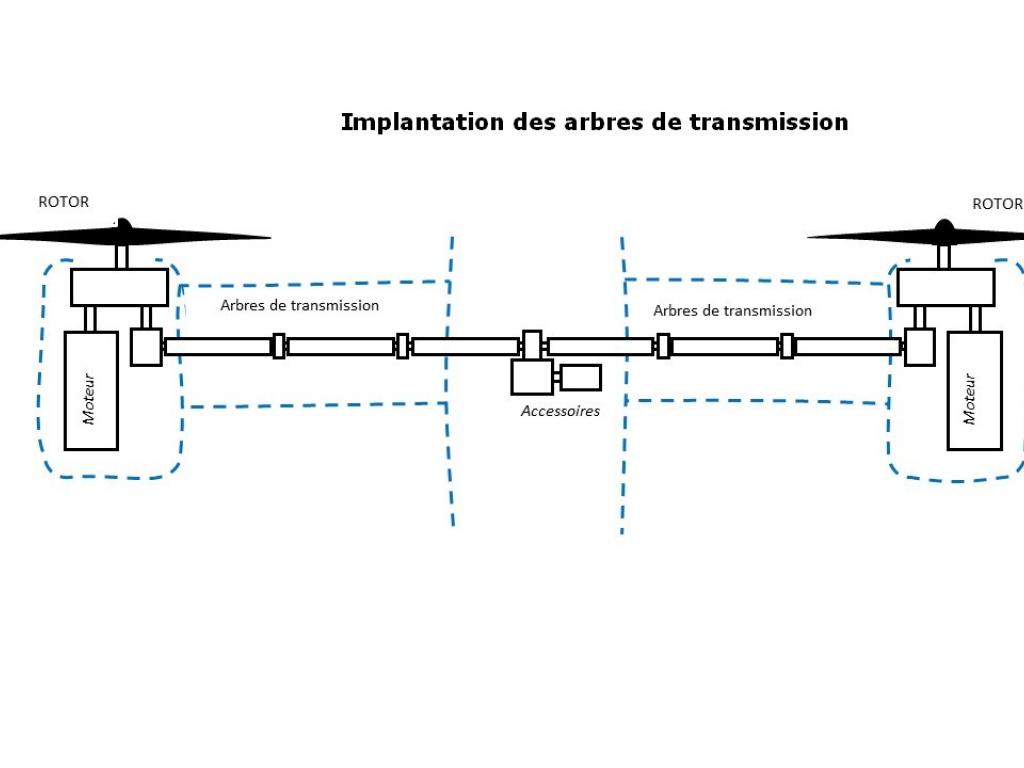
It will enable the development and testing of a concept for transmission shafts connecting the two rotors at the wing tips of convertible aircraft (tilt rotor – tilt rotor aircraft/helicopter mode) using composite materials.
The consortium
This is the first European Clean Sky project in which the LISPEN in Aix-en-Provence, the project's university partner, under the direction of François Malburet, professor and researcher.
The specific work of the LISPEN will be to propose technical solutions for energy dissipation (damper and squeeze film) in order to prevent instability phenomena in this type of shaft and limit vibration levels during resonance transitions when changing rotation speeds. It will conduct tests to validate the concepts on the laboratory's specific, dedicated test benches.
Nexteam Group, through its subsidiary Asquini MGP, will be responsible for the architecture of the drive shaft line and the manufacture of connecting components (bearings, couplings between shafts).
The second industrial partner is Conseil et Technique, which will manufacture the composite tubular part of the shafts.
40 months of study
The aim is to offer a range of shafts (from 3 to 5), overcome technological constraints (low weight, easy maintenance, reduced vibration levels with innovative monitoring system features) and optimize costs (harmonization and standardization of references, value analysis).
40 months of research to enable the consortium, and in particular LISPEN, supported by AMValor's expertise, to deliver a working prototype for a tilt rotor, which will then be marketed by the manufacturer Leonardo.
The European Commission is providing €500,000 in funding for the consortium's project. One-third of the funding is allocated to LISPEN.