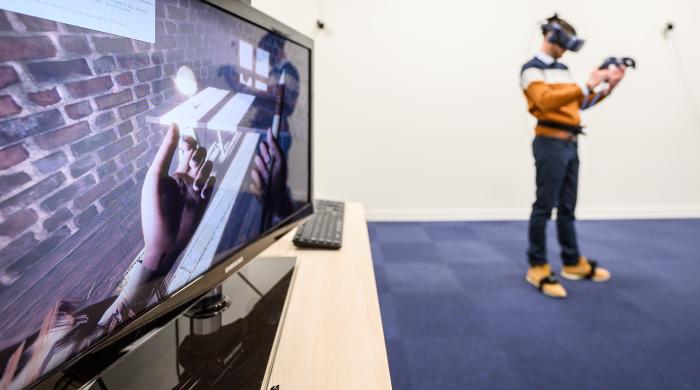
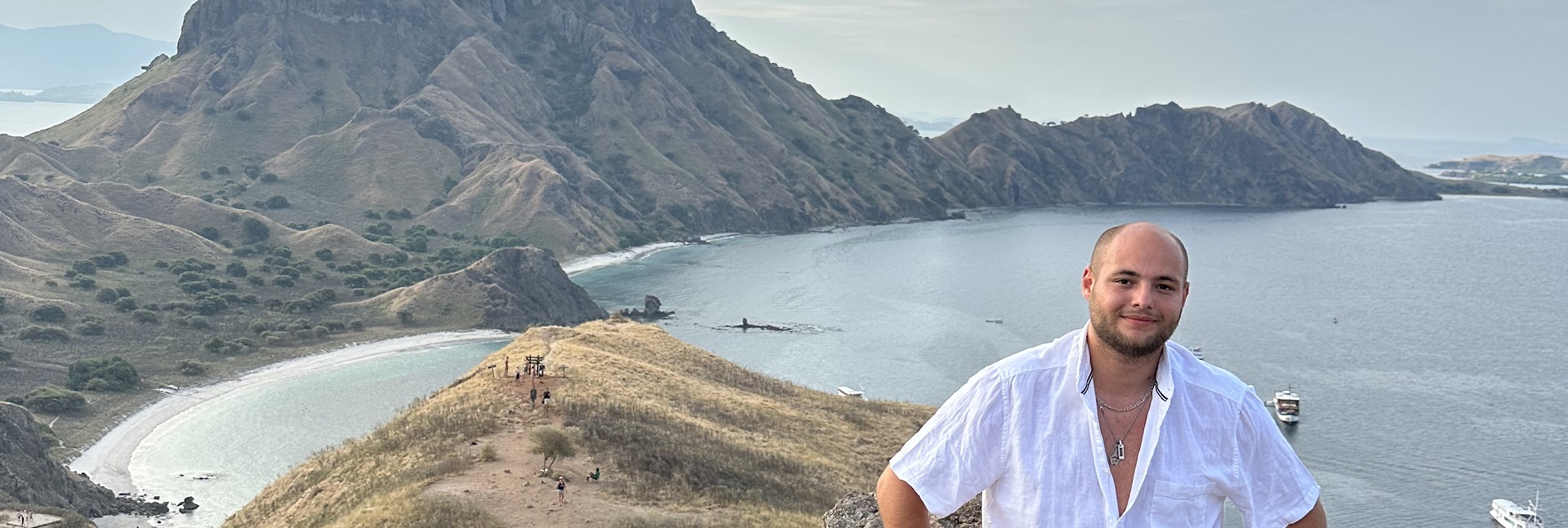
Flavian, an apprentice in the Electrical Engineering Program, specializing in Energy Flow, has just entered his third year.
His training is distinguished by a particularly structured work-study program, with 40% of his time spent in school and 60% in a company, including 12 weeks abroad, and a project-based teaching approach that is strongly rooted in the industrial world. This structure makes his work-study program more focused and highly professional.
He shares with us his experience of international mobility in Indonesia, which is essential for obtaining his degree.
What was your background before entering Arts et Métiers
After obtaining a vocational baccalaureate in electrical engineering and connected environments (MELEC), I enrolled at ÉNEPS, where I completed a two-year BUT GEII program at IUT1 in Grenoble. I then went on to study for a one-year professional bachelor's degree in connected buildings and smart energy management (BCGIE).
Where did you do your international mobility internship?
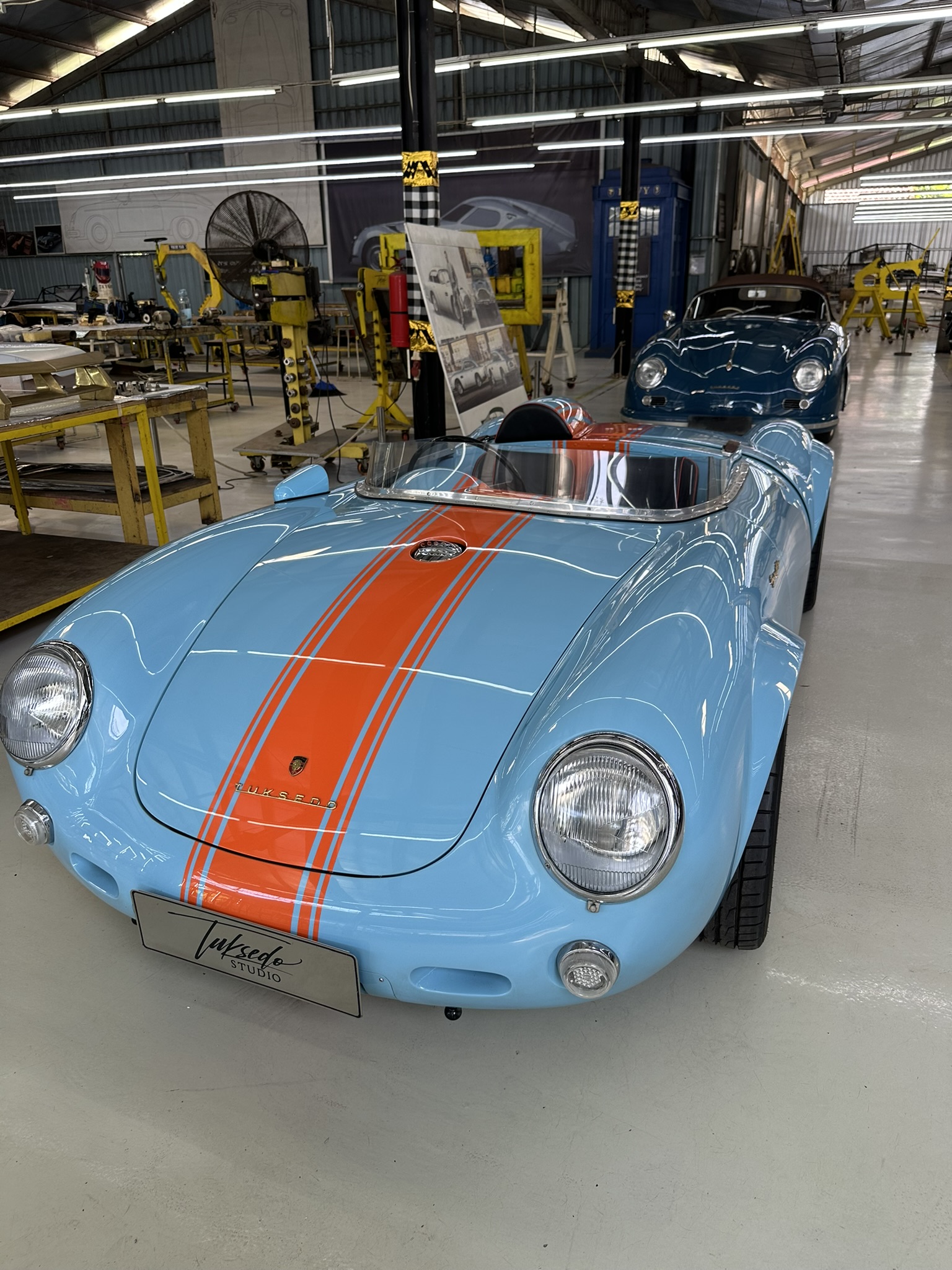
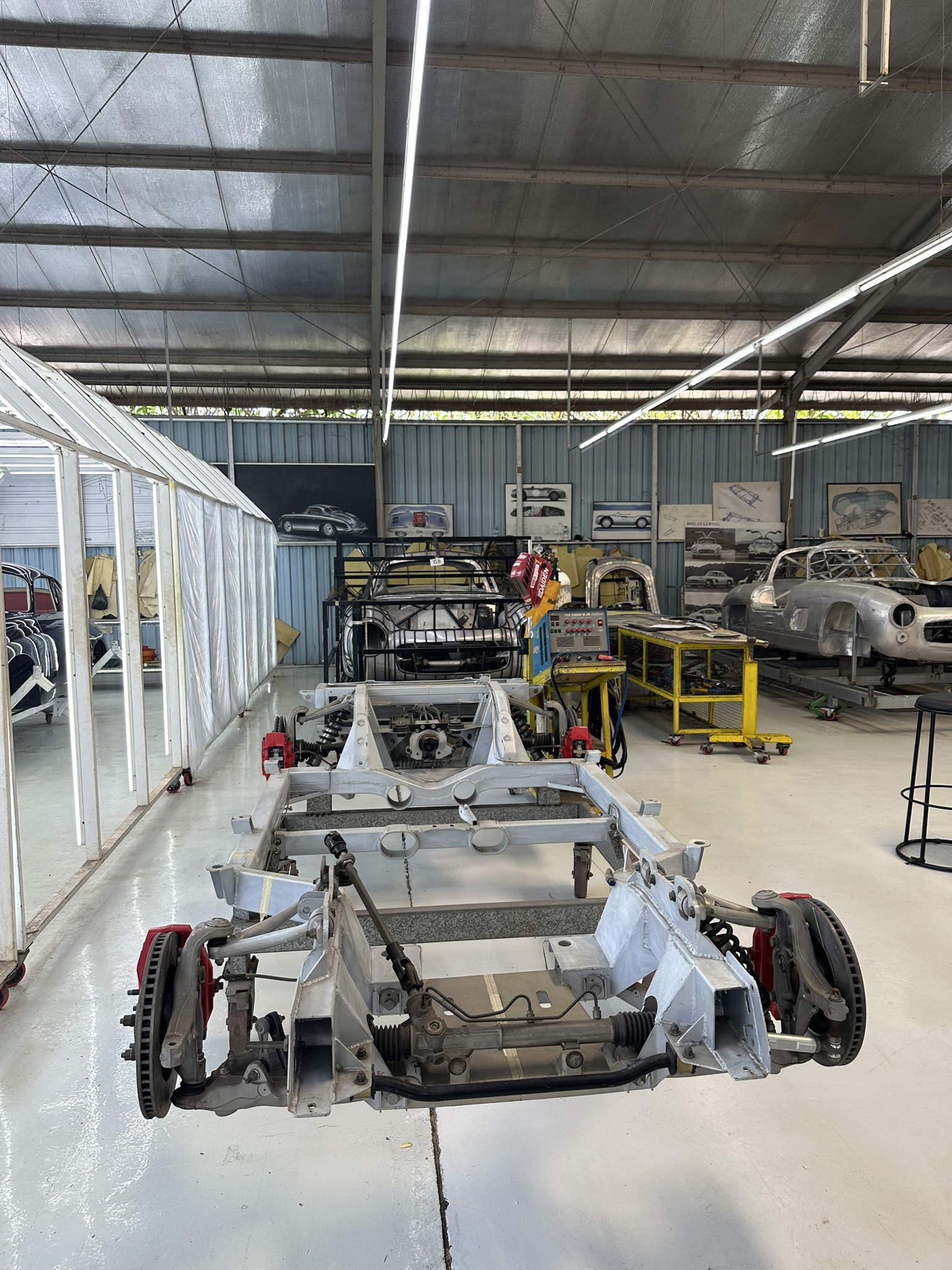
I did my internship at Tuksedo Studio, a company located in Bali that specializes in the highly accurate manufacture of high-end replicas of classic cars such as the Porsche 356 Speedster, the Aston Martin DB5, etc., through an organization that connects students looking for internships with companies
I joined the design office as an intern engineer, working directly with the workshop. Tuksedo Studio employs about a hundred people, mainly engineers, technicians, and local craftsmen, and also welcomes foreign interns like me.
What types of projects or assignments have you worked on, and what were the results or impacts?
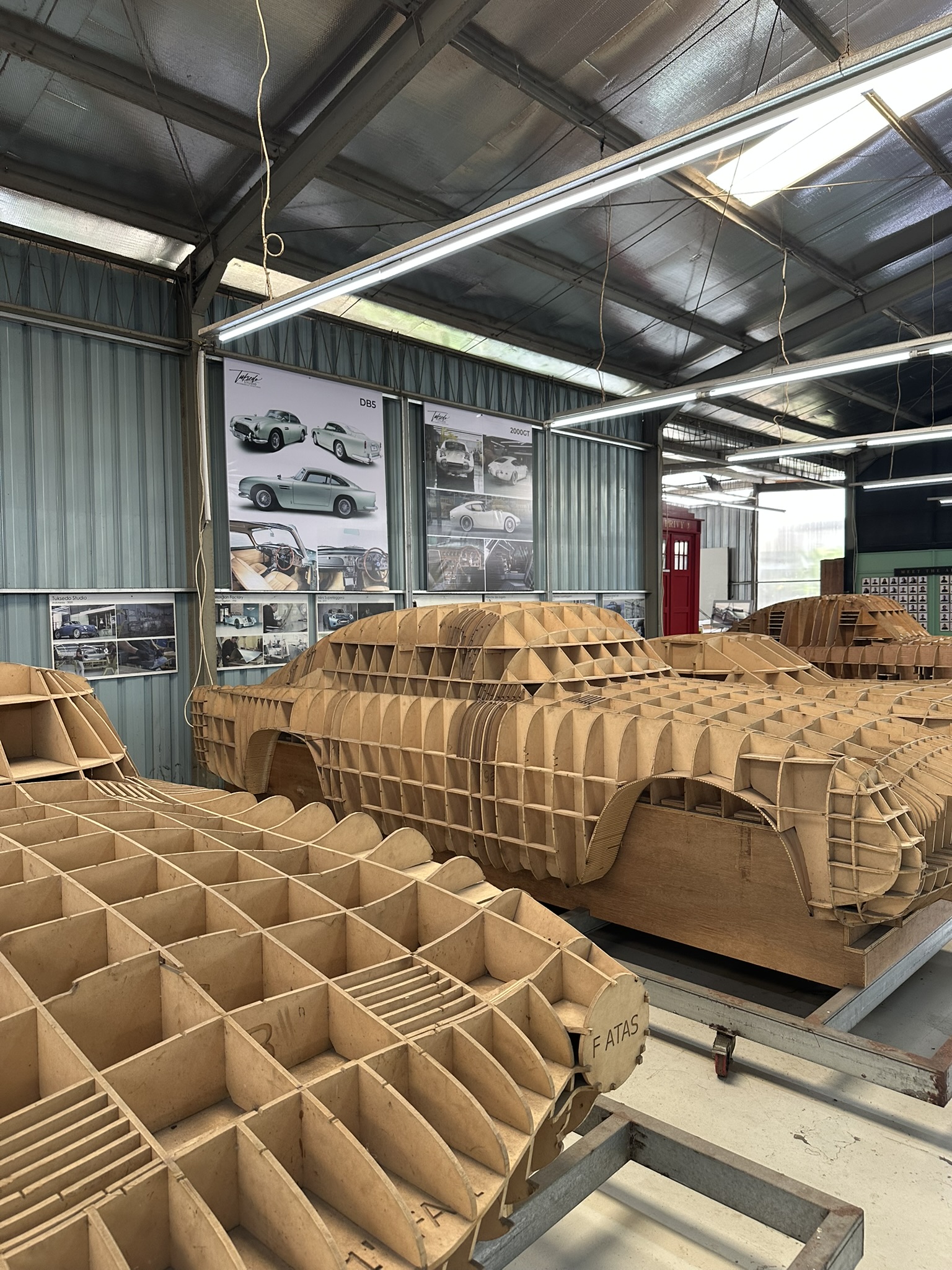
During my internship, I had the opportunity to participate in a variety of projects combining electrical design, mechanical integration, and engineering applied to replica classic cars. I first worked on creating wooden templates from digital plans, which were used as cutting patterns for manufacturing steel frames used to shape the car bodies.
I then contributed to the design and manufacture of custom dashboards, from CAD modeling to cutting, welding, and assembly of electronic components.
I also participated in the wiring of engine bays, notably on a Mercedes, connecting the main harness to various sensors such as the temperature sensor, oil pressure sensor, and crankshaft sensor.
These experiences allowed me to develop my skills in electrical and electronic design, to better understand mechanical and electrical integration in classic cars, and to understand the coordination between different types of engineers within a design office.
What differences have you noticed in the organization of engineering or management work compared to French companies? How is the concept of CSR sustainable development taken into account in this company?
I observed notable organizational differences compared to French companies. In Indonesia, work organization is less rigid and standards are less strict than in Europe. The approach is more artisanal than industrial, influenced by the local culture and economy of the region. For example, plans are often adapted to the constraints of the workshop. This pushed me to adapt and be more flexible in my own way of working.
In terms of CSR and sustainable development, Tuksedo Studio strives to limit its environmental impact by reducing waste, carefully selecting materials such as steel, aluminum, and wood, and reusing old vehicle chassis. The company is also committed to passing on its expertise by training local artisans.
What technical and professional skills were you able to develop or strengthen during this internship?
This internship strengthened both my technical and professional skills. I deepened my knowledge of electrical design, wiring, and modeling, and also learned how to organize and document technical data in a rigorous manner. I improved my ability to manage priorities, coordinate between the design office and the workshop, and communicate in English in a multicultural environment.
How did this work experience in Bali enrich you personally or influence your view of the world around you?
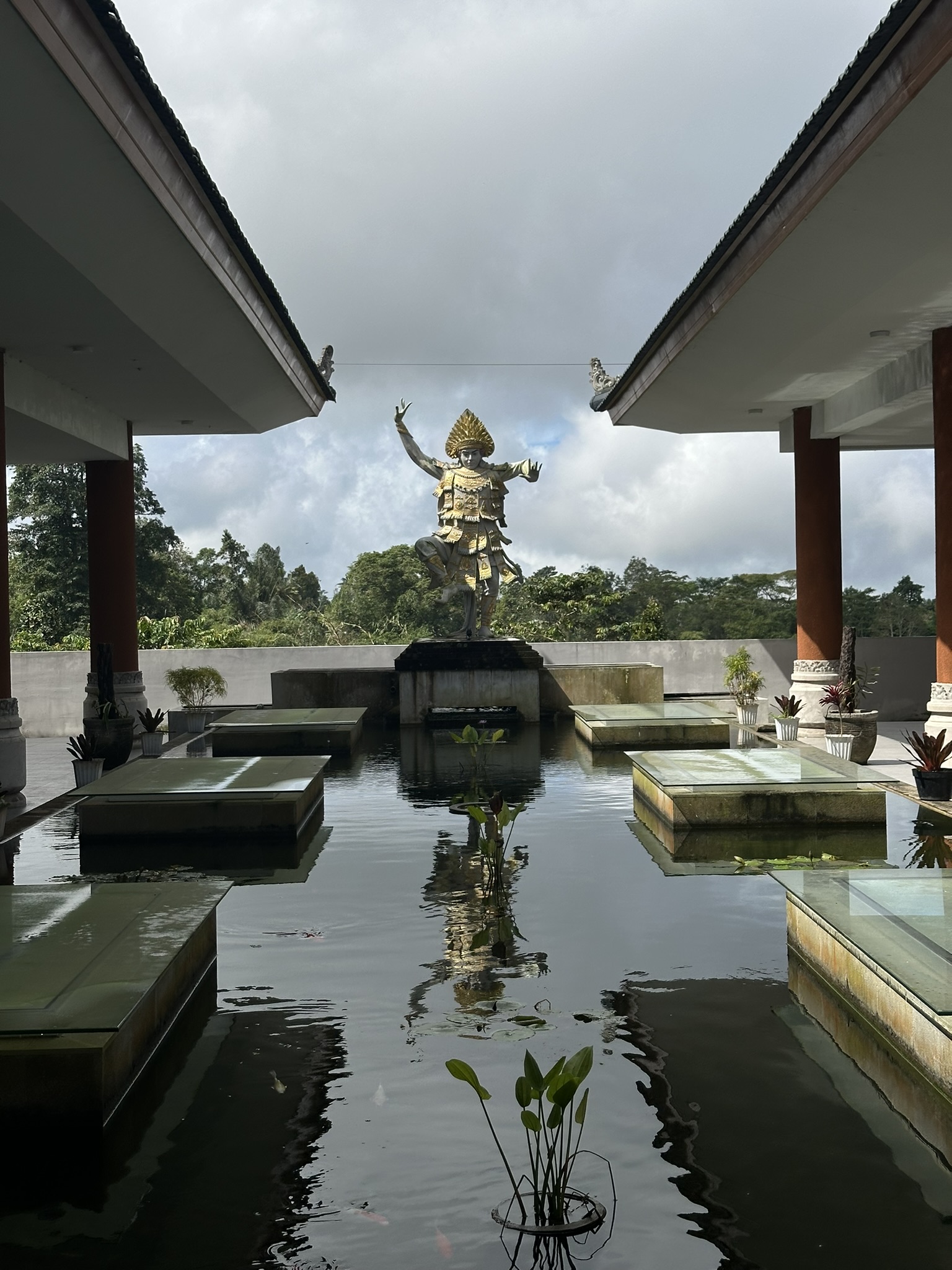
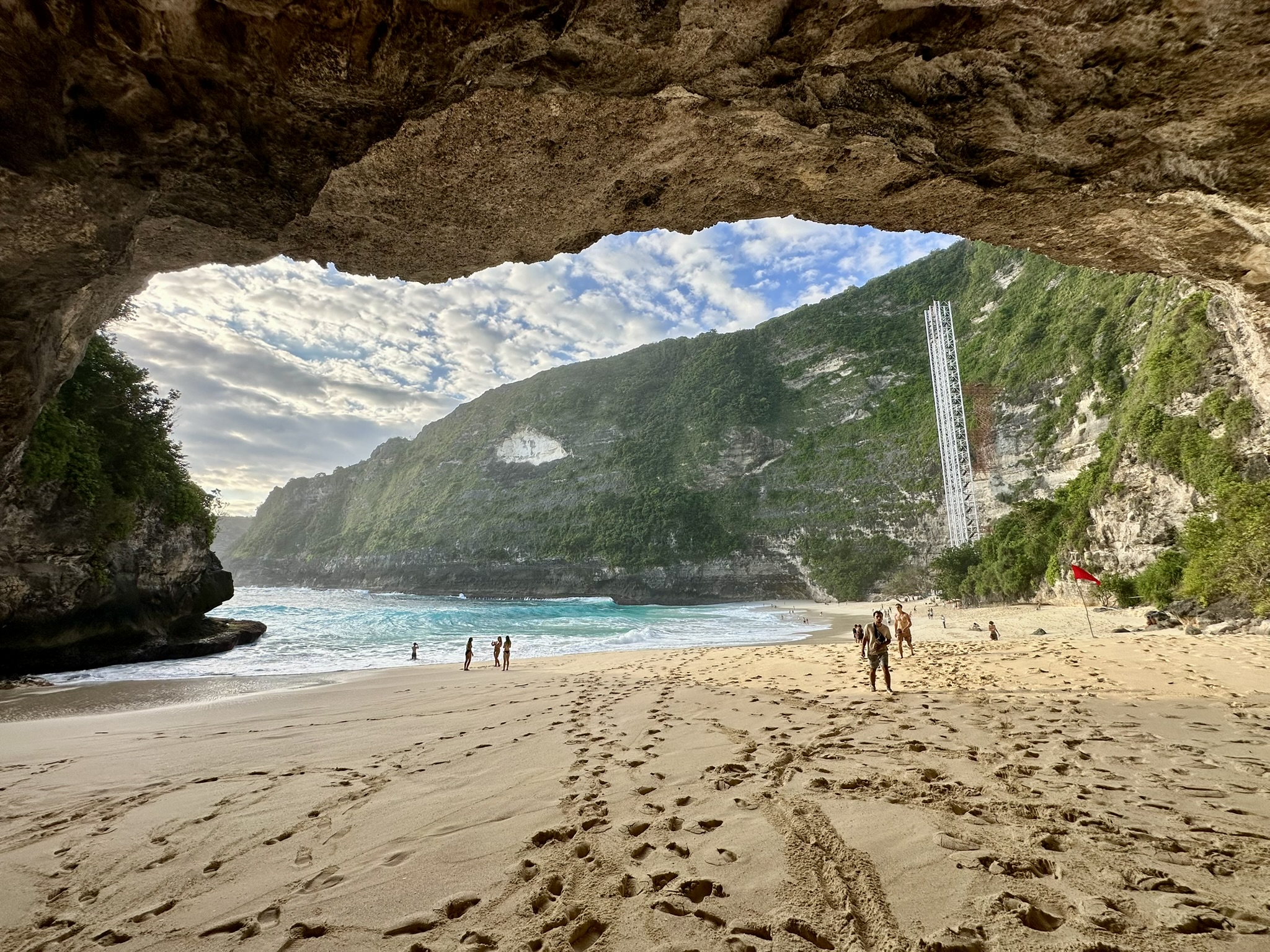
Beyond the professional aspect, this experience was a real source of personal enrichment. It taught me resourcefulness, patience, and practicality, especially when faced with the language barrier, which sometimes led me to find creative solutions to communicate. I discovered a different culture, beautiful landscapes, and warm people.
These encounters with locals, the discovery of Bali and the neighboring islands, but also everyday situations, broadened my worldview and strengthened my open-mindedness. This immersion will remain a memorable experience for me, one that allowed me to become more adaptable, curious, and independent, while enriching both my professional and personal life.
What are your plans after graduation? What are your ambitions?
With my degree in hand, I plan to either continue my studies in management to strengthen my skills, or to join my work-study company on a permanent contract to build on and deepen the experience I have gained there.
Your international experience in 3 words
Unforgettable, openness, and enrichment