Immersive technologies and artificial intelligence are opening up new possibilities for managing the end of life of complex industrial systems. From aeronautics to battery recycling, these innovations are helping to strengthen circular economy practices.
The transition to a more sustainable industry concerns not only product design and manufacturing, but also end-of-life management. For a long time, our industrial model followed a linear logic: extract, manufacture, use, then discard. In contrast, the circular economy, a concept that emerged in Europe in the 1990s, aims to extend the life of products by promoting the reuse, repair, and recycling of materials.
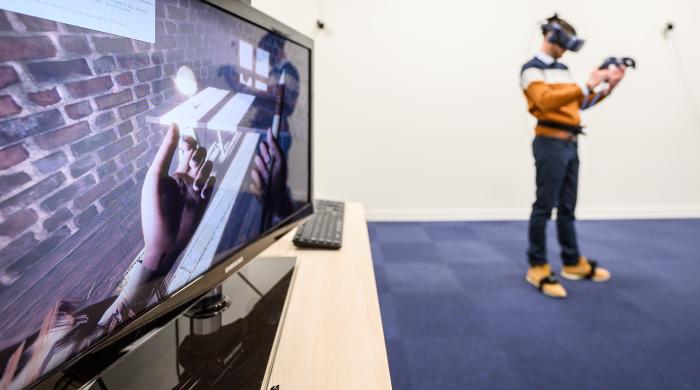
In this context, Industry 4.0 technologies, including augmented reality (AR), virtual reality (VR), and artificial intelligence (AI), are opening up new possibilities for transforming the dismantling of complex industrial systems.
Aircraft dismantling: when research explores new solutions
In the aviation sector, many aircraft are gradually reaching the end of their service life. Their dismantling represents a major challenge in terms of recovering reusable parts, recycling materials , and limiting environmental impact.
However, aircraft are extremely complex industrial systems. Their dismantling must comply with precise procedures based on technical documentation that is sometimes decades old and requires significant human expertise. The organization of operations also poses a complex optimization problem: identifying the parts to be removed, determining the order in which to proceed, and mobilizing the necessary resources to maximize the value recovered.
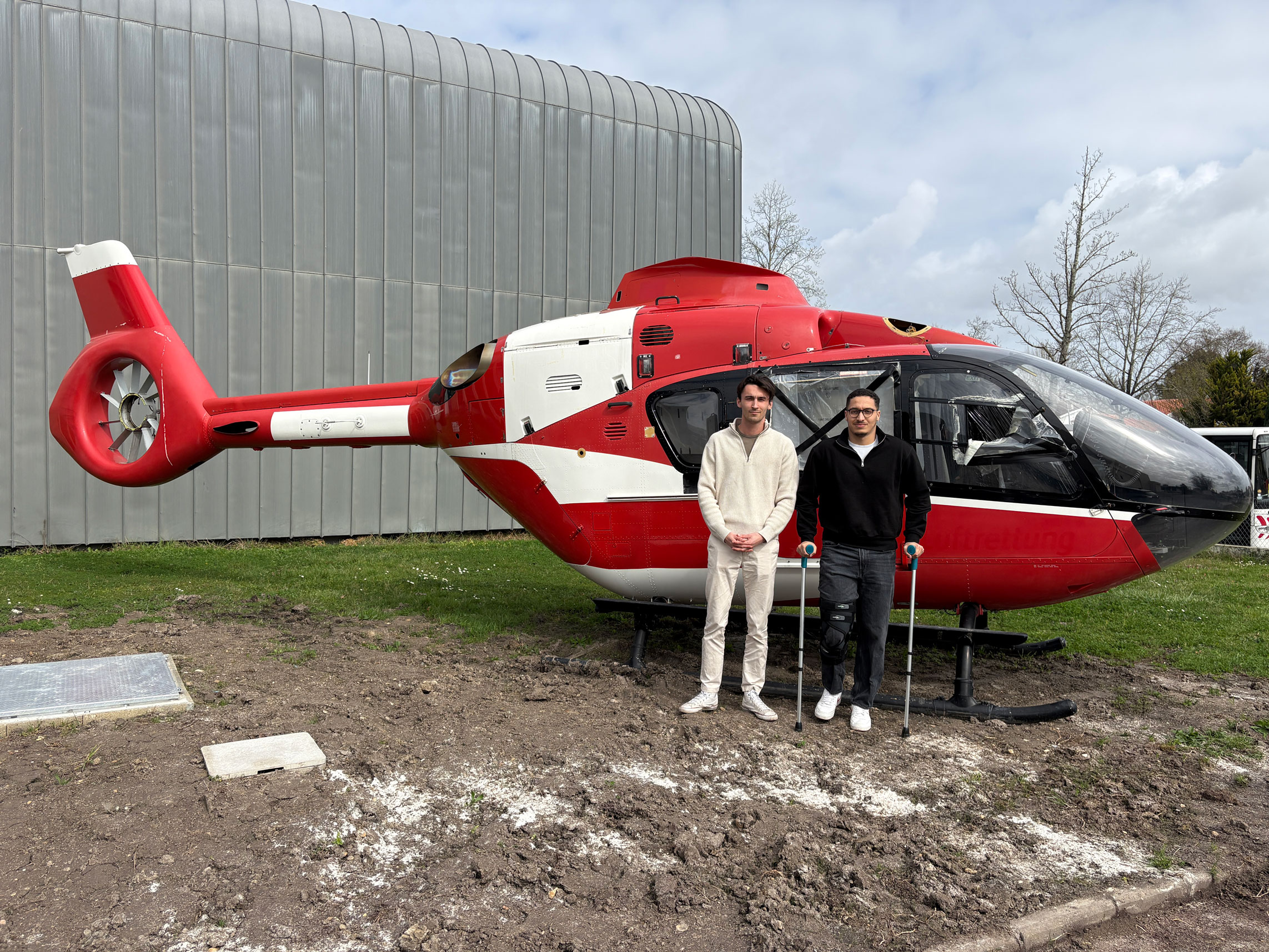
In this context, Étienne Mary, an Arts et Métiers engineer Arts et Métiers doctoral student at I2M* supervised by Jérôme Pailhès, Dominique Scaravetti, and Nicolas Perry, explores how immersive technologies and artificial intelligence can assist these operations.
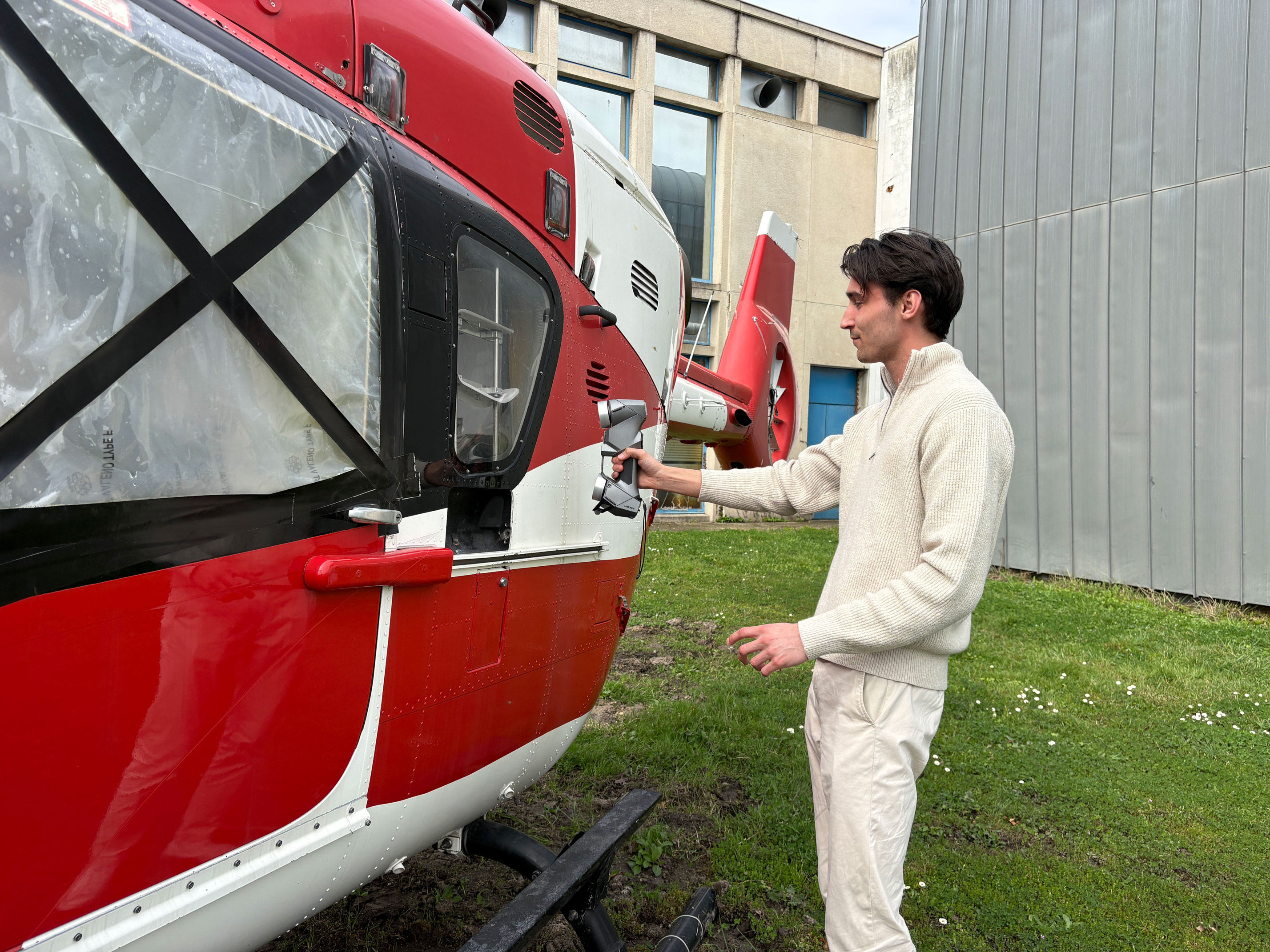
" Aircraft dismantling is an extremely complex process that still relies heavily on human expertise. The aim of our work is to use technical documentation and 3D scans of aircraft to create a digital process that can guide technicians and optimize dismantling sequences using immersive technologies and artificial intelligence. " explains Étienne Mary.
This research is part of the CMA PEGASE – Decarbonized Aircraft program, which aims to support the development of innovative solutions to reduce the environmental footprint of the aviation sector.
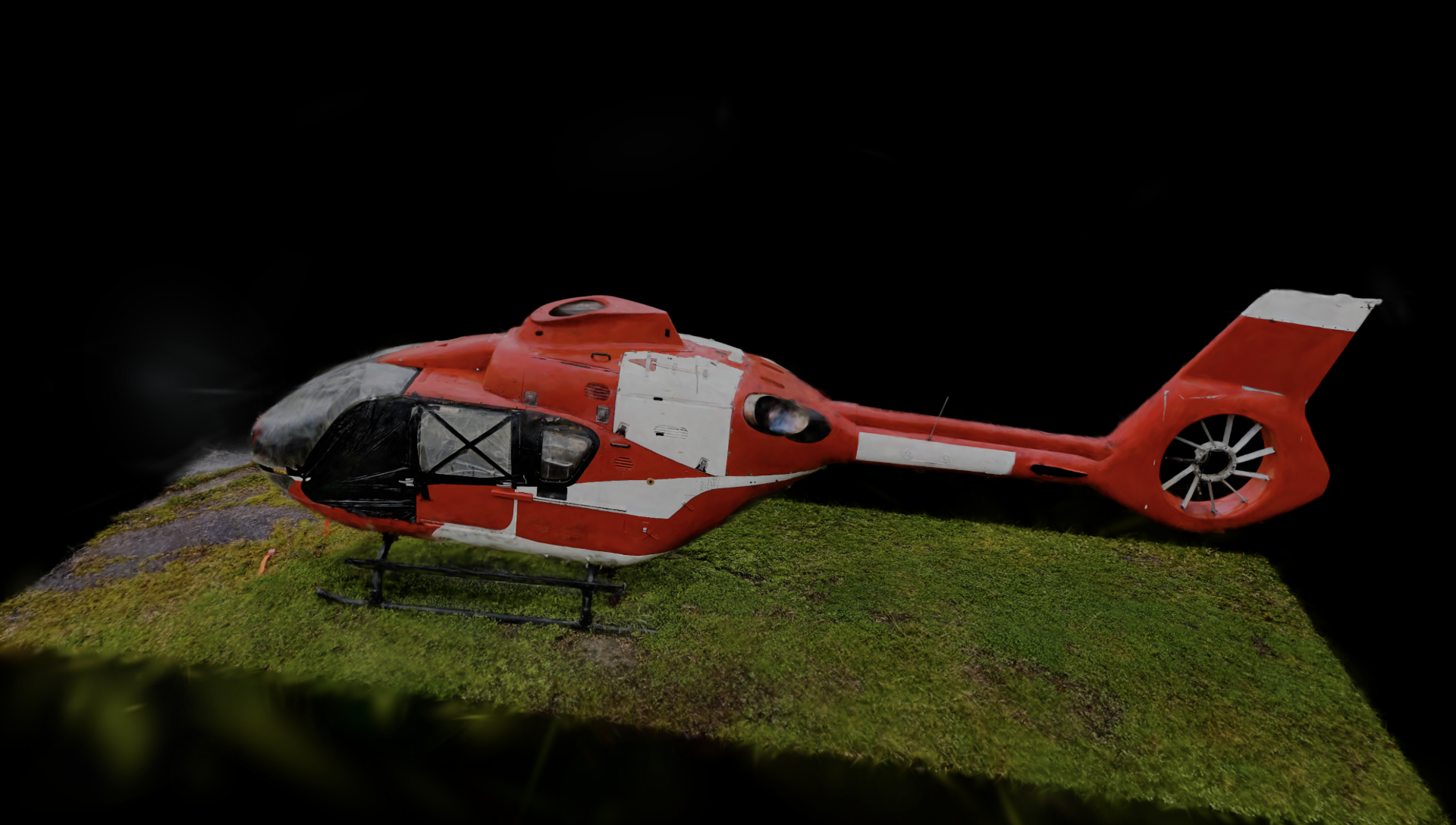
3D result from Clement Millet's helicopter process
Concrete industrial applications: recycling electric vehicle batteries
The same technologies can also address other industrial challenges related to the circular economy, particularly in the electric vehicle battery sector.
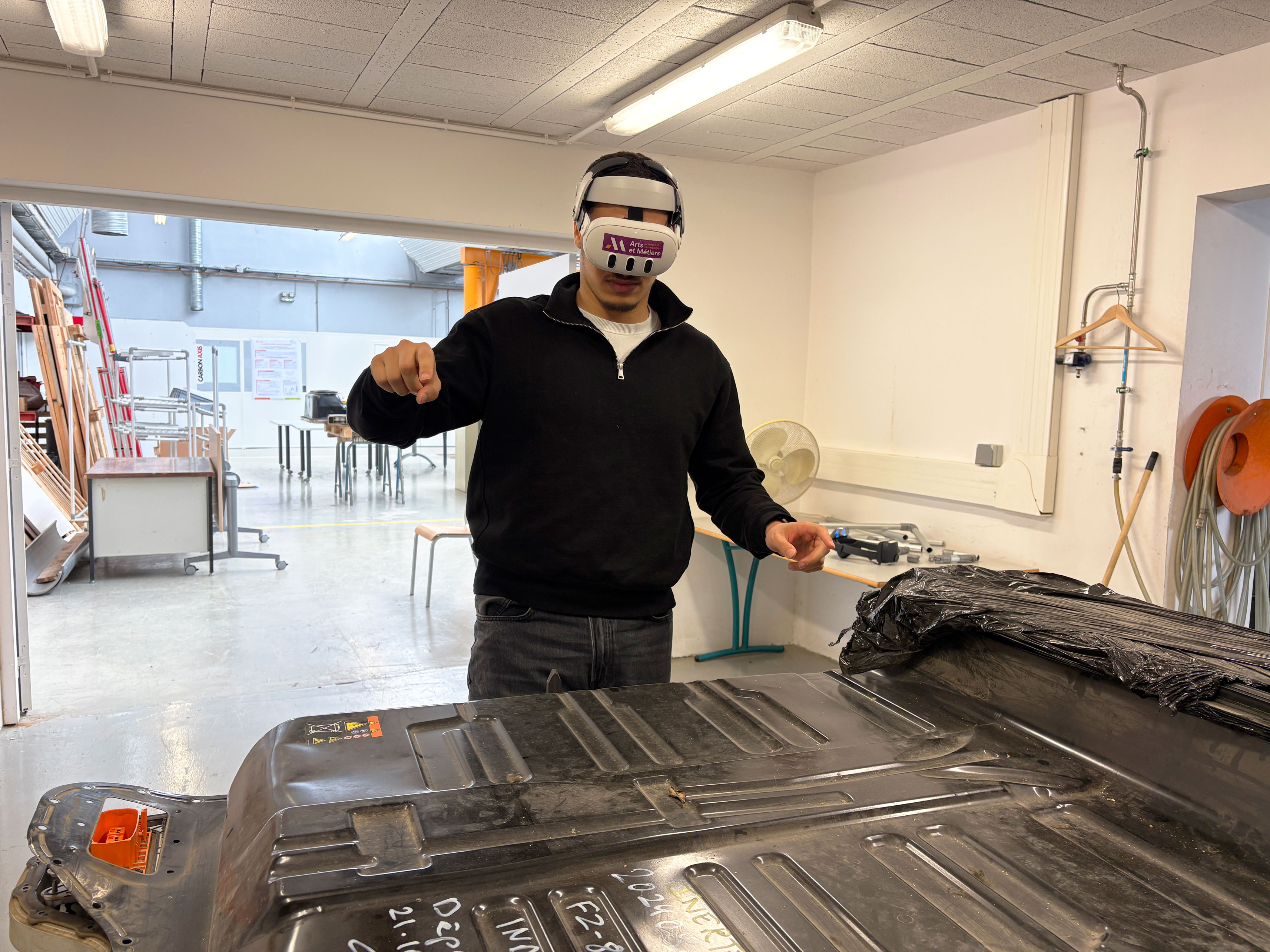
Currently an engineering student at the Arts et Métiers campus Arts et Métiers Bordeaux-Talence, Moad Amine has joined the recycling and recovery division of SUEZ-LyRe. As a project manager intern, he is working on dismantling electric vehicle batteries using virtual and augmented reality technologies.
The figures illustrate the scale of the challenge: by the end of 2019, there werealready more than 7 million electric vehicles onthe road worldwide. By 2030, between 100 and 200 GWh of batteries will gradually reach the end of their automotive life. However , dismantling operations remain largely manual, slow, dangerous, and costly, while each battery model has its own specific assembly characteristics.
" The aim of the project is to transform these dismantling operations into guided and secure processes using Industry 4.0 technologies. We are developing an augmented reality solution capable of projecting real-time instructions to assist operators, coupled with a vision system with 3D sensors and cameras controlled by artificial intelligence to monitor operations and ensure compliance during dismantling. " emphasizes Moad Amine.
Recycling and reusing electric vehicle batteries is not only an environmental obligation: it is also a real industrial opportunity. When done properly, this process makes it possible to recover rare metals, give them a second life, and gradually break free from a dependence on virgin raw materials that comes at a human and ecological cost. This synergy between technological innovation and environmental performance makes dismantling a predictable industrial process, putting digitalization at the service of sustainable and efficient development.
Research and industry: synergy in the service of the circular economy
These projects illustrate how research and industry can collaborate to develop innovative solutions that support the circular economy. Whether dismantling aircraft or recycling batteries, the integration of immersive technologies and artificial intelligence makes it possible to transform complex operations into digital processes that are safer, more efficient, and more valuable.
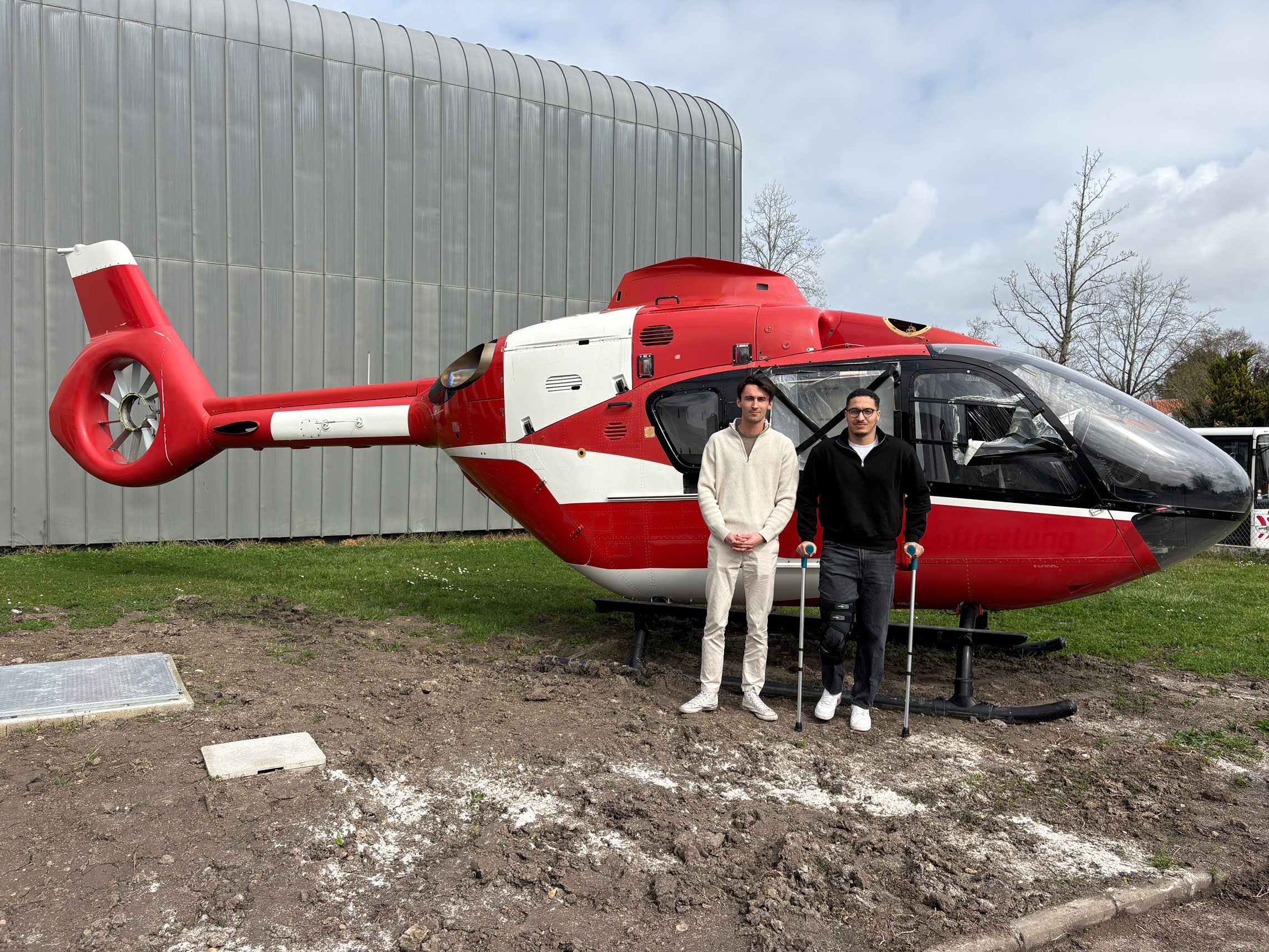
By supporting industrial partners such as SUEZ and developing research funded by programs such as CMA PEGASE – Avion décarboné (Carbon-free aircraft), these initiatives demonstrate how Industry 4.0 technologies can help address current environmental and industrial challenges.
* Bordeaux Institute of Mechanics (I2M / Arts et Métiers, CNRS, University of Bordeaux, Bordeaux INP, INRAE)