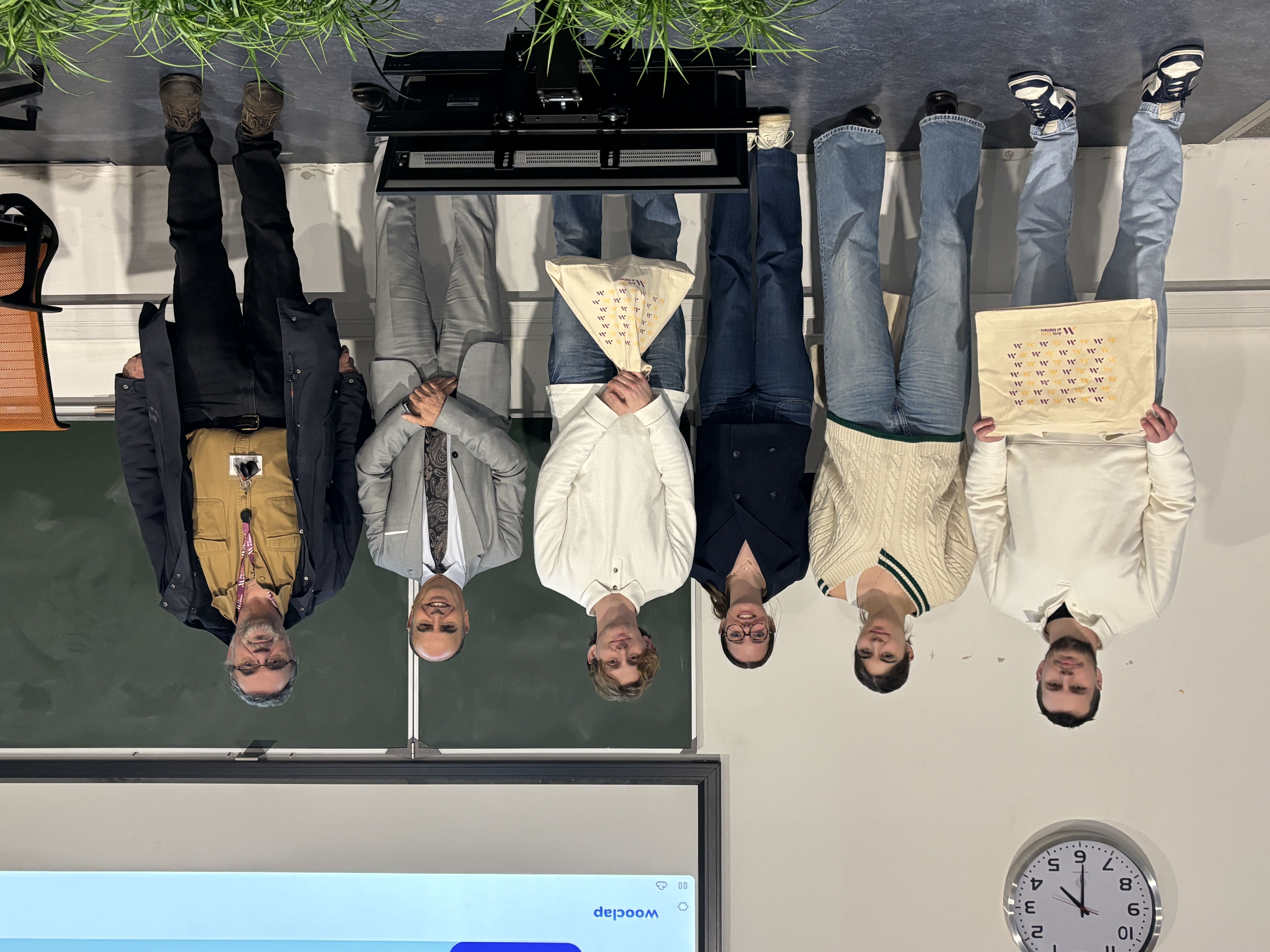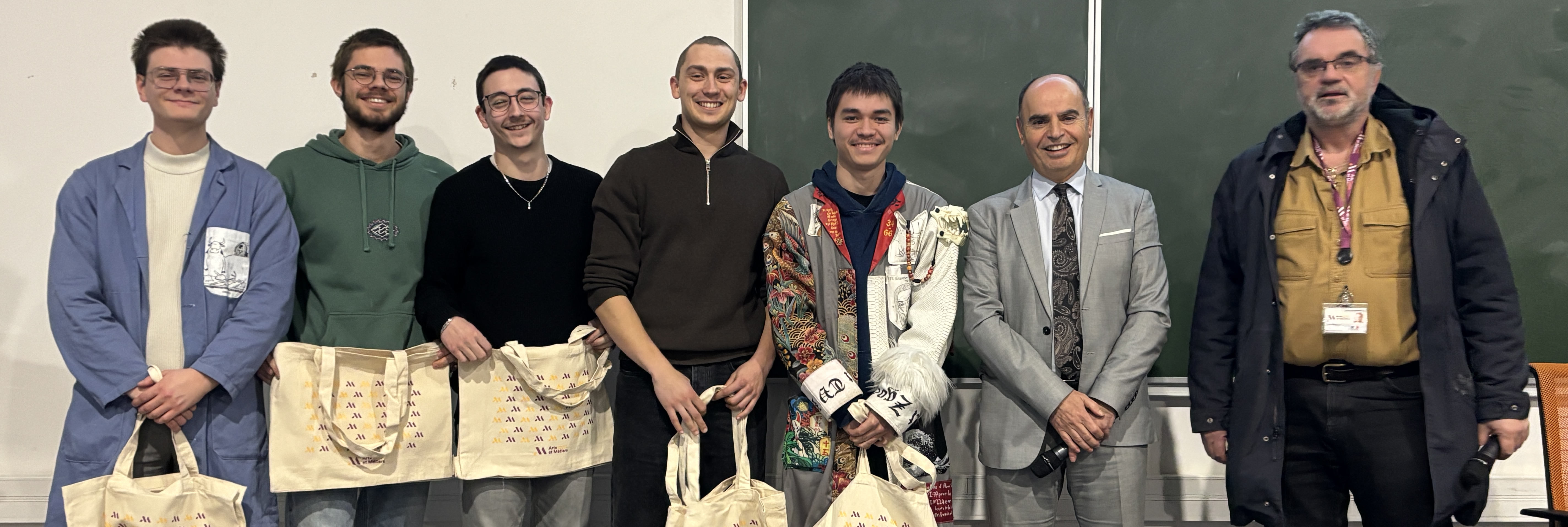
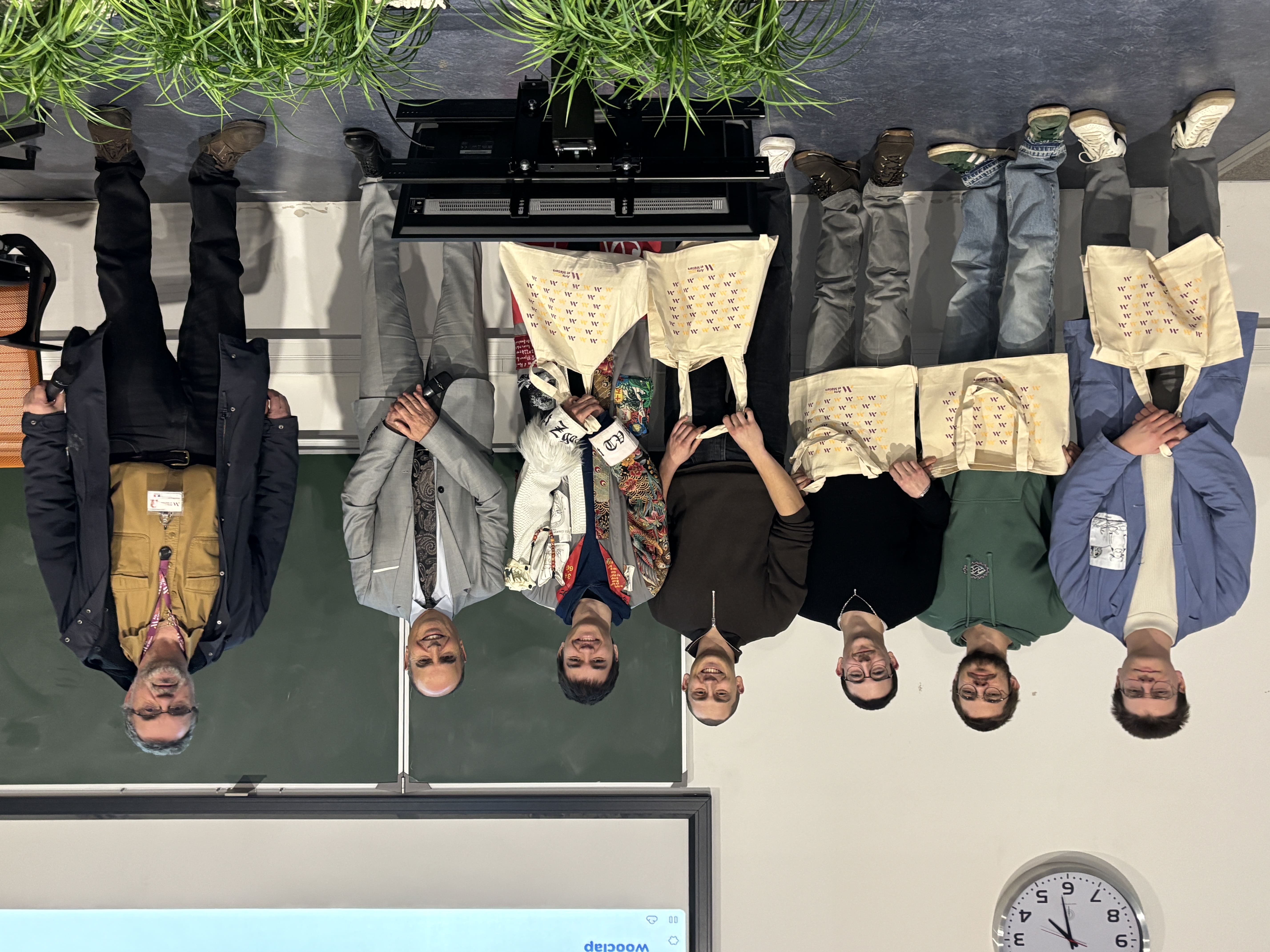
This year, the "My PJT in 360 seconds" event on the Aix campus adopted a new format. The projects were first presented in the form of digital posters, evaluated by a preliminary jury of teachers, who selected six of them.
The winning students then pitched their projects to their classmates. After the presentations, the students voted to select two "Coup de cœur" posters.
This format, combining educational assessment and peer voting, made it possible to highlight the quality of the projects while encouraging students to express themselves orally and get involved.
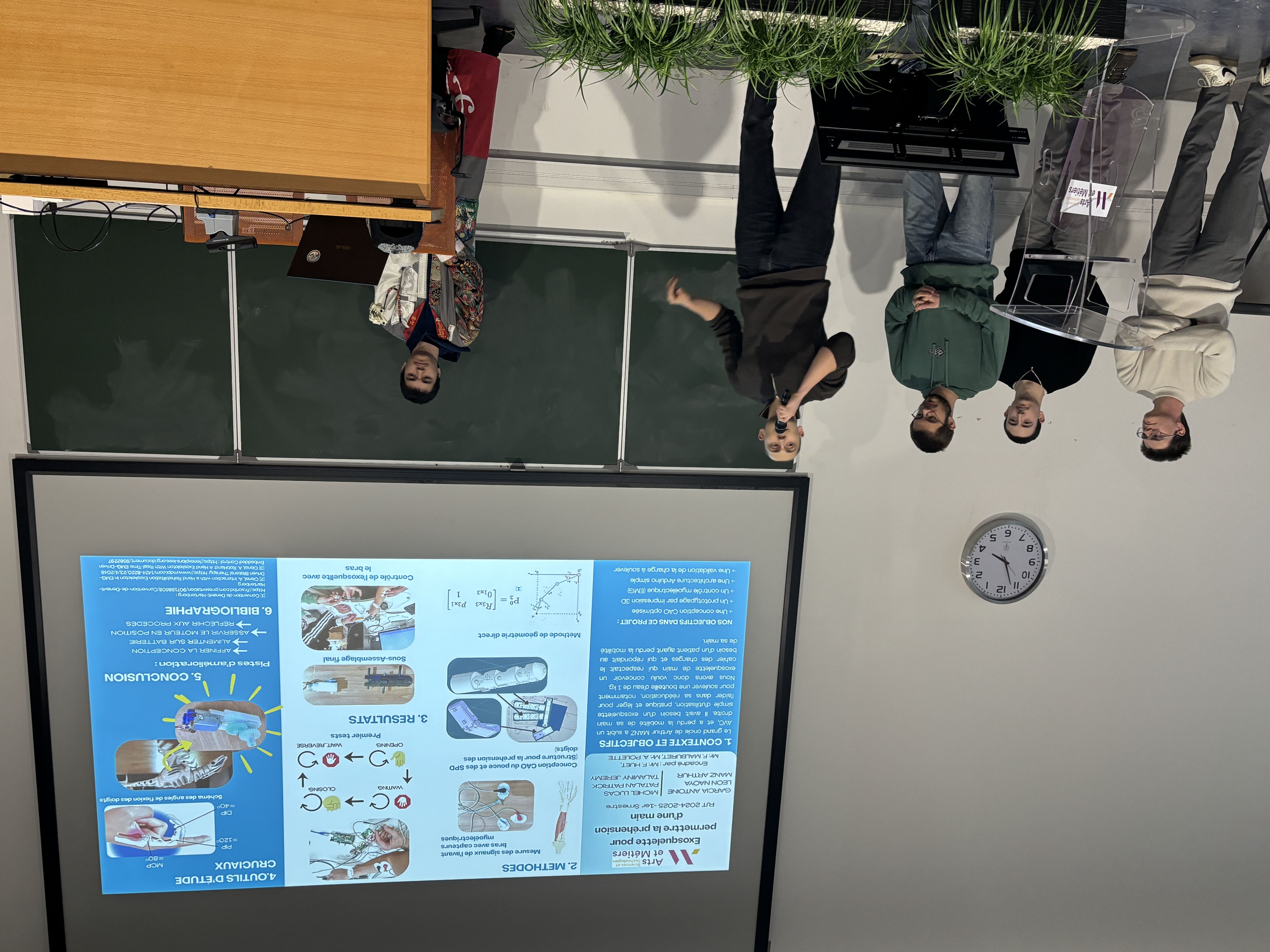
Congratulations to the students behind the poster "Exoskeleton to enable hand grasping."
" Our work focuses on designing a hand exoskeleton to assist in the rehabilitation of people who have lost the use of their hands after a stroke. The end result is to help them regain everyday gripping movements, such as grasping and lifting a 1 kg water bottle, using a lightweight device that is easy to use and adapted to their body type ," explains Naoya Léon.
The team completed the following tasks:
- Research and analysis of existing hand exoskeleton solutions and technologies in order to position our project and identify the technical principles best suited to our needs.
- Definition of functional specifications (ease of use, lightness, ability to lift a 1 kg water bottle, etc.)
- Preliminary design of the hand exoskeleton using CAD, with modeling of the thumb and finger gripping structure
- Study and selection of a control architecture based on myoelectric sensors (EMG) and an Arduino-type board, with definition of the main operating modes.
- Conducting initial tests to measure muscle signals and qualitatively validate the operating principle
To complete the project, the following steps would need to be taken:
- Precise modeling of the thumb and finger gripping structures using optimized CAD design
- Manufacturing a functional, lightweight prototype using 3D printing
- Myoelectric control (EMG): motor control via bioelectric sensors in the forearm
- Accessible and robust control electronics thanks to a simple Arduino architecture
- Experimental validation by verifying load capacity and joint movement
The second Coup de Coeur prize was awarded to the team working on biodiversity on campus as part of the "Campus Vivant" project.
Their project is entitled "Identification and implementation of solutions for the habitat and feeding of urban wildlife on campus."
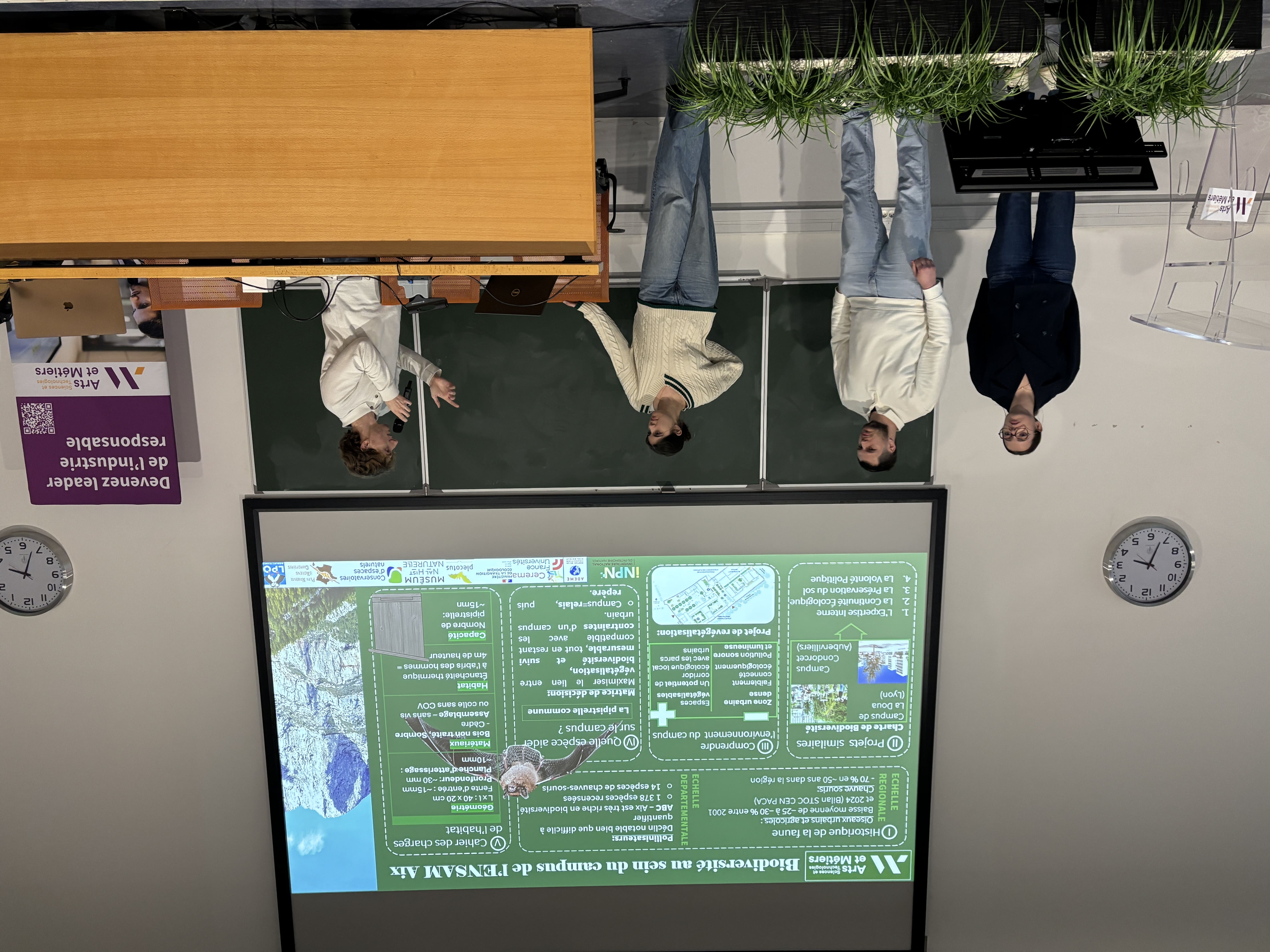
The analysis conducted during this project highlights that functional vegetation and soil de-impermeabilization are priority levers for restoring favorable ecological conditions on campus. These actions not only improve the availability of habitats and food resources, but also strengthen the ecological continuity essential to maintaining urban wildlife.
"The choice of the common pipistrelle (Pipistrellus pipistrellus) is part of this logic, explains Camille Buisson, one of the students. A local, protected species that is widespread in urban areas, it is a relevant indicator of the ecological quality of developed spaces. Its ecology, closely linked to the availability of insects and the presence of suitable roosts, makes it a consistent target species, allowing action to be taken without upsetting the balance of existing wildlife communities."
The continuation of the project in the second half of the year will be based on a gradual and structured approach, including:
● conducting acoustic and light studies to characterize the site's constraints and optimize the location of the roosts;
● establishing collaboration with an organization specializing in bats, ensuring that actions comply with ecological and regulatory requirements;
● working with the institution to define areas compatible with campus use;
● designing and installing the roosts, along with features that promote the species' feeding habits.