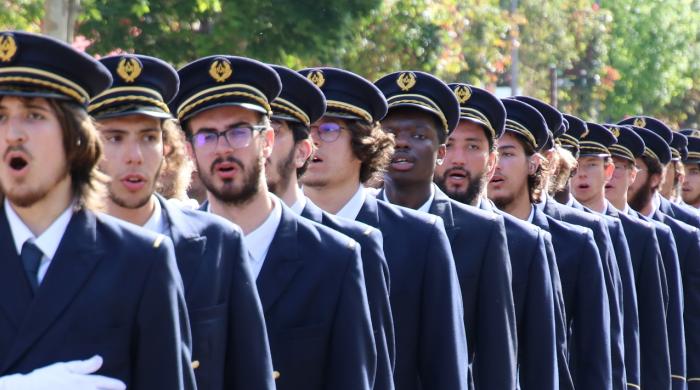
The Les Grandes UAI (Union Athlétique Inter-gadzarique) sports challenge brought together more than a thousand engineering students from all over France on the Aix-en-Provence campus this year.
On this occasion, the organizing team wanted to present the winning campus with a trophy worthy of this exceptional edition, marked by the passage of the Olympic flame through the city last May.
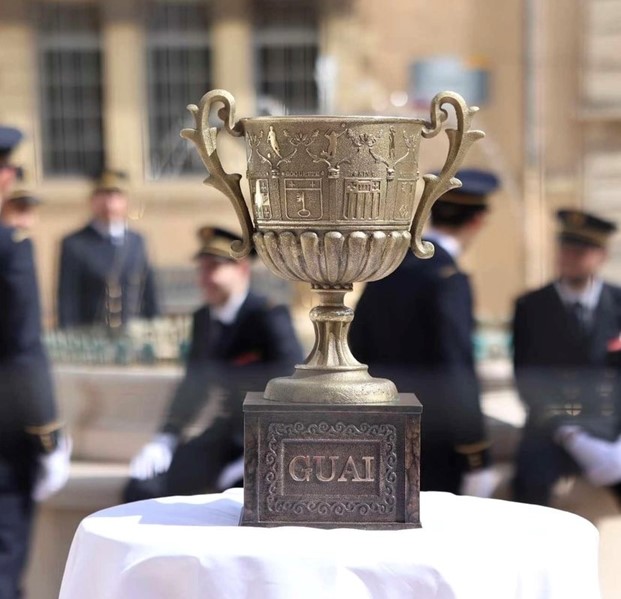
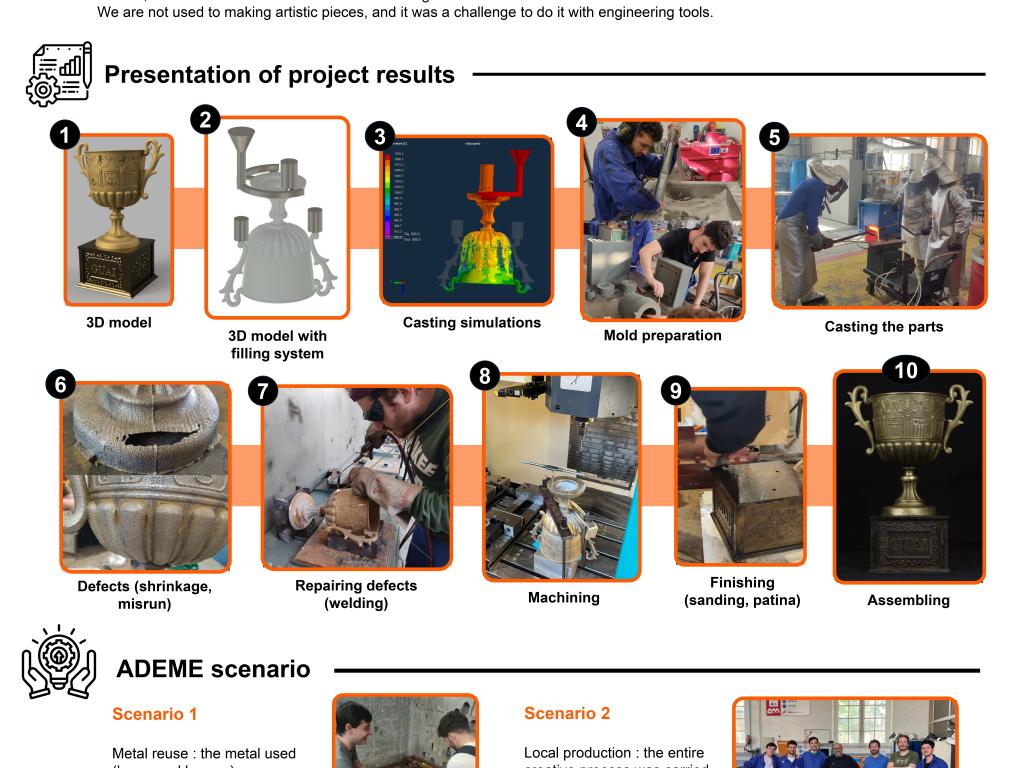
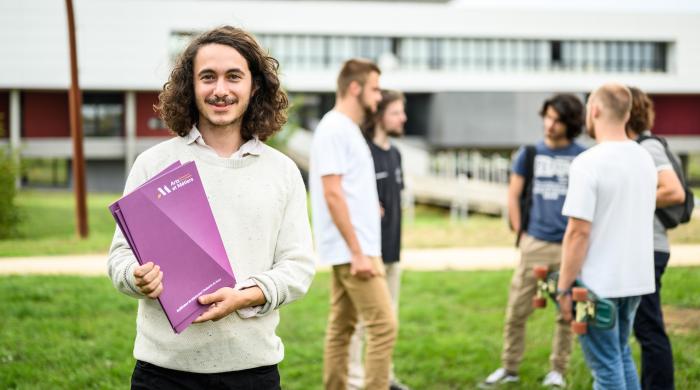
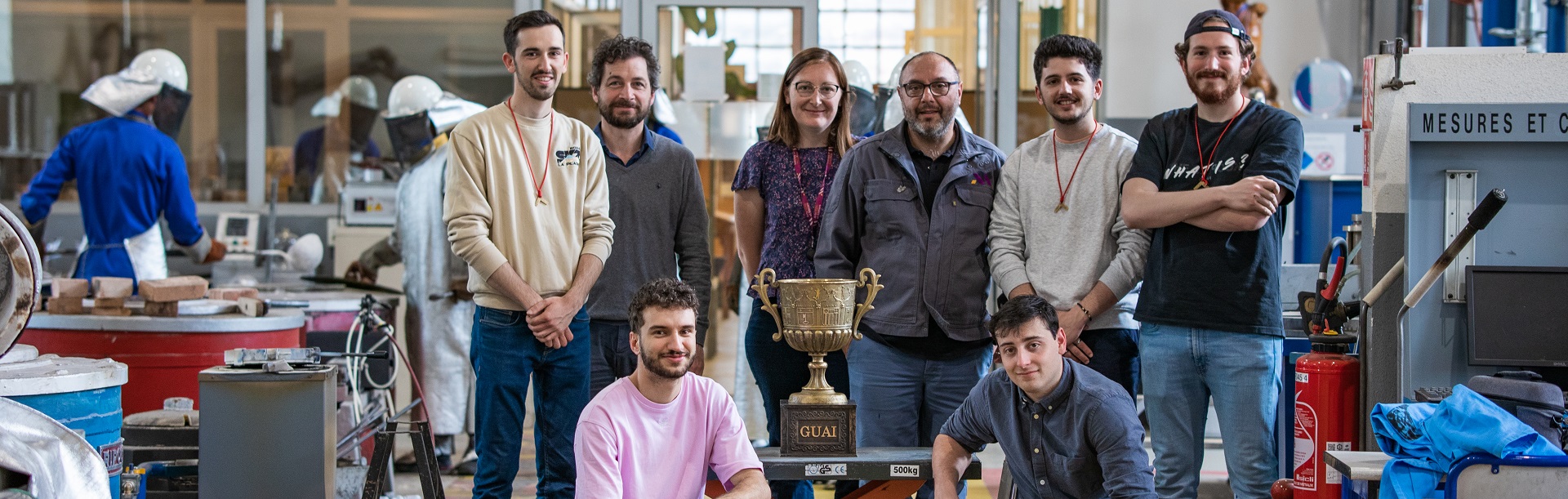
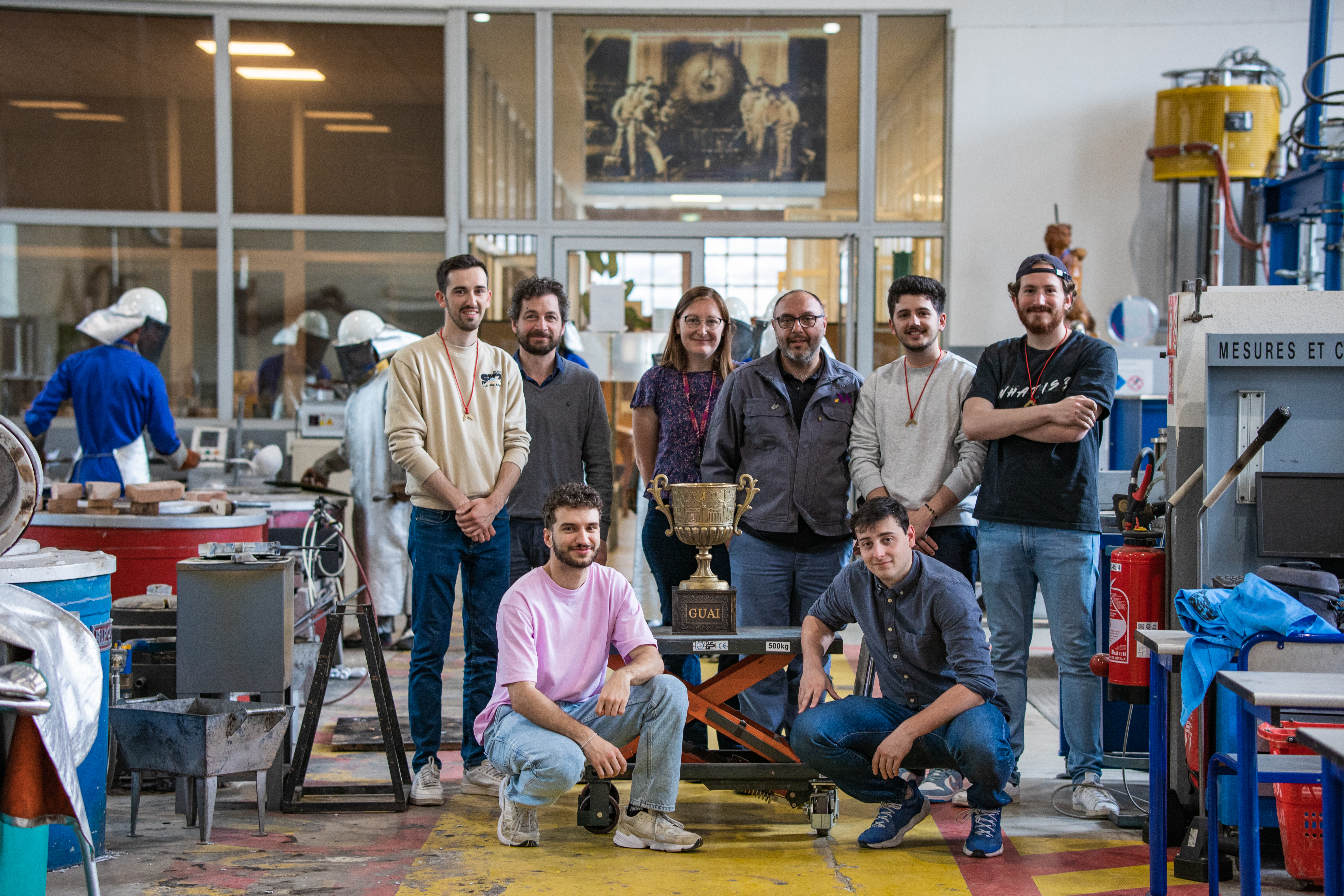
After three months and a total of 400 hours of work, Mathias, Gabriel, Louis, Clément, and Nathan—second-year engineering students in Grande Ecole Engineering Programme—supported by faculty and technical staff, gave free rein to their imagination and skill, and present the trophy for the 2024 edition of the Grandes UAI.
How did you come up with the idea for this cut?
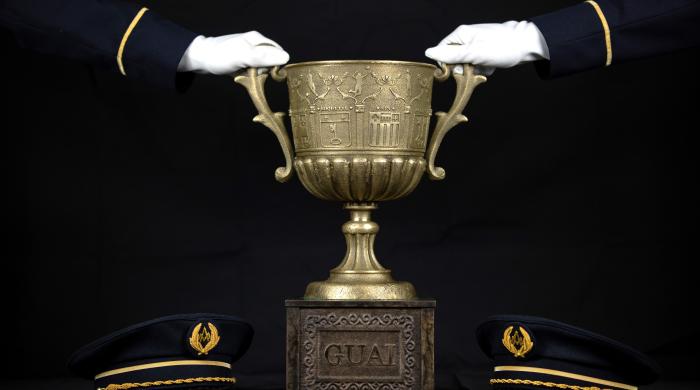
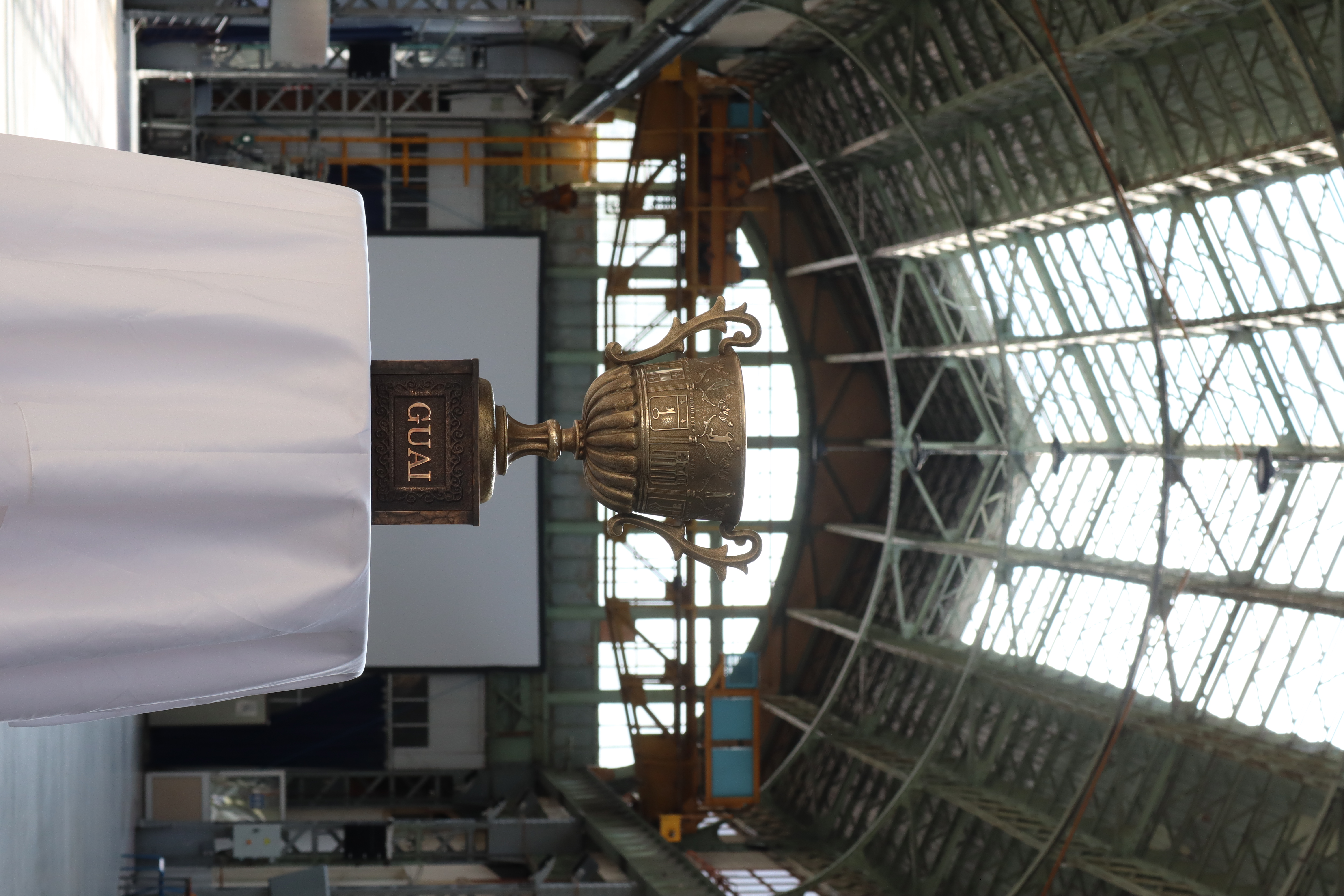
We wanted to create an imposing trophy in an antique style, reminiscent of ancient vases, as a nod to the Greek origins of the Olympic Games. We drew inspiration from existing trophies and AI-generated images.
Who created the design?
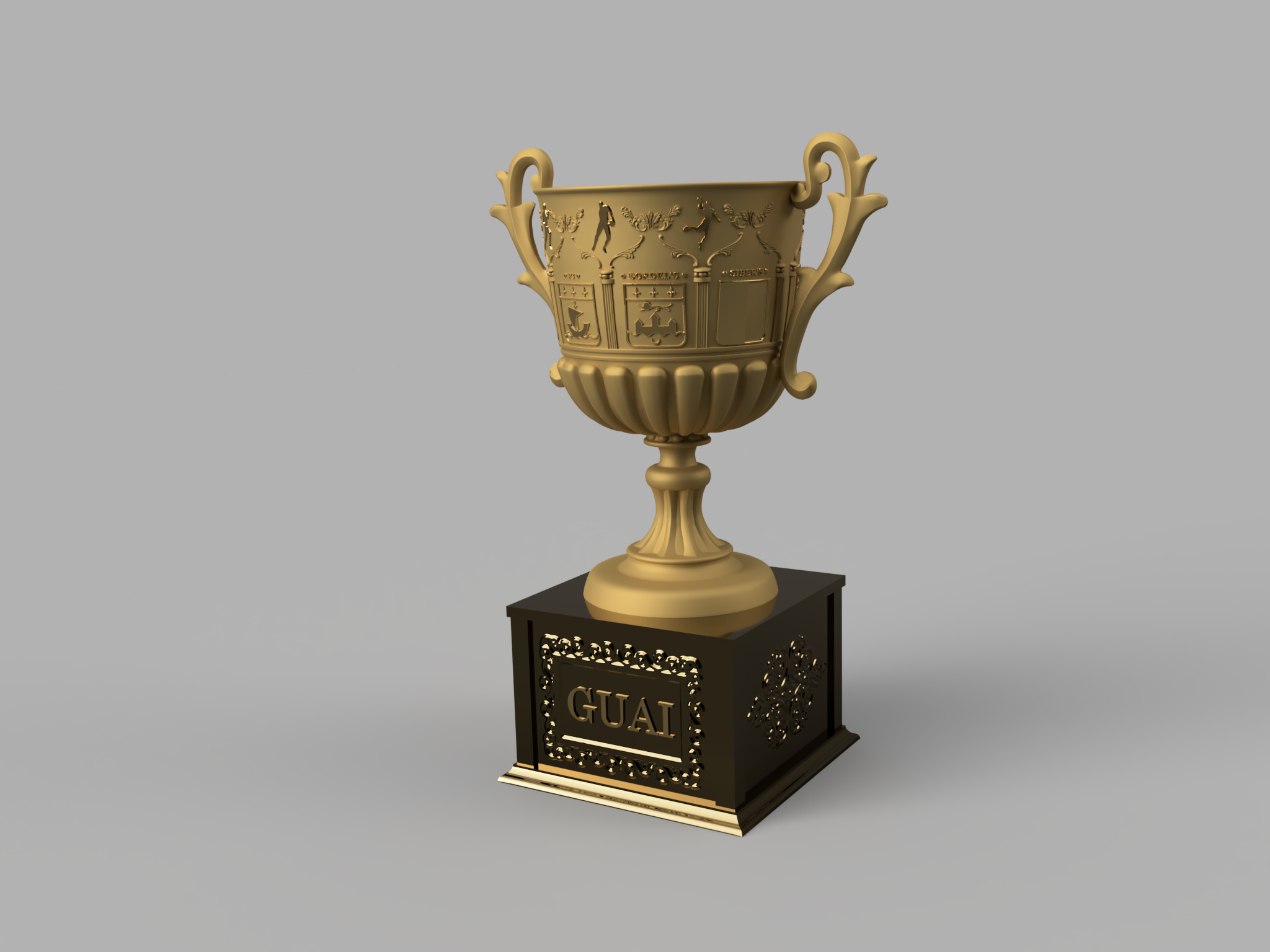
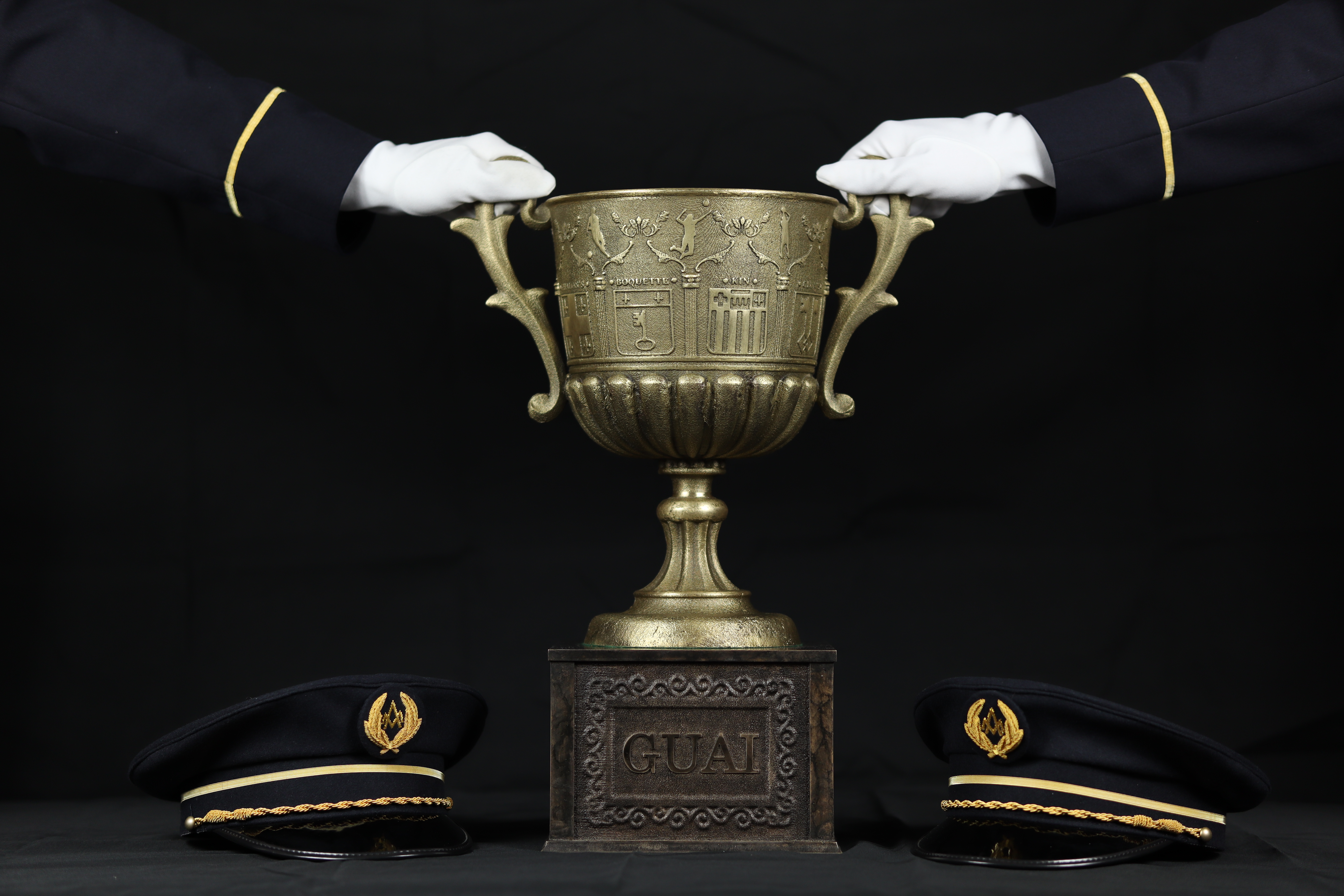
Mathias and Nathan produced the first sketches by hand, based on all our ideas and reworked images. These are the elements that can be seen on the upper part of the cup: the coats of arms of the eight campuses, silhouettes of athletes (soccer, volleyball, basketball, handball, rugby, and running), floral decorations, and handles.
The cup is not signed, but will bear our names and our class year.
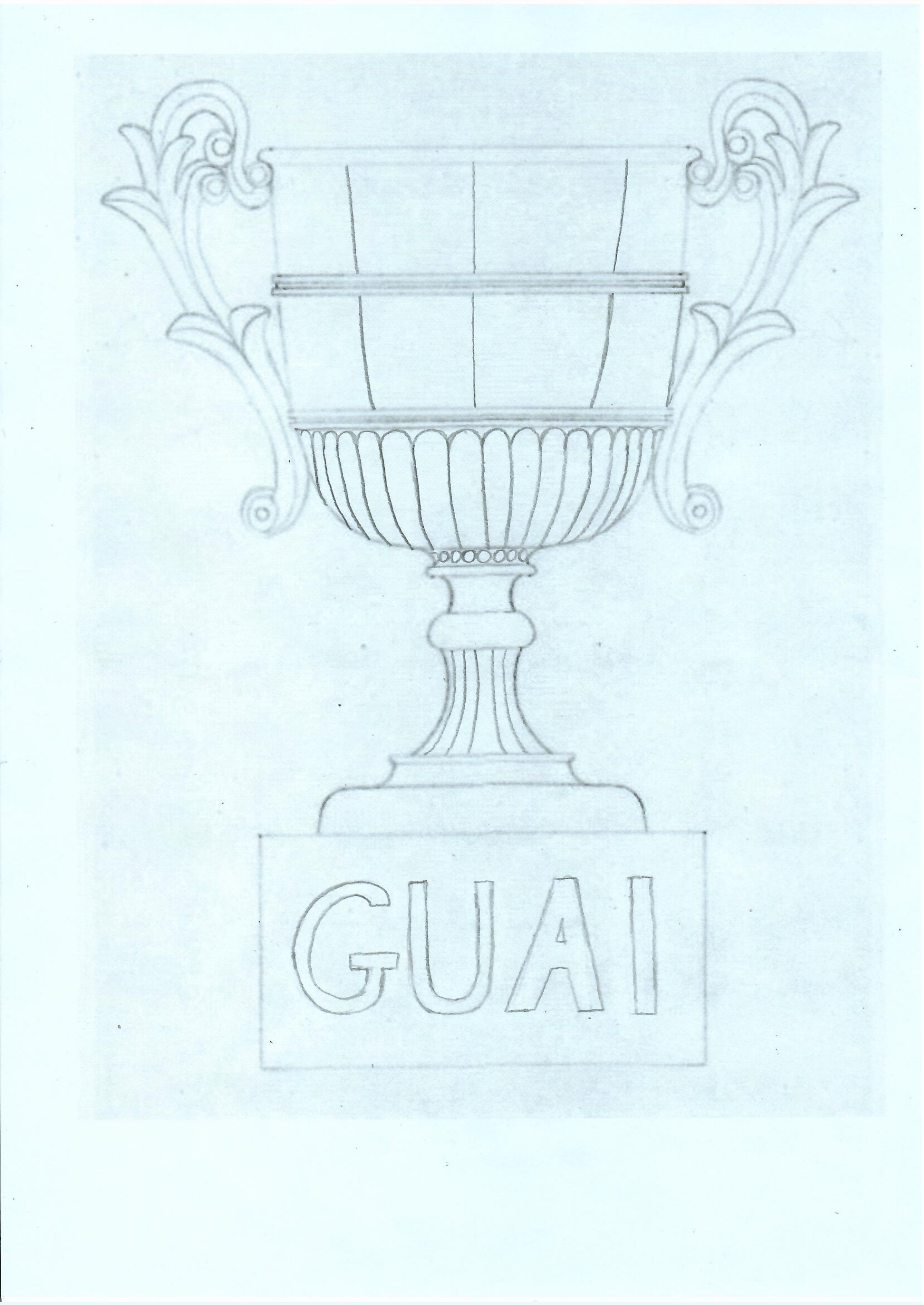
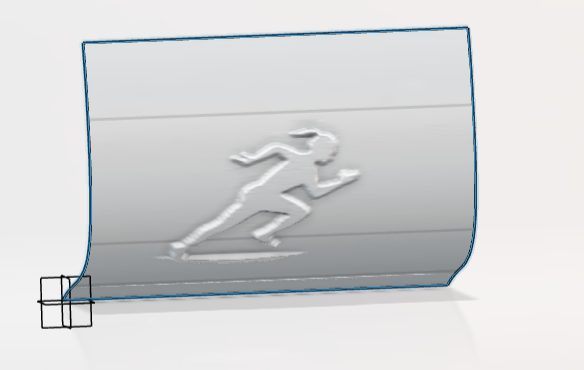
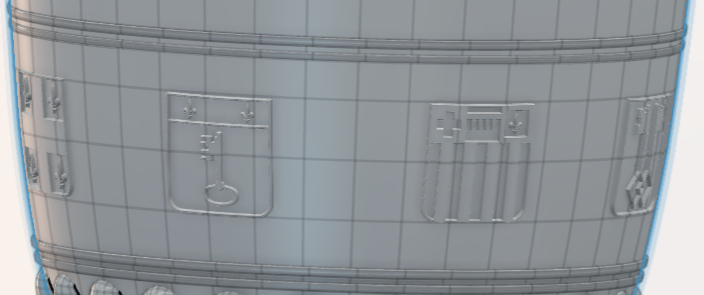
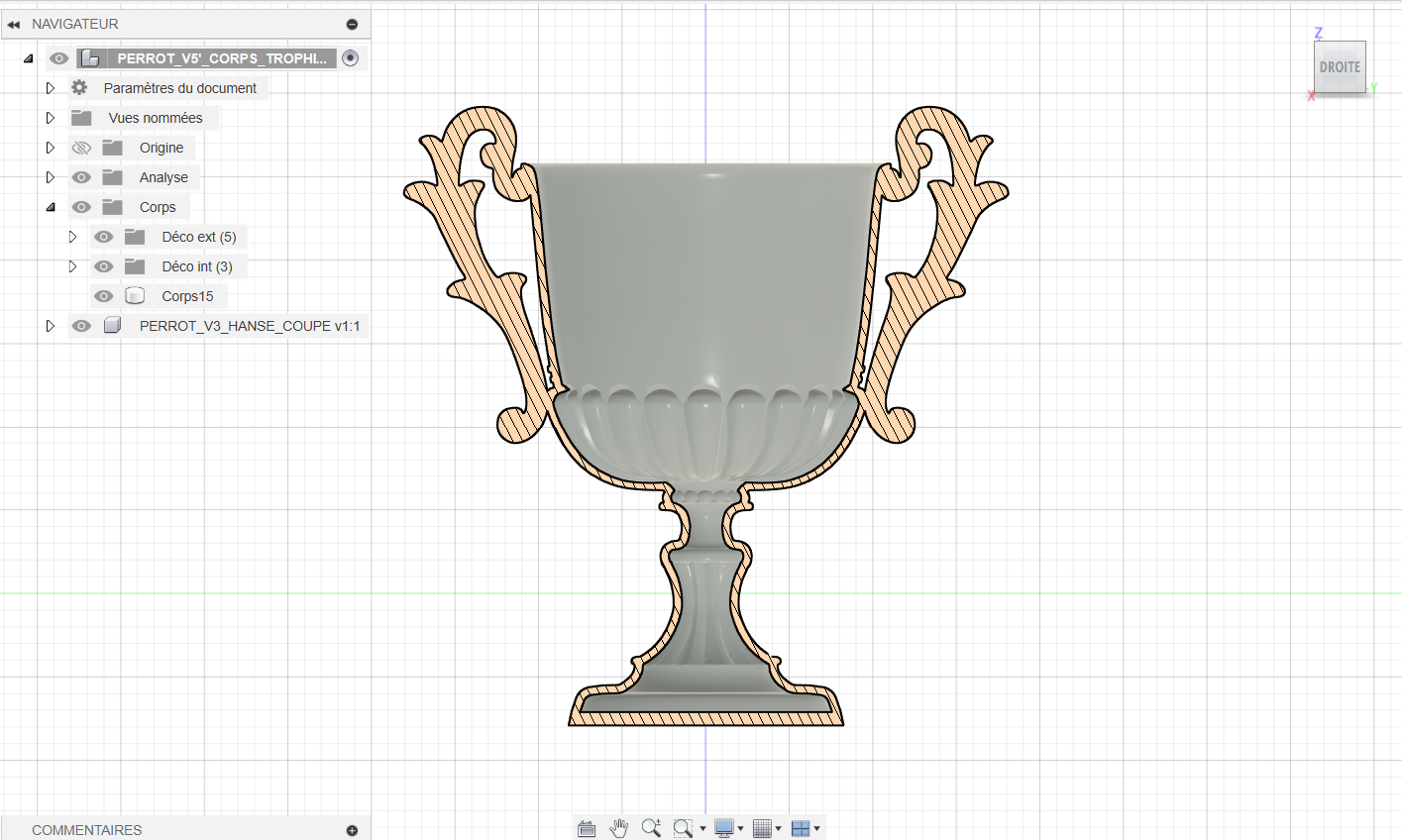
We then created the 3D model based on our sketches using the "3DExperience" software.
How long have you been working on this project?
Our work began in February. Once the team was formed, we proposed that the design of this cup be integrated into our course program. During the PJT sessions, we were supervised by a team of teachers and technicians from the foundry, boilermaking, and machining workshops.
We had access to the workshops' equipment, including a 3D sand printer, a melting furnace, simulation software, and a machining machine.
Manufacturing is a team effort. How did it go?
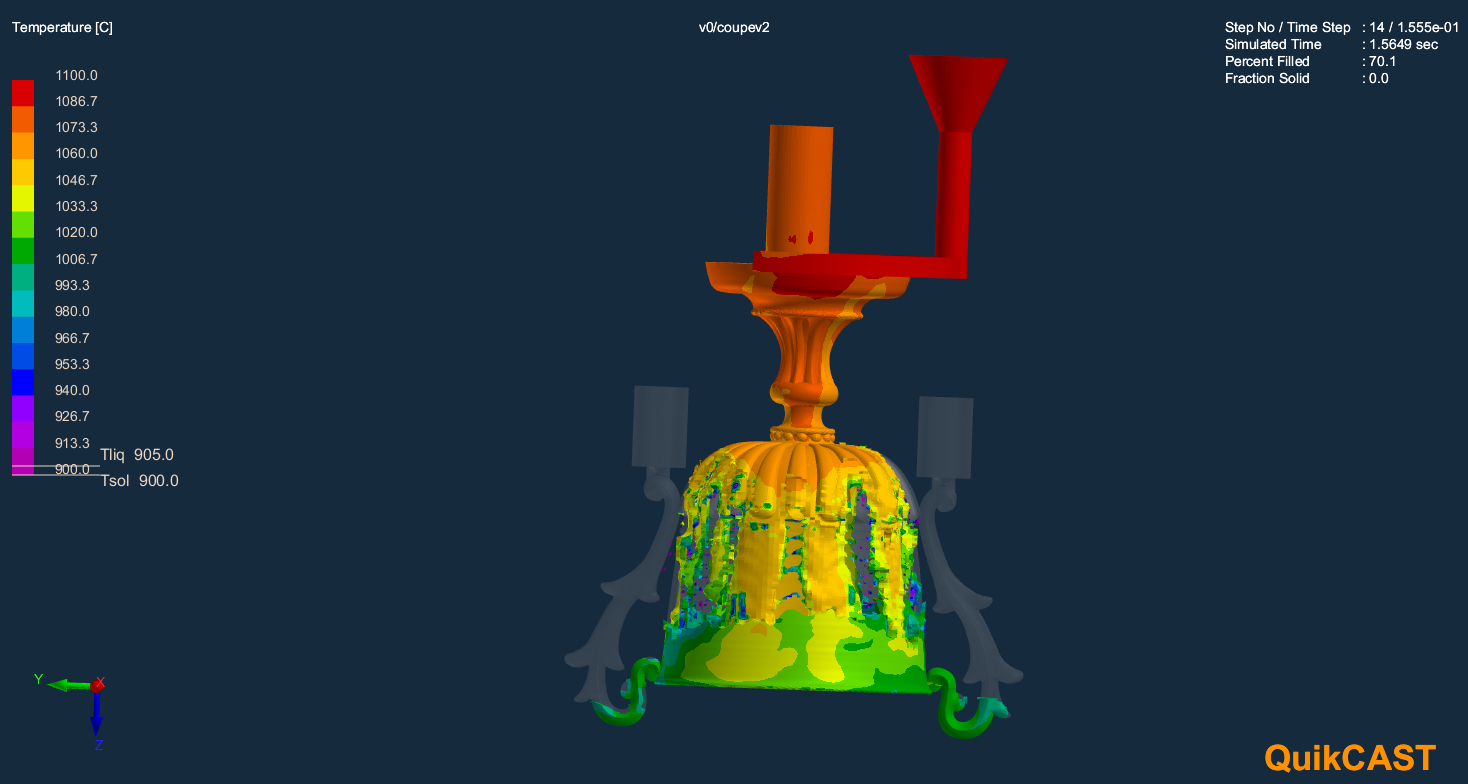
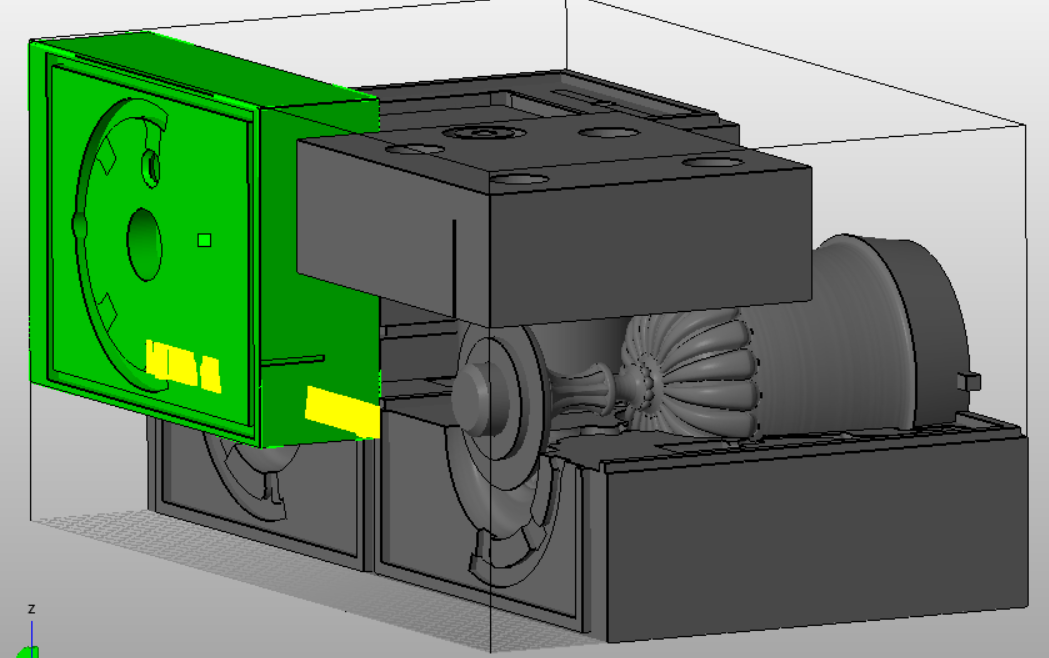
After creating the 3D model, we carried out casting simulations for the two parts that make up the trophy. We went back and forth between our simulations and the 3D model many times, as in any manufacturing project, which took almost three months.
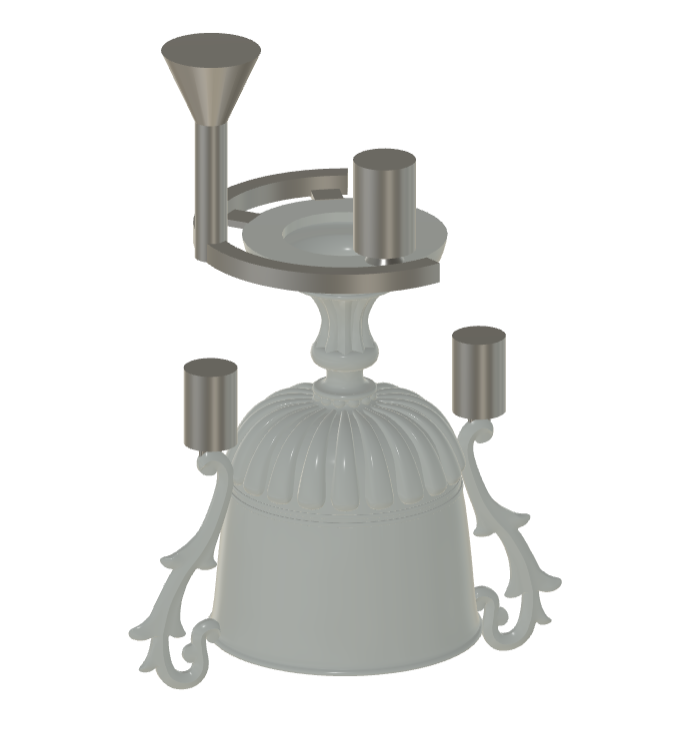
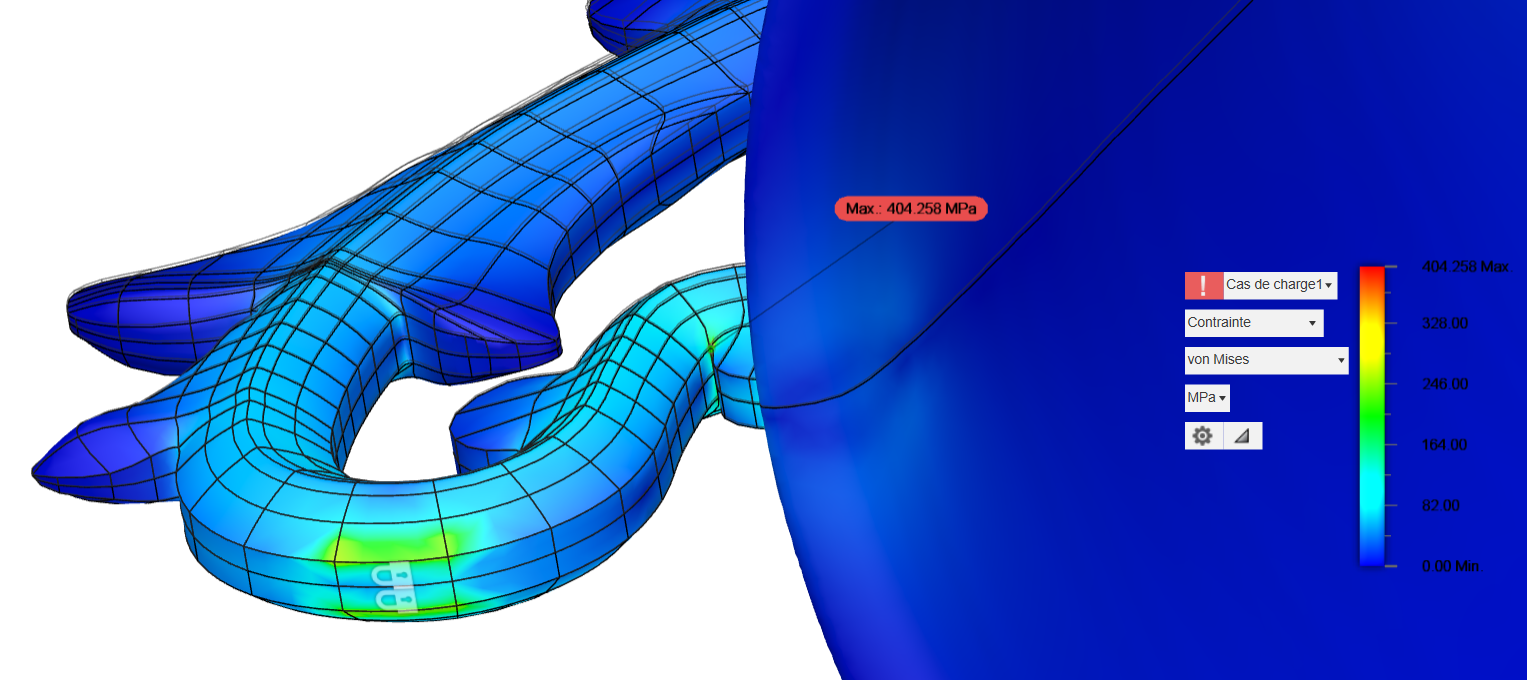
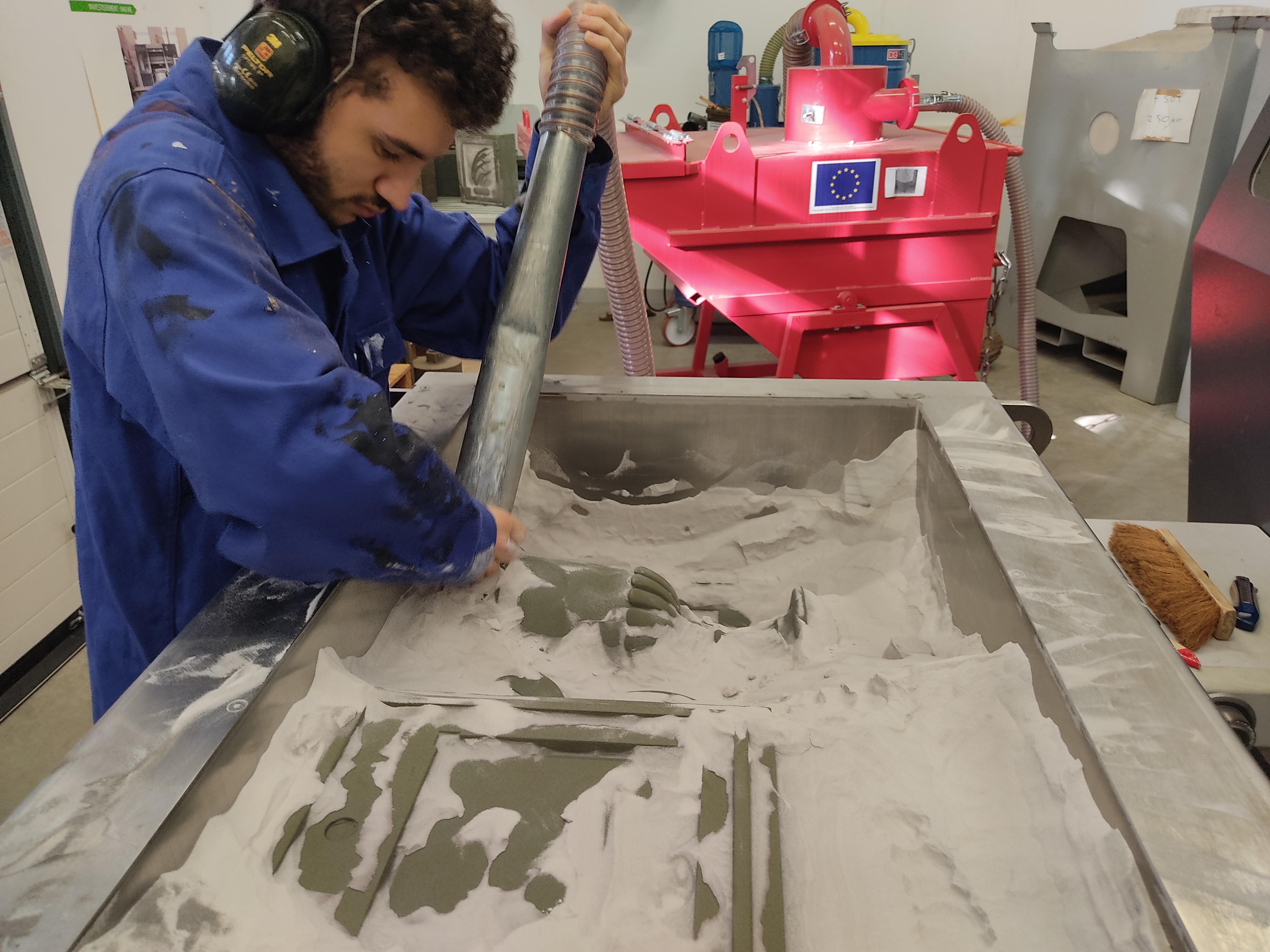
Once the 3D model had been approved by Ms. Bedel, a teacher-researcher in foundry technology, all the parts of the molds into which the metal would be poured were printed by J. Bourgeois, a foundry engineer, using the campus workshop's sand 3D printer. The mold for the trophy base was broken down into four parts and the mold for the trophy cup into seven parts to facilitate the removal of powder from the molds.
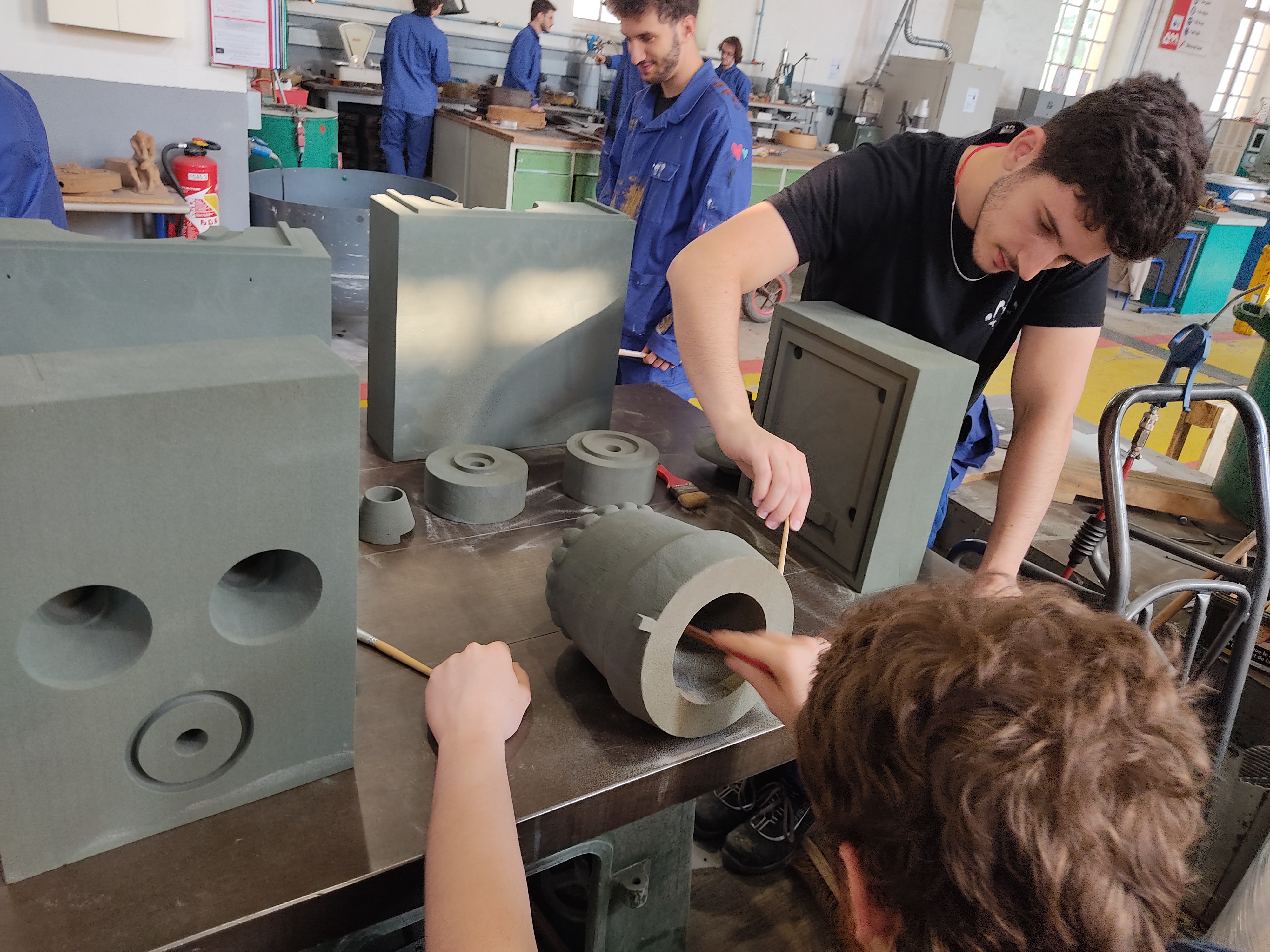
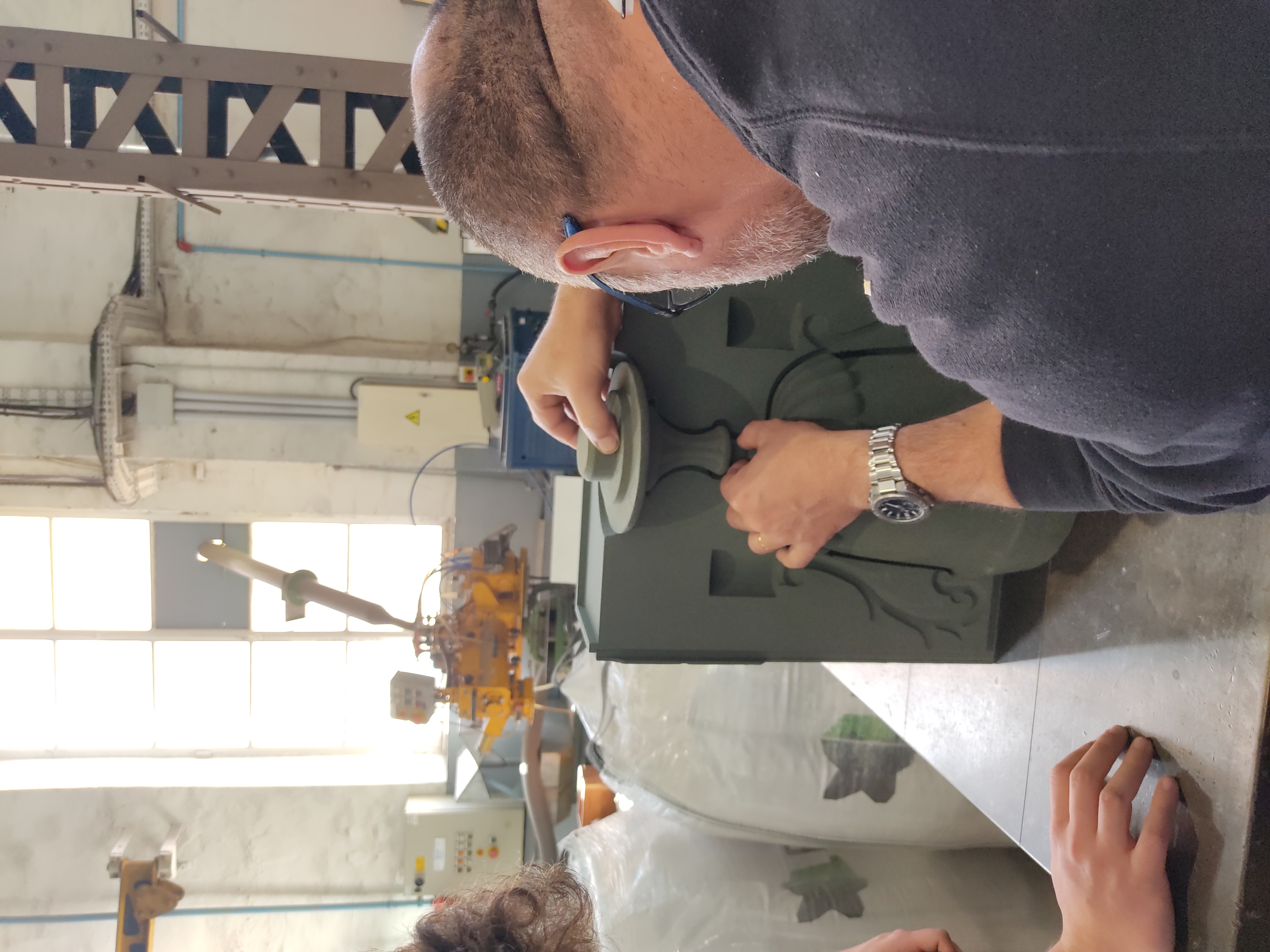
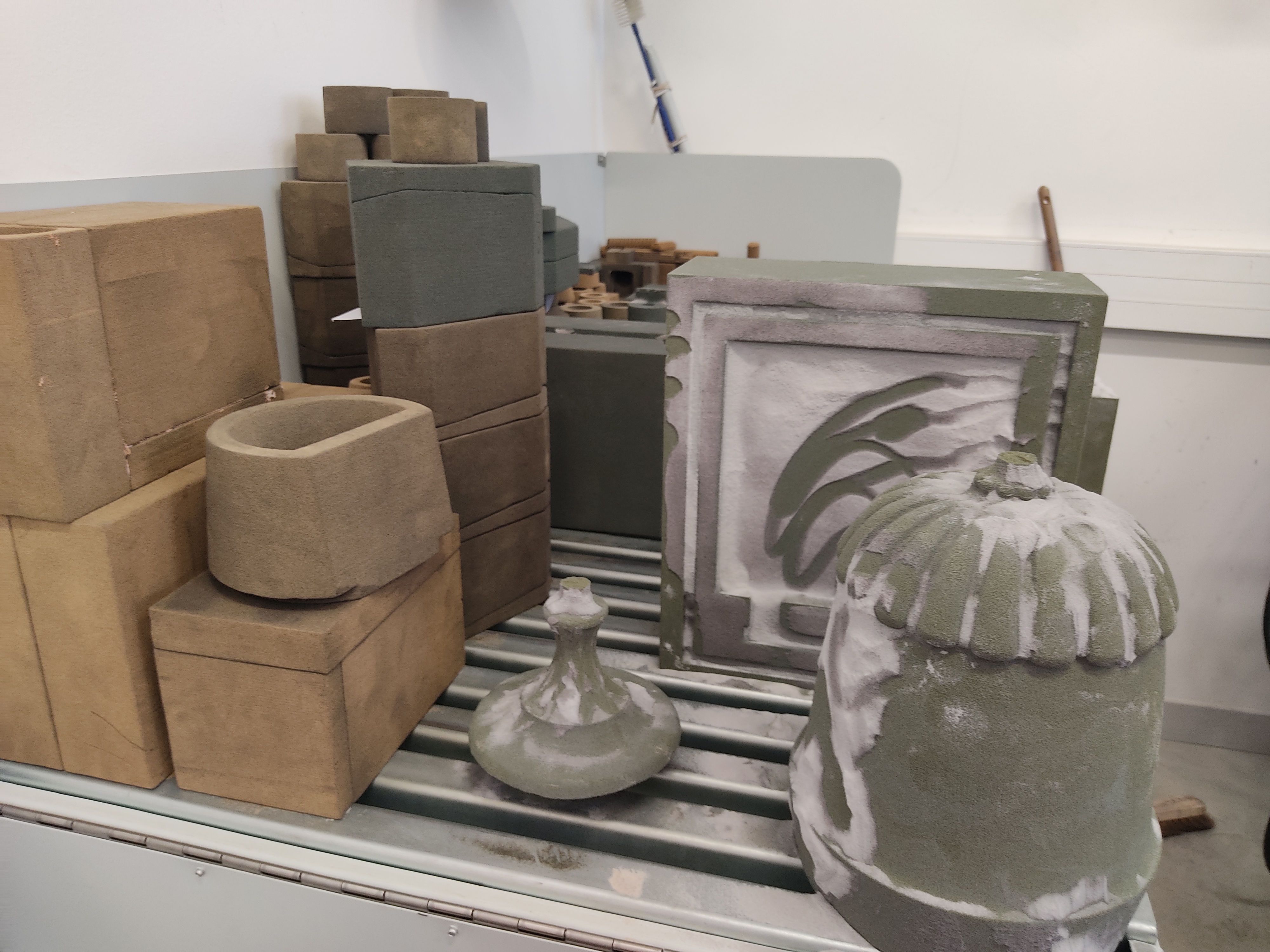
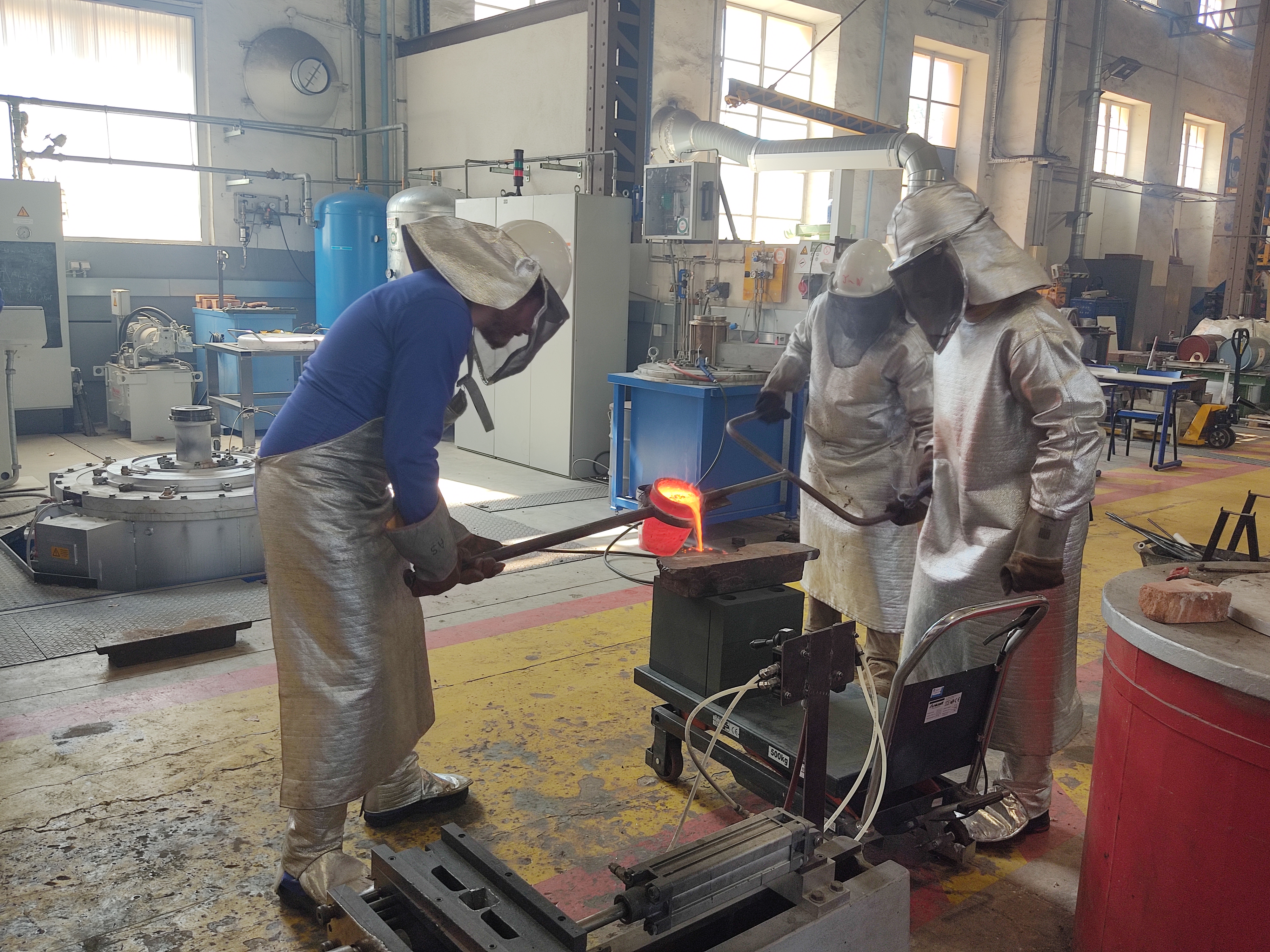
We then removed, cleaned, and assembled the two molds to perform the two castings on April 19, under the supervision of J. Nègre, foundry engineer.
The recycled materials used (brass and bronze) were de-ironized by him in order to save time in the production of the trophy.
The base of the trophy is made of bronze and the cup is made of brass.
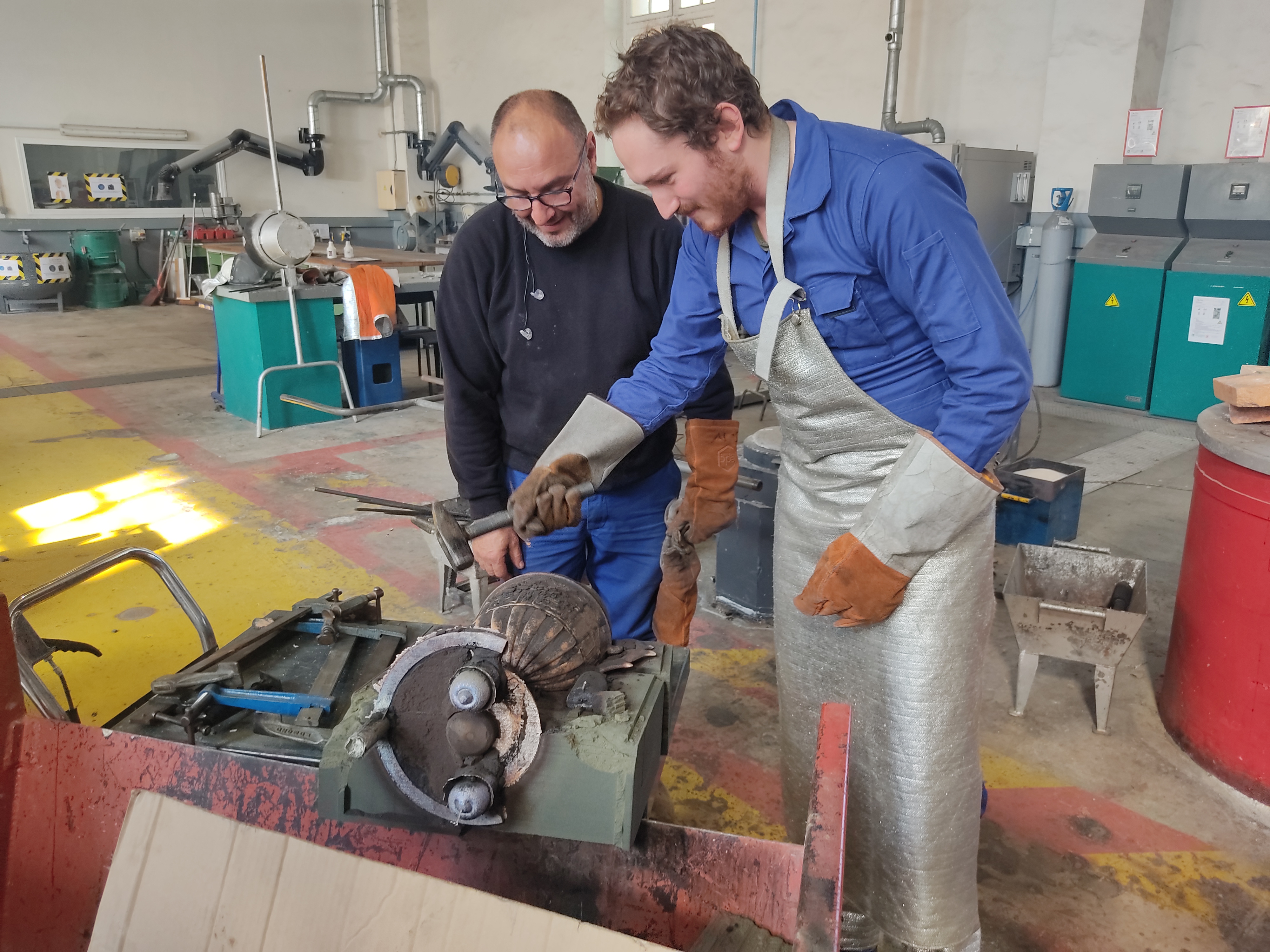
Once the deburring stage was complete, we repaired the defects with the help of J. Borra, a metalworking technician. There were holes in the cut due to incorrect positioning of the core and deformations on the base caused by sand entrainment.
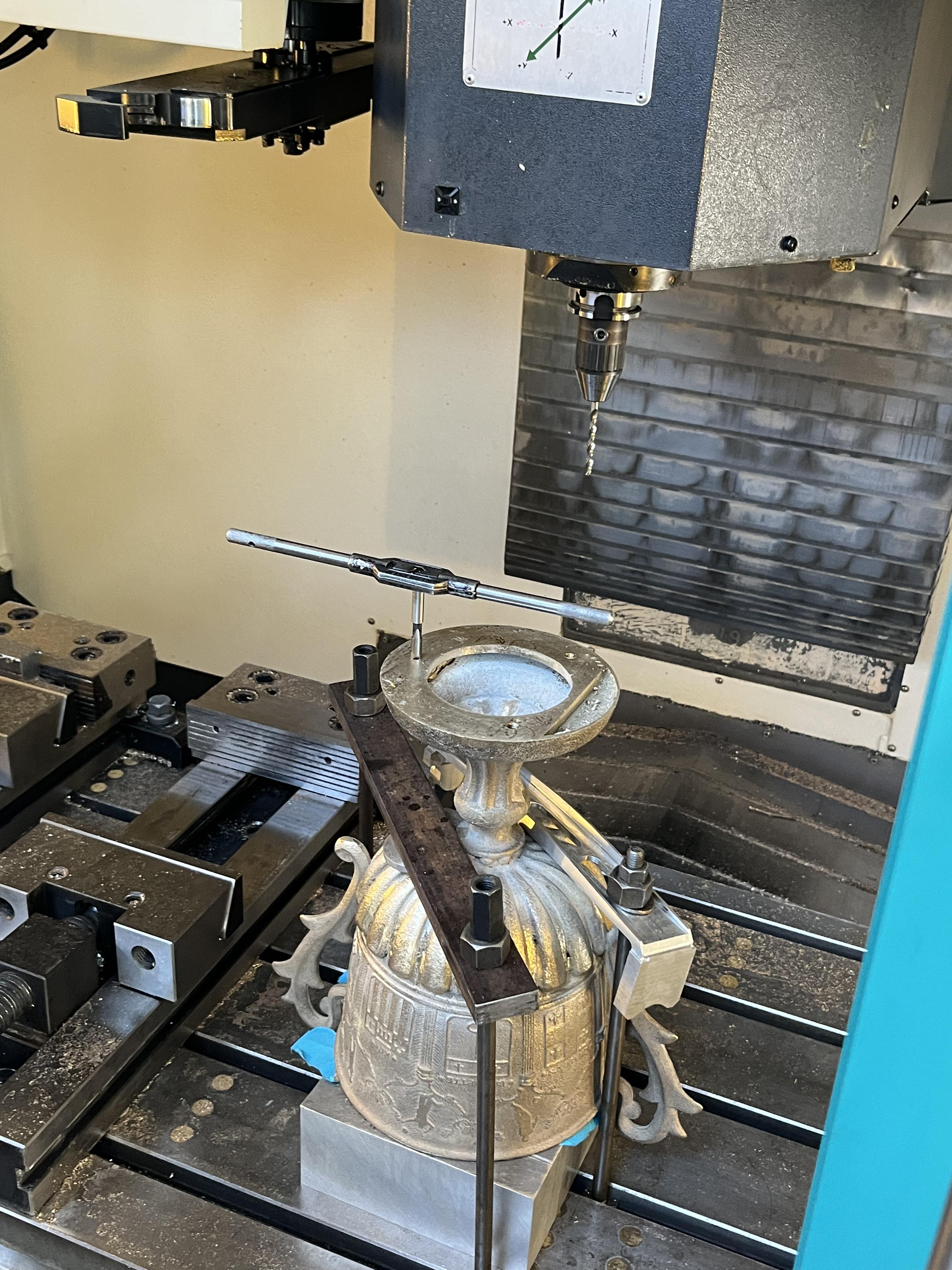
Once the parts were ready, we machined them with the help of J. Vincenti, a machining teacher, so that we could assemble the two parts together.
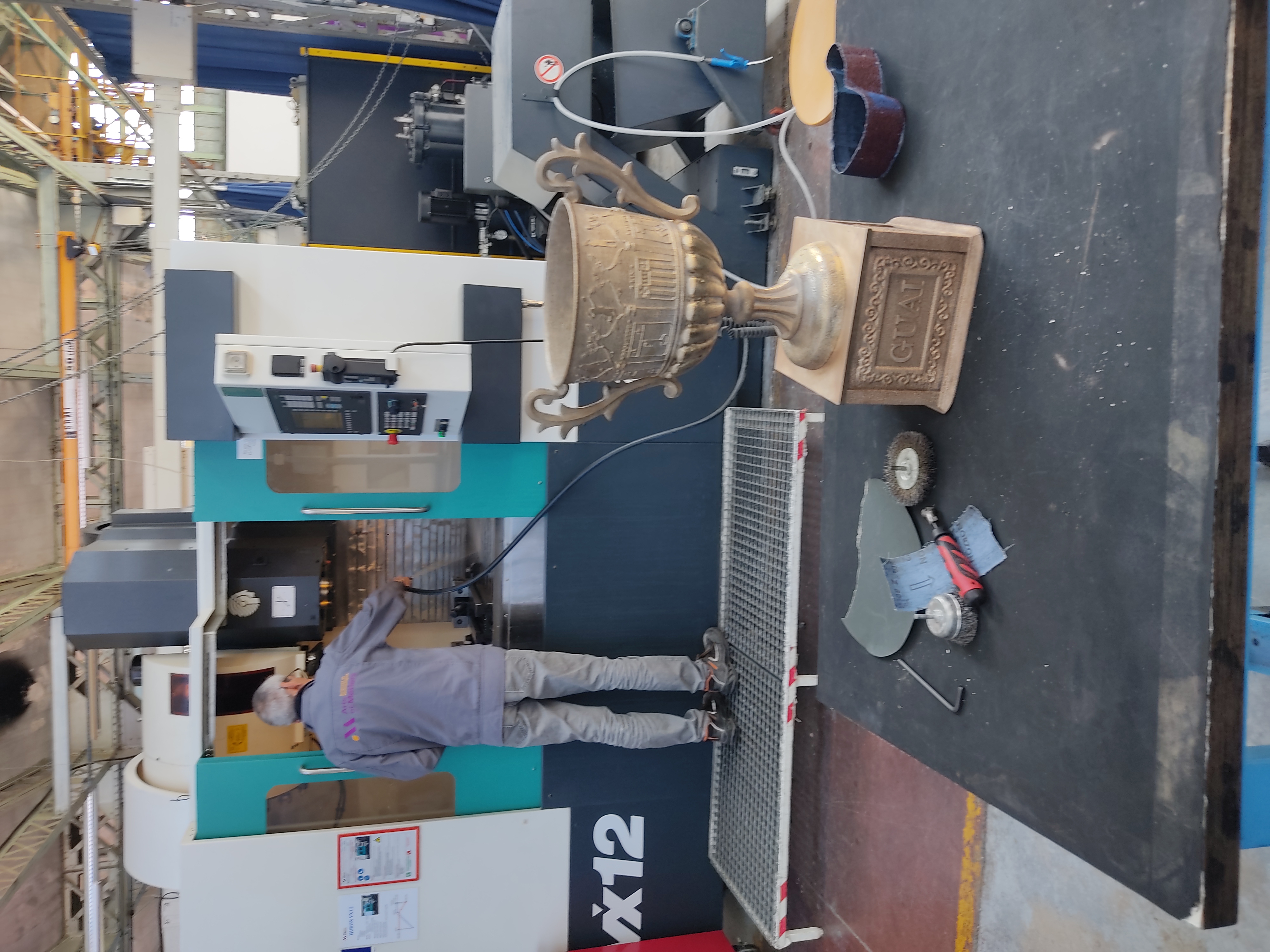
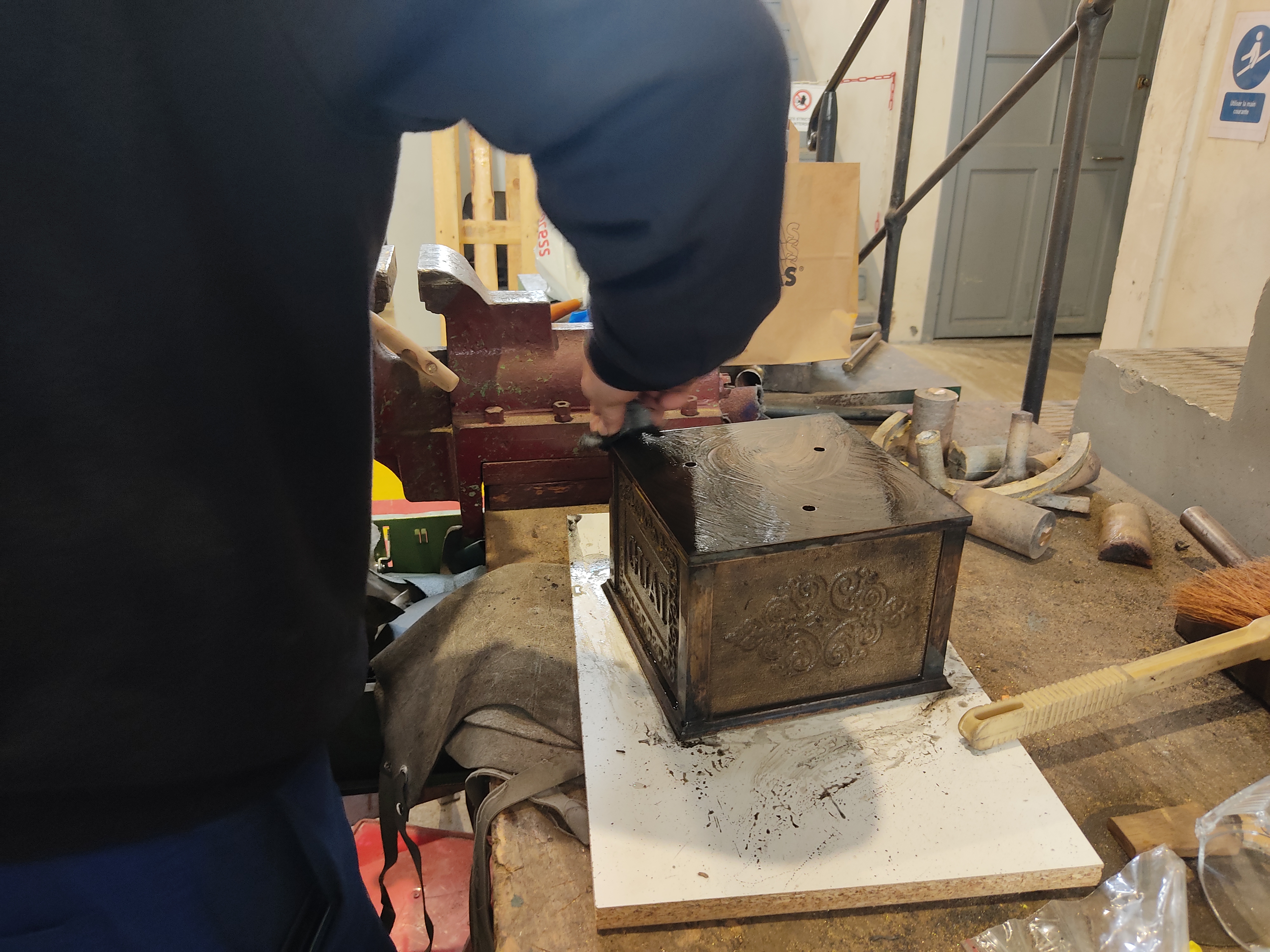
For a more aesthetic look, we chose to polish certain parts of the cup and apply a black patina to the base, and we added wax.
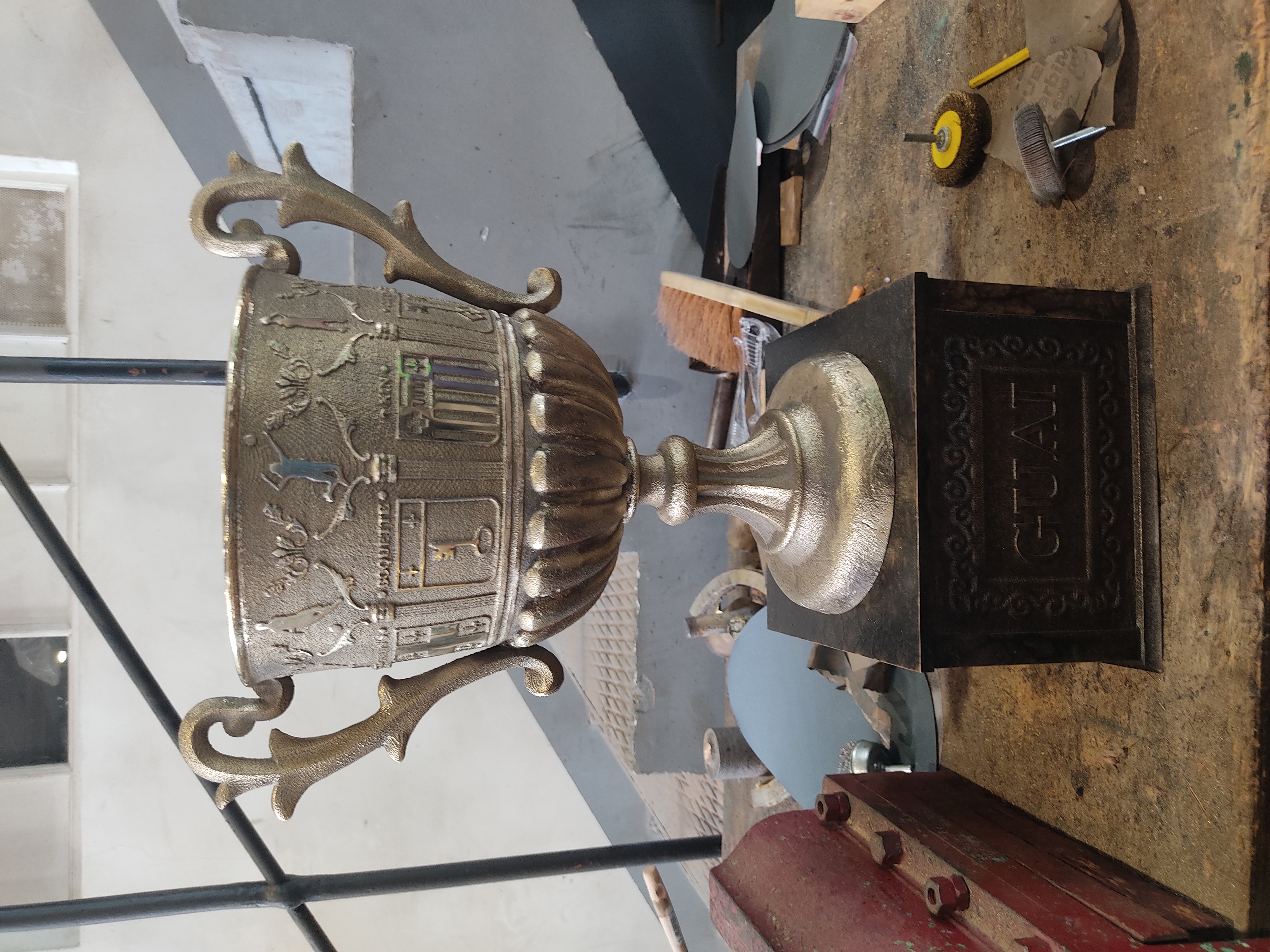
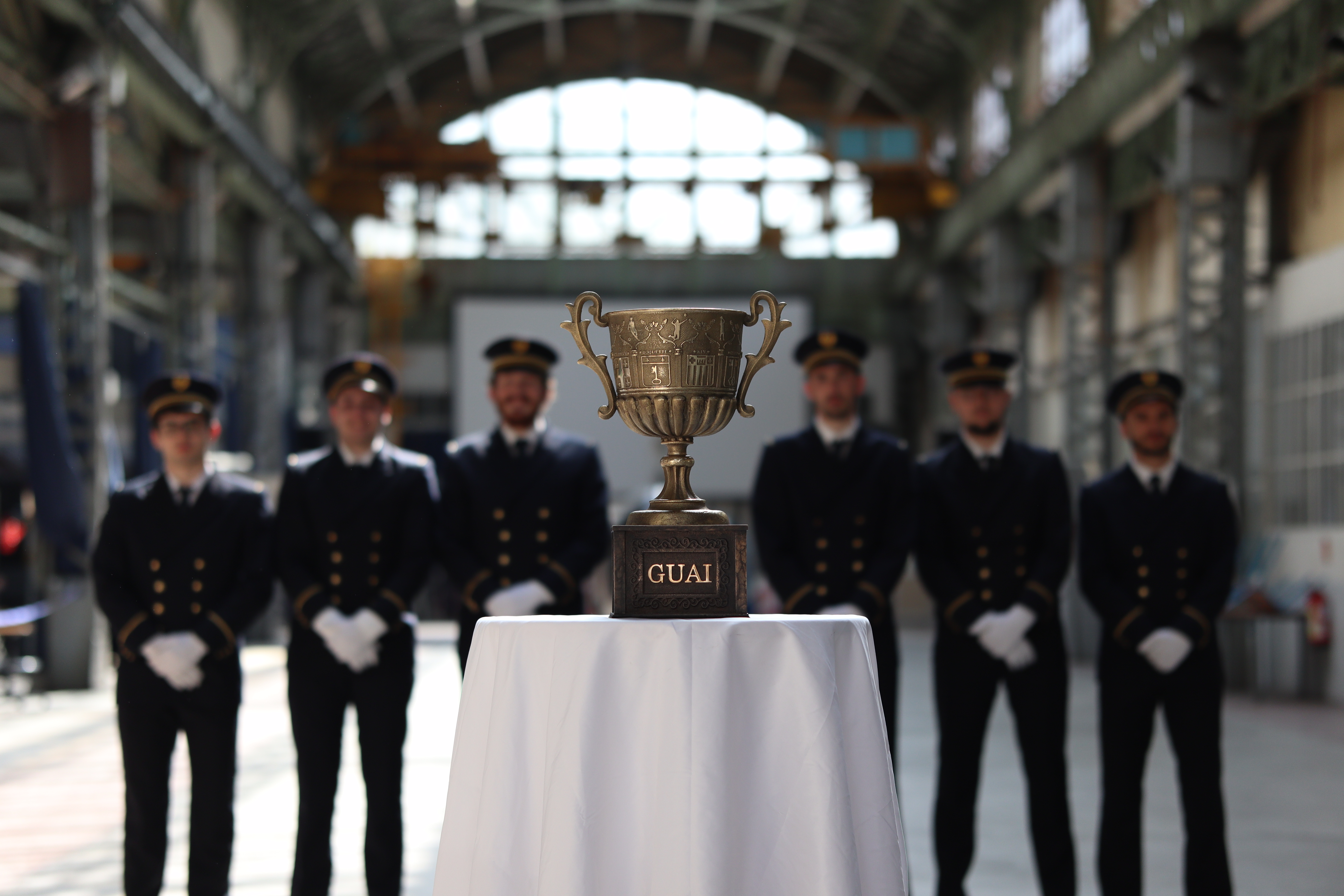
The cup was ready in early May, just before the start of the Great UAI. It weighs 18 kg, measures 50 cm, and has a diameter of 21 cm.
Where is the cup currently located?
The Aix-en-Provence campus won the Grandes UAI this year. The trophy is currently on display in the residence hall atrium. It will be up for grabs again next year during the upcoming sporting events.
What did you learn from this project?
In terms of technical skills, thanks to the fundamentals we learned in class, we are able to design 3D models of complex parts, perform foundry calculations and simulations, prepare molds, castings, and the entire post-casting process, and weld with a torch.
In terms of soft skills, this experience taught us a lot. We worked with many different people, including some from outside the campus, and gained experience in planning and team management. We learned to adapt to unexpected events and manage our communication around the project (creating a photo report, posting on social media, inviting certain students to attend the casting on April 19).
We are extremely grateful to the teaching team for their support, expertise, and the quality of the discussions we had. We are proud of our teamwork.
Contact Student team: mathias.perrot@ensam.eu; gabriel.coulombe@ensam.eu; louis.freches@ensam.eu; clement.donadey@ensam.eu; nathan.blatrix@ensam.eu
ContactTeaching staff MSMP Laboratory: Marie Bedel, lecturer and researcher; Jacques Borra, metalworking technician; Jérémie Bourgeois, foundry engineer; Julien Nègre, foundry engineer; and Jean Vincenti, machining instructor
Contact Teaching staff LISPEN Laboratory: Prof. Philippe Véron, lecturer and researcher
Photo copyright: Alexandre Titren