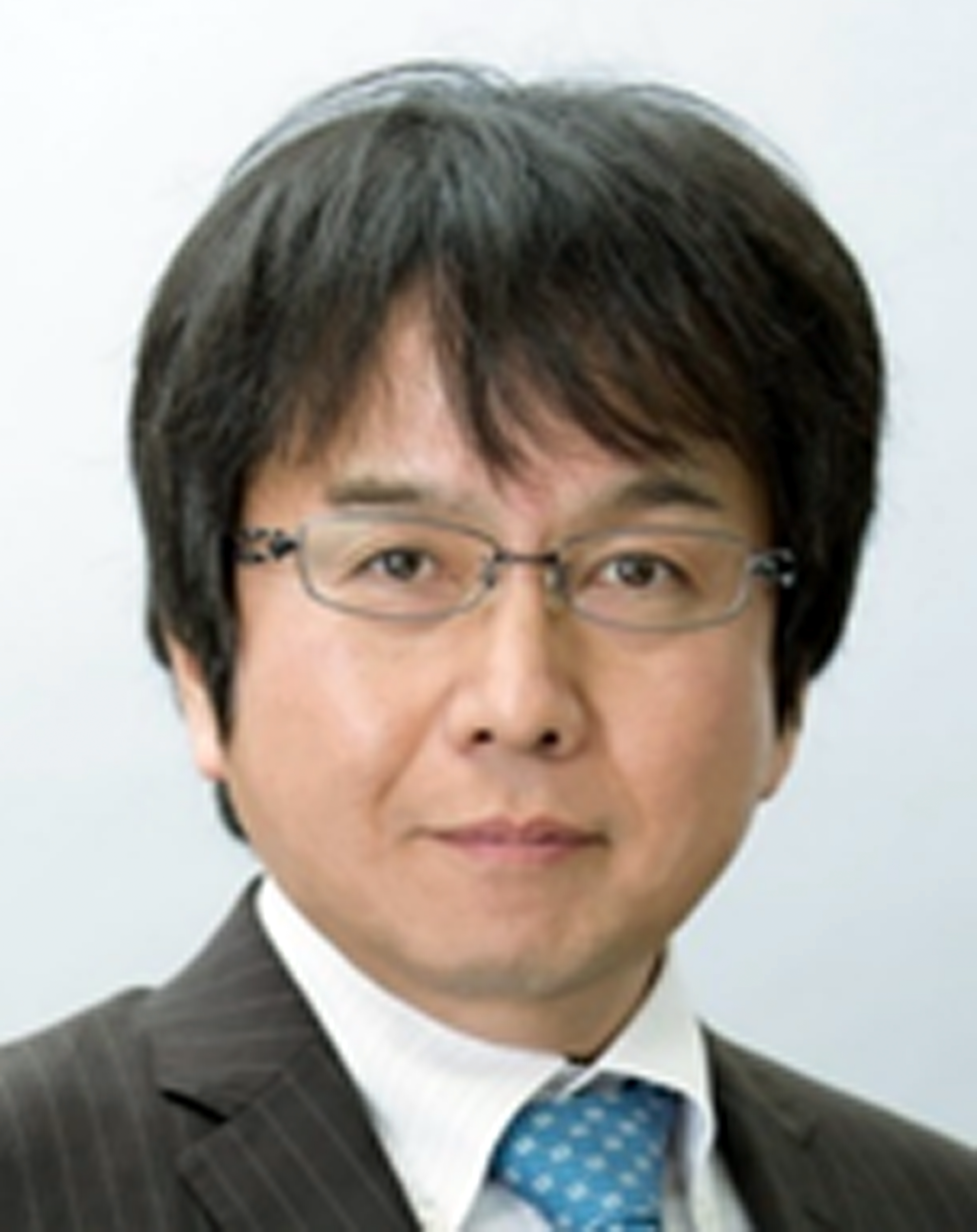
Hideyuki SAWADA is a professor at Waseda University, where he works on robotics and sound, image, and touch processing. During his stay in France, he is sharing his experience on integrating tactile sensations into human interfaces as a visiting professor.
Can you tell us about your collaboration with Taha Ajnada and Christophe Giraud-Audine?
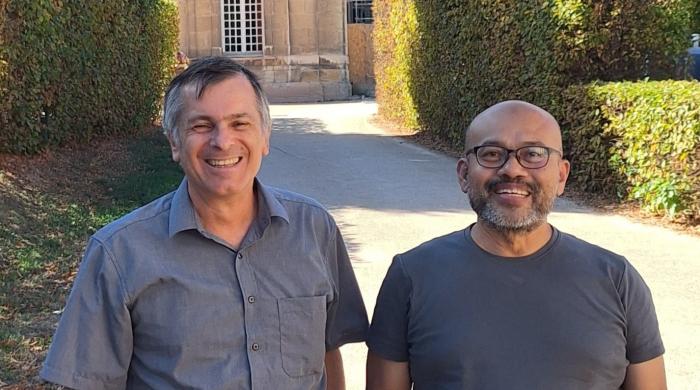
Dr. Taha Ajnada contacted me last year because he was interested in tactile studies and, more specifically, the sensation of touch. As I also work on devices that generate tactile sensations, I found this proposal for collaboration very interesting and decided to accept the invitation to stay at Arts et Métiers. I enjoyed the discussions and lectures I gave to students and researchers. We are considering exchanging students between our laboratories in order to further explore this research topic.
How did you feel during your stay?
I am enjoying my stay here, as well as the discussions with researchersArts et Métiers. After talking, we identified the need to establish a memorandum of understanding between the two institutions to initiate research collaboration and student exchanges. This is the usual first step in establishing a new collaboration.
What do you think about collaborations with other countries?
I have visited France more than 50 times due to other collaborations with universities in that country. It is always a pleasure. International collaboration brings different ideas, perhaps due to different cultures, which provide varied perspectives for the development of research. In addition, I think that the internationalization of students in laboratories is very important.
Did this enrich your research?
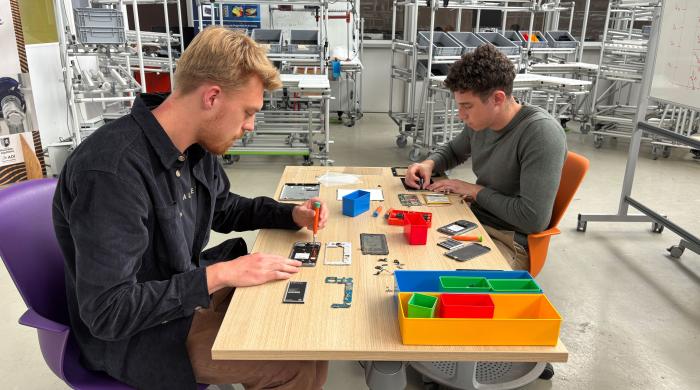
My collaboration with Taha and Christophe focuses on tactile studies, centered on measuring and presenting various tactile sensations. The goal is to enable communication not only through visual and auditory information, but also through tactile information. We use a special actuator with shape memory alloys to create small vibrations of up to one kilohertz. By touching the actuator, different tactile sensations can be felt and recognized. The central element of this new collaboration is the use of a new material, different from piezoelectric devices.
I also work with other French universities, particularly on image processing, machine learning, and mechatronic technologies, but the study of tactile sensations is exclusive to Arts et Métiers. Student exchanges will be an effective way to expand our collaboration. Students from Arts et Métiers in my lab to work with my students on developing these tactile devices. I also plan to send my students here to Arts et Métiers.
How did this research topic come about?
I really enjoyed physics and mathematics while studying at Waseda University, as well as their applications to engineering devices and systems. After completing my master's degree, I worked for a private company, but I wanted to write articles about my research findings. So I left my job after three years and returned to university to pursue a doctorate. That's how, about 20 years ago, I began my research on two-way telecommunication through tactile sensations.
At the time, we could only use visual and auditory information. I recognized the importance of tactile sensations in improving human interfaces and telecommunications. We developed new actuators using a shape memory alloy to provide different tactile sensations.
You also have a particular interest in AI and machine learning. What sparked this interest?
I began working on AI and machine learning during a research lab in my fourth year of undergraduate studies. In Japan, all students work in research labs for their final theses. The late 1980s and early 1990s saw the second boom in neural networks and machine learning, and I took courses on the mathematical theory of machine learning, which gave me a good understanding of neural network theories. As part of the lab project, I wrote code and tested it for automatic music generation and comprehension.
So far, I have been studying the mathematical theory of machine learning and trying to apply it to various fields, including robotic control, knowledge extraction from new physical phenomena, and the development of explainable AI.
What advice would you give to students interested in pursuing a research career in your field or in any other field?
I would simply advise young students to take advantage of the new discoveries that research offers. Engaging in research is interesting and brings new perspectives, rich discussions, and discoveries that can gain international recognition through scientific publications.
His career
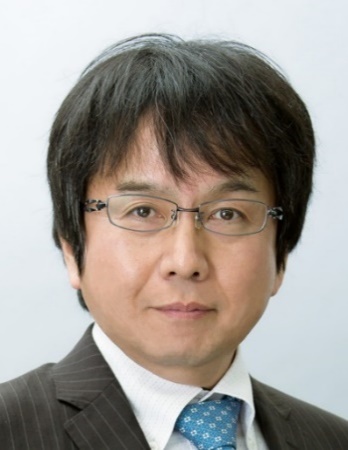
Born on August 7, 1967, in Hanyu City, Saitama Prefecture, Japan, he graduated with a degree in engineering from Waseda University in 1992. After working at Mitsui Mining & Smelting Co. Ltd. until 1995, he resumed his studies and obtained his doctorate in 1999. He was a researcher and associate professor at Kagawa University until 2009, then became a full professor in 2010. Since 2017, he has been a professor at Waseda University.