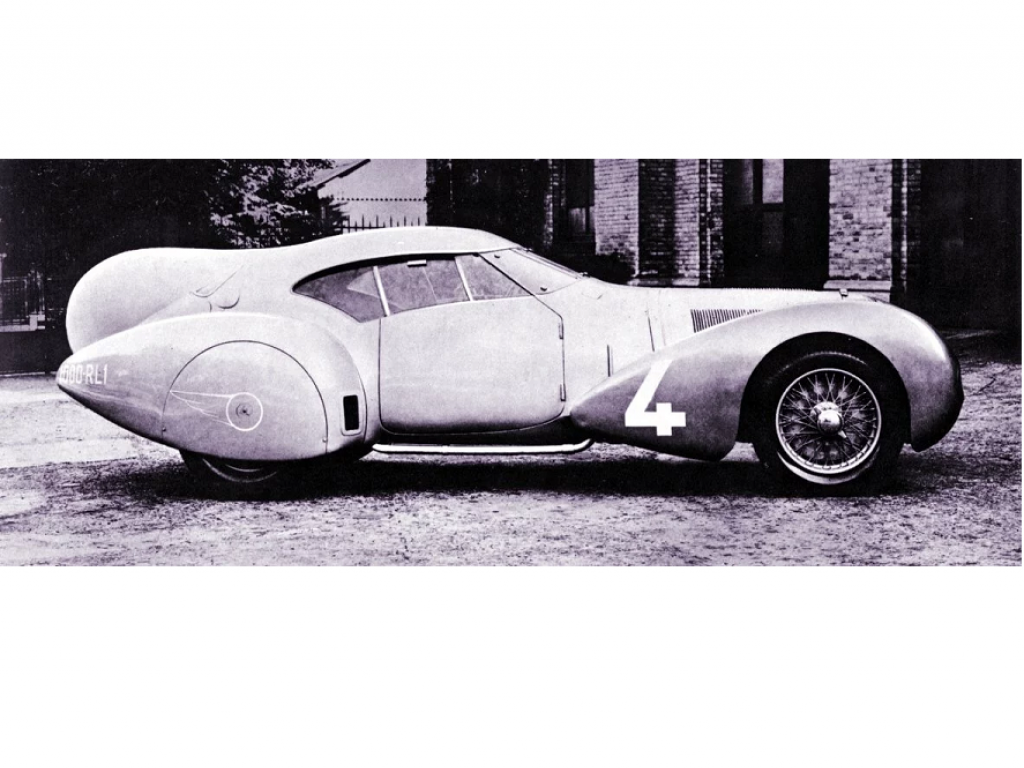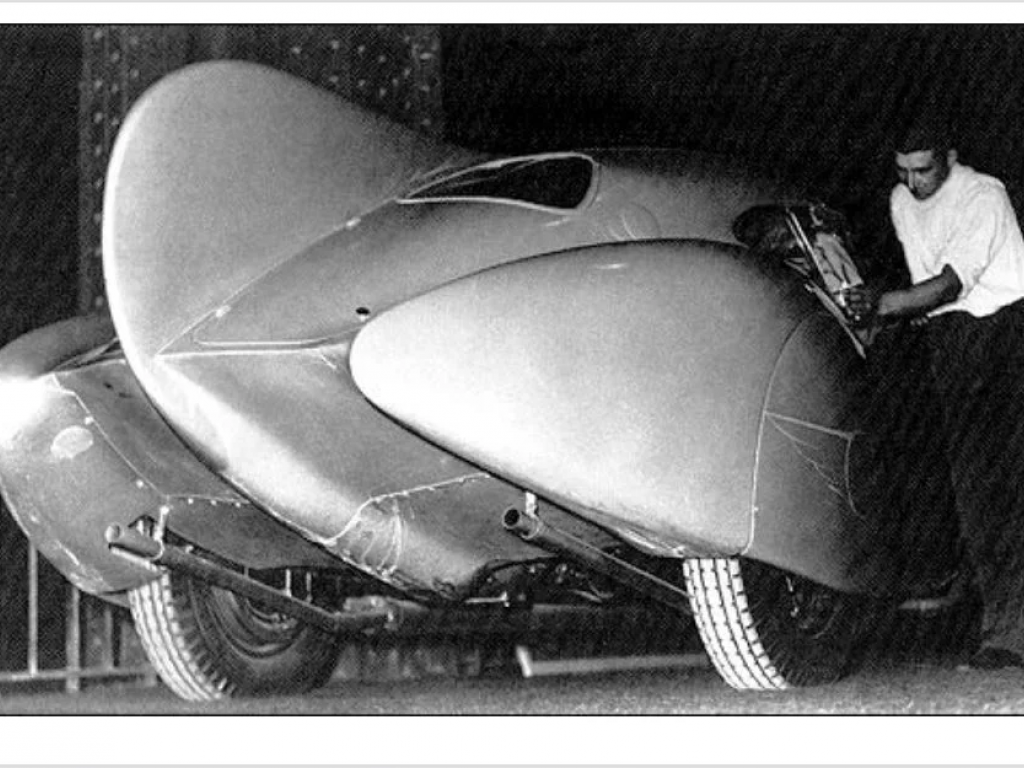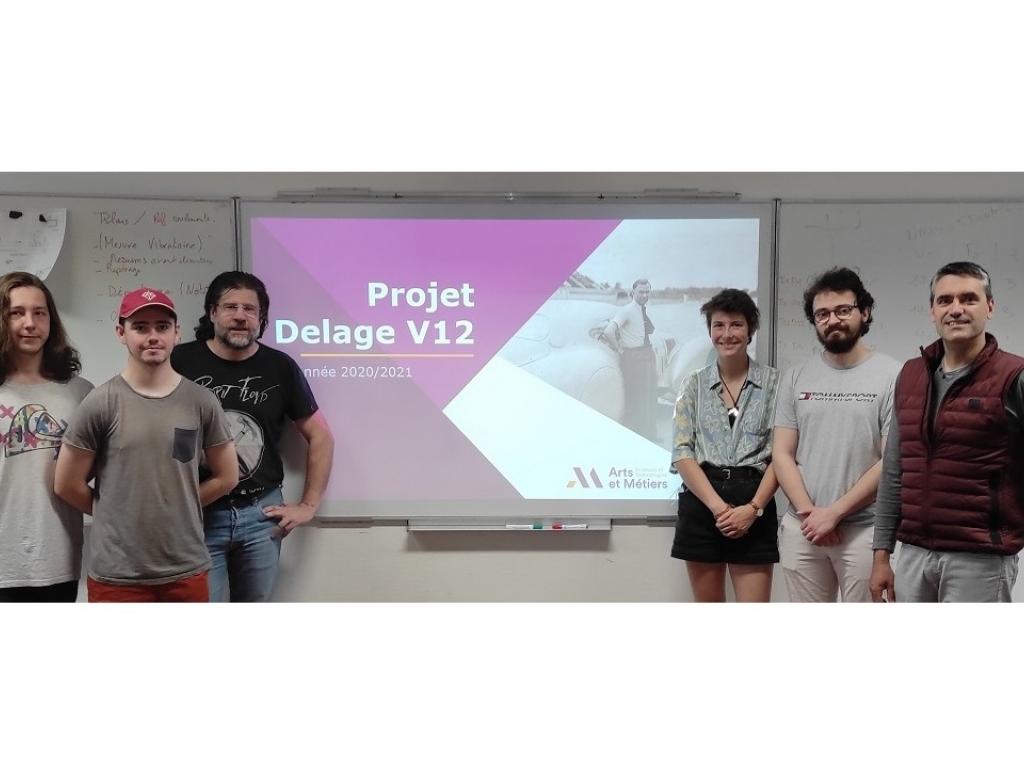
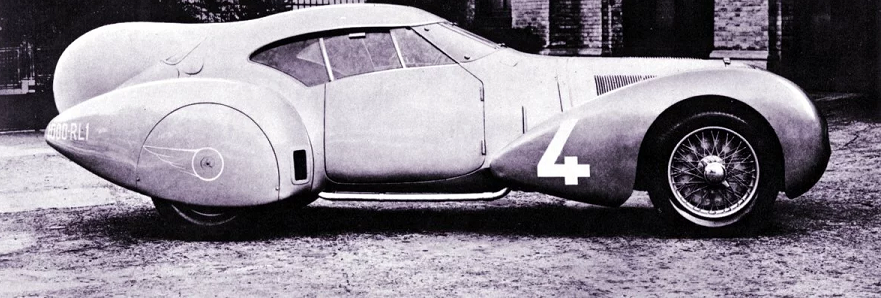
For the past two years, engineering students from the Grande École Program have been working on rebuilding the legendary Delage V12 Labourdette car. This project allows them to develop a wide range of theoretical and practical skills. Here's a look back at the progress made on some of the work initiated in Metz, Châlons-en-Champagne, Cluny, and Bordeaux-Talence.
When the bodywork influences the mechanics
Modeling the bodywork is crucial, as its shape and dimensions determine the dimensions of the engine, which must fit under the hood. Each certainty acquired in the dimensioning process is then passed on to the teams working on the engine so that they can readjust their calculations, and vice versa.
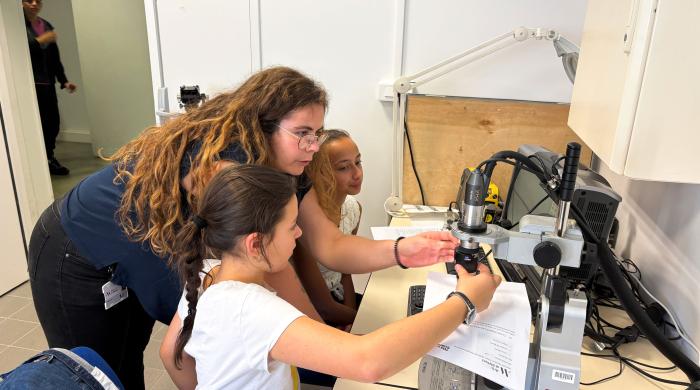
The work carried out by a second-year student at the Metz campus helped refine the overall look of the car, which was reconstructed based solely on a few photos from the 1920s and 1930s taken from different angles. By scanning a scale model of the car, her work helped validate the approach taken to reconstruct the bodywork, particularly the calculation of the car's characteristic curves.
These advances will now enable work to begin on the wooden structure of the car, as it was manufactured at the time.
Rebuilding the Delage V12 engine: a multi-campus project
Several groups of students from the Châlons-en-Champagne, Cluny, and Metz campuses worked on rebuilding the engine: mobile coupling, crankshaft, pistons, connecting rods, rocker arms, cylinder heads, radiator, water pump, and carburetors.
Study of the different parts
For example, third-year engineering students at the Châlons campus worked on oil flow inside cylinder heads. Theoretical calculations and tests led them to conclude that there was an internal groove in the cylinder head to facilitate downward flow toward the engine.
Using the cylinder head designs and numerous calculations, a third-year student determined the water flow rate required to cool the engine, as well as the characteristics of the cooling manifold and how the radiator should be attached.
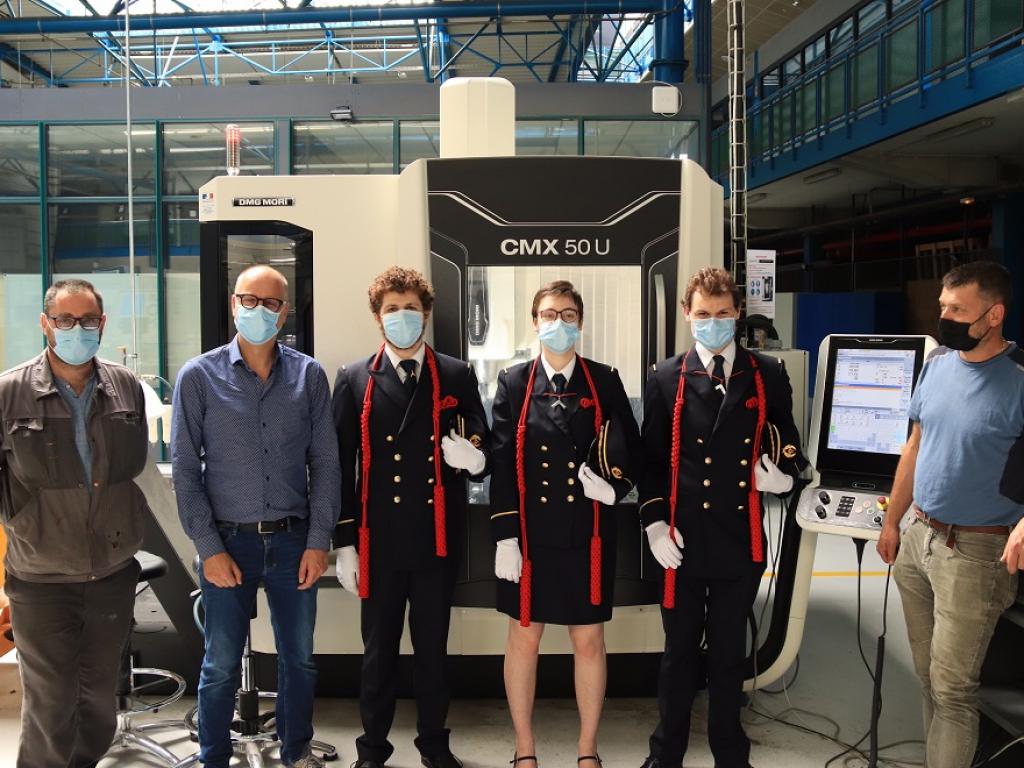
Another example: second-year students at the Metz campus discovered reverse engineering tools and methodology by reconstructing the 80 parts of a carburetor.
Alternatively, six students from Cluny used digital files created by students from Châlons to determine the characteristics of the stamping process and to size the cord and the burr housing for the rocker arms. This digital design and simulation work will result in the manufacture of the parts by a partner high school in Marseille.
Chassis reverse engineering
On the Bordeaux-Talence campus, four students worked specifically on the rear part of the chassis. To do this, they used another car as a reference, theDelahaye 135, the very same car that Albert Lory used as a basis for creating the Labourdette. One of the main differences between the two cars was the mounting of the leaf spring system, which was on the outside of the side members for the Delage V12 and on the inside for the Delahaye 135. The students from Bordeaux and Metz then digitized the entire chassis and rear axle and proposed modifications to the design, such as the attachment of the leaf springs and the length of the wheel drive shafts, thus completing the digital model of the car.
The car will soon be available for purchase.
Little by little, all the elements are being integrated into the digital model of the car. Next year, the manufacture of certain parts will enable the geometry and functioning to be validated, bringing the partners closer to the completion of the project and the return of the car to circulation.
Photo credits:www.delagev12.org/ Arts et Métiers