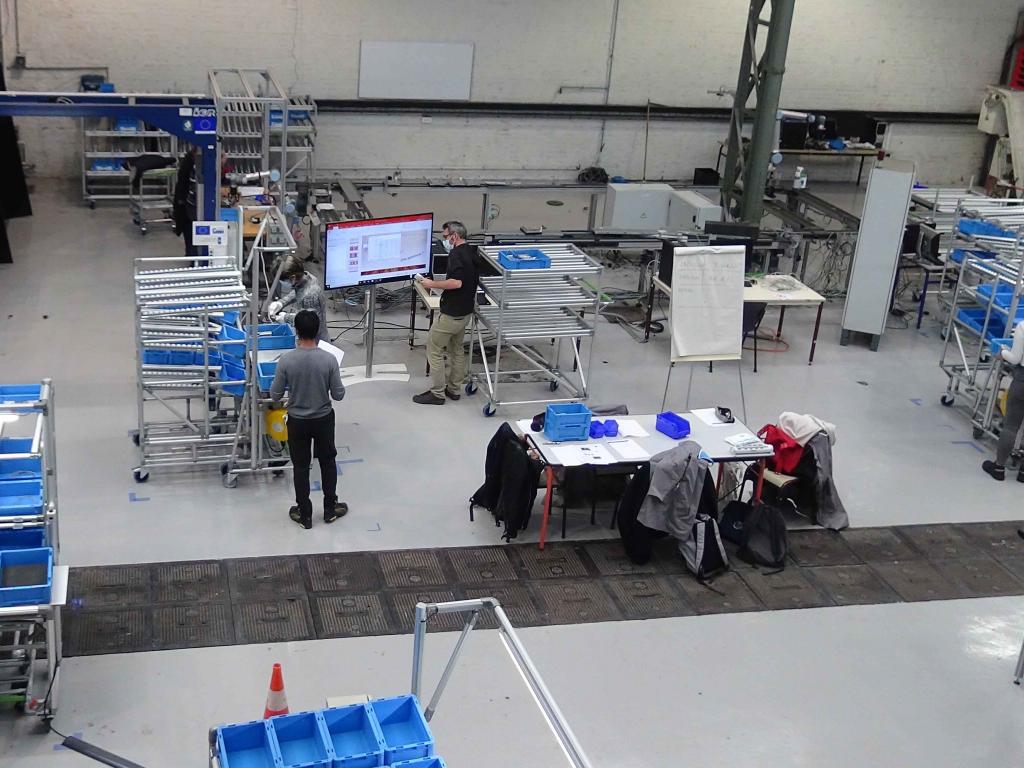

The Arts et Métiers campus Arts et Métiers Lille has equipped itself with a flexible and reconfigurable full-scale production line in order to offer industrial management courses that closely reflect industrial realities and to develop new areas of research.
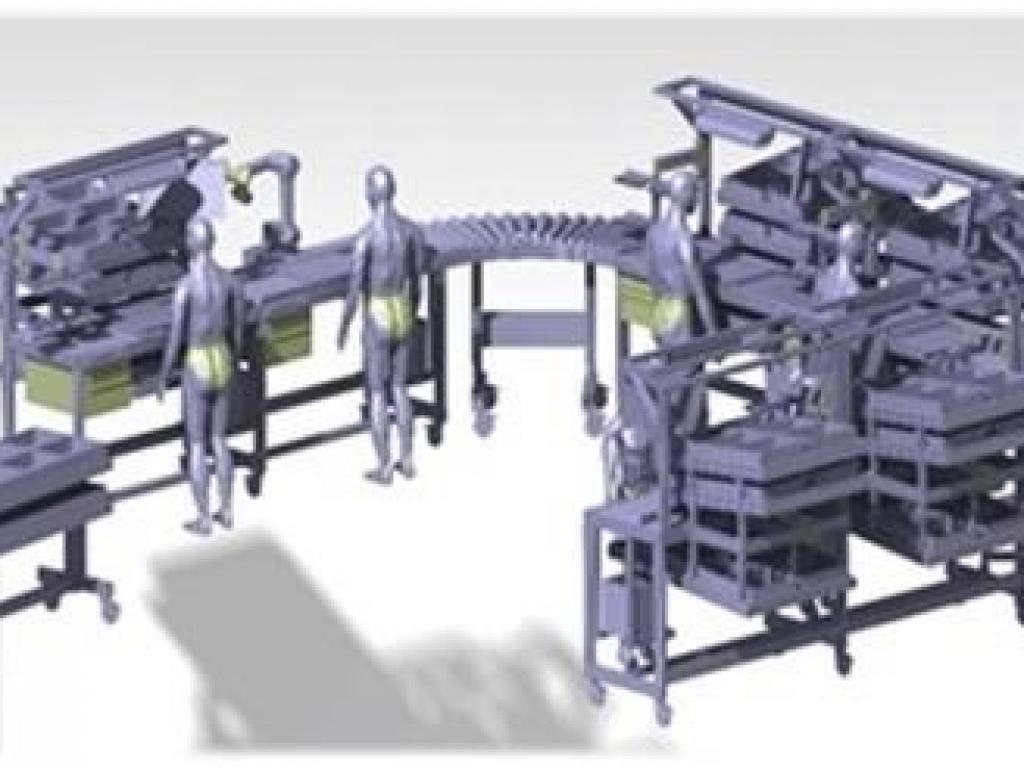
Flexible and reconfigurable: two adjectives that describe the new production tool installed on the Lille campus. Flexible because different products can be assembled on the same line, and reconfigurable because the line can be modified. " Today it is U-shaped because this is best suited to varied production, but tomorrow we could change its configuration to adapt to other demands," explains Anthony Quenehen, an industrial management teacher.
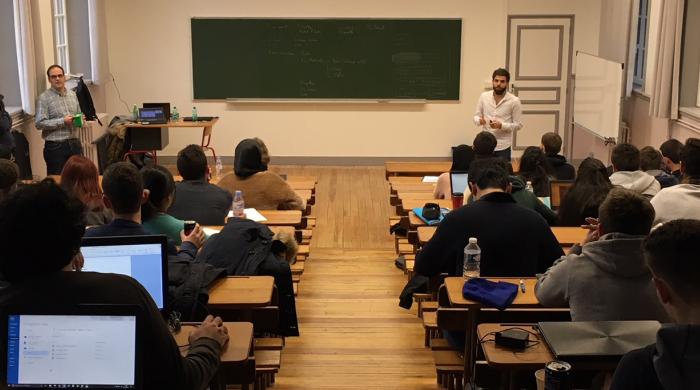
This tool responds to a desire to make industrial management teaching more practical and to provide a more accurate reflection of the issues encountered in the professional world. "Previously, we organized theoretical courses with process construction exercises on paper. Since the start of the 2020 academic year, classes have been held on the U-shaped line: the issues are brought to life, and teaching is more stimulating because it is by doing that we learn best," continues Anthony. The tool is used for first-year students' practical work, second-year students' projects, and third-year industrial management classes.
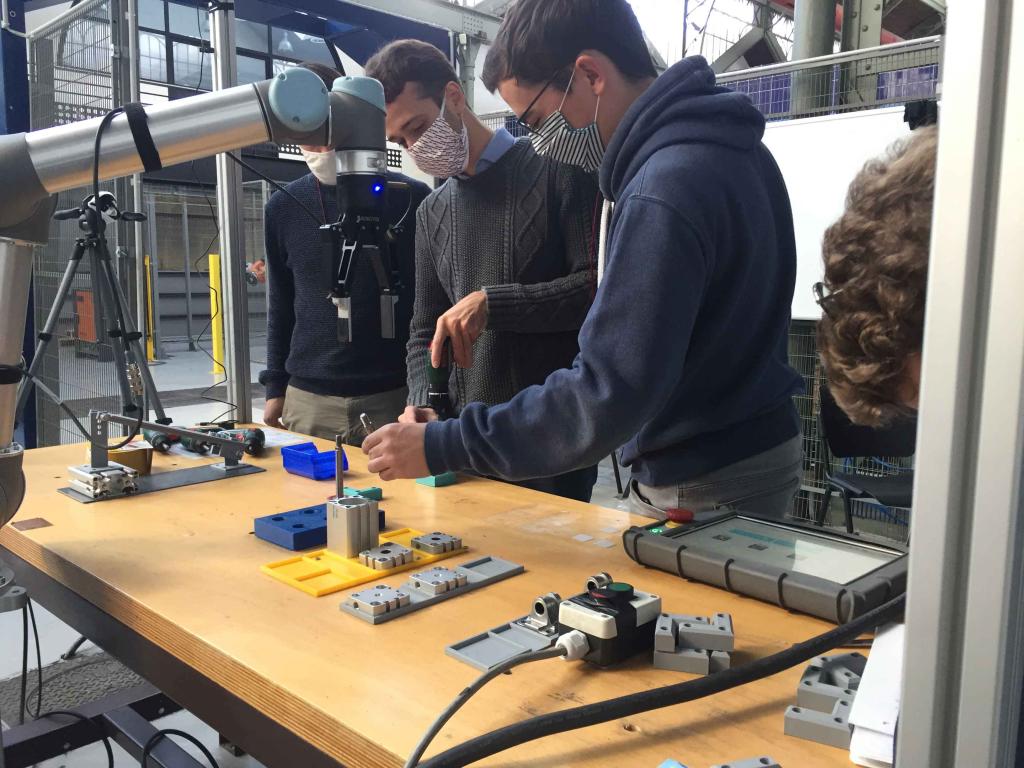
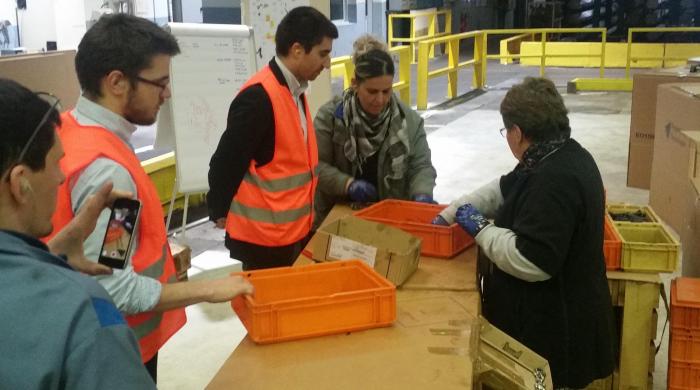
Funded with support from the Arts et Métiers Foundation, this tool also enables innovation and the creation of new practical assignments for Arts et Métiers engineering students, closely mirroring real-world industrial conditions. The practical work allows first-year students to design and modify their assembly workshop and see the impact of each of their decisions on the performance of the production they then carry out. These very open teaching sequences confront them in a realistic way with the challenges of decision-making in the field and the value of the organizational methodologies seen in class. Another example is the vision practical work, in which students learn how to teach a camera to recognize a shape, locate it, and send the information to a collaborative robot. This tool will serve as a common thread for a series of training courses based on the activities of the Lille team at the LISPEN laboratory.
In addition, the LISPEN teams are also committed to developing research areas related to this production line. The line is equipped with a 100% digital information system consisting mainly of RFID chips and MES (production management software). These chips, which contain the information needed to manufacture the product, track the part throughout the assembly process to ensure traceability and take measurements. Each stage measured then generates calculations of key indicators used to optimize assembly, with a view to continuous improvement. Thanks to the RFID tag coupled with the information system, real-time decision-making and assembly assistance is provided to the operator. "We can also integrate a cobot and data to generate production data or study line replenishment with mobile robotic platforms," adds Estelle Serre, development engineer on the platform. These are just some of the technological challenges facing the LISPEN teams!