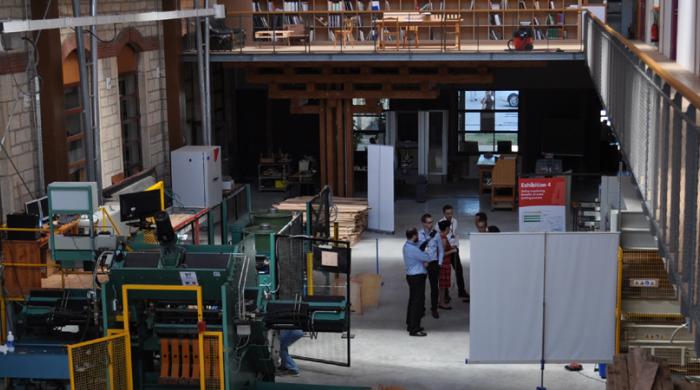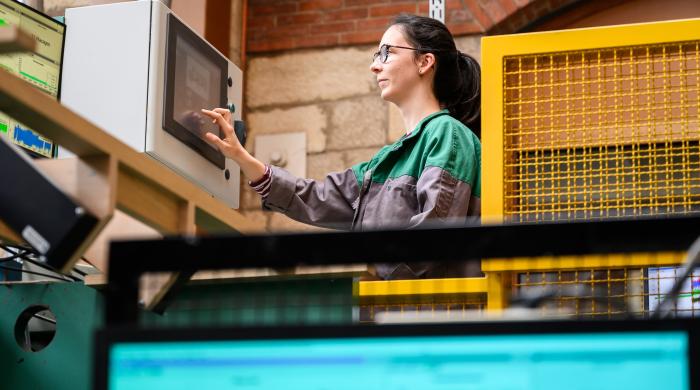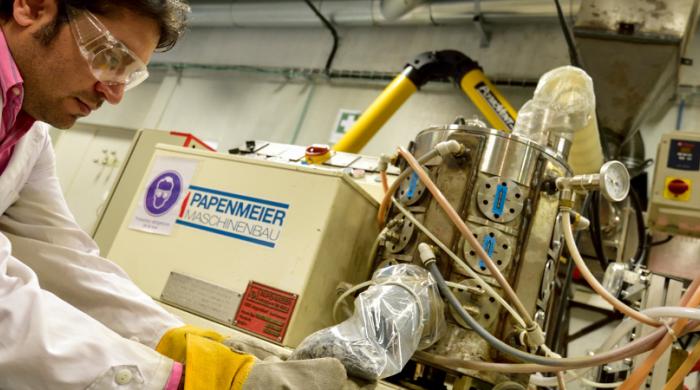
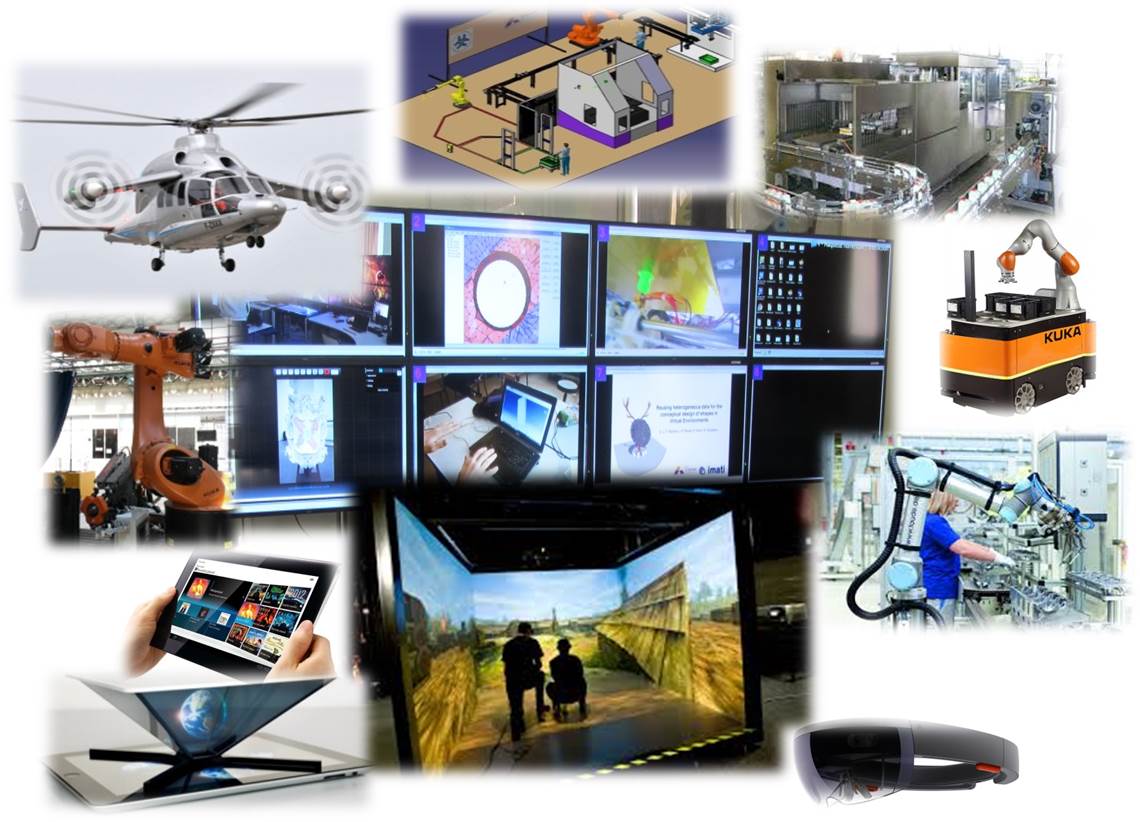
The Laboratory of Physical and Digital Systems Engineering (LISPEN) brings together the expertise of faculty members from theArts et Métiers campuses Arts et Métiers , Cluny (Institut Image in Chalon-sur-Saône), and Lille, focusing on multi-physical and virtual dynamic systems for the Industry of the Future.
In an increasingly competitive environment marked by rapid technological progress, industry must be ever more innovative. To meet this fundamental challenge ,Arts et Métiers cutting-edge research linked to the major issues facing the industry of the future, focusing on four main sectors: transportation, healthcare, energy, and construction.
With 14 laboratories located on its campuses, Arts et Métiers all the scientific expertise needed to develop new technologies.
Certified in early 2018 by the Ministry (Host Team 7515), the LISPEN laboratory brings together faculty members from the former INSM teams of the Laboratory of Information and Systems Sciences (LSIS) and VAIM from the Laboratory of Electronics, Computer Science, and Imaging (LE2I). It has 26 teacher-researchers, 21 engineers, and 32 doctoral students who conduct research for the Industry of the Future. As such, it is part of the Carnot ARTS institute's network of laboratories aimed at promoting partnership-based research.
LISPEN's research will focus on the following four themes:
- System engineering & digital modeling : digital mock-up management (reverse engineering, multi-modal modeling, etc.) combined with expertise in system engineering processes and interoperable modeling approaches to ensure digital continuity across all system data.
- System simulation and control : mastery of the mechanical behavior of systems (dynamics, vibration, model reduction, etc.), coupled with mastery of their controls (optimization, control, etc.) to analyze their energy efficiency.
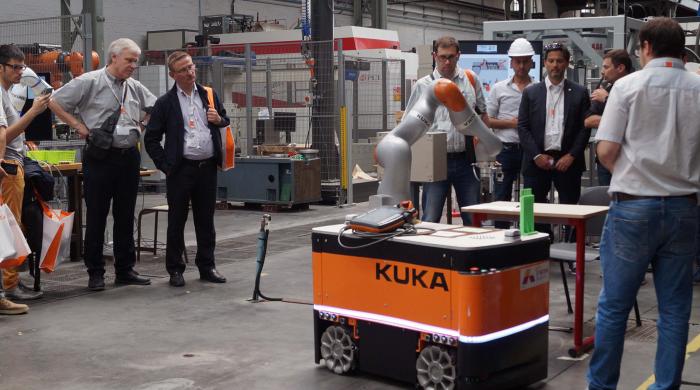
- Human-System Interaction : analysis, study, and development of services linked to products using virtual reality and augmented reality technologies, optimization of interfaces between the user and the product through virtual representations adapted to humans and products. Analysis of the relationship between humans and robots for collaborative robotics.
- Decision support : skills enabling stakeholders to be assisted either in "offline" engineering processes or in "online" system supervision processes (optimization via metaheuristics and heuristics, data analysis, decision-making process analysis).
Applications include mission aircraft, manufacturing robots and cobots, automobiles, production systems, and energy systems.
Numerous collaborative research projects (FUI, ANR, LabCom, etc.) enable us to work jointly with several academic partners as well as with industry. Two European projects also demonstrate LISPEN's international outlook:
- ColRobot Project : collaborative robotics technologies
- VISIONAIR Project and VISIONAIR2 : immersive visualization techniques for technical data.