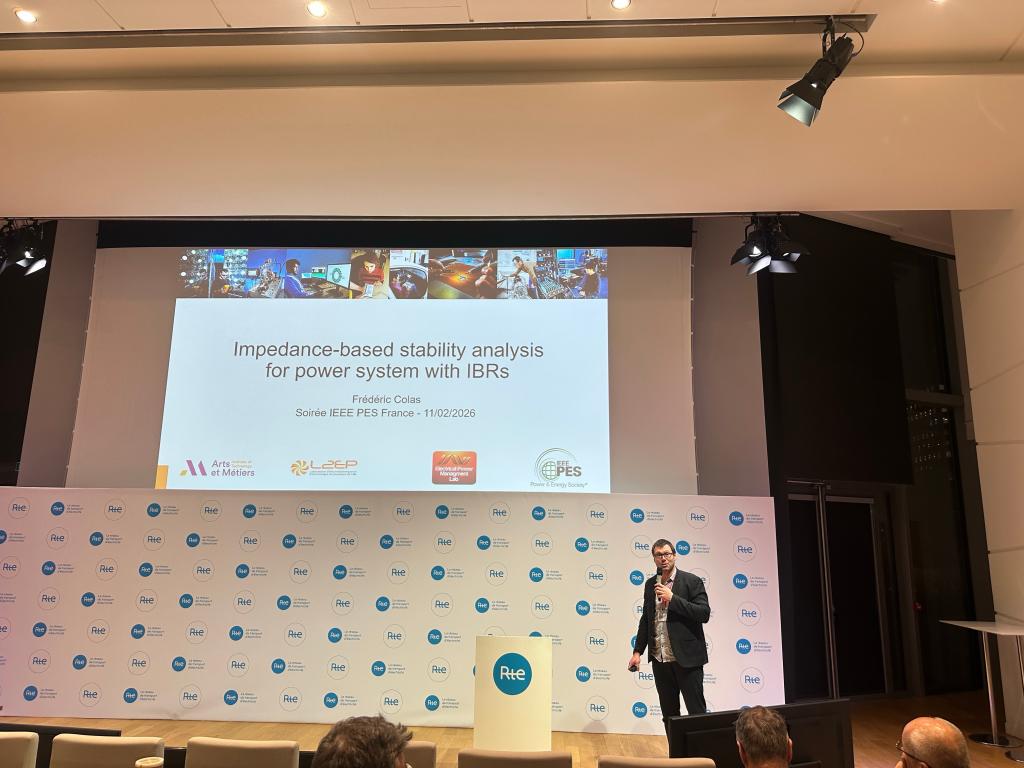
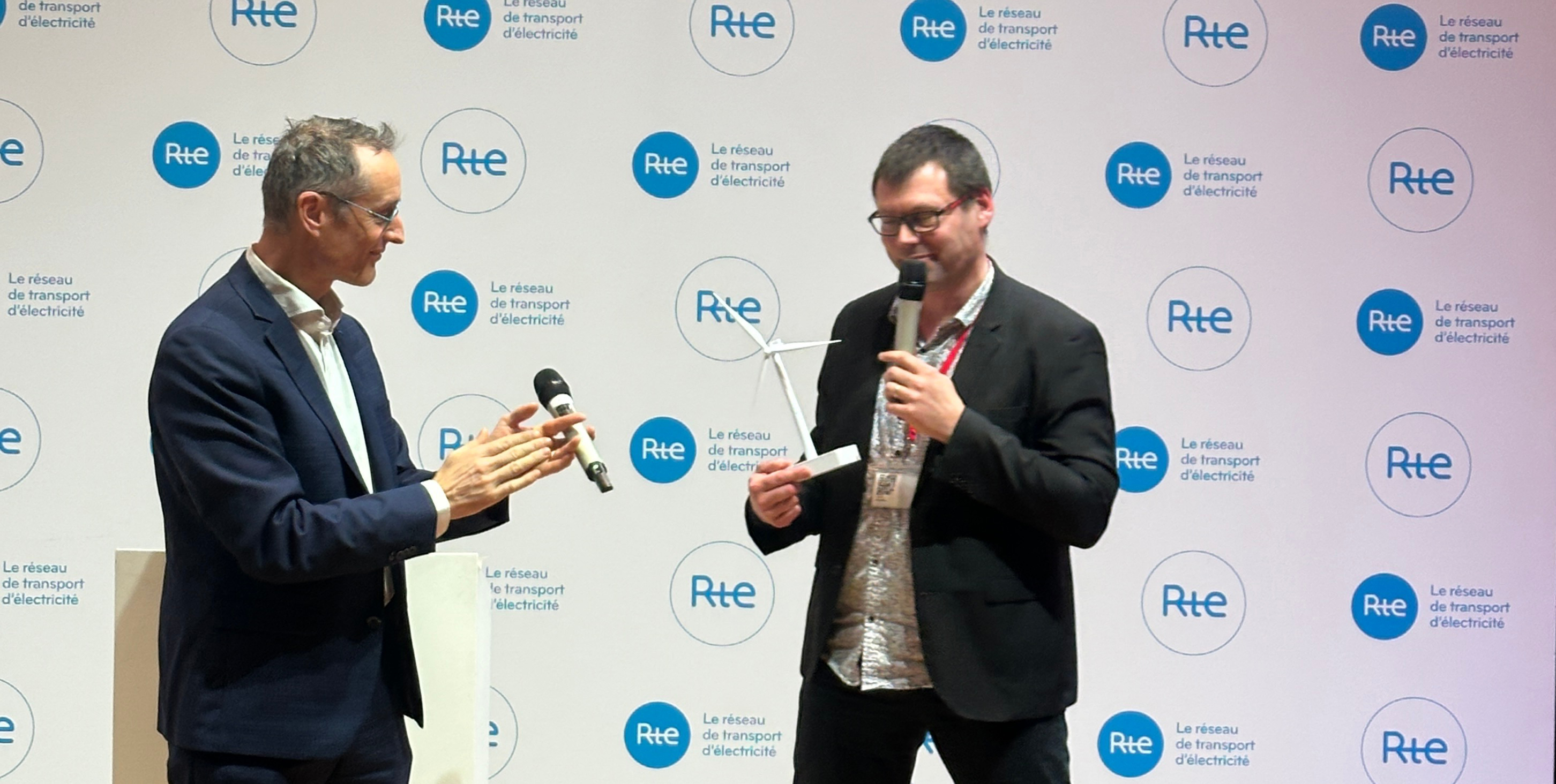
The French delegation of the IEEE Power & Energy Society (PES), an international organization of reference in the field of energy and electrical systems, has awarded its annual Engineer of the Year 2025 prize to Frédéric Colas, a researcher at L2EP in Lille, for his remarkable contributions to electrical systems engineering.
Frédéric Colas receives the IEEE PES France 2025 Engineer Award
 TheInstitute of Electrical and Electronics Engineers – Power & Energy Society (IEEE PES) is a global organization that brings together engineers, researchers, and professionals in the electrical industry to develop knowledge in the fields of energy and electrical systems.
The French delegation regularly engages with the community through conferences and each year recognizes an engineer for their leadership, research work, or technical commitment.
On February 11, 2026, Frédéric Colas, a research engineer, was honored for his major contributions to the Laboratoire d’Électrotechnique et d’Électronique de Puissance (L2EP) in Lille, confirming the laboratory's dynamism and the quality of its research in the field of electrical systems.
He looks back on his career, the advantages of his position, and his main areas of research:
What was your career path to the position of research engineer that you hold today at L2EP?
A long-standing interest in the production and operation of electrical systems. In 2008, an opportunity at Arts et Métiers to contribute to the development of L2EP's activities and the creation of the EPMLab platform, to which I am very attached.
Among the key moments, the European "Twenties" project (2013-2014) was a turning point: it gave the laboratory international visibility, and I cannot thank our long-standing partner RTE enough for enabling us to be part of this project.
What are your current areas of research?
My work is structured around two main themes:
- The stability of large electrical networks that incorporate many power converters.
- The development and improvement of testing methods dedicated to network-connected equipment, particularly those that connect via power converters.
What notable achievements led to you receiving this award?
In my opinion, this award recognizes two major contributions for the year 2025:
First, work carried out with various doctoral students on an innovative method for studying the stability of electrical systems.
Today, power plants and consumers are connected to the grid via converters whose control laws remain the property of the manufacturers. Our method makes it possible to analyze the stability of a system without knowing exactly what these internal laws are, which avoids the need to disclose the manufacturers' intellectual property. This is a key advantage in a context where networks are incorporating more and more power converters.
Secondly, the award also recognizes our technological developments achieved with Spherea.
We designed Pluton, a device now on the market, which makes testing network-connected equipment much more flexible than before.
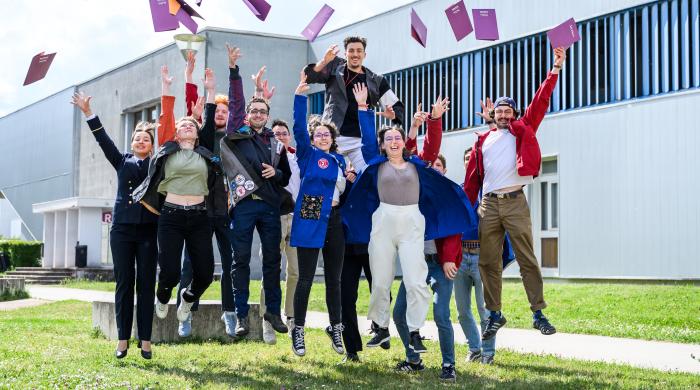
These two areas of work are supported by a strong team: I currently supervise eight doctoral students for the scientific aspects and five engineers and postdoctoral researchers for technological developments. Their contribution is central to these advances.
What do you enjoy most about your job?
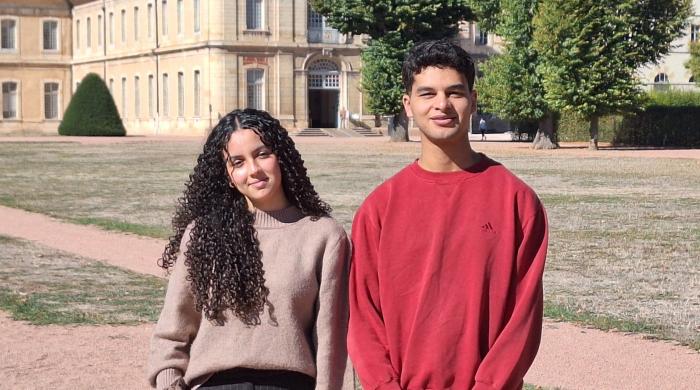
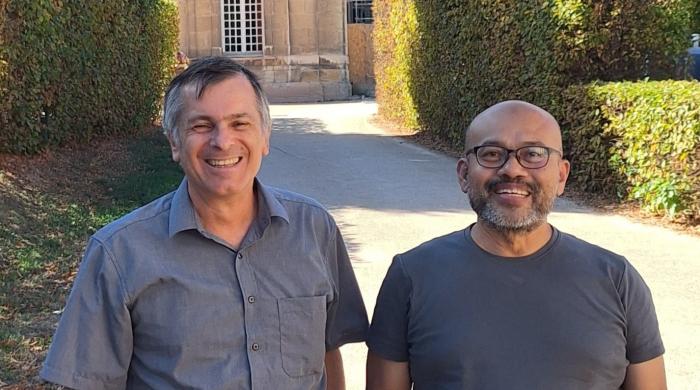
Supervising doctoral students and engineers without hesitation: the team I lead is very international (Lebanon, Iran, India, Algeria, France), which makes exchanges all the more enriching. Many "alumni" are now working within the teams of our partners such as RTE or EDF, and are in turn becoming knowledge relays. Interpersonal relationships and knowledge sharing are the aspects of my work that I find most rewarding.
Furthermore, in a world where electricity consumption is constantly increasing, one of our main challenges is to help our partners, such as EDF, with whom we have a framework agreement, to integrate new uses and means of production while maintaining network stability. The evolution of the energy mix is leading to the rise of power electronics and increased interactions: our work aims to better control them.
In summary, interactions within the team, but also with industry and other research laboratories, are as essential as they are enriching.
Whether it be with EDF, RTE, or Spherea, or through collaborations with other laboratories such as the MSMP at the Arts et Métiers campus Arts et Métiers Lille, the CRIStAL laboratory, or even European universities such as KULeuven and UPC, these partnerships anchor our research in the real challenges facing the energy sector.
Congratulations to Frédéric Colas for this distinction and for his involvement inArts et Métiers