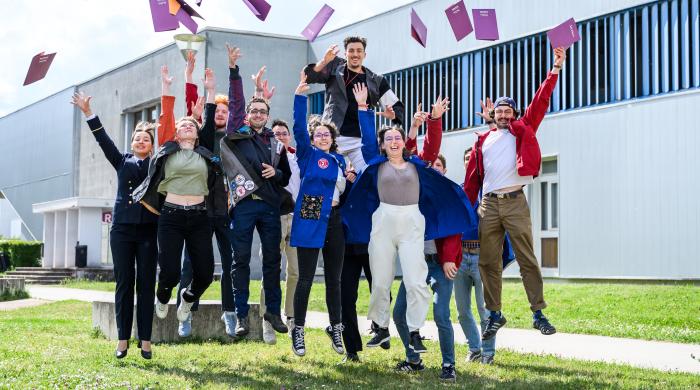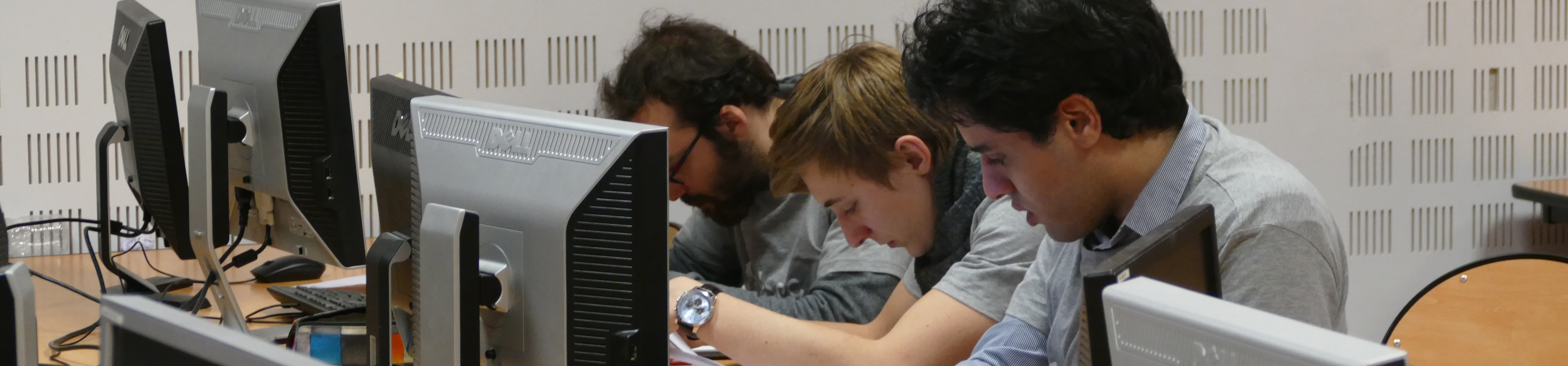
In February 2018, the first phase of the European engineering competition EBEC Challenge took place on the Arts et Métiers campus Arts et Métiers Metz. The two winning teams will participate in the national final, where they will compete against other leading French engineering schools and universities: Polytechnique, ENSTA ParisTech, Centrale Supélec, INSA Lyon, INP Grenoble, and the University of Lorraine.
Building an offshore platform or mapping out a high-mountain route
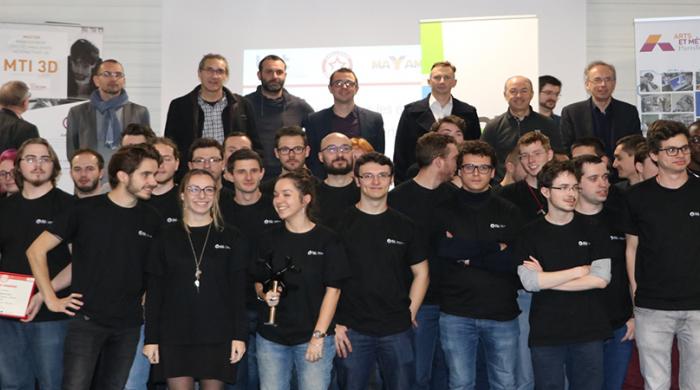
Twenty-eight Arts et Métiers and second- Arts et Métiers students competed against each other. The teams had four hours to respond to the challenge of one of two tests: prototyping (team design) and optimization (case study). In prototyping, students had to design a platform model for transporting hydrocarbons. These platforms had to be stable and able to support a defined quantity of hydrocarbons. In optimization, students had to define the route of a high-mountain road connecting two cities. The goal was to obtain an economical road layout that limited transport time.
The winning teams won concert tickets, museum tickets, and round-trip travel (including accommodation and lodging) to the national finals (Paris or Grenoble).
A collective success
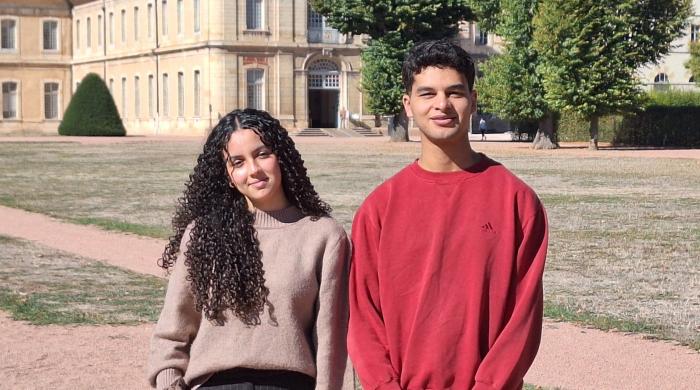
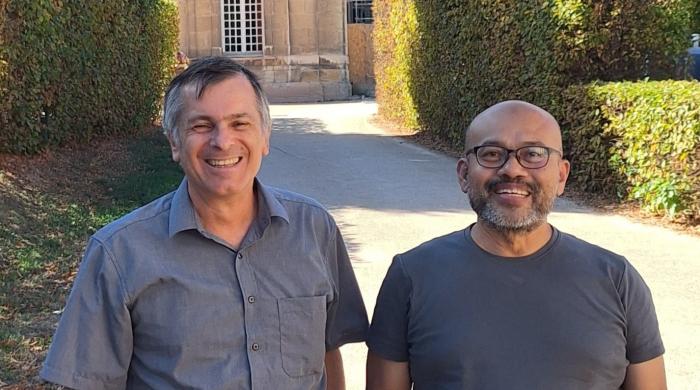
The event was organized by four Arts et Métiers students Arts et Métiers Khadija El Iraki, Ferdinand Villaumié, Jean-Baptiste Wioland, and Emilien Boesch) and ran smoothly thanks to the support of the school and the Alumni Association. The Metz Student Association also lent a hand by screen printing T-shirts for the competition. It was therefore the commitment of the entire Arts et Métiers community Arts et Métiers made this event possible.
The 2019 edition is already being planned. The students hope that other partners, particularly from industry, will join the list of participants.
- Winners (Team Design): Coline Blin, Louise Cretté, Jean Mailley, Arnaud Kraskowski
- Winners (Case Study): Alicia AMari, Jules Ehrbar, Guillaume David, Moritz Leoni
What is the EBEC Challenge?
Each phase is divided into two categories:
- Team Design: the goal is to use a limited amount of material and find a solution to an engineering problem by building an object
- Case Study: work on a real engineering problem by providing an optimized solution.
Students form teams of four to participate in either one or the other.
Article written by Jean-Baptiste Wioland, second-year student in the general engineering program