Being a healthcare engineer allows you to help patients get better by working from a different angle: that of the product. But... not just any product. Presentation of expertise Bioengineering, biomechanics, ergonomics, and the professional environment developed atthe Georges Charpak Institute of Human Biomechanics (IBHGC) on the Paris campus?
The expertisein bioengineering, biomechanics, ergonomics, and occupational environmentis designed to complement the research work of manufacturers in the health technology sector. It uses mechanical models of the human body applied to the development of medical devices.
The comprehensive engineering perspective acquired by Arts et Métiers engineers enables Arts et Métiers to bring an overall view to the development process and, in particular, to take into account the entire regulatory environment.
"This expertise is relatively consistent with the number of engineering jobs in healthcare compared to the number of engineering jobs in France. These profiles are in high demand and lead to innovative careers in this field,"explains Xavier Bonnet, researcher at IBHGC and head of expertise. Jobs following this expertise are not limited to R&D and can also be found in production and marketing. This sector therefore offers interesting career opportunities and has seen little relocation by manufacturers.
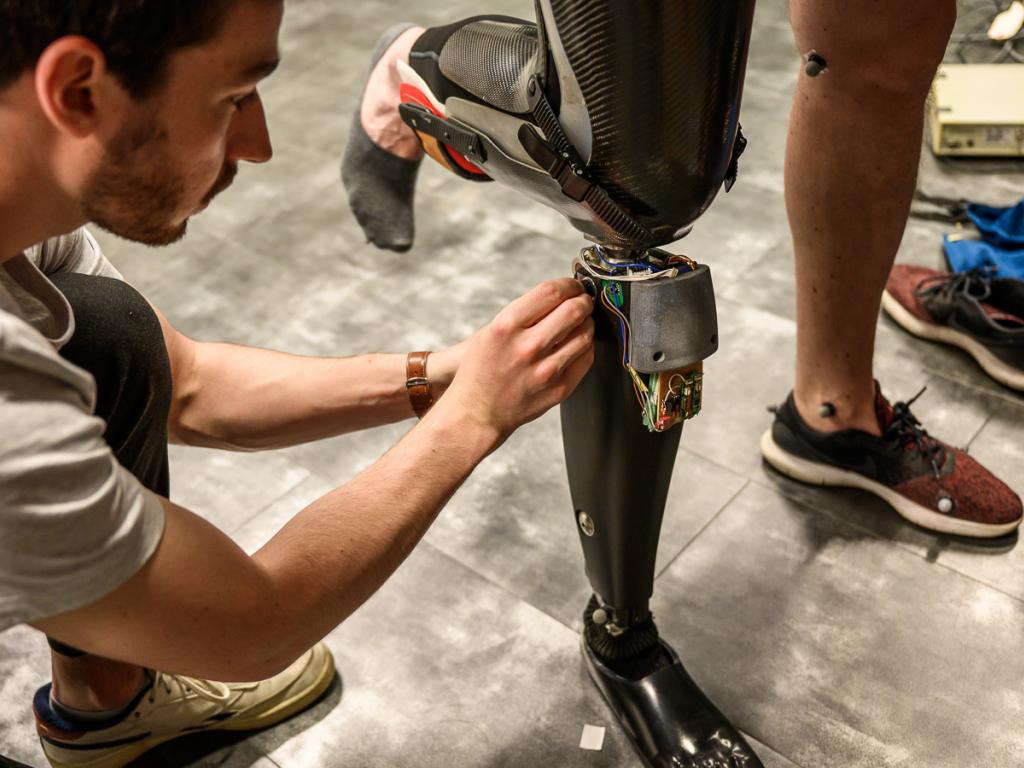
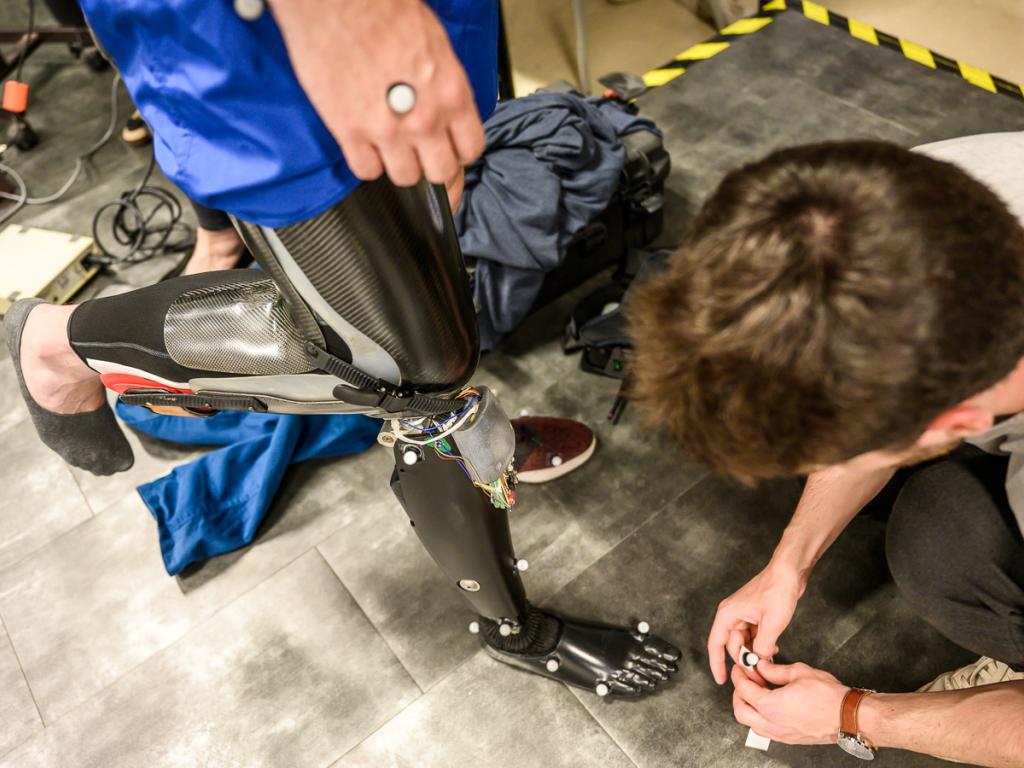
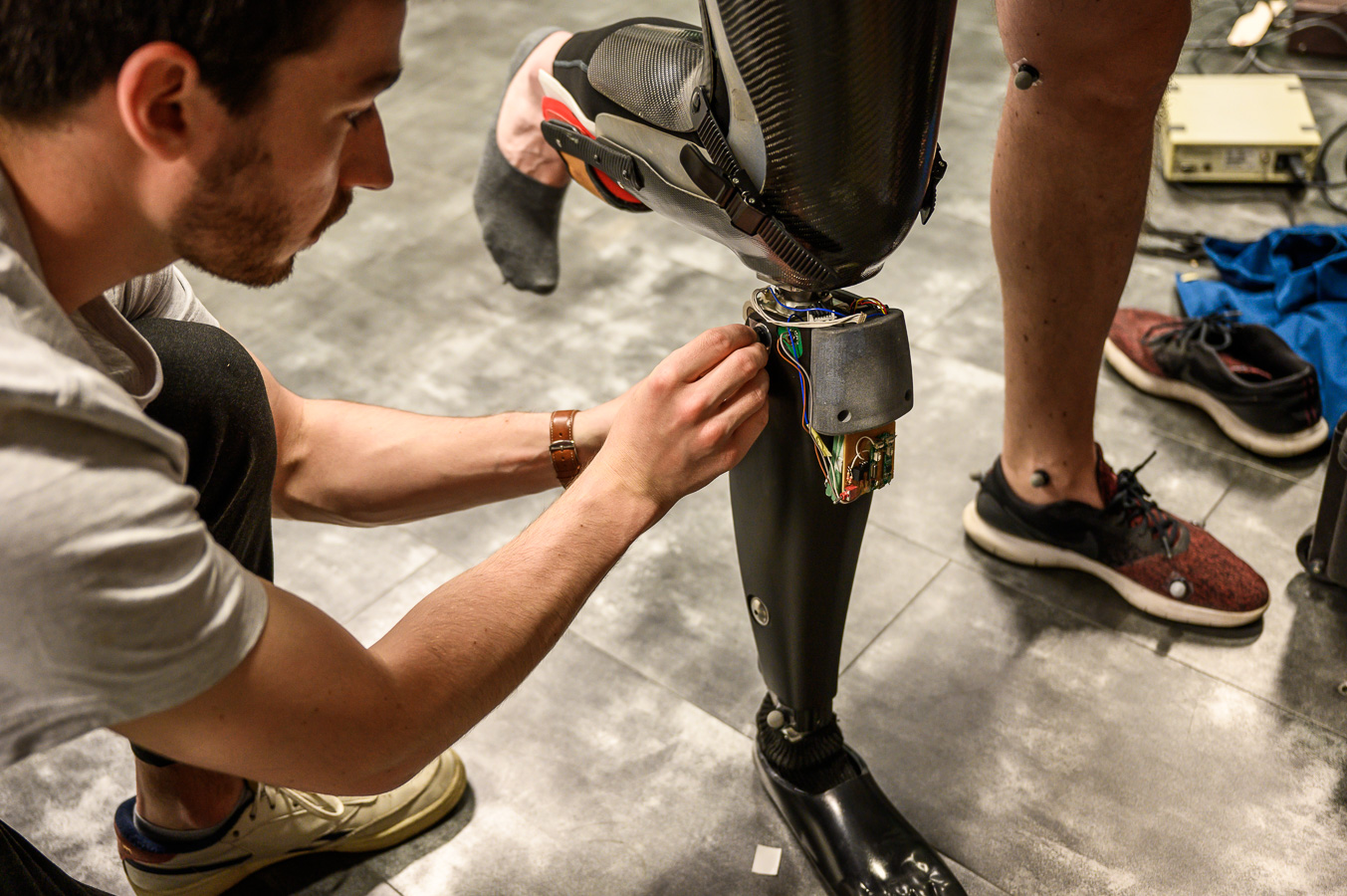
This program complements the Master of Science in Biomechanics (BME), which models the human body by, for example, simulating jawbone growth. Expertisein bioengineering, biomechanics, ergonomics, and the occupational environment is highly technological while also involving devices based on mechanics (prostheses, orthoses, implants, exoskeletons, etc.). Furthermore, because it relates to health, it demands a high level of rigor and is subject to regulations that are as stringent as necessary, since human beings are directly involved.
"Students often want to gain this expertise for a long time, and it is very motivating for them to acquire these skills," emphasizes Xavier Bonnet.
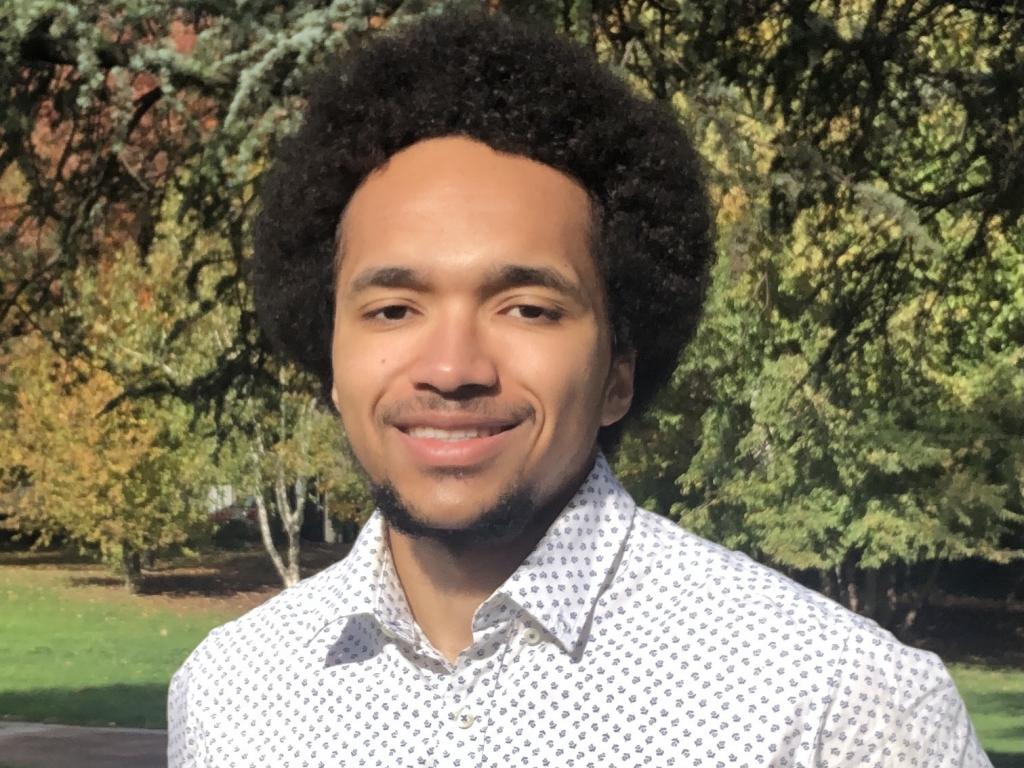
Lorenzo Nsingui Barros (Li219) and Tristan Lossy (Cl219)discussPa4 expertise.
Lorenzo Nsingui Barros: The complementary nature of the contributors. We took classes and did practical work with passionate researchers at the Georges Charpak Human Biomechanics Institute (IBHGC). In addition, we heard from professionals working in a range of settings, from start-ups to large companies, including the French notification body for medical devices. This allowed us to quickly get a feel for this sector, which involves many different players.
Tristan Lossy: This expertise allows us to discover the world of biomedicine. In fact, this field is hardly ever presented to us during our studies, even though there are many opportunities in this area. Therefore, having the opportunity to meet professionals in the healthcare field in general opens up a world of possibilities, in my opinion.
Which project did you like best?
Lorenzo Nsingui Barros: As part of this course, we are working on a joint project in groups of three students. The aim is to design a prosthetic foot. I really enjoyed this approach, as well as the spirit of competition between the eight different groups. Ultimately, this project brings together all the courses we have taken, reflecting the interdisciplinary nature of movement analysis, one of the institute's strengths.
Tristan Lossy:The project I liked the most was my project called PJE09. It was related to expertise because it involved designing a cover for a lower limb prosthesis. I really enjoyed the interaction we had with the orthopedic technician who had this need. It made things concrete and not just "academic." I think it's important for students to choose a PJE09 related to their respective expertise, even more so in our bioengineering sector.
To what extent will the bioengineering studied in this program be useful to you in your career?
Lorenzo Nsingui Barros: I aspire to work in the medical device sector. The human body is a system with complex physical behaviors, so I really enjoyed the anatomy classes taught by a doctor. In addition to helping me understand the precise location of different elements in purely mechanical problems, it gave me the vocabulary I need to communicate with healthcare professionals.
Tristan Lossy: Although I haven't yet chosen my future professional field, the professors are all very open, which allows us to get the information we need. This expertise provides a wide range of different careers in the biomedical sector, knowing that it is always possible to specialize later on.