Supelec engineer CentraleSupelec for some twenty years, Charles Bouchard wanted to change direction while remaining in R&D, but with a strong focus on ecological transition. The Specialized Master's Degree® in Change Management and Sustainable Innovation (MS MCID) is enabling him to make this project a reality.
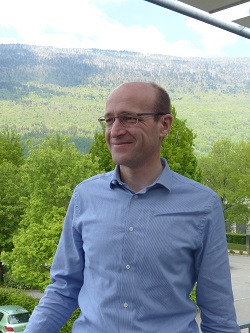 The MS MCID takes into account emerging, more sustainable consumption patterns and the associated economic models. This implies global changes within the company that must be learned to implement and manage.
Professional transition and ecological transition
After graduating with a degree in engineering, specializing in heat transfer, Charles prepared a doctoral thesis with the CNRS and Amcor Flexibles (formerly Pechiney Emballage) on the drying of polymer varnishes, then spent two years at Solvay (formerly Rhodia) and 18 years at Siegwerk as an R&D project manager in the specialty chemicals industry, working on the formulation of coatings and printing inks. He managed a small team.
The time has come to consider the next stage of his professional career and, while wishing to remain in R&D, to get involved in projects that are more environmentally friendly. In addition, he appreciates the necessary collaboration between many players both inside and outside the company on this type of project.
The MS MCID was considered in order to consolidate and supplement his knowledge and practices in sustainable development and thus enhance his credibility. Charles was also attracted by the course offering: both technical, covering eco-design tools and Life Cycle Assessment (LCA), and organizational, covering management and innovation approaches taking into account alternative models (e.g., the functional economy, i.e., selling performance rather than a product).
Close ties with teachers
The classes are highly interactive with teachers and other students. The close proximity of the teachers allows for certain points to be explored in greater depth. In addition, the institution offers a wealth of documentary resources.
The first six months of the program were spent in classes, tutorials, and projects. He appreciated the rich content provided by numerous teachers and professional speakers, whose teaching styles and approaches complemented each other well. The practical exercises were valuable. In addition, as the students' backgrounds were very different, there was also a wealth of exchange between learners. Finally, the "common thread project" carried out over these six months is a real-life case study that allows students to apply what they have learned independently and with guidance.
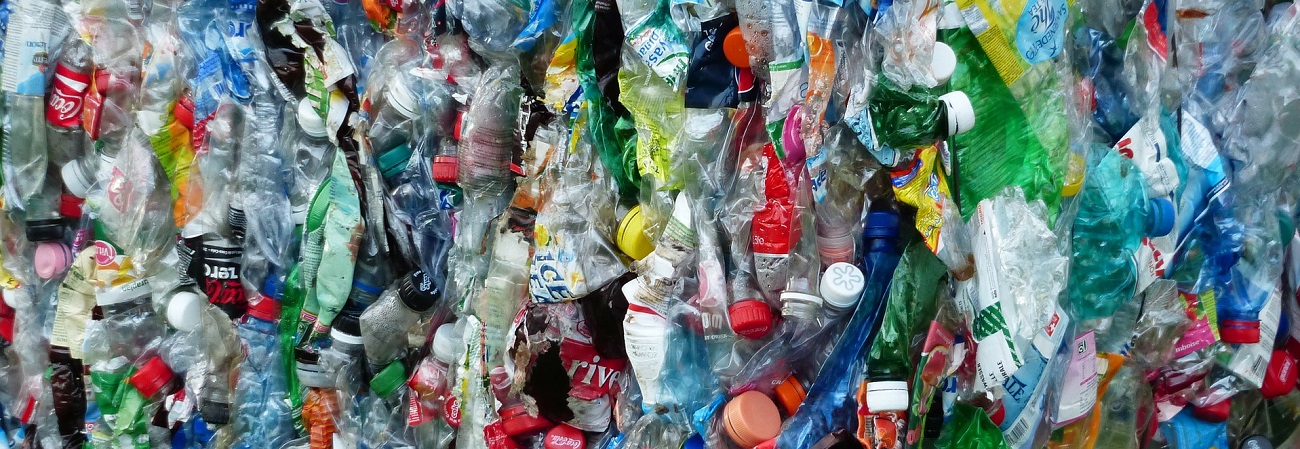
For now, Charles has just started his internship in the field of plastic recycling, working with various eco-organizations and manufacturers.
Professional experience is a strength
With professional experience behind you, you shouldn't be afraid of being out of step with recent graduates. Your years of experience in the business world will compensate for any difficulties you may have in returning to the classroom and will even provide you with valuable insight.
According to him, it is still important to develop your career plan before starting the MS program, in terms of profession, sector, and work environment. This helps to consolidate your motivation and makes you more effective in your search for internships and jobs.
And now…
Charles sees himself participating in product development projects with a circular economy approach in the field of organic and/or bio-based materials, chemistry, or another field. He is particularly attracted to the upstream phase: eco-design. This is where he can find what appeals to him: participating in the development of sectors in conjunction with the various players involved throughout the life cycle of a new product. This could be in industry, in an SME, or in consulting.