
News
News, Innovation, Research
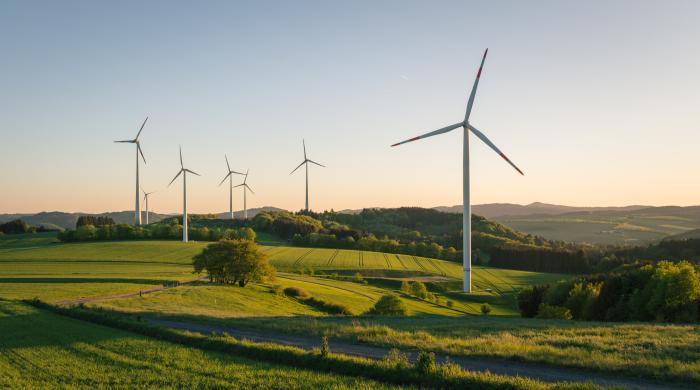
The energy mix is one of the most frequently cited concepts whenever the topics of energy transition, decarbonization, or industrial sovereignty come up. But what exactly does this term mean? What makes up the energy mix of a country like France, and why does it vary so much from one region of the world to another? This article provides a comprehensive definition of the energy mix, details its composition on a global and French scale based on the most recent data, and explores the major economic, technological, and social challenges it poses for businesses and regions. In this article, you’ll see how engineering programs help students develop the skills needed for this transformation.
News, Sustainability, Training
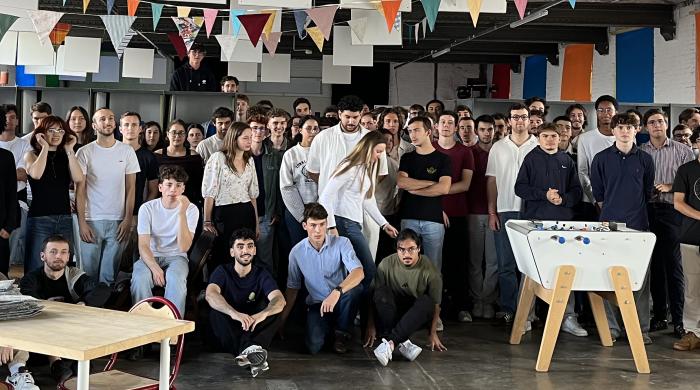
To kick off their engineering journey with a focus on engagement, first-year students in the Grande École Program took part in an immersive experience at TISSEL. Featuring team challenges, an introduction to the circular economy, and an exploration of a site that symbolizes industrial redevelopment, this activity set the tone for a new academic year focused on the challenges of tomorrow’s world.
News, Evolutive Learning Factories
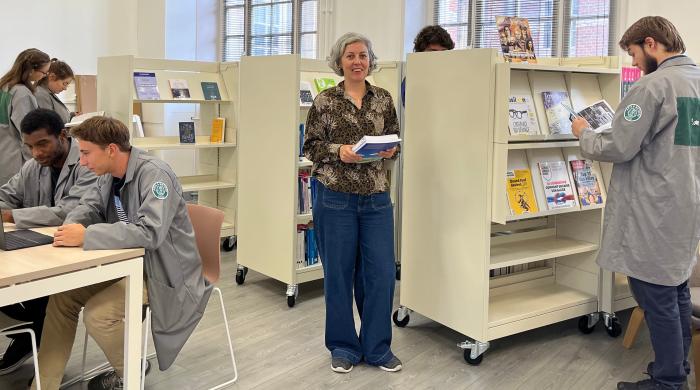
On Tuesday, September 1, 2026, the Lille campus of the Arts et Métiers , opened its Learning Center, thereby becoming a full member of the national network of AtriuM spaces, which are dedicated to learning and knowledge sharing. This is a flagship project for the campus for the 2026–2027 academic year and is fully integrated into the institution’s ELF program.
News, International
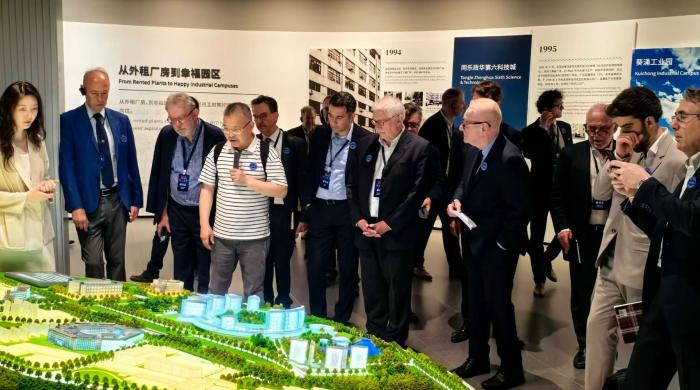
In the spring of 2026, Adel OLABI participated in the “France-China Electric Vehicles” (FCVE 2026) mission, thanks to support from the Arts et Métiers Foundation and the Direction d’Arts et Métiers.
This French delegation brought together automotive experts, industry leaders, institutional representatives, and engineering students around a common goal: to understand the factors behind China’s lead in electric vehicles and to identify avenues for consideration for the European industry.
News, Training, Student life
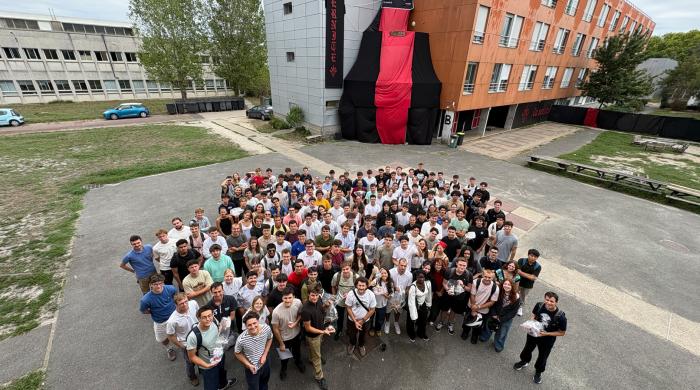
Upon their arrival on campus, the 156 first-year students in the Grande École Program and the 28 Bachelors in Science and Engineering began their academic year with three days of hackathons, held from August 31 to September 2. This highlight of the academic year, coordinated by Mehdi Cherif, was designed to allow them to discover their new environment, get to know each other, and familiarize themselves with the various facets of their future engineering training.
News, Sustainable Development
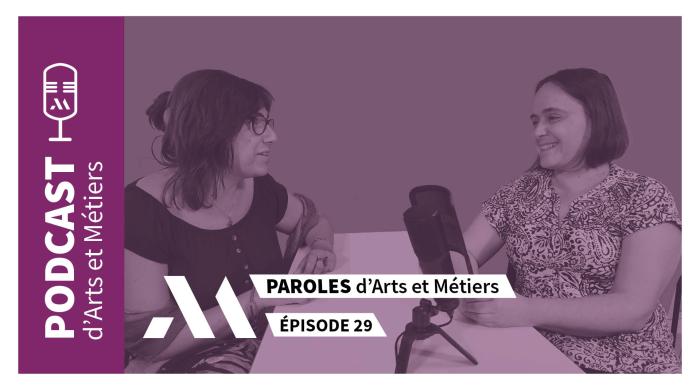
Words fromArts et Métiers is back with a new episode: “Rethinking Material Circularity in Complex Products with Carole Charbuillet”
News, Evolutive Learning Factories, Innovation, Research
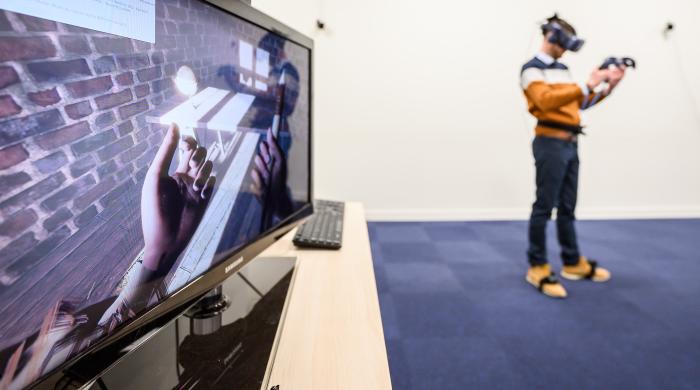
Known as the Fourth Industrial Revolution, Industry 4.0 is characterized by the integration of digital technologies at the heart of production processes: advanced automation, artificial intelligence, connected devices, and data analytics. These processes are profoundly transforming industrial companies. For engineering schools such as Arts et Métiers, this is a major strategic challenge in order to train the talent capable of leading this transformation.

News
It's vacation time! Find the closure dates for the Arts et Métiers campuses and institutes during the 2026 summer season.
International, Research
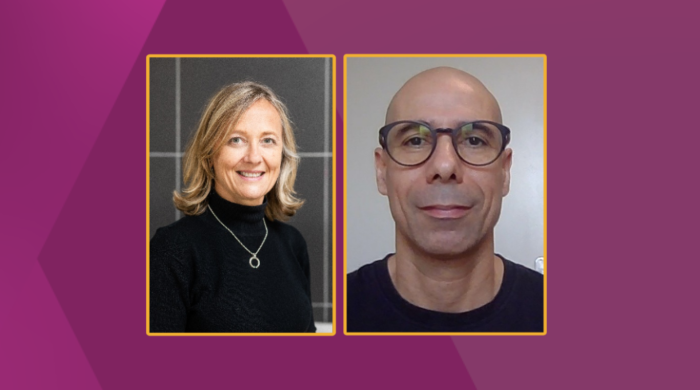
Arts et Métiers recently Arts et Métiers two visiting professors to its laboratories: Erick Franklin, an associate professor at the University of Campinas (Brazil), and Nicole Demarquette, a professor at the École de technologie supérieure in Montreal (Canada).

News
What role do female engineers play in today's industry? Discover the statistics, the current landscape, and the initiatives Arts et Métiers is taking Arts et Métiers promote gender parity.

News, Training
From July 6 to 9, 2026, the L2EP laboratory organized the Summer School “Power Electronic Converters on Transmission Systems: From Fundamentals to Practical Applications, ” an event focused on the challenges facing power grids with a high penetration rate of power electronic converters. Jointly organized by Centrale Lille and Arts et Métiers, this edition brought together more than fifty participants from academia and industry.
News, Training
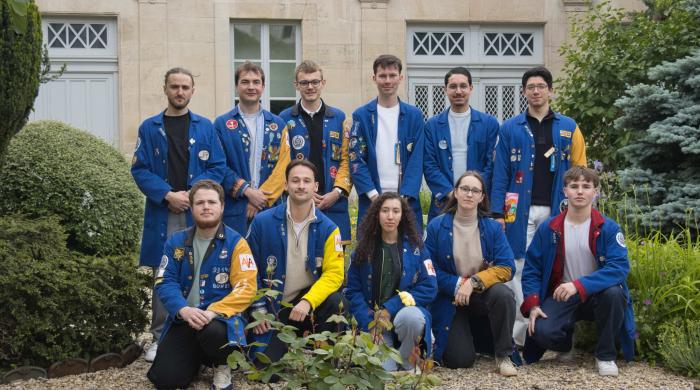
Choosing to become an engineer means choosing a career focused on innovation, solving complex problems, and transforming industries and society. Engineers design, develop, and improve products, processes, and systems in a variety of sectors, including manufacturing, energy, transportation, digital technology, and healthcare.