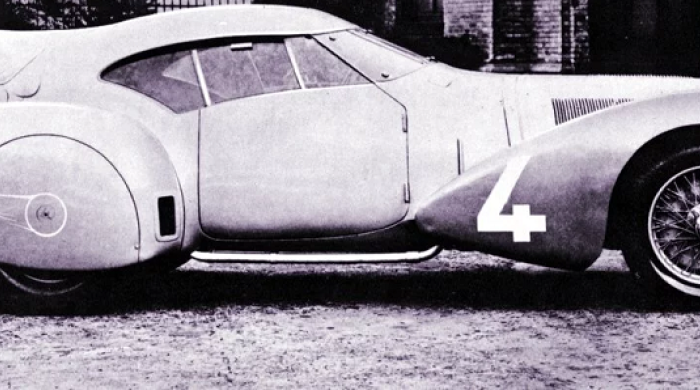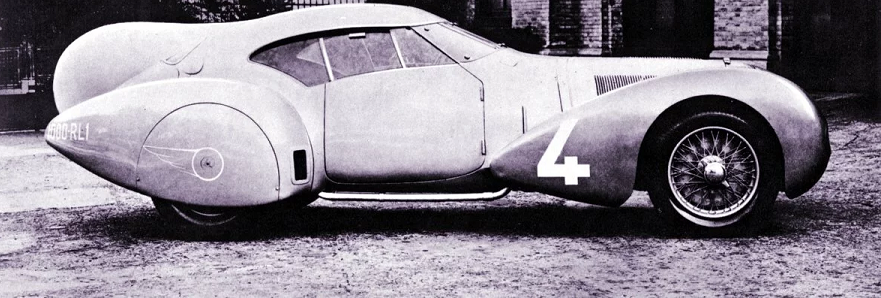
The Delage V12 project aims to rebuild a legendary racing car using modern reverse engineering and eco-manufacturing tools. Presentation with Nicolas Bonnet, lecturer at the Metz campus.
How does the restoration of a vintage car fit into the ELF program?
Reconstruction is a pretext because we are using all modern means (3D scanning, digital simulation, computer-aided manufacturing, AR/VR) in the implementation of this project.
All information about the construction of the car has been lost. So we started with 17 photos.
This multidisciplinary, inter-campus project is an opportunity to develop remote collaborative engineering, new design and redesign tools to exploit the information contained in the photos, advanced manufacturing methodologies, and more.
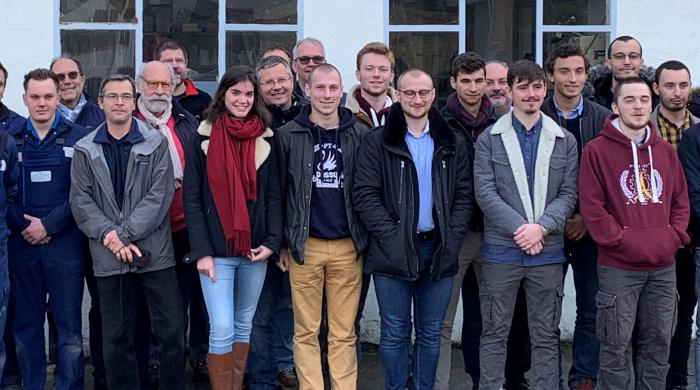
Groups of engineering students from the Bordeaux, Aix-en-Provence, Cluny, Châlons-en-Champagne, Angers, and Metz campuses are involved in the various sub-assemblies of the vehicle.
We have set up a complete digital chain to develop the parts.
This makes us very humble indeed when we consider the expertise of the engineers who built this car in 1937. They already knew how to optimize their designs with the knowledge available at the time! Since then, we have gained digital tools that allow us to work faster and more efficient materials that make it easier to produce resistant parts.
Ultimately, thanks to this project, we will provide campuses with a complete digital model that can be used to extract educational materials (design-dimensioning-manufacturing) for all types of parts and mechanisms.
In addition, we will create three educational courses:
- Reverse engineering an industrial collaborative digital chain;
- Design/build a complex mechanical system using a collaborative industrial digital chain;
- (Eco)design and decarbonize industrial practices.
How did the project come about?
We were contacted in 2019 by Les Amis de Delage because Arts et Métiers the only school capable of carrying out such a project in its entirety. What's more, Louis Delage is an alumnus of the school!
Today, after a reverse engineering and design phase that is almost complete, the project is entering the implementation phase.
What are the next steps?
In 2024, we will finalize the design of the engine block and wooden structure.
The year 2025 will be dedicated to their construction.
In 2026, we plan to assemble the engine after manufacturing the necessary parts, test it on a test bench, and finalize the manufacture of all the peripheral components (running gear, transmission, vehicle interior). In 2027, the bodywork will be formed and all the vehicle components will be assembled.
How will the ELF program help you?
Thanks to this program, we have the opportunity to hire a young engineer for two years to strengthen the teaching team and provide additional support to the various campuses. We also have specific funding to ensure the smooth running of various student projects. Finally, the ELF program at the Metz campus plans to invest in a multi-process machining center to upgrade our machine park. This will be a real bonus for our students' training.
We have already secured part of the funding from the department and the Eurométropole de Metz. AMTALENTS should also contribute, as a number of training courses are expected to be launched based on the materials generated by the Delage V12 project.
When will the Delage be back on the road?
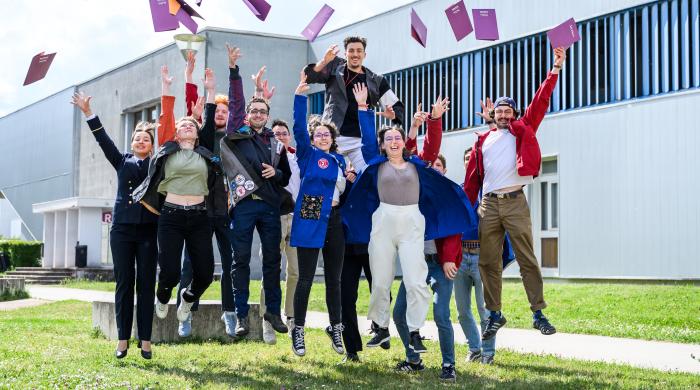
This is planned for 2028, when we will focus on improving the vehicle's reliability and conducting vehicle bench and track tests. In fact, the nearly 300 students who participated in the project will be invited to take a spin around the track!