Embarking on a humanitarian journey is a transformative experience that goes beyond simple geographical travel.
It is a human experience dedicated to others, an essential value in the training Estelle has undergone. She returned from her trip with a new perspective on the world.
Estelle tells us about her experience last summer in Madagascar.
Can you introduce yourself?
I completed my first two years of engineering school on the Aix-en-Provence campus (Grande Ecole Engineering Programme), where I served as president of the environmental student association Ecogadz and was active in the humanitarian and solidarity association GaSole.
This year, I chose to pursue the EcoBS specialization (Eco-design of Goods and Services) at the Chambéry campus. I would then like to find a career that would allow me to take direct action to reduce our environmental impact and work with people in the process of reintegration.
Tell us about your experience in Madagascar.
For several years, I had wanted to go on a humanitarian trip, partly to form my own opinion of what life is like in poor countries, far from the clichés we hear in the news. And partly to do my bit to improve things a little for people in need.
I went on a mission for the Mada Pitchoun association. This is a humanitarian association created in 2016 and based in Saint-Laurent-du-Var (06).
I went alone to Madagascar, to the small village of Ambondromamy, a day's drive north of the capital Antananarivo.
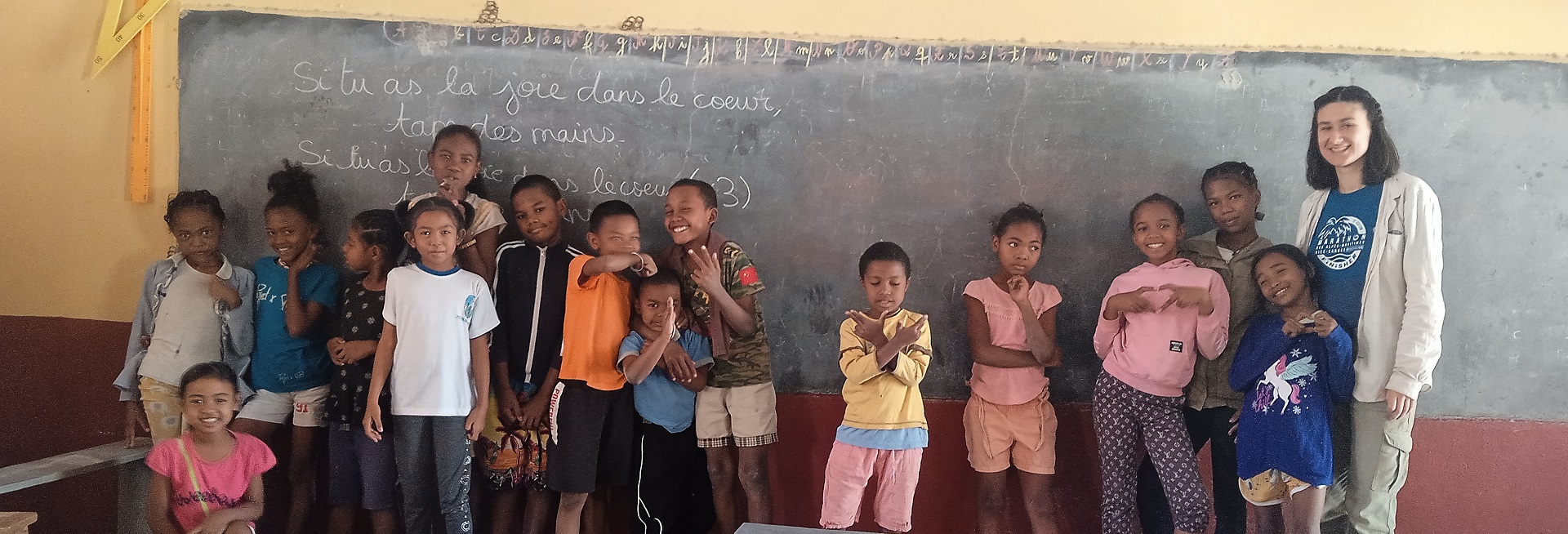
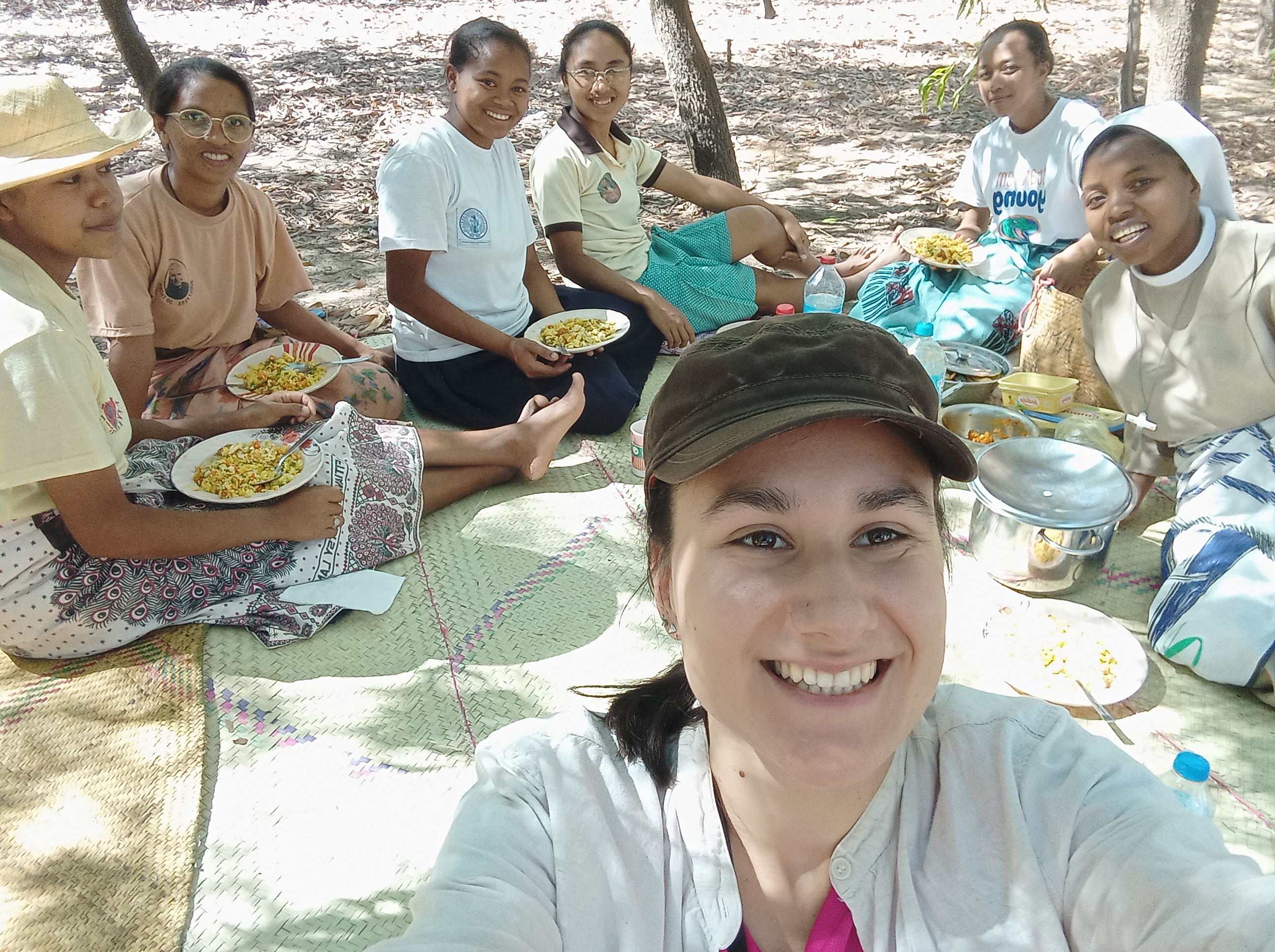
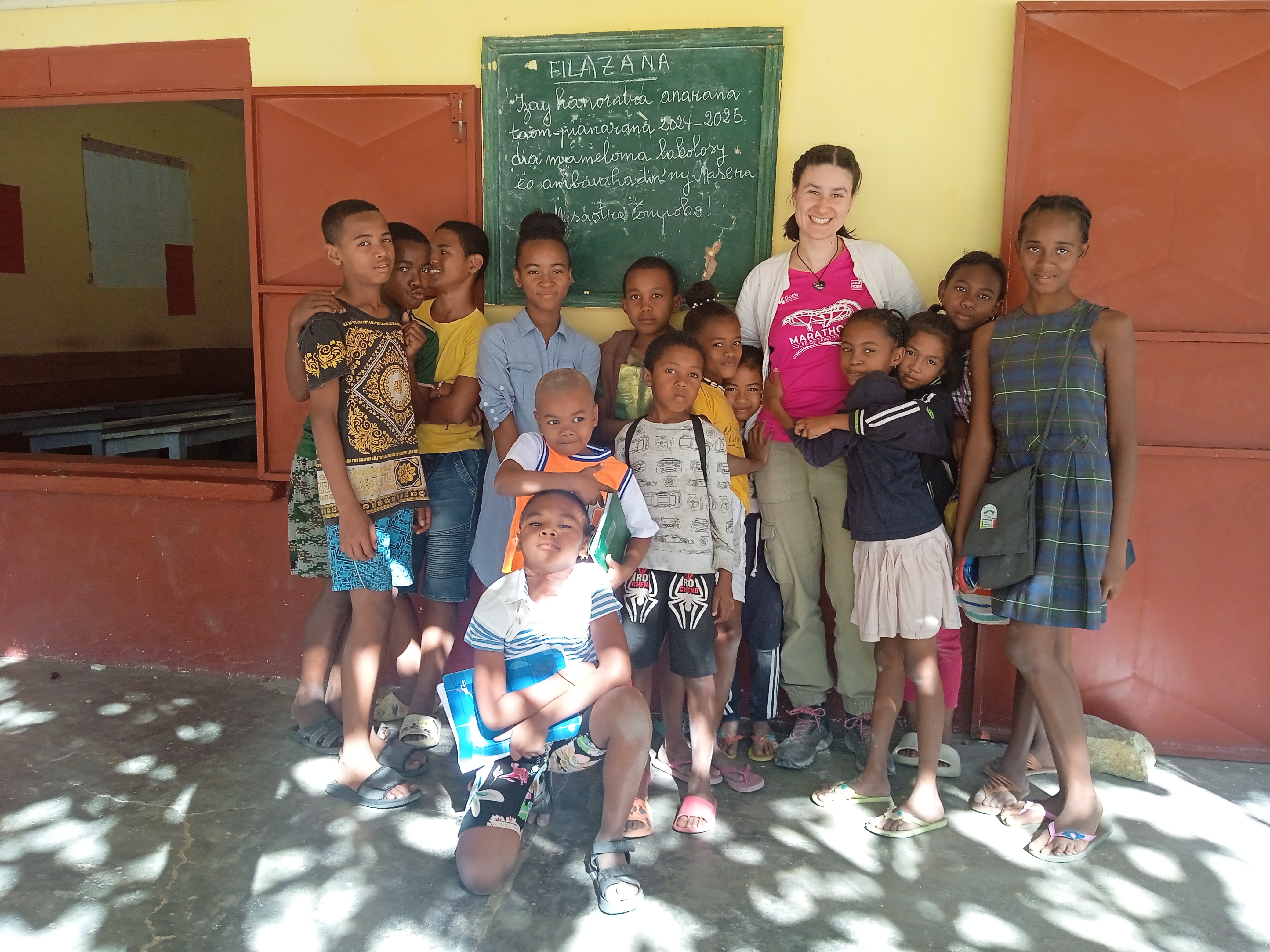
Every morning, I taught French to the children at the school. In the afternoons, I taught nuns so that they could then teach the children.
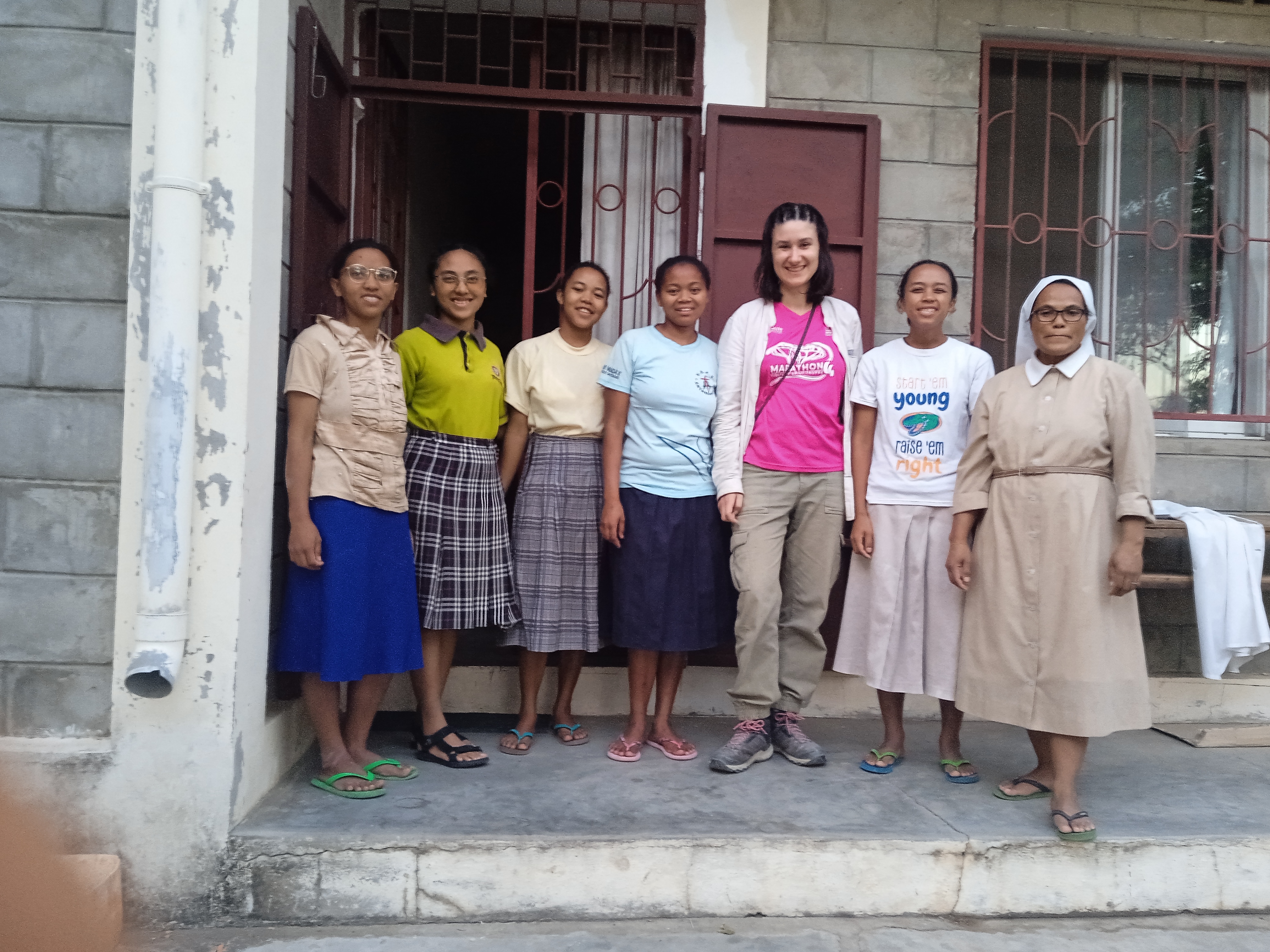
I also helped with everyday tasks. I also went to Antananarivo, where I taught French to nuns who work at another school.
How Arts et Métiers your studies at Arts et Métiers help you in carrying out this project?
I had this desire to go on a humanitarian trip. The need to travel abroad was the trigger. It was the right time to leave. So I started looking for an association with which to set up a project.
Being a student at Arts et Métiers an asset in gaining the association's trust in setting up the project. The association was used to sending medical students to Madagascar for two weeks.
This was the first time they had let a student go alone for a month. The school's reputation helped me to show how serious and committed I was.
Can you explain how the GaSole association helped you in this adventure?
I would like to thank our solidarity association GaSole, which donated just over €2,500 to Mada Pitchoun. This money was raised over the course of the year through the sale of crêpes and paninis at various events organized by students. Mada Pitchoun used this money to fund meals for many poor children and to cover medical expenses.
I also brought many books, musical instruments for the children, materials for crafts, and medicines.
What have you learned from your experience?
Keep records
Every day, I wrote about my day in a notebook. I described what I saw, the conversations I had, how I felt, and what struck me. I wanted to keep a record of everything I experienced during this trip, which was extremely rich in emotions and discoveries.
During my trip, I was very struck by the way people thanked me as if I had done something huge, when I didn't feel like I was helping much at all.
A stay rich in learning experiences
I had to be very adaptable. Many things did not go as planned, so I had to find solutions and bounce back.
I discovered a way of life that is very different from ours. People live with very few material possessions. Concrete houses are rare. There are many houses made of earth and sheet metal.
People don't seem unhappy. Their concerns revolve around daily tasks. They are much less rushed than we are and have much less stress. It should be noted, however, that in the region where I was, there was no famine. People always eat the same thing, mainly rice, but they have enough to eat, which is not the case in all regions of Madagascar.
I learned a lot about their culture, but also a lot of Malagasy vocabulary. I learned how to wash my clothes at the wash house and wash myself at the tap with a washcloth, including my hair (I now know that it is possible to wash long hair with less than two liters of water). I learned several Malagasy recipes, which I wrote down in my notebook. I also had the opportunity to learn a few traditional dances.
Adapting to constraints
The main constraint was hygiene. I had to be very careful, especially with water. I could only drink bottled water (even for brushing my teeth) and wash myself with rainwater (no showers, despite the 30°C heat). I could only eat cooked vegetables and fruit that could be peeled. I also had to take malaria medication every day.
Travel is also a constraint. In Madagascar, journeys take a very long time. There are paved roads, but they are not maintained and are full of potholes. Traveling by bush taxi is therefore very long and tiring. For safety reasons, I always had to be accompanied by at least one sister when traveling.
Tell us about your greatest achievement.
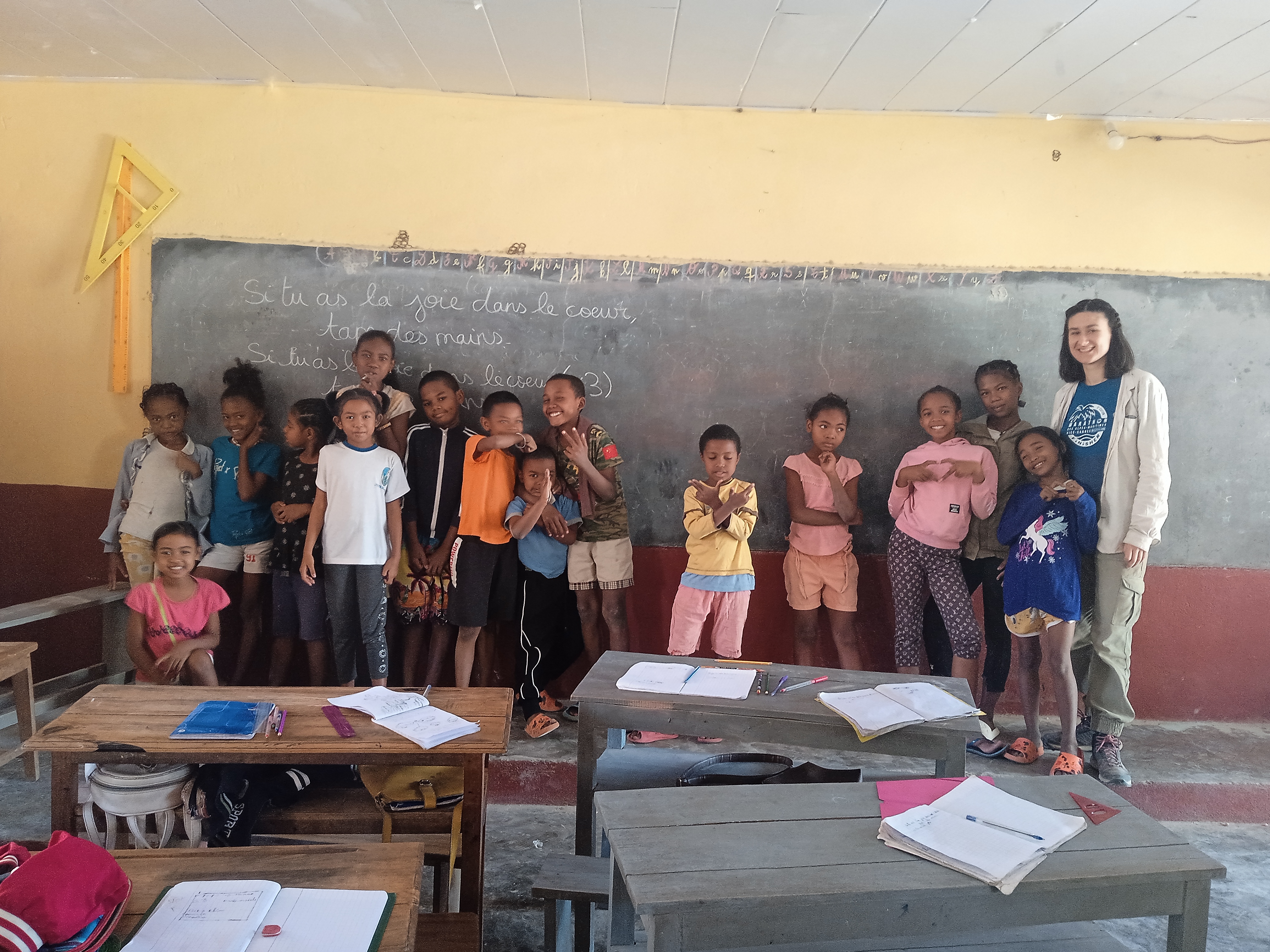
I loved teaching children and organizing games and activities tailored to their level.
It wasn't always easy. I was on my own, looking after a class of 12 to 22 children (the number of children kept growing) aged between 7 and 15. I knew nothing about their language or culture. I had to adapt a lot to keep their attention and help them progress despite their very different levels. I had to come up with additional activities if some didn't work and adapt to the lack of materials.
Since I stayed in the same place for three weeks, I was able to really see the children's progress over the course of the lessons, create little rituals with them, and feel like I was really making a difference.
Here's a little anecdote. I wanted to teach the youngest group a song in French. I had to face some very lonely moments, singing all by myself while the children watched me without moving. I didn't know what to do... But after several attempts, it worked. They all started singing along! It was amazing! They even taught me that there was a Malagasy version of the song.
Is preparation the key to the success of a humanitarian project abroad? How did you prepare yourself?
Organizing a humanitarian trip requires a lot of preparation time beforehand: plane tickets, visas, vaccinations, contacting people on site to organize your arrival, packing your bags, collecting books and medicines to take with you.
In my case, the president of the association gave me the contacts on site, provided me with a lot of advice on how to prepare for my trip, and accompanied me throughout the preparation process.
The association is linked to a congregation of nuns in Madagascar who run several clinics and schools in different regions. I was able to stay with the sisters for free in exchange for participating in daily life.
When I returned, I worked for a month in a mountain refuge, which enabled me to finance my plane ticket.
If you had to do it again, what advice would you give to Arts et Métiers students Arts et Métiers would like to embark on such a humanitarian endeavor and adventure?
I think the most important thing is to start well in advance. You need to find an organization with which to develop a project and be a driving force in its implementation, but not arrive with a project already set up and want to impose it.
Now that I've been there, I have a better idea of what can help people there, which allows me to continue investing in the organization and provide targeted equipment and advice to those who would like to try the adventure.
Learn more about Mada Pitchoun's initiatives
The association carries out numerous initiatives to help the most disadvantaged people in Madagascar. It operates in several locations, including Farafangana, Moramanga, and Ambondromamy.
With initiatives mainly focused on health, hygiene, and education, Mada Pitchoun provides food for many children, sends school supplies and medicines to clinics, builds schools and sanitary facilities, provides hygiene and health training for teachers, and finances surgical procedures for children with deformities.
Mada Pitchoun is a small association with a limited budget and a small number of highly committed members. Members of the association who go on missions to Madagascar finance their own travel expenses.