Reverse engineering is a valuable solution in many cases: loss of plans, accidental deletion of CAD files, or analysis of the competition. While 3D scanning technologies now make it possible to digitally recreate the geometry of a part, it is still essential to rework the point cloud generated in order to obtain a functional model.
The three key stages of reverse engineering
1 - Choosing 3D scanning technology
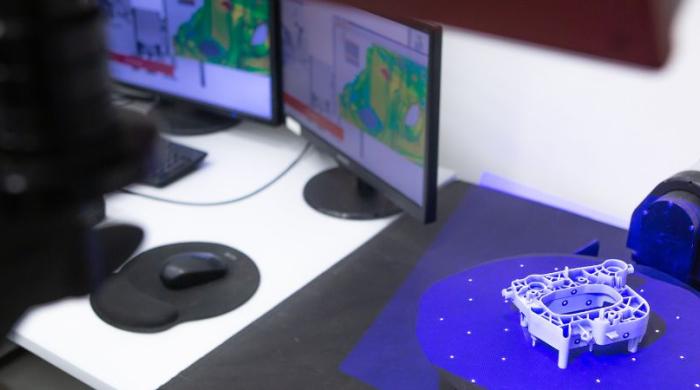
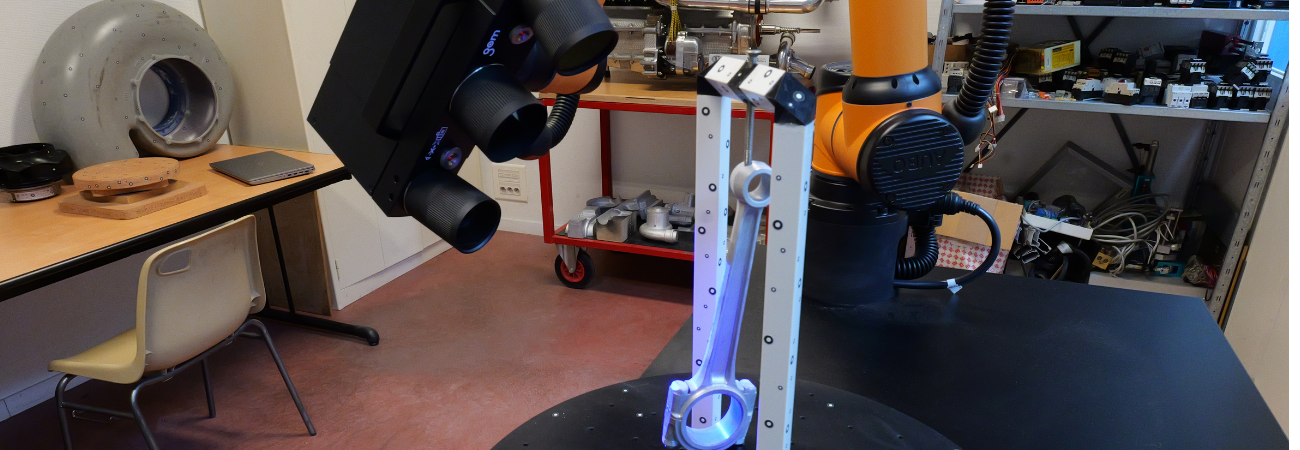
Nicolas Bonnet, associate professor at the Arts et Métiers campus Arts et Métiers Metz, supports companies and students in their reverse engineering projects. "There are many technologies for digitizing parts: contact and non-contact, laser scanners, structured light, photogrammetry, stereovision, variable focus, portable scanners, fixed scanners, robot/cobot-mounted scanners, etc. The choice of technology depends on the time available, the size of the object, the required accuracy, and the budget."
2 - From point cloud to CAD
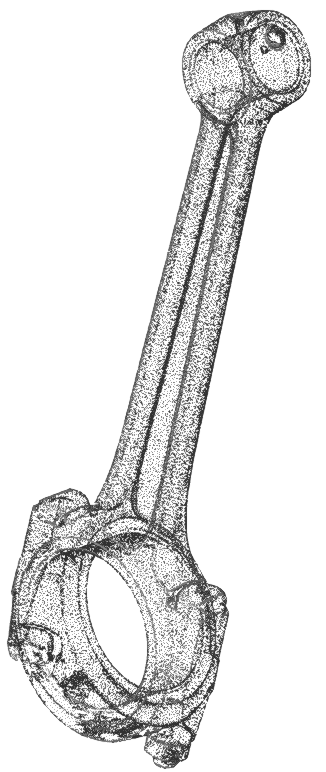
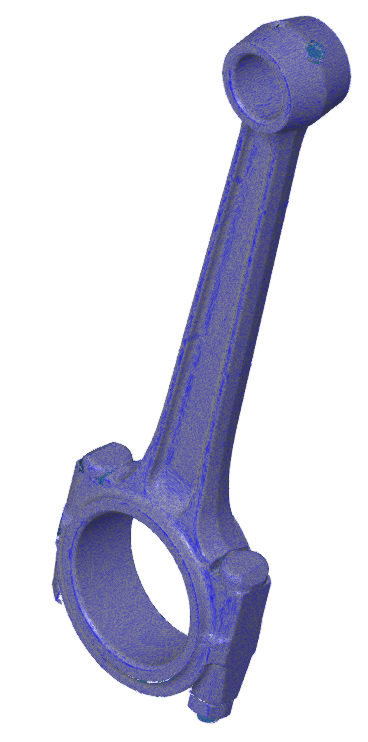
Scanners can easily produce a point cloud, but the work doesn't stop there. "Many people think that the redesign is complete at this stage," explains Nicolas Bonnet. "In reality, the file still needs to be converted into a functional CAD file, and this task remains time-consuming despite the emergence of software solutions that are not yet completely satisfactory."
It is crucial to know how to interpret the point cloud in order to identify functional surfaces and recreate dimensions and tolerances in relation to the part's function and manufacturing process.
 |  |  |
3 - Prototype manufacturing and testing
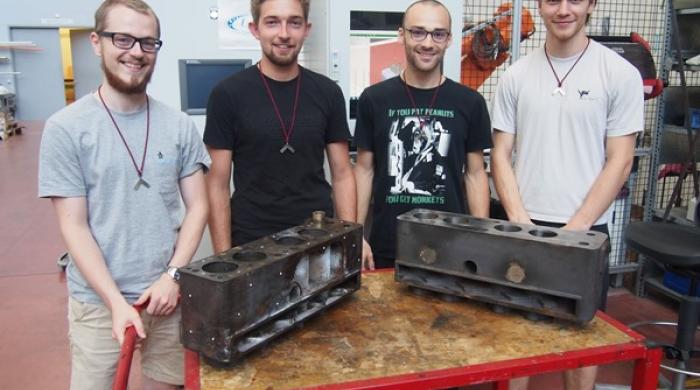
Once the surfaces have been recreated and the tolerances defined, the choice of manufacturing process becomes clearer. Before launching production, creating a prototype allows the conformity of the redesigned part or tooling to be quickly tested. "At the Arts et Métiers campus Arts et Métiers Metz, we have been working with students and companies on complete reverse engineering processes for nearly ten years. Creating a prototype allows us to verify the functionality of the part and check it again with 3D scanning."
Arts et Métiers companies in their reverse engineering projects
The Arts et Métiers campuses Arts et Métiers a wide range of digitization solutions that can be adapted to different educational case studies as well as industrial issues. Through the AMValor subsidiary, Arts et Métiers experts Arts et Métiers reverse engineering services. Continuing education courses are offered through the AMTalents subsidiary.
Whether it's to reduce costs, analyze the competition, improve performance, or extend the life of equipment, Arts et Métiers companies in their reverse engineering projects.
For more information, contact John Fritsch, Business Manager at Arts et Métiers.