Known as the Fourth Industrial Revolution, Industry 4.0 is characterized by the integration of digital technologies at the heart of production processes: advanced automation, artificial intelligence, connected devices, and data analytics. These processes are profoundly transforming industrial companies. For engineering schools such as Arts et Métiers, this is a major strategic challenge in order to train the talent capable of leading this transformation.
What is Industry 4.0?
Industry 4.0 is based on the convergence of the physical and digital worlds. Production systems are becoming smart, interconnected, and capable of self-optimization in real time.
In practical terms, this means:
- smart factories,
- the extensive use of data to improve performance,
- advanced and collaborative automation,
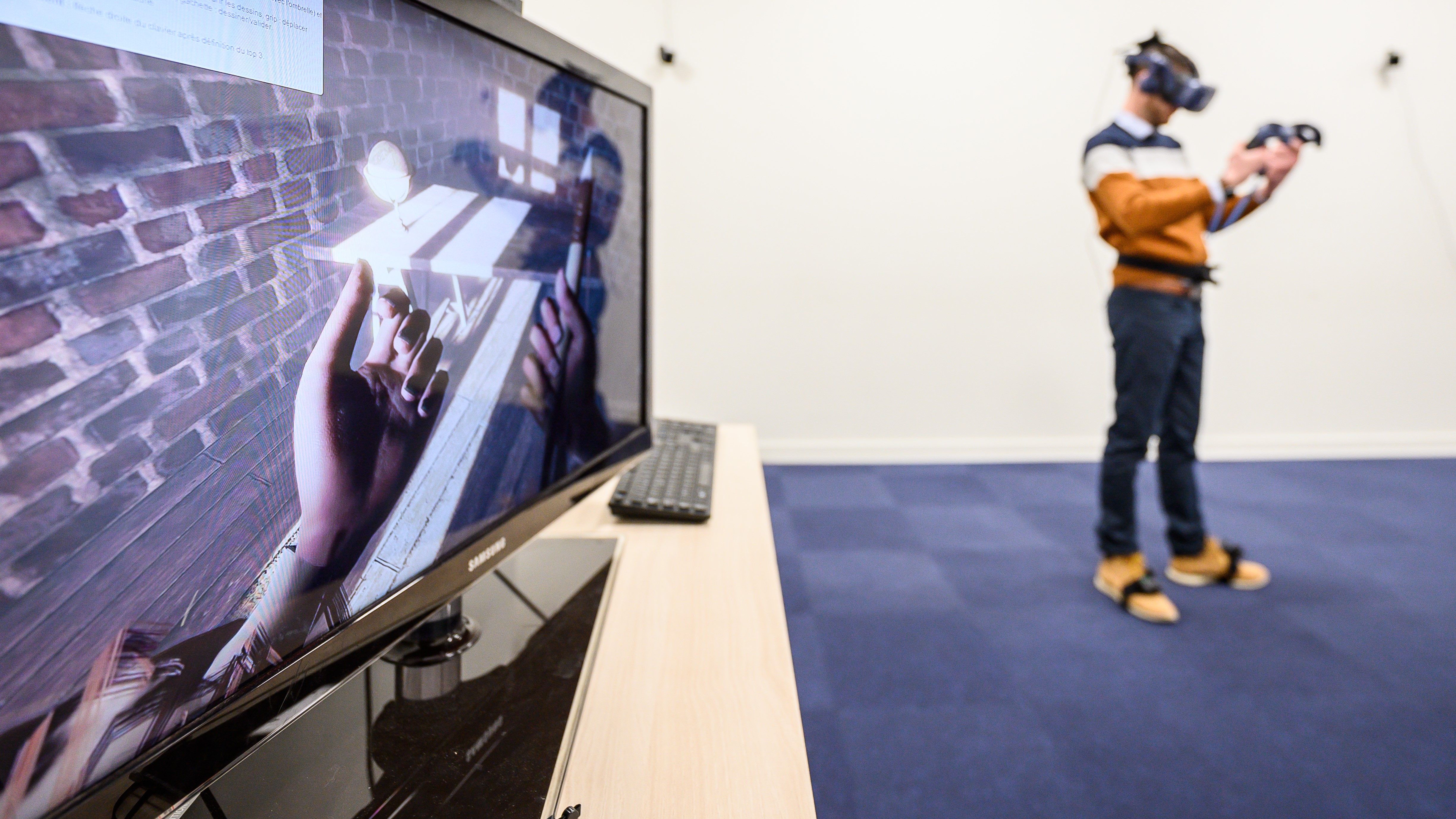
- numerical simulation and digital twins.
This industrial revolution aims to make businesses more flexible, more efficient, and more sustainable, while addressing the challenges of product customization and global competitiveness.
How is Industry 4.0 transforming industrial careers?
Industry 4.0 is fundamentally transforming industrial jobs. Repetitive tasks are increasingly being automated, making way for high-value-added work.
Among the main impacts:
- Job Evolution: Operators Are Becoming Supervisors of Automated Systems.
- New careers: industrial data analyst, cybersecurity expert, connected systems engineer.
- Improving Working Conditions: Reducing Physical Strain Through Collaborative Robots.
- Optimized decision-making: thanks to real-time data analysis.
Engineers must now be able to work at the intersection of several disciplines: mechanical engineering, computer science, electronics, and data science.
What skills are needed to become a key engineer in Industry 4.0?
To meet the needs of Industry 4.0, engineers must develop a foundation of technical and cross-functional skills.
Technical skills:
- expertise in automated and robotic systems,
- understanding of industrial IT architectures,
- data analysis and utilization (big data, AI),
- knowledge of cybersecurity issues.
Cross-functional skills:
- ability to adapt to technological changes,
- critical thinking and complex problem-solving,
- working in a multidisciplinary team,
- management of innovative projects.
The programs offered by Arts et Métiers these aspects to prepare students to become key players in industrial transformation.
Arts et Métiers future engineers master Industry 4.0 technologies through innovative programs closely aligned with the needs of businesses. Students benefit from hands-on learning that combines theory, industrial projects, and immersion in the workplace.
Training in Industry 4.0 means choosing a sector with a bright future, at the heart of the challenges of digital and ecological transformation.
Industry 5.0: How to Take It Further
Will the next industrial revolution be human-centered? While some research is moving in this direction, this is not incompatible with Industry 4.0 technologies. Arts et Métiers already Arts et Métiers to integrate these new practices that put people back at the heart of production, particularly through cobotics. For example, the Lean 5.0 program Arts et Métiers campus provides an excellent opportunity for students to explore how a robot can be integrated into their work on an assembly line.
By combining Industry 4.0 digital innovation with the development of human skills, Industry 5.0 paves the way for production systems that are more efficient, more sustainable, and better suited to the challenges of the future.