
What is machining?
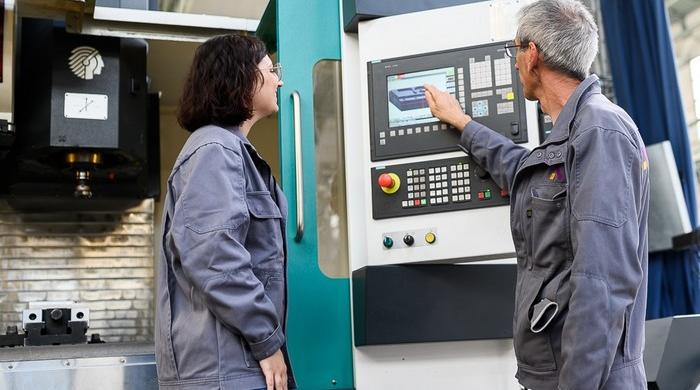
Machining is an industrial process that involves shaping parts by removing material, such as metal or plastic, using cutting tools. This process allows complex shapes to be produced with optimal surface quality. Machined parts are particularly used in sectors such as aerospace, automotive, and medical.
What is high-speed machining (HSM)?
High-speed machining involves using cutting and feed speeds that are much higher than those used in conventional machining. This approach allows, for example:
- a significant reduction in cycle times,
- better surface quality,
- a reduction in thermal stresses on parts,
- the machining of complex materials such as aerospace alloys or hardened steels.
Far from replacing conventional machining, HSM complements it by providing solutions tailored to high-precision and high-performance requirements.
The challenges facing UGV discussed at a conference in Metz
Experts in High Speed Machining gathered in Metz for the 18th edition of the international "High Speed Machining" conference, held on October 15 and 16, 2025, at the Robert Schuman Convention Center.
International scientific collaboration
Founded in 1997 thanks to Franco-German cooperation between PTW Darmstadt and what is now LEM3 (a joint laboratory run by Arts et MétiersMétiers/University of Lorraine and CNRS), the HSM conference has grown over the years to include international partners: IK4-Tekniker (Spain), TU-RCMT (Czech Republic), and NUAA (China).
HSM Conference: a forward-looking program
During the two days of the conference, engineers, researchers, and industrialists explored the most current topics through plenary and thematic conferences, as well as by discovering the latest technological solutions in the sector.
The program addressed topics such as:
- Innovation in machining: tools, processes, abrasives, optimization.
- Simulation and digital twins: for virtual and predictive manufacturing.
- Digital transformation: integrating digital tools into the workshop.
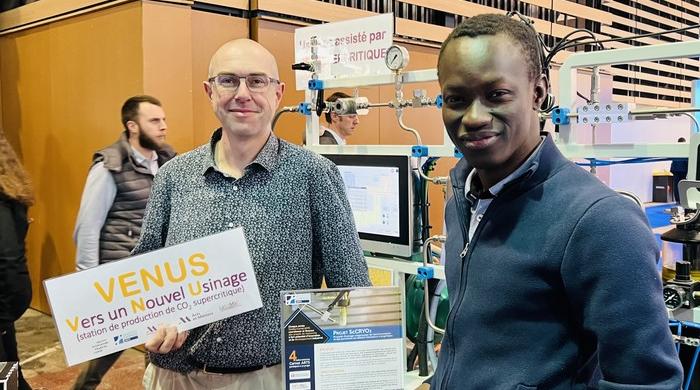
- Sustainable machining: eco-friendly strategies such as cryogenic machining.
- Complex materials and hybrid manufacturing: difficult alloys, post-processes, additive/subtractive integration.
- Smart machines and energy management: monitoring, thermal behavior, optimization.
- Or extreme precision and micro-machining: for high-tech applications.
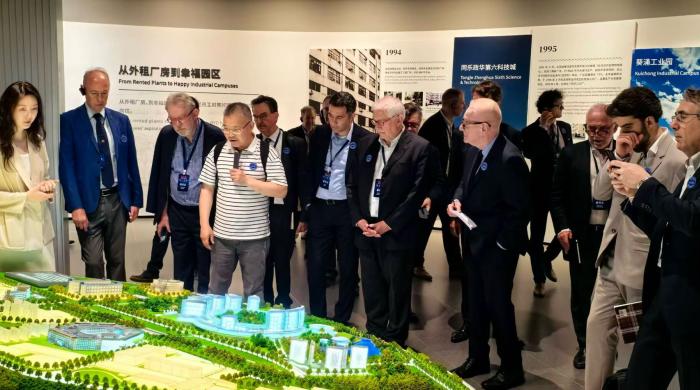
With participants from more than 20 countries, the HSM conference facilitated numerous exchanges between the academic and industrial worlds at the international level. It was a means of promoting collaboration and accelerating innovation in the field of manufacturing.