The "Engineering and Sustainable Construction Management" program is a comprehensive course that combines academic and technical skills. It draws on cross-disciplinary projects to address business issues by applying practical case studies.
Campus
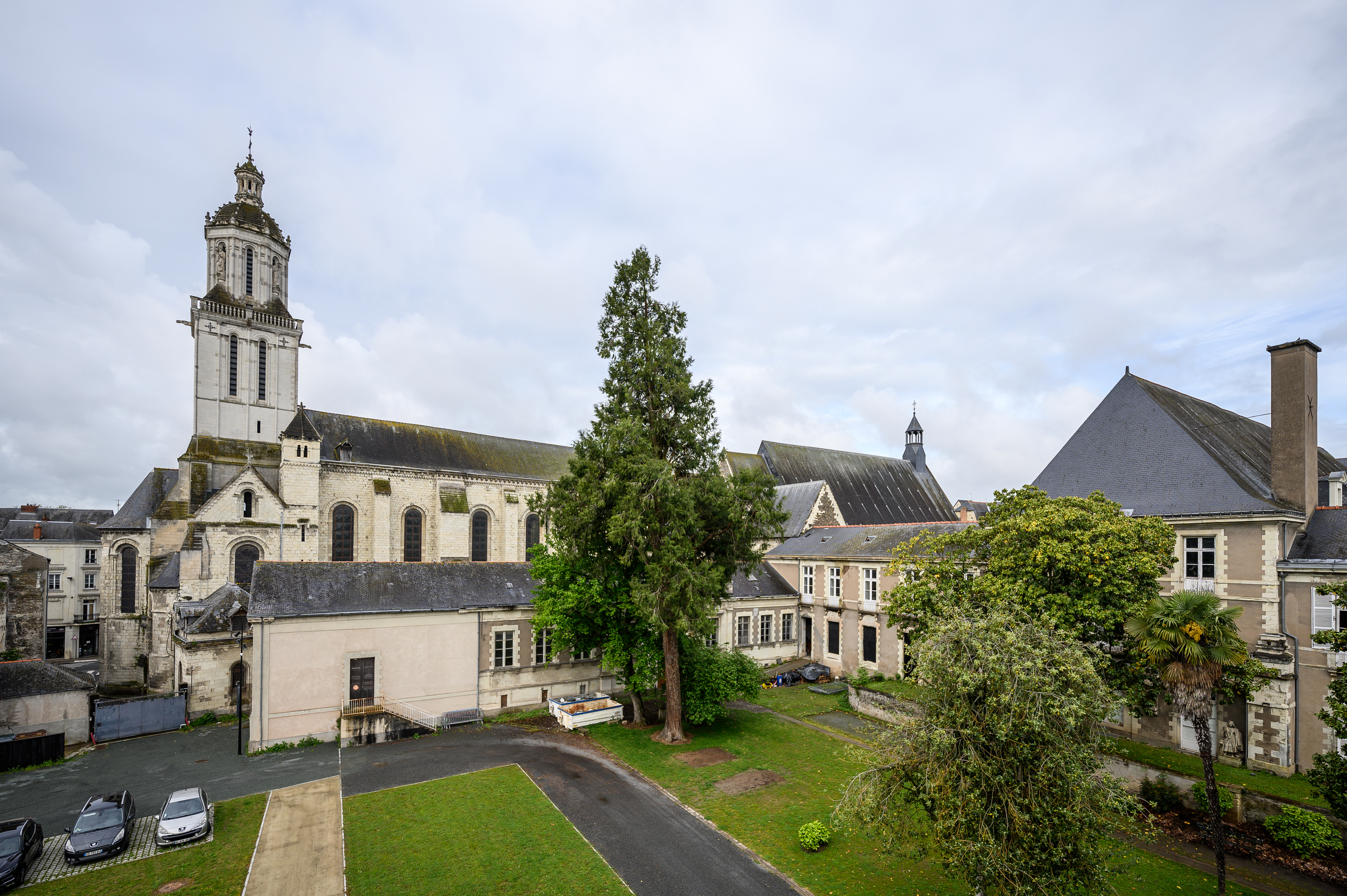
Arts et Métiers Campus in Arts et Métiers
ADVANTAGES OF THE TRAINING PROGRAM
After completing the first year of Grande Ecole Engineering Programme Arts et Métiers Grande Ecole Engineering Programme , students enter the “Sustainable Construction Engineering and Management” track to acquire both the scientific and technical skills required of an engineer specializing in the construction field.
Students benefit from professional training that closely reflects the reality of the industrial sector. The strength of this program lies in the diversity of topics covered, such as construction materials, structural engineering, building energy efficiency, climate control, building information modeling (BIM), and sustainable development, to train students in modern construction.
This "Engineering and Sustainable Construction Management" program can be completed in its entirety as a student or under a professional training contract in the third year only.
OBJECTIVES
- Integrate and take into account social and environmental issues in the construction sector.
- Mastering materials and their manufacturing processes
- Acquire construction technique skills
- Produce a structural calculation note and define the appropriate construction method.
- Identify and choose the right energy solutions
- Managing construction as project owner or project manager and monitoring projects within a company
- Being an actor and driver of the digital model (BIM)
- Carrying out technological, economic, strategic, and forward-looking monitoring in promising sectors of the future
PROGRAM
During the second and third years of Grande Ecole Engineering Programme Arts et Métiers Grande Ecole Engineering Programme , 40% of the course load focuses on innovation, project management, and leadership skills. At the same time, 60% of the course load is dedicated to developing engineering skills as they apply to the field of construction.
The strength of the program lies in its training, which incorporates external experts in their fields of expertise and real-world application projects with partner companies, allowing students to experience their future profession firsthand.
A variety of themed lectures and site visits round out this program, putting the lessons learned into practice.
Module 1: Construction and structural materials
Objective: to master construction materials and their applications in structures.
- Climate issues
- Water distribution
- Cementitious and bio-based materials
- Calculation of reinforced concrete and timber structures
Module 2: Networks and occupant comfort
Objective: to define the comfort production units of a building and the associated networks.
- Study of atmospheres
- Electricity and building energy
- Cost management
- Building Information Modeling (BIM)
Module 3: Site management and monitoring of operations
- Public Order
- Circular Economy
- Construction site management
- Regulations
Module 4: 24-week end-of-studies internship
Objective: During the last semester, students are challenged to solve an industrial problem specific to the construction sector.
International mobility: minimum 17 weeks
Students benefit from a network of contacts abroad to help them secure an international internship, which is generally completed between their second and third years. These internships may take place, for example, in companies abroad, at American universities such as Georgia Tech (Atlanta) or the University of Missouri, or at NGOs (Hamap) or embassies.
ASSESSMENT METHOD
Continuous assessment, exams, practical work, projects.
TEACHING METHODS
As part of the student program, project-based assessment will be prioritized. For students on professional training contracts in their third year, these projects will be replaced by the work placement period.
The schedule, educational content, and recruitment procedures for professional training contracts should be requested from the training manager.
PRACTICAL INFORMATION
- Required level: 1st year of engineering studies
- Course language: French
- Period: full year
- Number of hours: 760/year
- ECTS credits: 30/semester
- Location: training offered on the Angers campus
Contact
Head and educational coordinator: Guillaume GRAMPEIX
Email: Guillaume.grampeix@ensam.eu