At the Arts et Métiers campus Arts et Métiers Bordeaux-Talence, extended reality (XR) is a key training tool. From their first year, engineering students explore the different uses of XR applied to the product life cycle through classes, practical work, and concrete projects, thereby acquiring essential skills for Industry 5.0.
Extended reality as an educational tool
The Arts et Métiers campus Arts et Métiers Bordeaux-Talence has long placed innovation at the heart of its teaching. Among the educational tools used, we now find the use of extended reality ( XR), which encompasses virtual reality (VR), augmented reality (AR), and mixed reality (MR). These new tools play an essential role in the transformation of industrial companies.
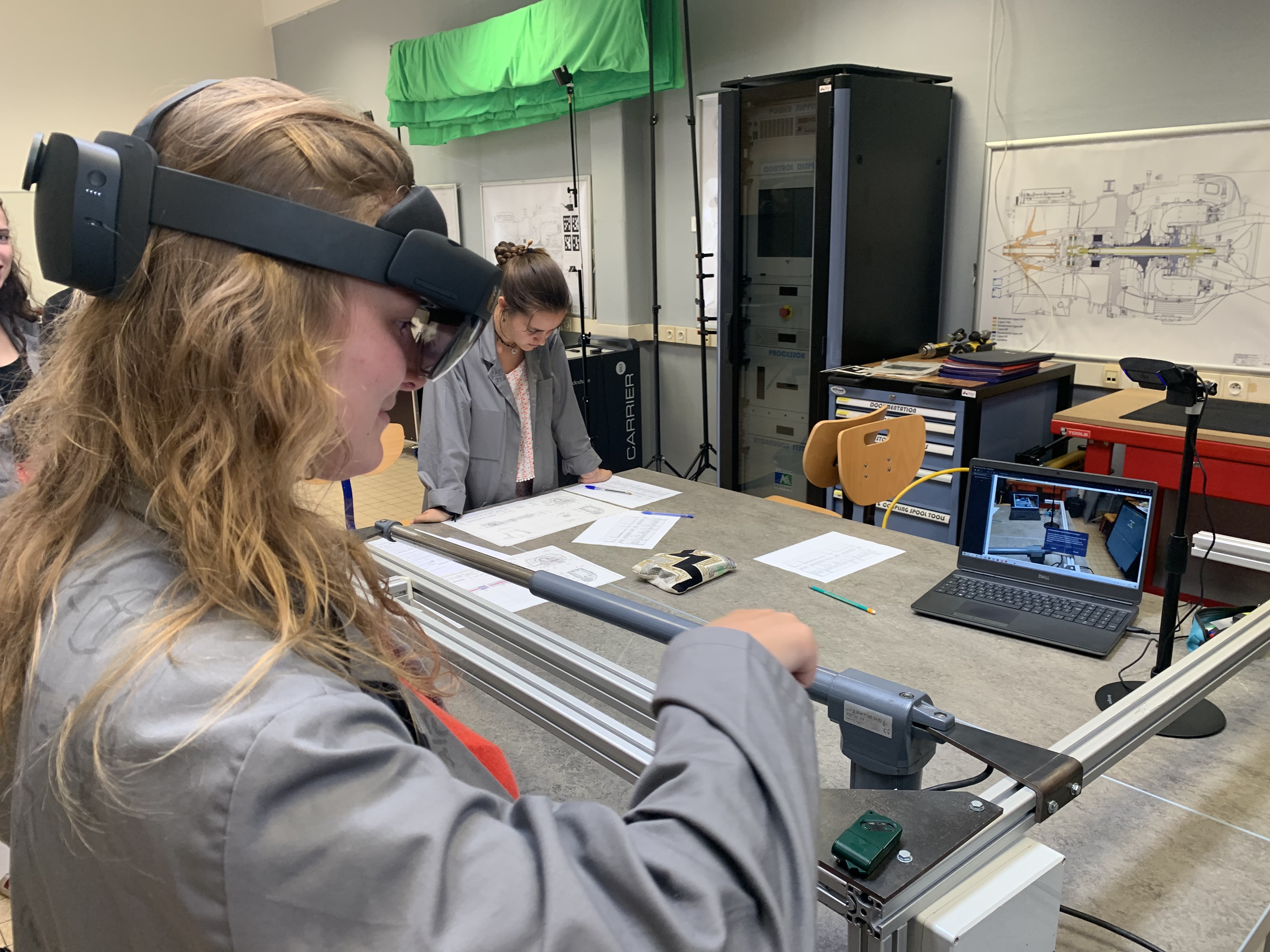
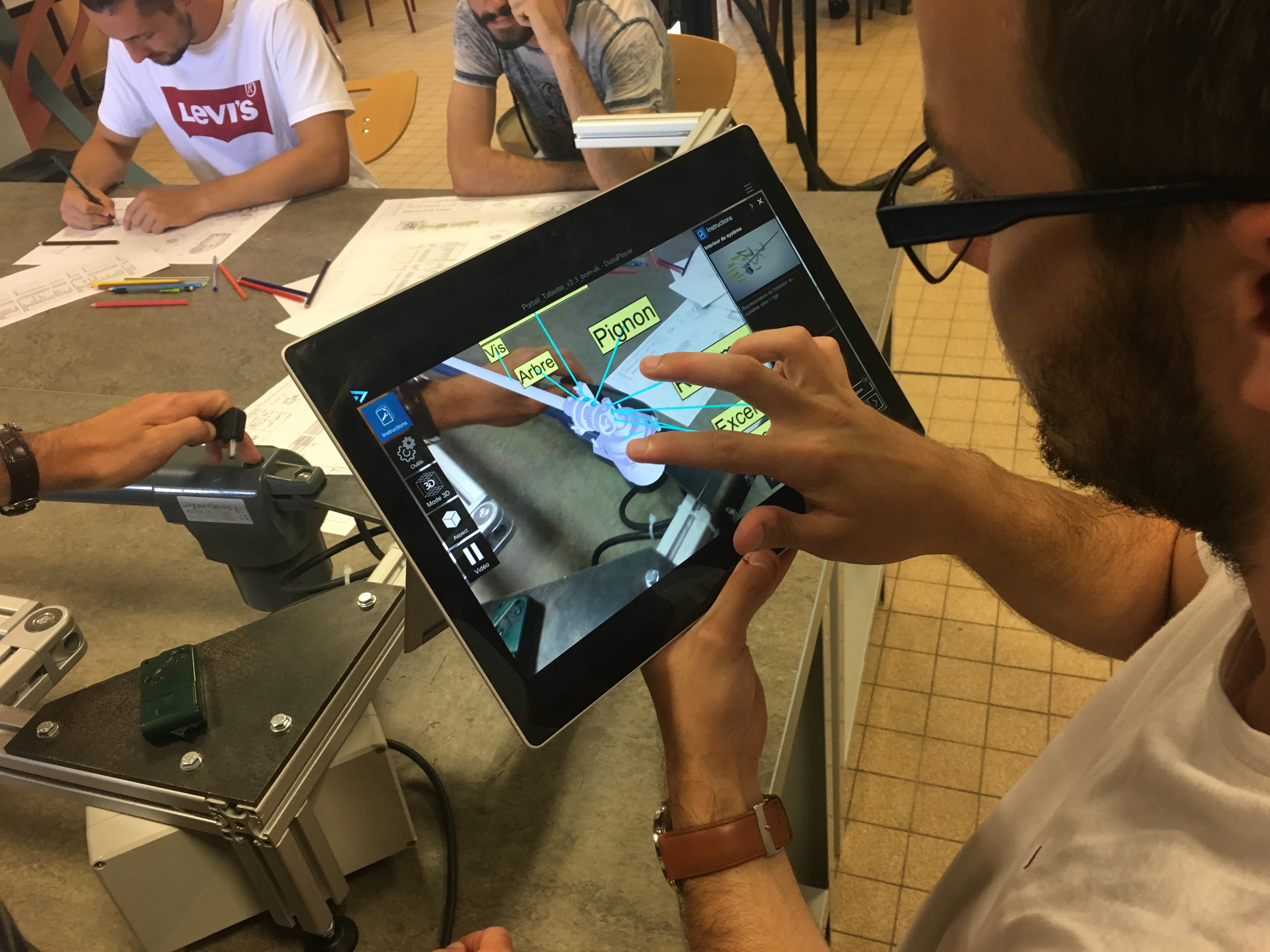
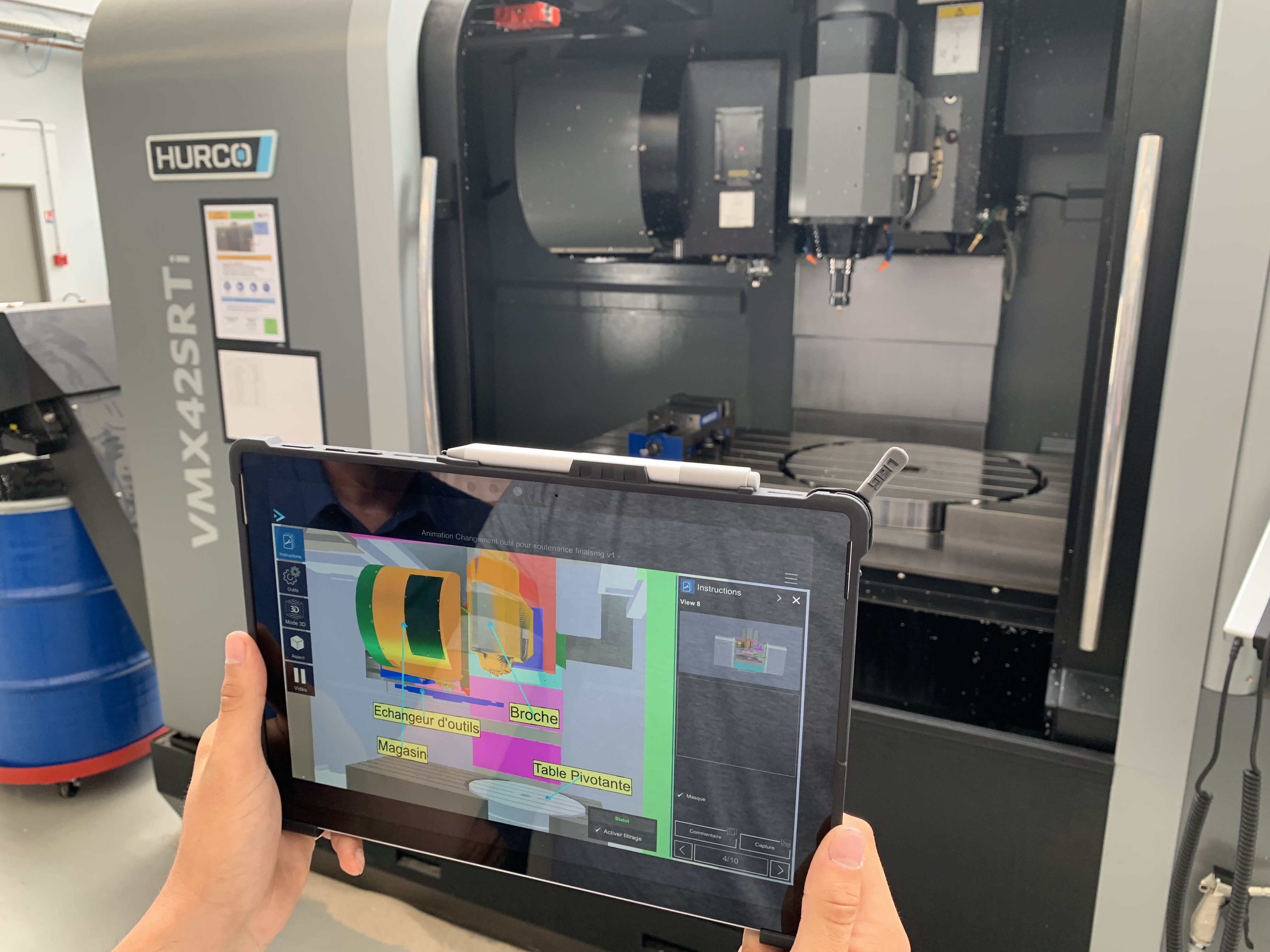
As soon as they start school, students receive refresher courses in certain scientific and technical subjects. Augmented reality gives them a better understanding of mechanisms by visualizing internal components and adding colors or captions. This information is added directly to the view of the actual mechanism. This technology gives these future engineers a faster and more intuitive understanding of complex mechanical systems, but it is also a stimulating experience that increases their engagement.
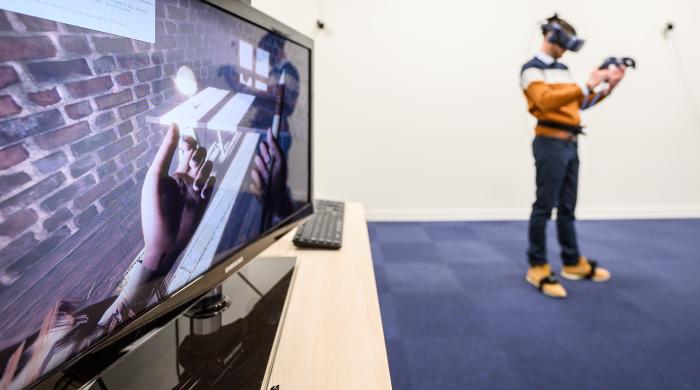
During 3D CAD (Computer-Aided Design) modeling phases, virtual reality is also used to visualize virtual objects to scale and in three dimensions, thereby providing a better understanding of volumes.
Concrete projects for experimentation and innovation
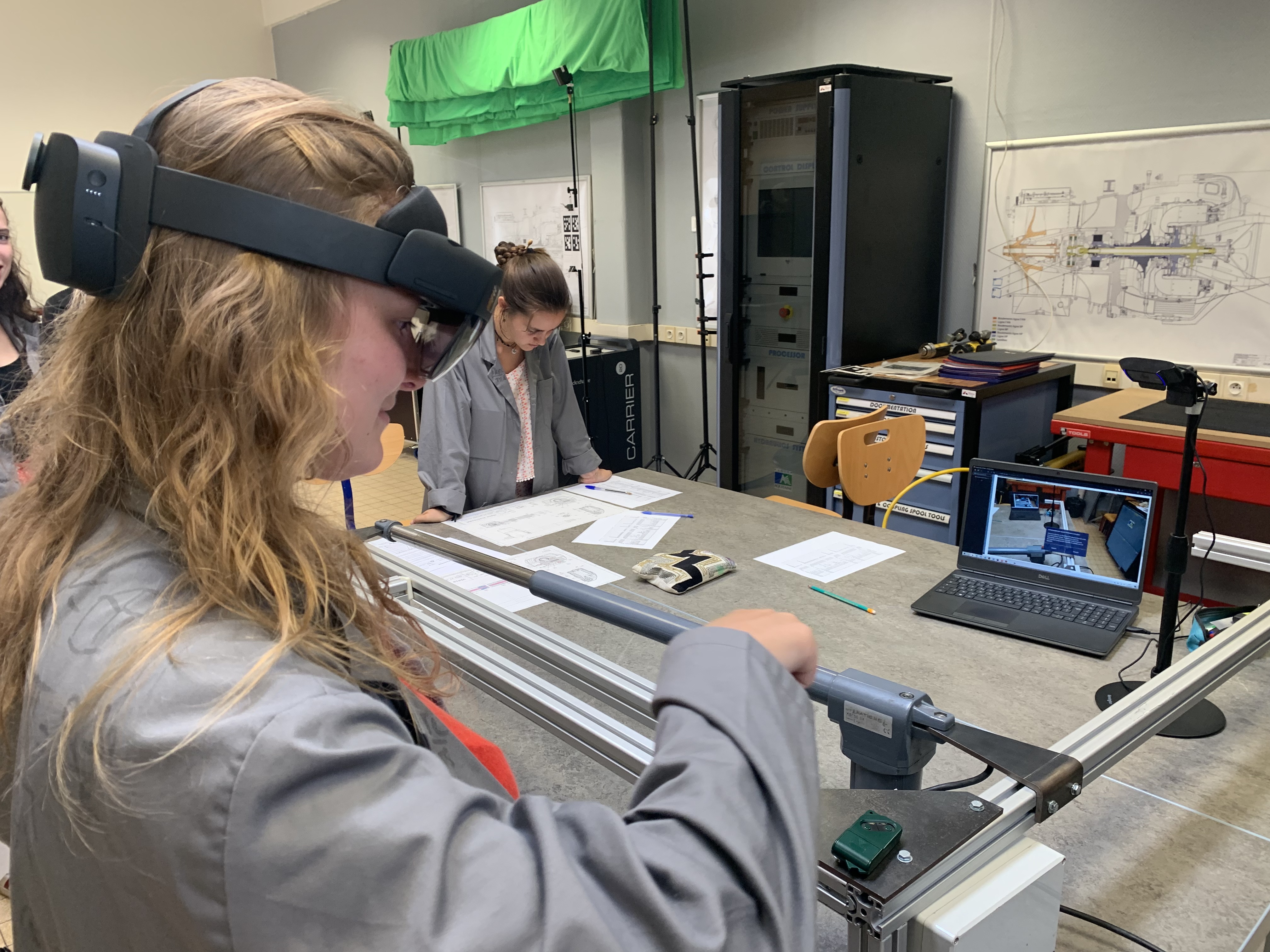
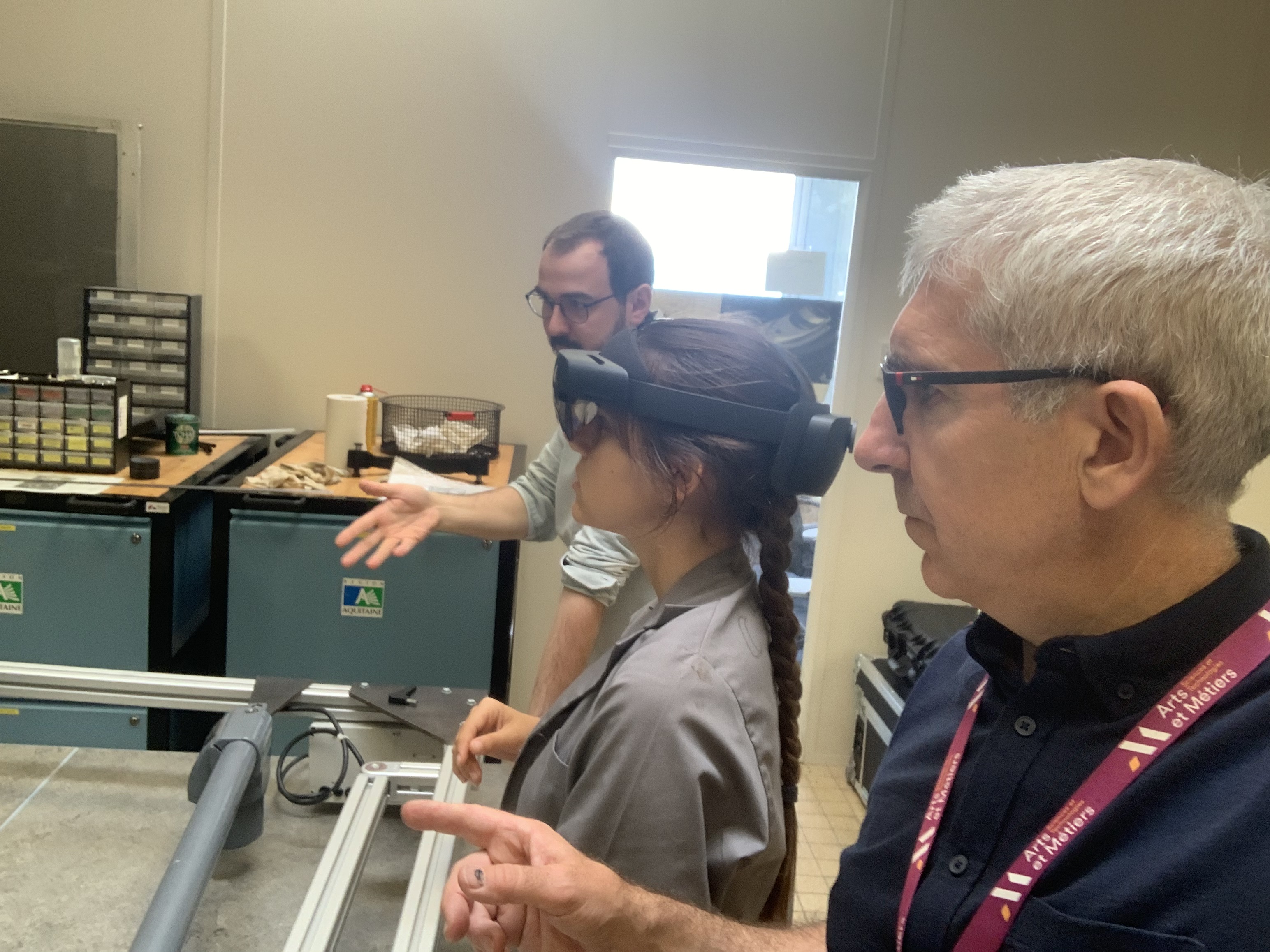
Engineering students are introduced to the uses of extended reality (XR) applied to the product life cycle. Practical work and long-term projects are offered to students, who have access to the "EMIRE"* platform: a cutting-edge technology platform including augmented reality, virtual reality, and mixed reality headsets, as well as dedicated software. Supervised by engineers and teacher-researchers, they learn how to use these tools to identify the benefits of these technologies in different phases of a product's life cycle and thus improve industrial processes.
Learning by doing is an essential component of the Arts et Métiers curriculum. The integration of XR technologies enables engineering students to develop their skills throughout their training.
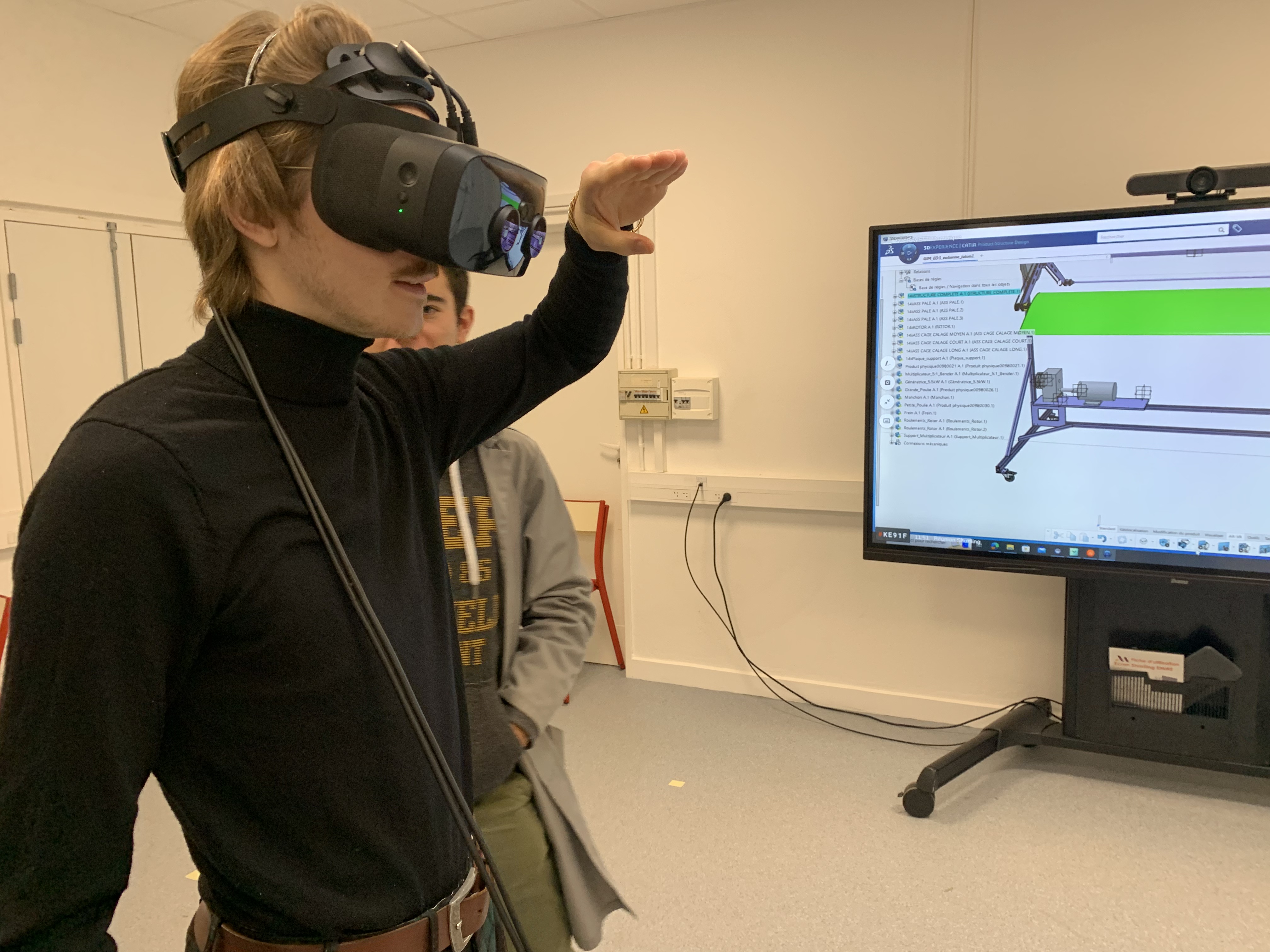
Starting in the first year of Grande Ecole Engineering Programme , during the mechanical design project, students use CAD to model an urban wind turbine and create 3D models. Next, a design review is conducted in virtual reality with the instructors: students learn to use VR tools, immerse themselves in the 1:1 scale digital model, and thus gain an understanding of the actual dimensions of their system, as well as installation and accessibility constraints.
From practical work are also an opportunity for them to implement augmented reality (AR). They schedule a AR scenario to guide an operator during assembly operations, then test it on a tablet or desktop computer before improving it.
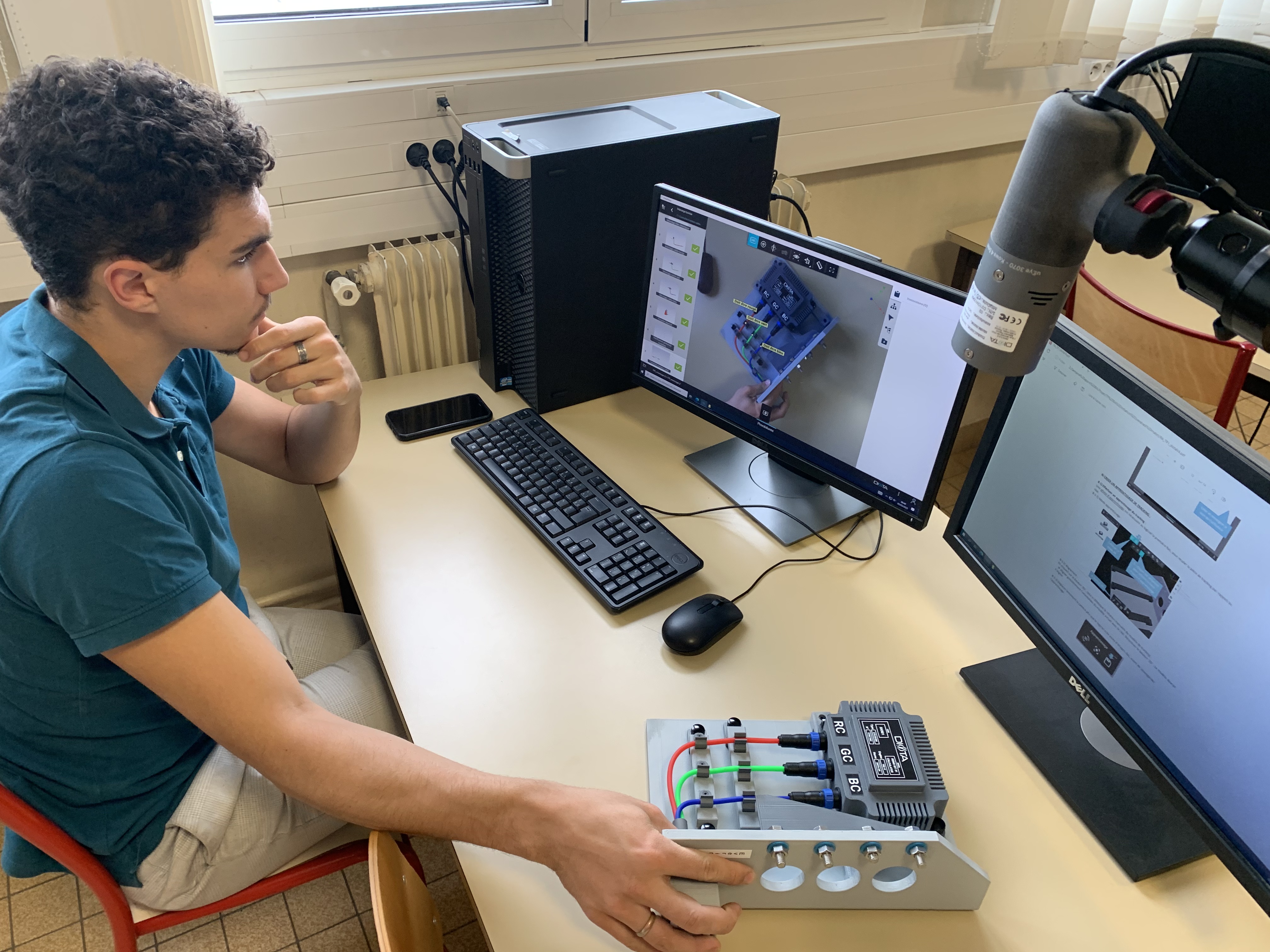
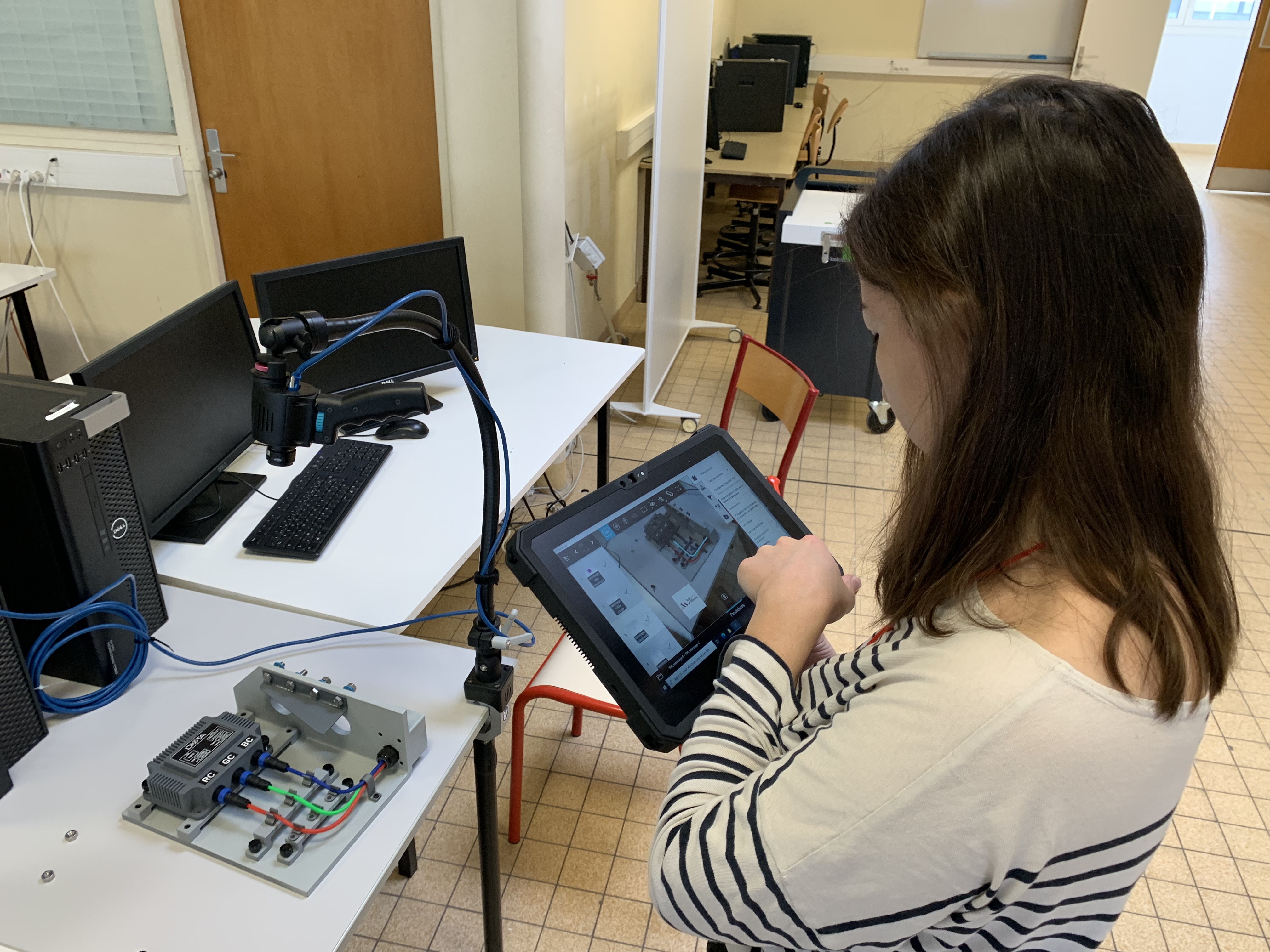
Students can also discover other practical industrial applications of AR (starting up machine tools or providing remote assistance by taking on the role of operators and experts).
In their second year, students deepen their skills with a practical assignment using the Robot Studio software. They manipulate robots in virtual reality on a 1:1 scale, which allows them to program trajectories more easily than on a 2D screen, but also to visualize them in 3D, in order to integrate aspects of human-machine interaction.
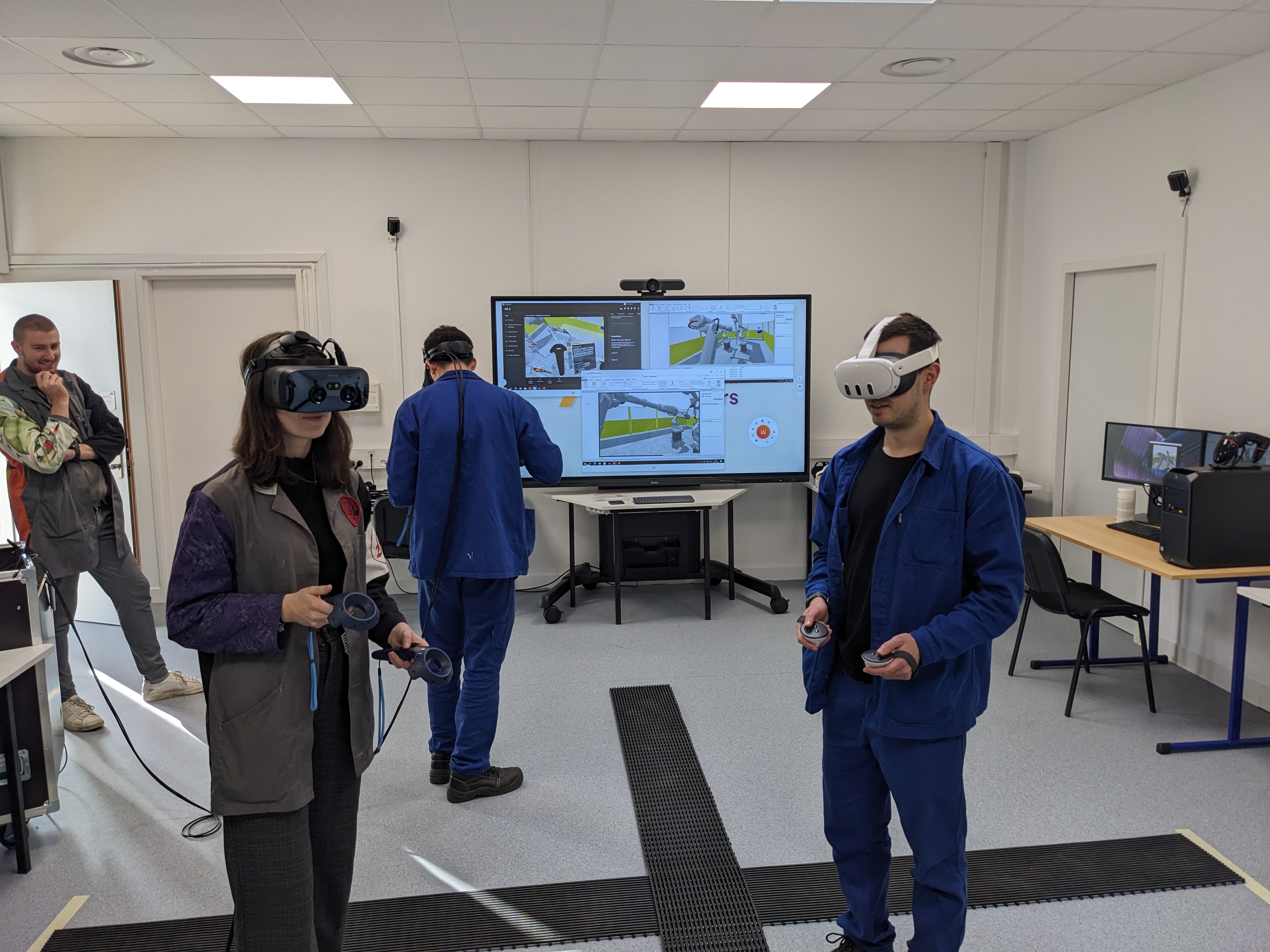
Finally, Projects are also offered inthe second orthird year. in order to test, for example, the multi-user collaboration in VR immersion or the workstation design. It may also involve solving problems proposed by manufacturers in 3eme year.
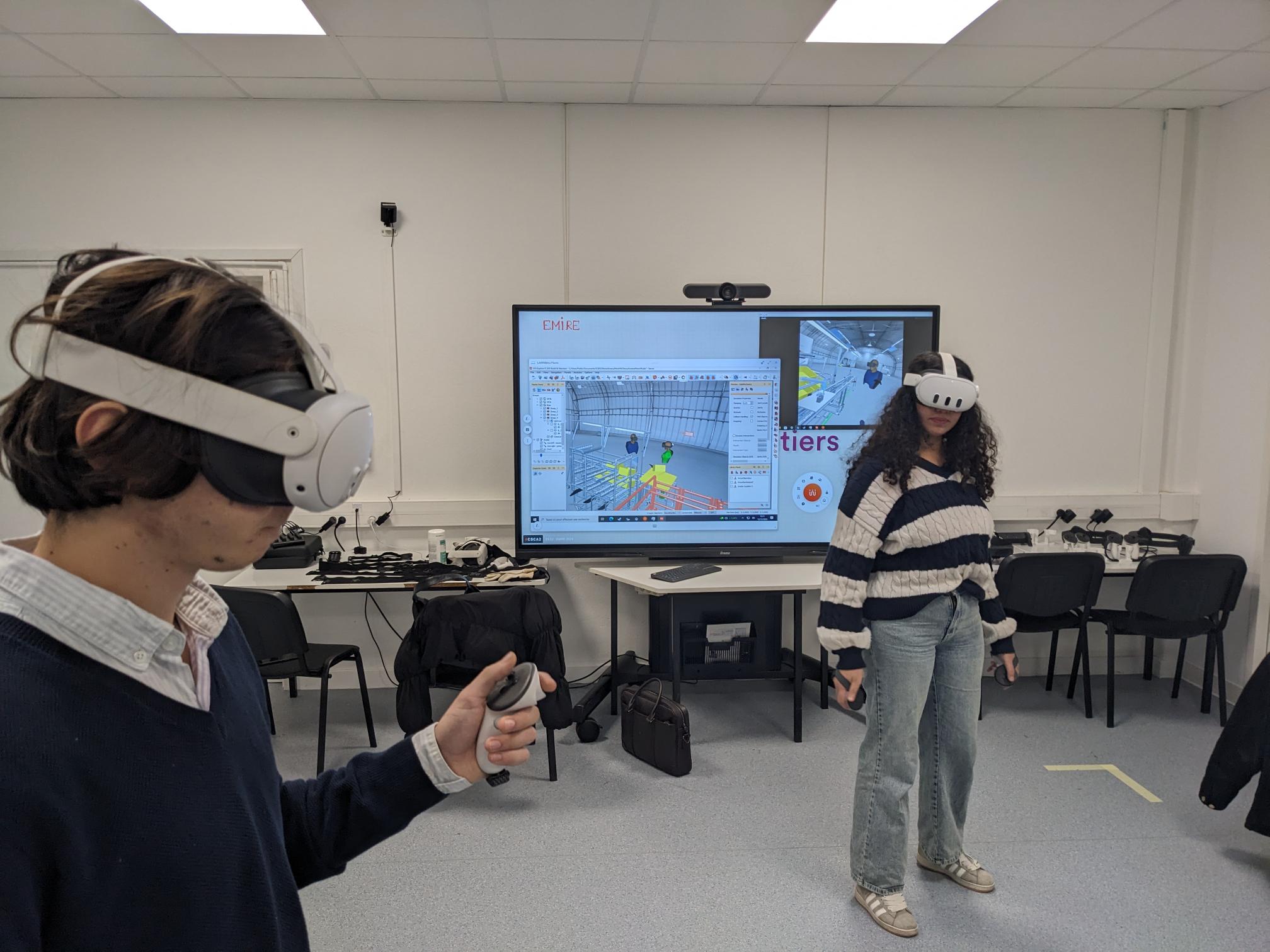
Future engineers thus draw on their extended reality skills to design innovative solutions that address today's industrial challenges. Through a combination of academic teaching and practical experimentation, they acquire valuable expertise, enabling them to become key players in industrial innovation.
* The EMIRE project aims to introduce mixed reality (XR) technologies, including virtual reality (VR) and augmented reality (AR), and their industrial applications into training programs. It aims to transfer these technologies to the industrial sector and support research initiatives to develop the industrial tools and methods of tomorrow in the field of mixed reality.
The AR/VR/XR platform for the EMIRE project was funded by the Nouvelle-Aquitaine Region, AMVALOR, the Arts et Métiers Alumni Foundation and Society Arts et Métiers the Arts et Métiers campus Arts et Métiers Bordeaux-Talence.