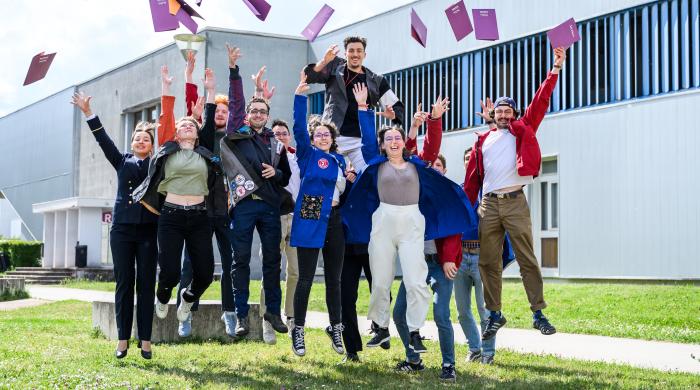

More than just a hackathon, Invent For The Planet is a truly immersive experience, combining innovation, cooperation, and social responsibility. For students, it is an opportunity to tackle real-world challenges, push their limits, and become agents of change for a weekend and beyond.
Invent For The Planet has once again established itself as an unmissable event for collaborative and responsible innovation at the Arts et Métiers campus Arts et Métiers .
From Friday, February 27 at 4:30 p.m. to Sunday, March 1 at 6:00 p.m., the Arts et Métiers campus Arts et Métiers was buzzing with excitement for the fifth edition of Invent For The Planet (IFTP), a major international hackathon organized as part of the historic partnership between Arts et Métiers Texas A&M University (TAMU).
This event is part of the Aggies Invent program, which has become a global benchmark for intensive design and project-based innovation.
Relive the 2026 IFTP edition as if you were there!
16 students ready to take on the challenge!
For this new edition, 16 students have signed up for this intense human and technological adventure, alongside participants from 32 universities across 17 countries.
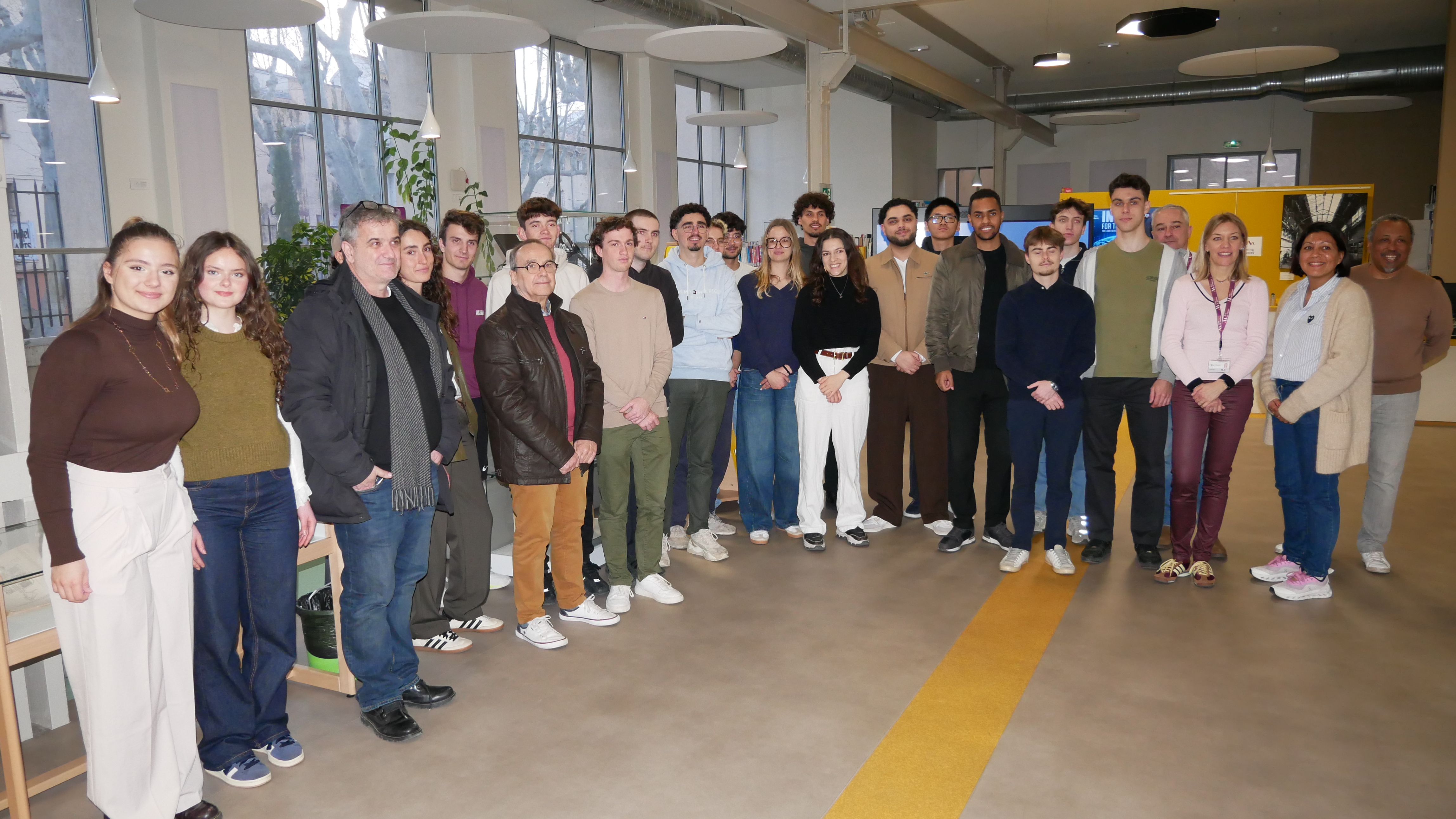
In Aix-en-Provence, the campus welcomed a diverse group of students with varied backgrounds and skills:
• 14 students from Grande Ecole Engineering Programme Arts et Métiers Grande Ecole Engineering Programme ,
• 2 students from Texas A&M University, currently spending a semester studying on campus,
• 2 students from Kedge Business School Marseille.
This diversity of backgrounds was one of the cornerstones of the challenge’s success: multidisciplinary, multicultural, and complementary teams, reflecting the complex challenges they were tasked with addressing.
A concrete issue: rethinking food systems for a resilient planet
This year, all participants, both in Aix and internationally, worked on a single, ambitious theme: "Rethinking food systems for a resilient planet," exploring its technological, societal, medical, and environmental dimensions.
A challenge commensurate with the major transitions of our time, which has pushed teams to come up with innovative, responsible solutions that can be applied on a global scale.
Féthi Ben Ouezdou, campus director, recalled that " Invent for the Planet is a fantastic opportunity for all these students to showcase their skills in industrial innovation, engineering, design, and management while addressing global challenges and issues. The teams are multidisciplinary. It is the skills of each individual and the complementary nature of the teams that contribute to the success of this challenge! " 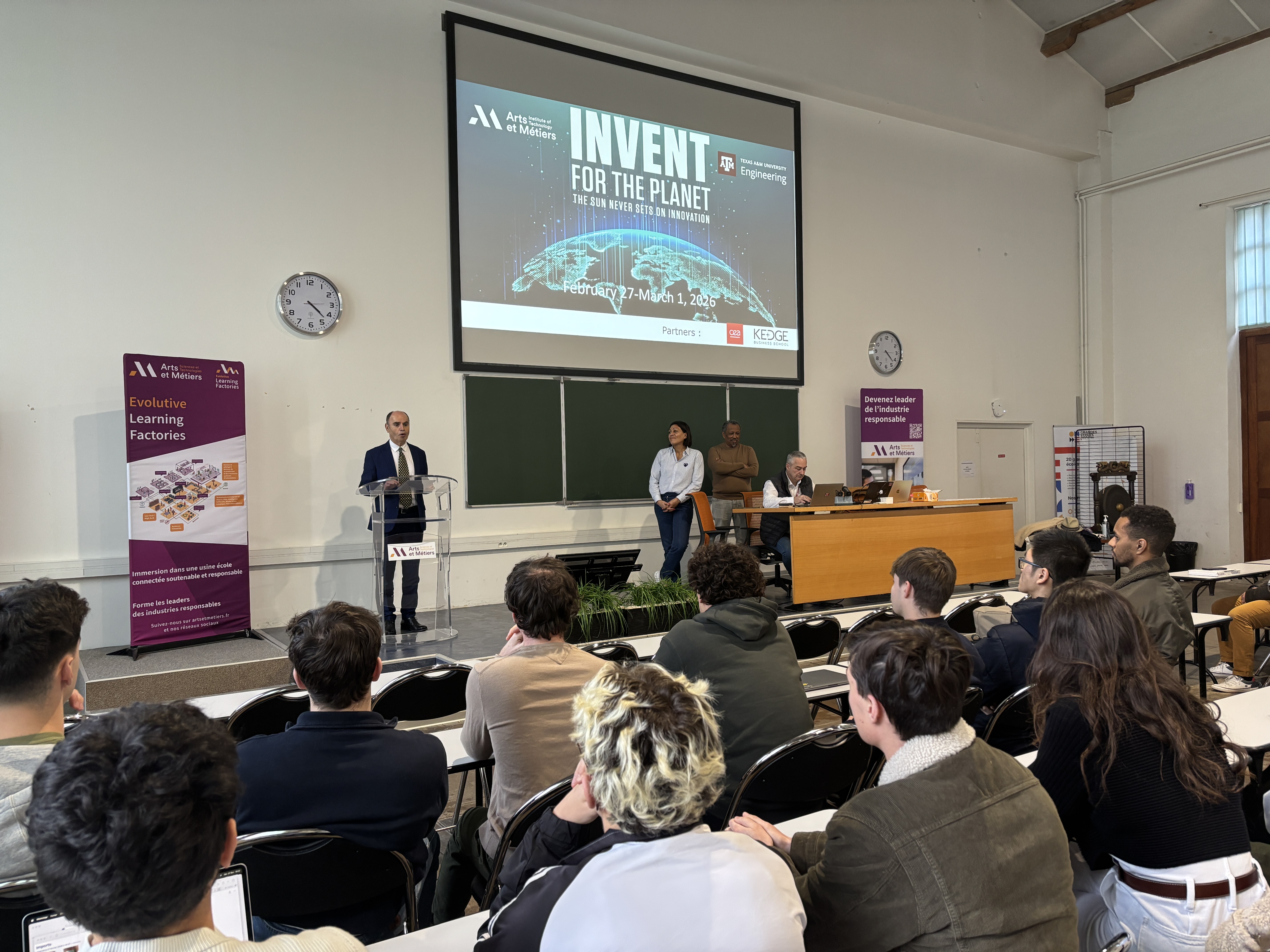
Invent for the planet, a unique experience: 48 intense hours, five highlights
The hackathon took place over a demanding 48-hour period, structured around five major stages that marked the teams' progress.
• The Dance
The highlight of the weekend, this first phase involved presenting the challenge, selecting topics, forming teams, and meeting the coaches. It was an essential time for building team spirit by laying the foundations for collaboration and developing the interpersonal relationships needed for the weekend.
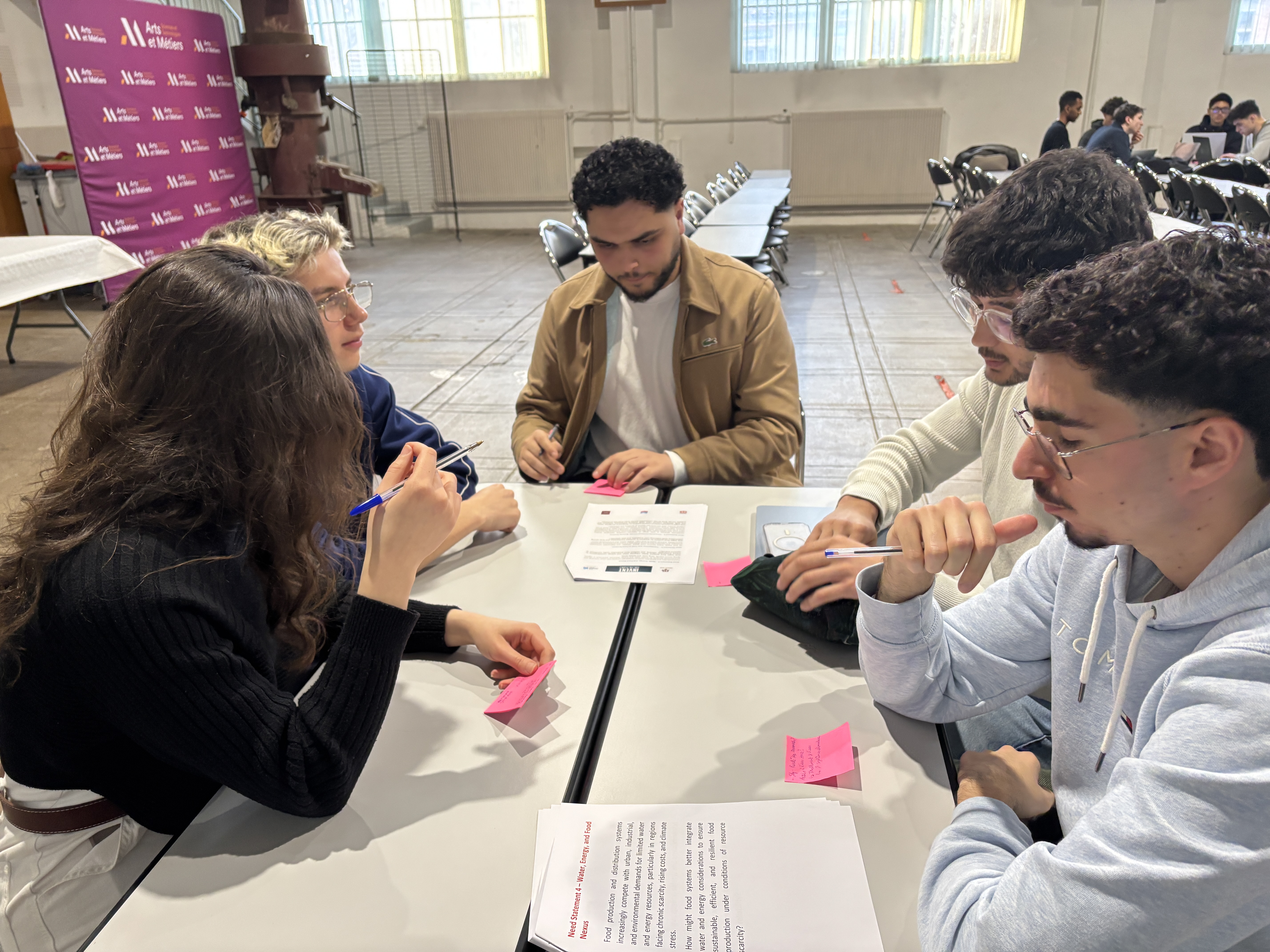
• The Discovery
The teams then explored the needs, analyzed the context, and identified the central problem to be solved. Research, discussions with potential users, and validation of the relevance of the need were at the heart of this stage.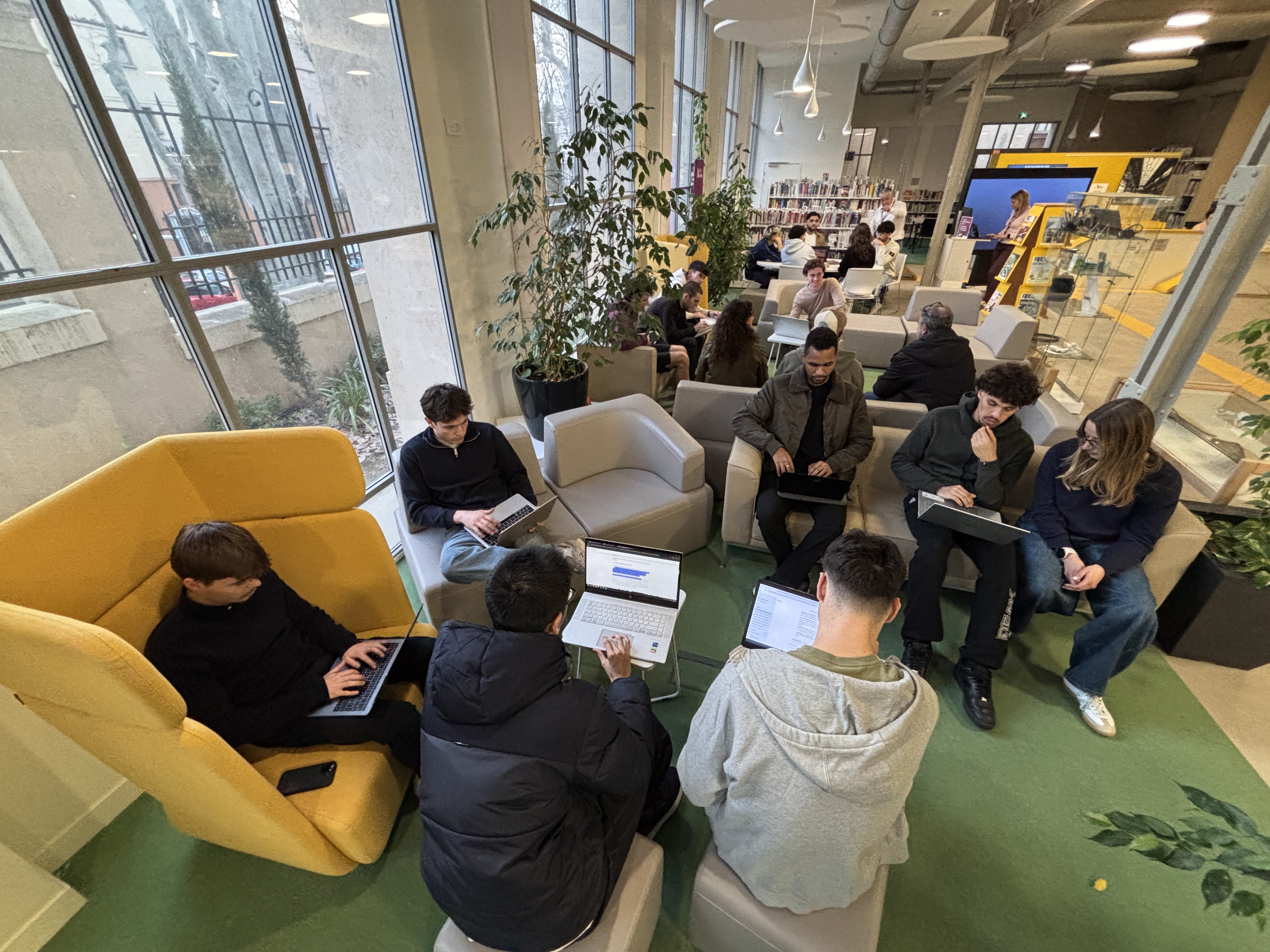
• The Design
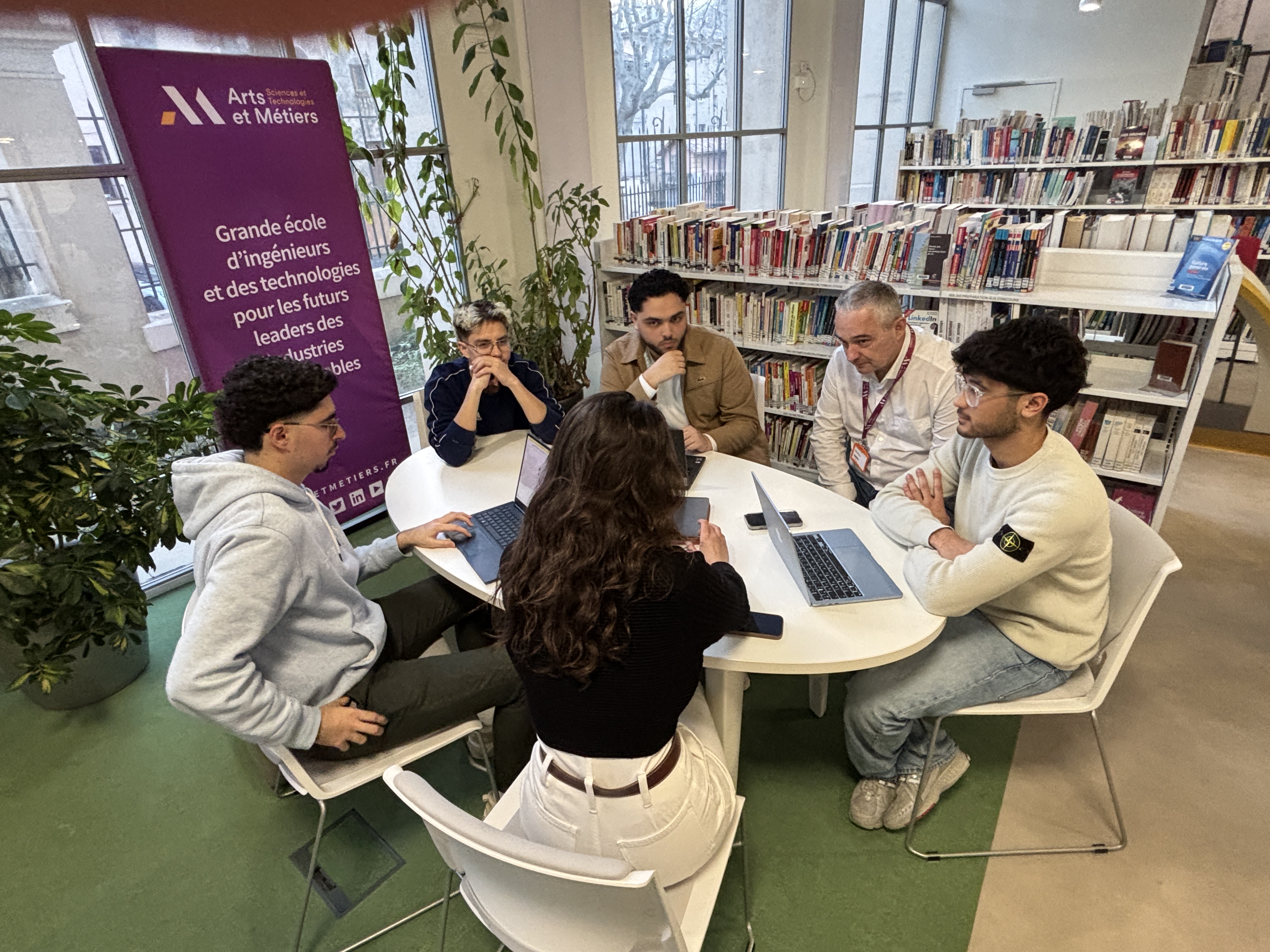
Time for creativity and design. The students came up with several possible solutions, defined their design requirements, and developed a prototyping plan, under the watchful eye of their coaches at intermediate checkpoints to ensure they were on the "right track."
• The Doing
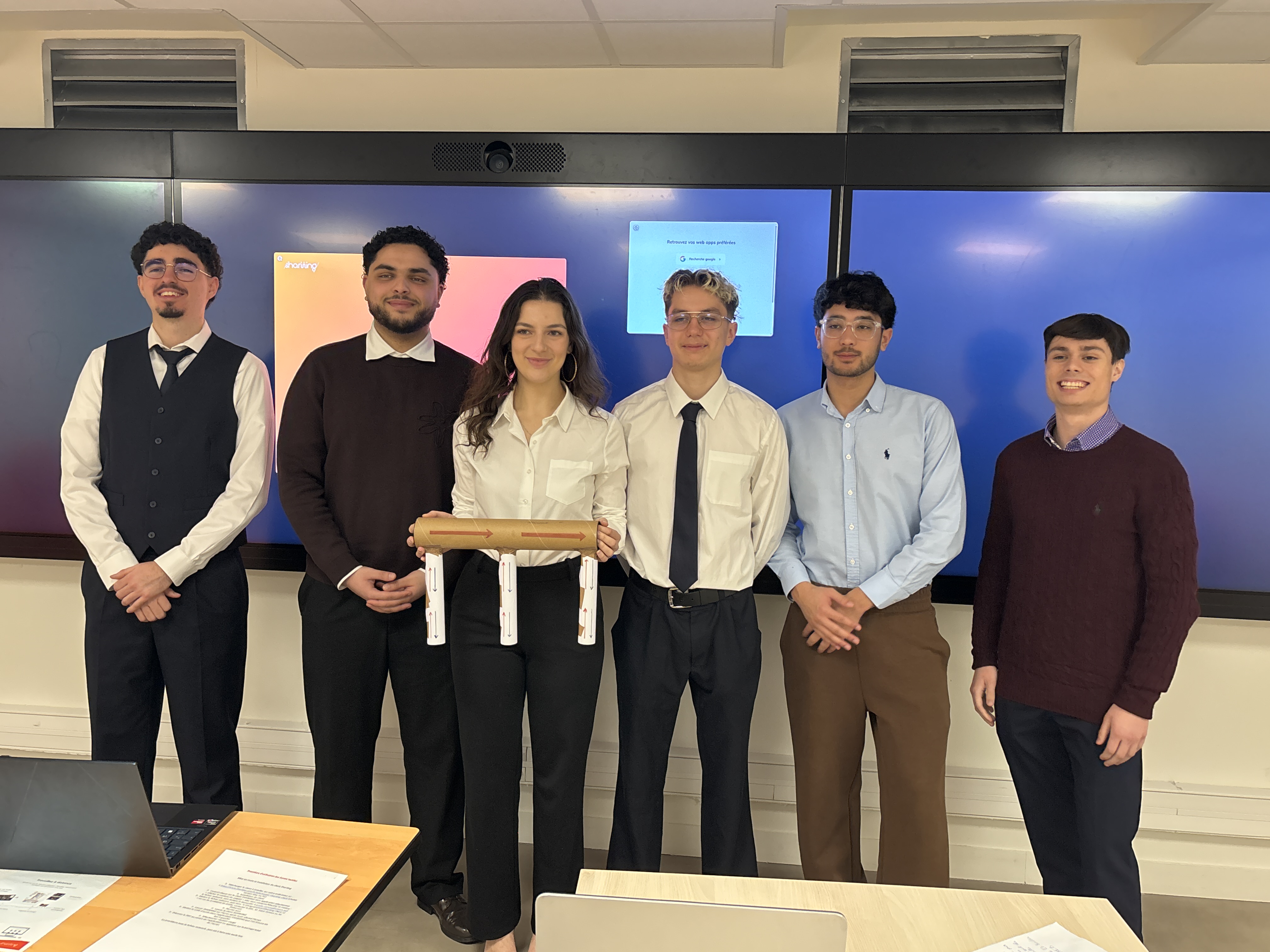
It's time to make it happen: assembling prototypes that represent the proposed solution, creating visual aids and a video, and preparing pitches. Ideas are taking shape, despite the time pressure.
• The Deal
Final stretch: finalization of the prototype and 90-second video, presentation of a 10-minute pitch to a jury. This stage includes 10 minutes during which teams must explain to the judges and the audience how they responded to the theme and why their solution is important. Followed by a question-and-answer session, this demanding exercise combines technical expertise, teaching skills, eloquence, and conviction.
Throughout the weekend, 12 management and technology coaches supported the teams, ensuring that solutions were relevant, timelines were met, and participants' skills were developed.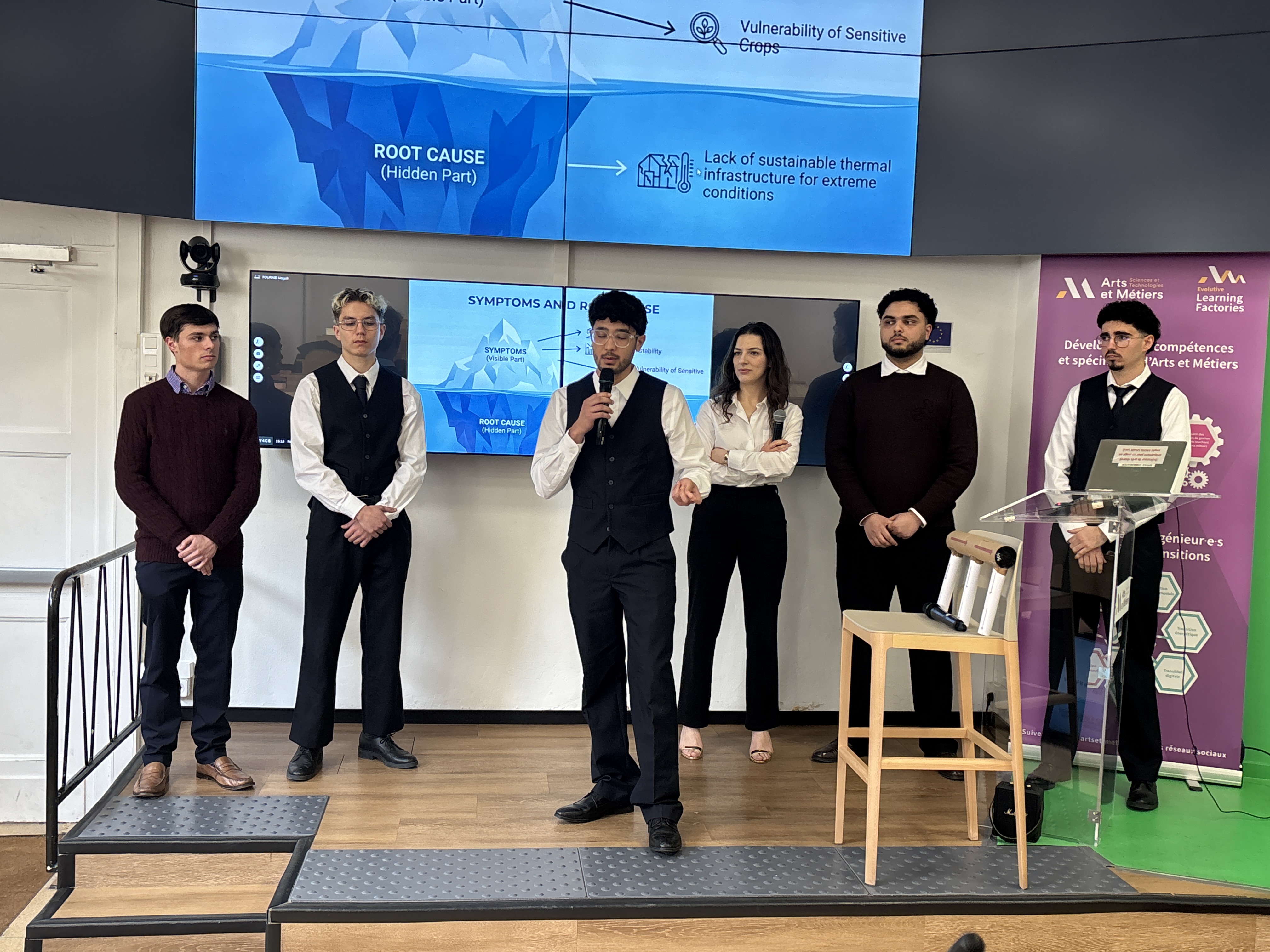
The awards
At the end of the weekend, the teams presented their projects to a jury.
The jury was composed of Prof. Féthi Ben Ouezdou, campus director, Olivier Provitina, head of scientific partnerships at CEA Cadarache, Betty Kientz, open innovation trainer at Kedge Business School Marseille, Arnaud Ferrand, founder of GNI Elec, and Antoine Denet, managing partner of C2IC.
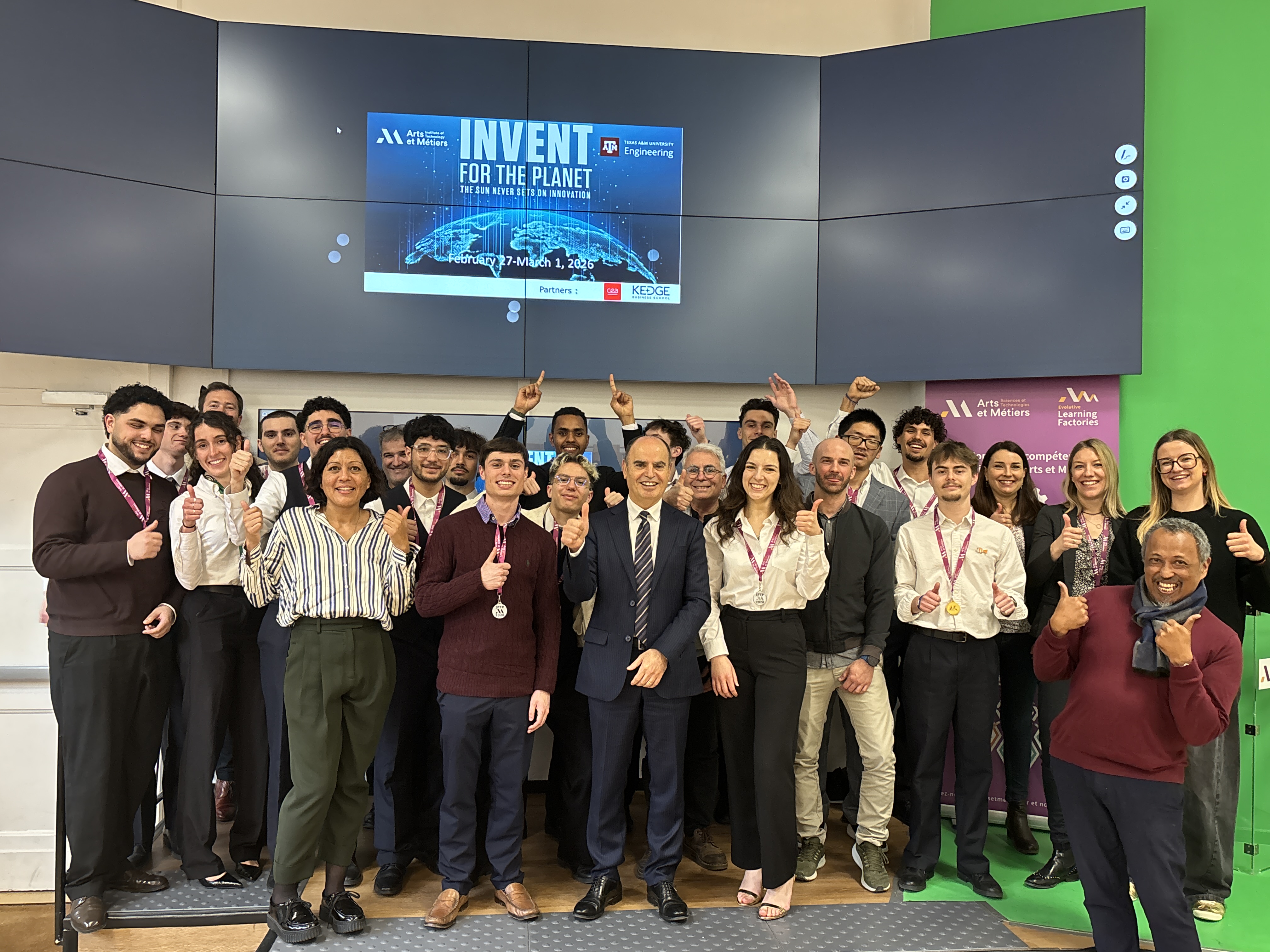
It selected three innovative solutions:
🏆 The gold medal was awarded to the COLDLINK team for its solution developing a cold chain for the fishing industry in West Africa. The aim is to reduce losses during transport, increase fishermen's autonomy, and improve the quality of export products.
" We have designed a passive, sustainable, and low-cost refrigerated container that guarantees up to 24 hours of refrigeration without electricity, " explains Malvyn.
The COLDLINK team has been selected to representArts et Métiers the international pre-selection jury.
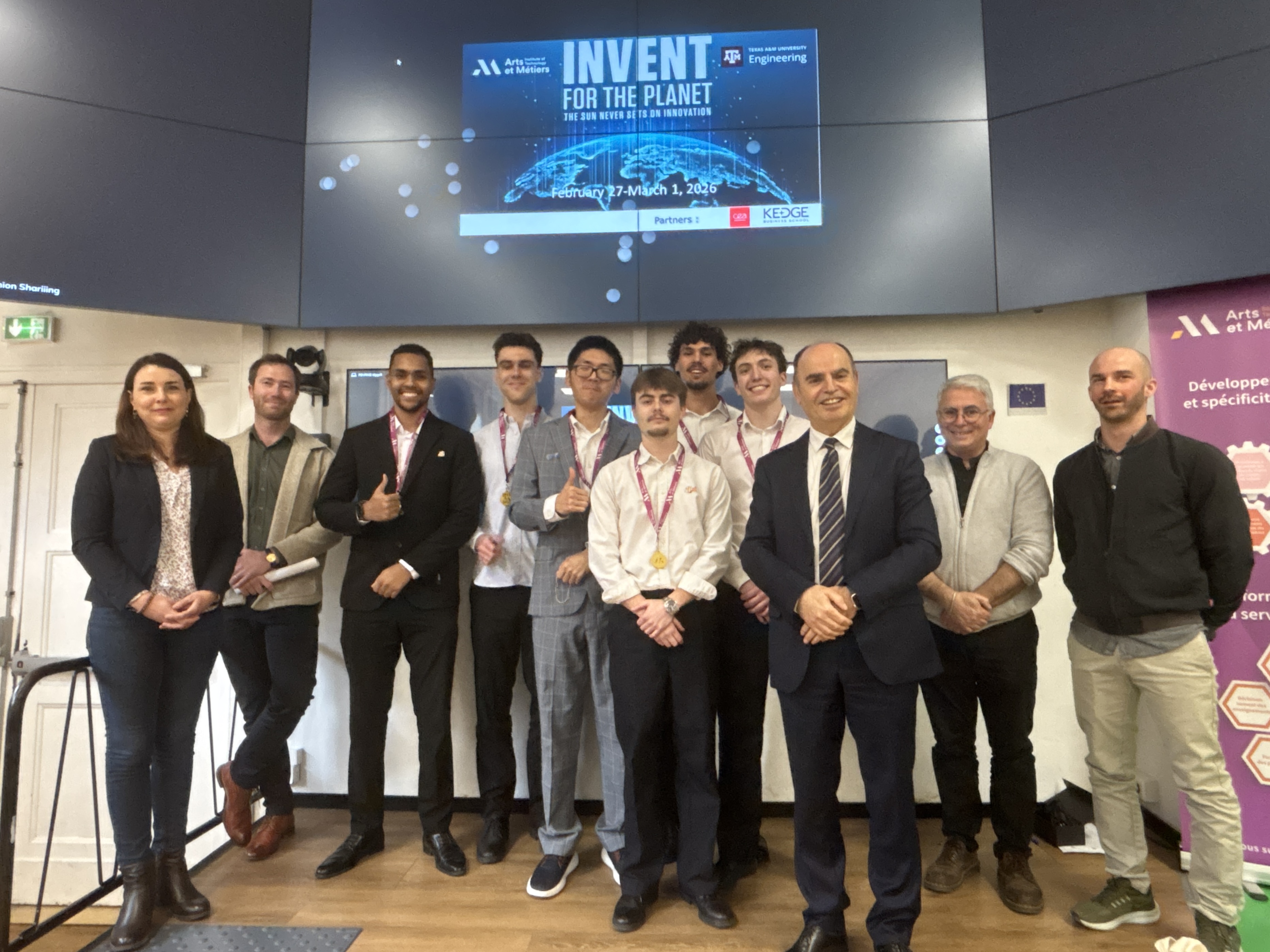
Congratulations to Oscar Revel, Malvyn Bouzid, AbdEnnasser Anne, Julien Bonnion, Eric Liu, and
Thomas Bonnin.
🏆 The silver medal was awarded to the H.E.A.T.S team, which has developed a solution to prevent fragile crops from freezing in winter.
" The prototype uses heat from the ground at a depth of 2 meters to warm fluids flowing through channels located beneath the plantations, increasing the soil temperature by several degrees," explains Alexandre.
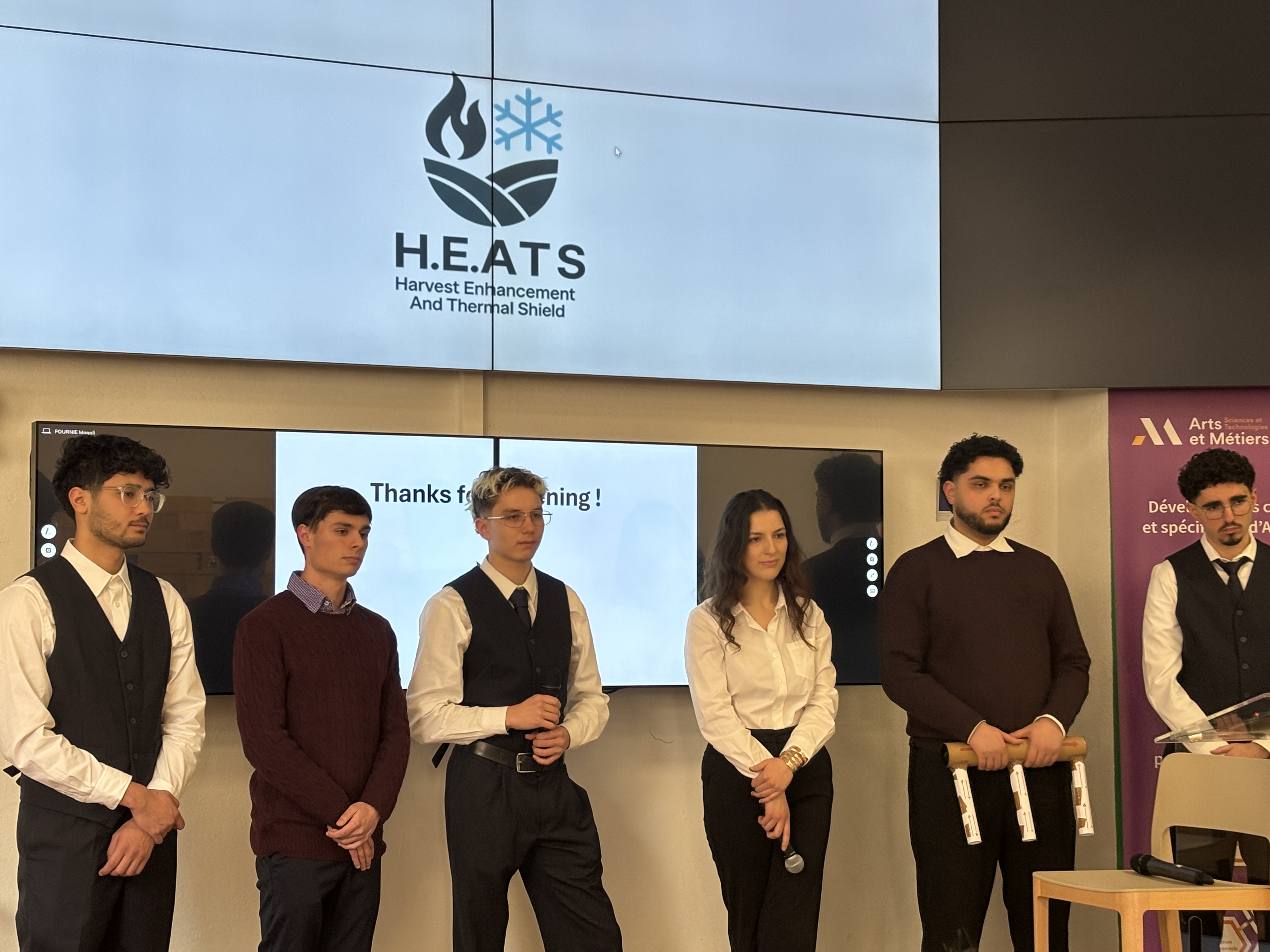
Congratulations to Katia Aksil, Alexandre GELY, Wiktor Goralczyk, Yannis Aklil, Max Ginsburg, and Gabin Farissier!
🏆 A bronze medal was awarded to the EQUIPEAS team, which offers to help small producers avoid having to sort by hand or sell at low prices to sorting companies. The Equitri solution is a small-scale sorter equipped with AI that can sort legumes. " The aim is to promote farmers' produce and facilitate short, local supply chains," Baptiste explained.
The team also received the Coup de cœur award from Olivier Provitina, head of scientific partnerships at CEA Cadarache.
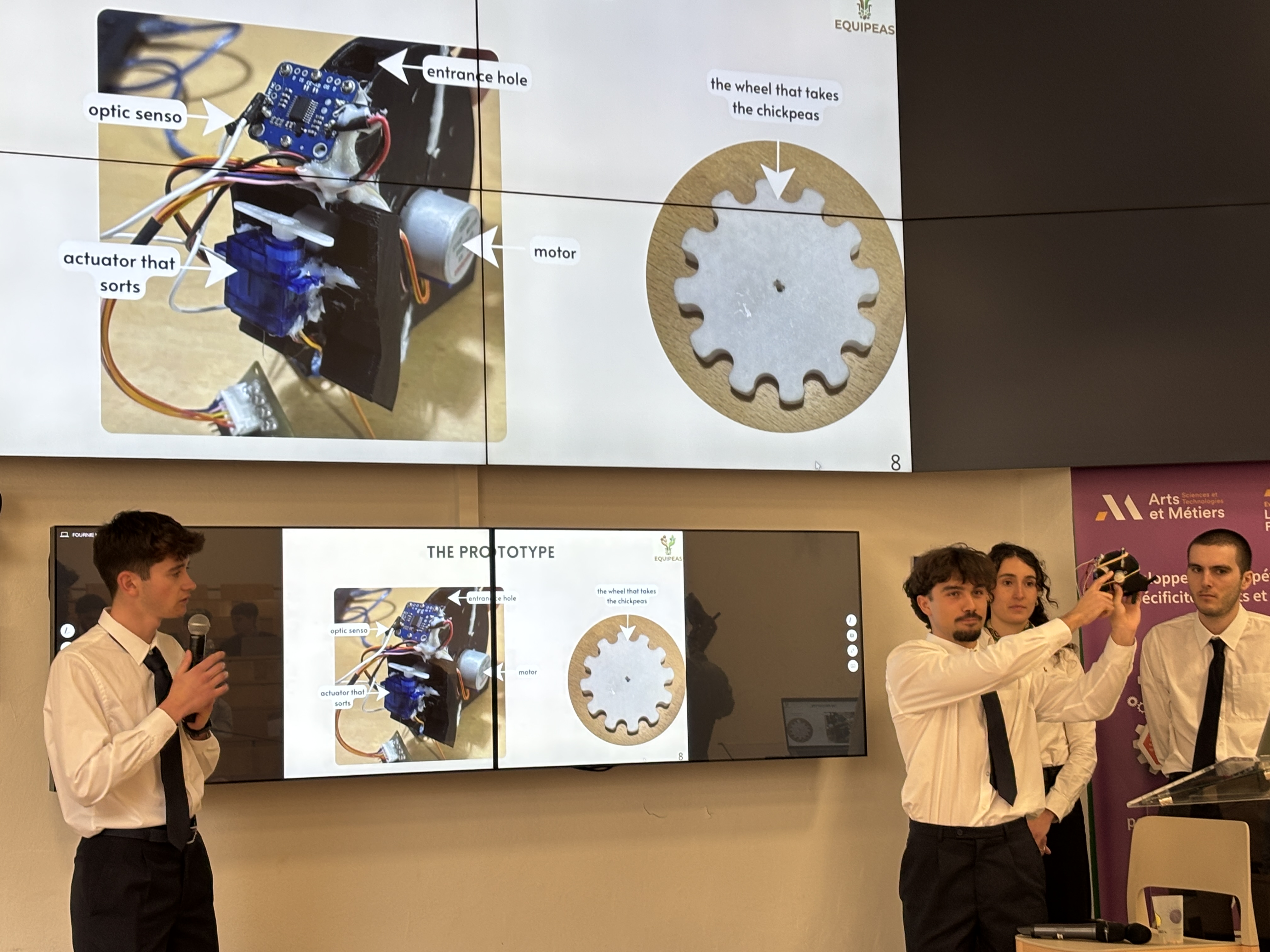
Congratulations to Zoé Jean-Bart, Baptiste Jaume, Théo Chaumet-Lagrange, and Ethan Ebro!
Thank you to the event partners CEA Cadarache and KEDGE Business School Marseille, the organizers, and the coaches who made this challenge possible!
A renewed international ambition and, once again, a major challenge for the campus in line with previous successes.
The COLDLINK team has therefore been selected to representArts et Métiers the international pre-selection jury. The world's best teams will then compete in the international grand final, to be held from April 14 to 16 at Hamad Bin Khalifa University in Doha, Qatar.
Five finalist teams will compete for prizes of up to $5,000 and the prestigious title of Invent For The Planet world champion.
In 2025, the Carbon Catch team brilliantly represented Arts et Métiers at the international final held in Texas, demonstrating the students' level of excellence and commitment. The videos of the fourth challenge in Aix and the Texas final still bear witness to the intensity and impact of this unique experience.
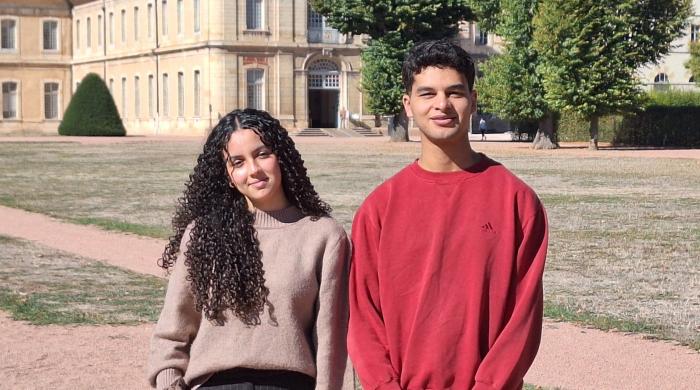
" This experience marks a key milestone... and makes us want to aim even higher to continue building meaningful and impactful projects." Ilan and Tao, teammates.
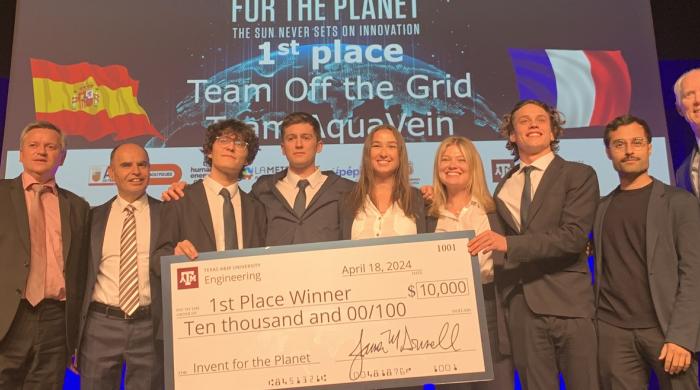
In 2024, what can we say about the France-USA AquaVein mixed team, crowned champions in the first final held outside the United States?
" It taught me a lot about roles in a company, because we took on all the different roles in a small start-up. But above all, it was the experience and the help we received from our contacts that will remain the most powerful and important lesson. We learned how to talk to investors, organize a presentation, present in English, take into account the CSR criteria of a foreign country by contacting people from all over the world, and above all, discover people with a different vision than that of French engineering students like us," said Etan, one of the teammates.