National Master of Science Degree Master of Science DNM) in Materials Mechanics for Engineering and Structural Integrity (MAGIS)
MAGIS is a second-year Master of Science program Master of Science to provide students with an in-depth understanding of the fundamental principles of materials science and engineering and solid mechanics, as well as a deeper understanding of the relationships between forming processes, materials, their microstructure, and mechanical properties for advanced industrial applications and innovative manufacturing technologies.
This general approach to solid mechanics applies to a wide variety of materials (ceramics/glasses, metals, polymers, composites, hybrid materials, etc.) and provides a comprehensive understanding of the mechanical design and dimensioning of industrial systems (transport vehicles, nuclear power plants, etc.) subjected to varied and complex external loads.
MAGIS is coordinated by ENSAM Paris and is jointly accredited by Paris-Saclay University (ENS Paris-Saclay and Centrale Supélec) and Paris Sciences et Lettres University (Chimie Paris, Mines Paris, and ESPCI), with the active participation of researchers from CEA, ELANOVA, and ONERA. The MAGIS program has approximately 40 students per year enrolled in the various partner institutions, including around 10 engineering students in their third year at ENSAM.
Campus
Arts et Métiers Campus Arts et Métiers Paris
Educational objectives
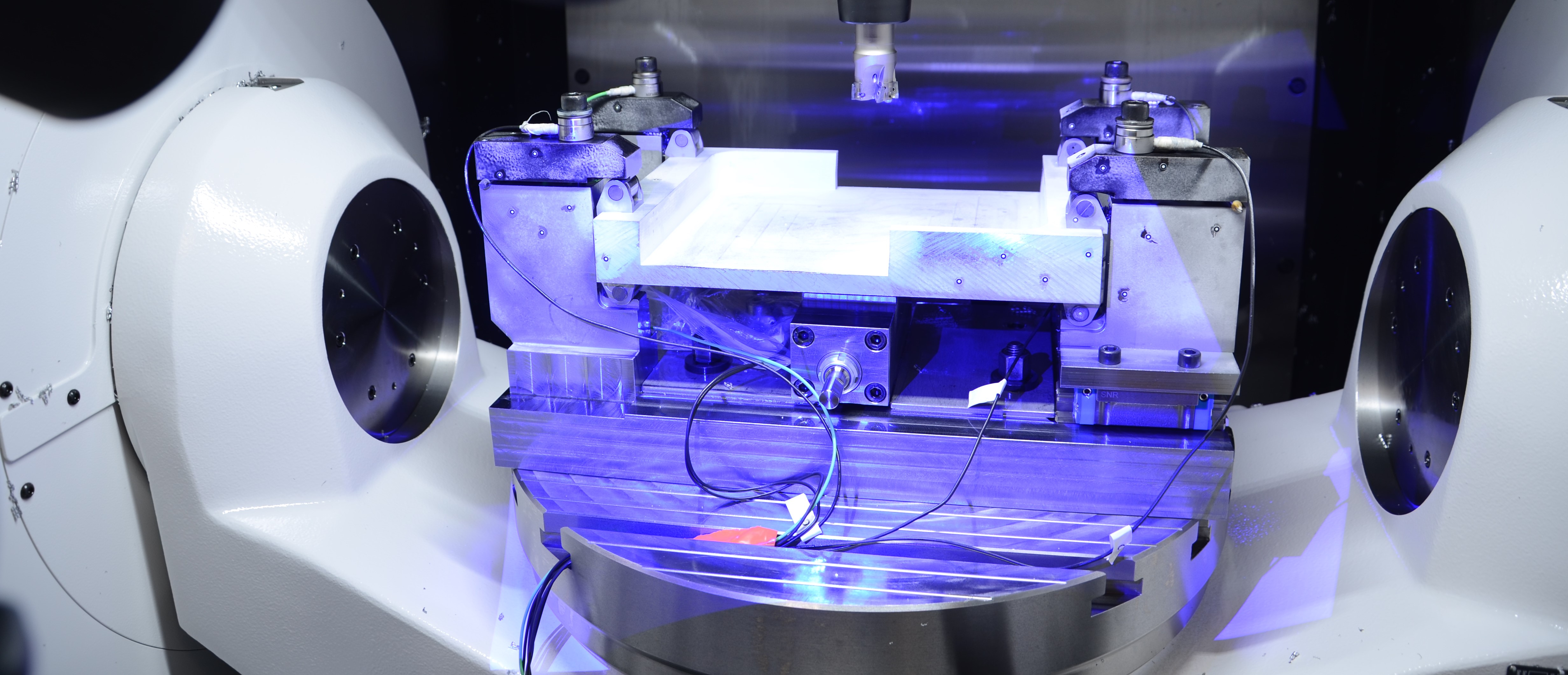
Students are introduced to scientific methodology, ranging from advanced experimental methods to modeling and simulation of forming processes and the mechanical behavior of materials and structures, including analysis of the mechanisms involved throughout the material life cycle, including their couplings.
Program
MAGIS is a well-balanced training program that combines theoretical and practical learning sequences. It spans two semesters for a total of 60 ECTS credits.
The first semester (from early September to late January, 30 ECTS credits) consists of a core curriculum followed by a specialized track, as well as a foreign language module, a management module (for ENSAM engineering students only), and a research project. Classes are held on the various campuses of the partner institutions.
The second semester (from early February to late August, 30 ECTS credits) is devoted to Master of Science thesis. The internship takes place at a research institution (i.e., a university laboratory or corporate research department) in France or abroad for a minimum of 20 weeks.
The core curriculum consists of four general science modules aimed at introducing general methods and strategies in materials science and solid mechanics. The objective of this first part is to provide students with modern tools (conceptual, experimental, and numerical) for dealing with problems in manufacturing and the mechanics of materials and structures.
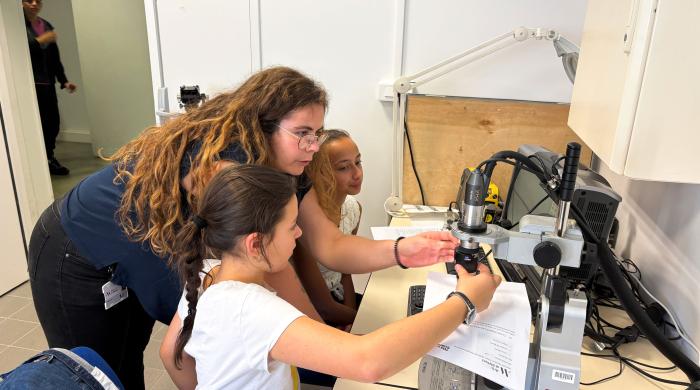
During the program, emphasis is placed on the practical application of experimental and numerical methods (more than 40 hours of practical work are taught in the core curriculum).
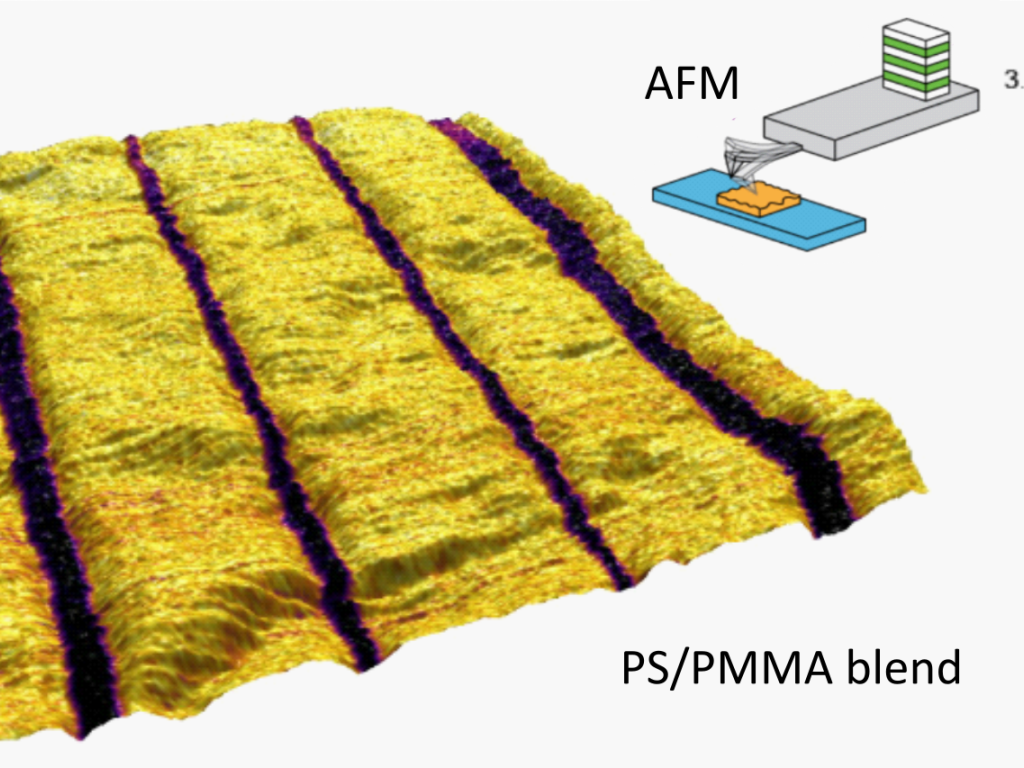
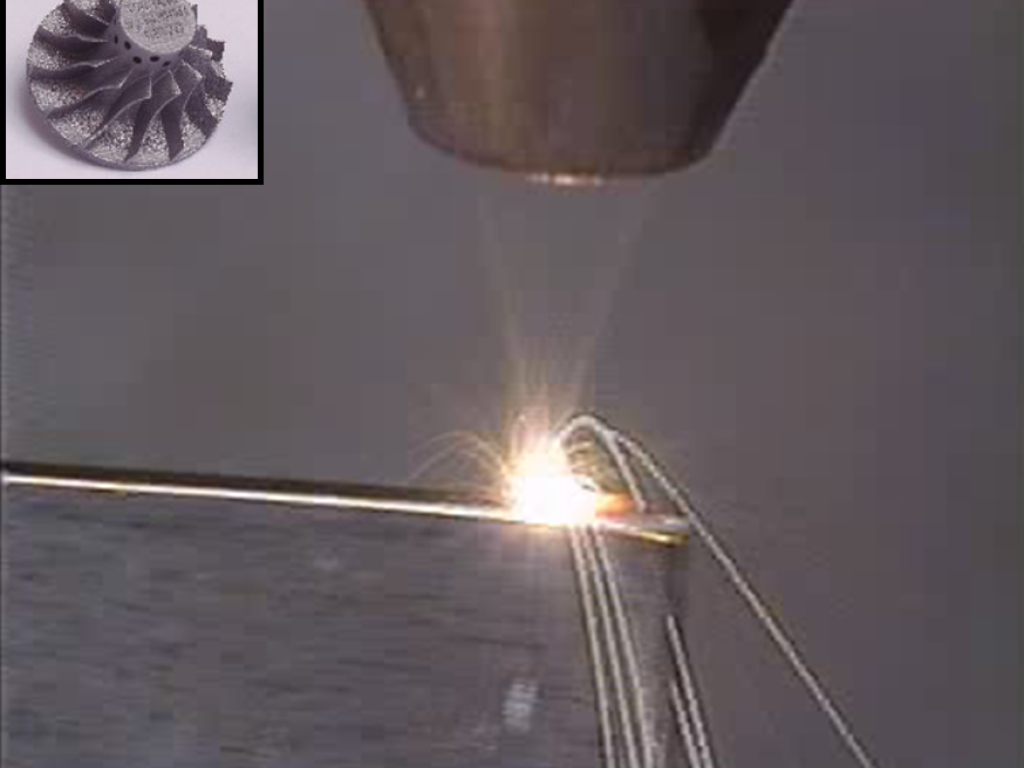
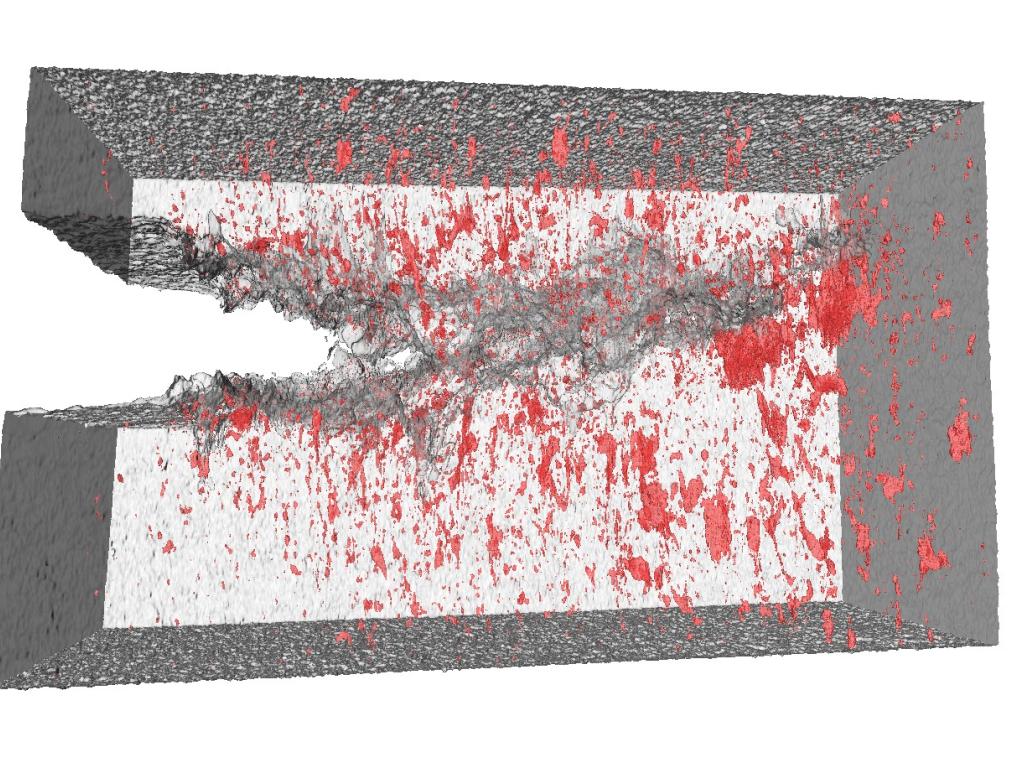
Students can then choose from four different tracks within the program. The choice of track is important because it will shape the students' CVs, i.e., define their scientific skills and area of expertise upon graduation from MAGIS. They cover the mechanics of damage and fracture in materials and structures (DFMS track), metal forming and additive manufacturing processes (MPAM), the life cycle of polymers and composites (LCPC), and advanced machining processes and their simulation (MASI).
Please note that core courses are offered in both French and English to students, while specialized courses are taught in English only.
Foreign language courses tailored to students' levels are offered at the various partner institutions. French-speaking and non-English-speaking students take English courses at levels B2 to C2, while English-speaking and non-French-speaking students take French courses at levels A2 to B2.
With a few rare exceptions, the research project is a preparatory phase for the internship: discovery of the subject, bibliographic synthesis, understanding and appropriation of the scientific approach chosen to respond to the problem posed. The research project is evaluated at the end of January on the basis of a written report and a poster presentation before a jury.
Assessment, validation, and teaching methods
The rules for course assessment and earning the MAGIS degree are explained during the opening lecture and reviewed during the speed dating session. All course modules are graded on a scale of 0 to 20 using various assessment methods: lab work, tutorials, reports, oral presentations, poster presentations, and/or written exams. To earn ECTS credits, the final grade for the course modules, the research project, and the Master of Science thesis Master of Science be higher than 10. There is no cross-compensation between the different assessments.
A resit exam session is organized at the beginning of the second semester (mid-March). Students then have the opportunity to retake exams for all modules in which they scored below 10 in order to improve their overall average and qualify for honors. The higher of the two scores is recorded on the final transcript.
To obtain the MAGIS diploma, students must meet the following requirements:
- Pass 24 ECTS credits in the first semester with a final average of 10 or higher and no grade lower than 7.
- Validate 30 ECTS credits in the second semester.
The final grade for the MAGIS program is the average of the two semesters, and the various honors (fairly good, good, very good, very good with honors) are awarded to students who have no grade lower than 10.
Highlights of the training program
- It takes place in the historic heart of Paris and in research laboratories in the Paris region.
- This is a joint program between several Parisian engineering schools: ENSAM Paris, ENS Paris-Saclay, Centrale Supélec, Chimie Paris, Mines Paris, and ESPCI.
- International students are welcome.
- Students interact with internationally renowned academic staff.
- It is based on an advanced multidisciplinary approach to materials mechanics (using specialized simulation software) that is particularly valued in the industry.
- It maintains close ties with industry through a large number of research projects conducted in collaboration with industrial partners.
Admissions
Admission requirements and required level
- Holding a Master of Science or equivalent in Materials Science and/or Mechanical Engineering,
- Holder of an engineering degree with proven knowledge in Materials and/or Mechanics,
- Prerequisites: This course is primarily intended for Master of Science students in Materials Science, Physics, Mechanical Engineering, or Mathematics at the university, as well as students in their final year of engineering school.
Application schedule
Applications open in February on the dedicated website. Follow the procedure.
Career opportunities
After completing the MAGIS program, students find opportunities in:
- The academic world, i.e., universities and engineering schools.
- Large laboratories and research departments, whether public or private.
- High-tech industries (aerospace, automotive, construction and civil engineering, energy, electricity, nuclear power, healthcare, etc.)
Many students choose to write a thesis in industry (CIFRE) or in academia to further their research and solve current scientific problems, thereby becoming recognized experts. This is a prerequisite for becoming a professor or researcher in France and abroad. Others prefer to take up a position in a large company or start-up: R&D engineer, R&D department head, mechanical design engineer, methods engineer, production workshop manager, project manager, etc.
Partners
Industrial partners
AIRBUS, AIR LIQUIDE, ARCELOR-MITTAL, CEA, CETIM, CNES, EDF, EIKOSIM, ELANOVA, FRAMATOME, IRBA, IRSN, MICHELIN, ONERA, RENAULT, RICHEMONT, SAFRAN, SECO TOOLS, SNCF, STELLANTIS, SUEZ, TIVOLY, VULKAM
Academic partners
The MAGIS program is jointly accredited by Paris-Saclay University (ENS Paris-Saclay and Centrale Supélec) and Paris Sciences et Lettres University (Chimie Paris, Mines Paris, and ESPCI).
Each year, approximately half of the class consists of international students from partner universities or engineering schools pursuing a dual Master of Science degree Master of Science Bauman Moscow State Technical University, Brno University of Technology, ENSAM Casablanca, ENSAM Meknès, ENSAM Raba, Politecnico di Bari, Universidad Politécnica de Valencia, etc.
Contacts
- Head of Education Xavier COLIN: xavier.colin@ensam.eu
- School Administrator Colin DAVRAINVILLE colin.davrainville@ensam.eu