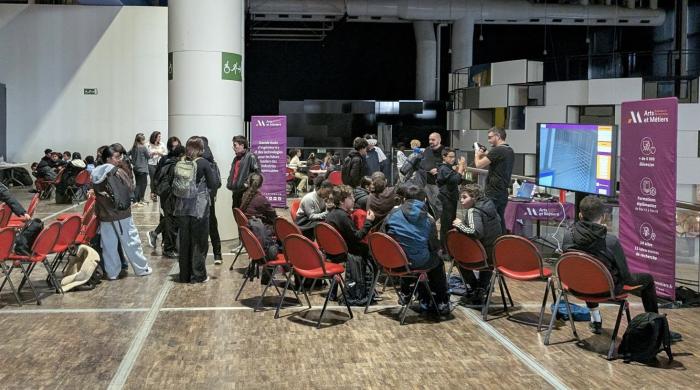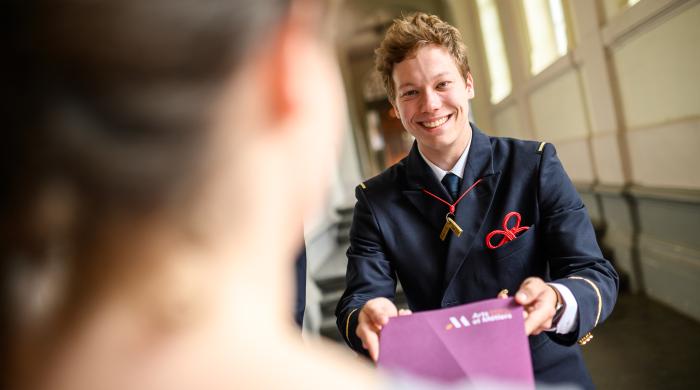
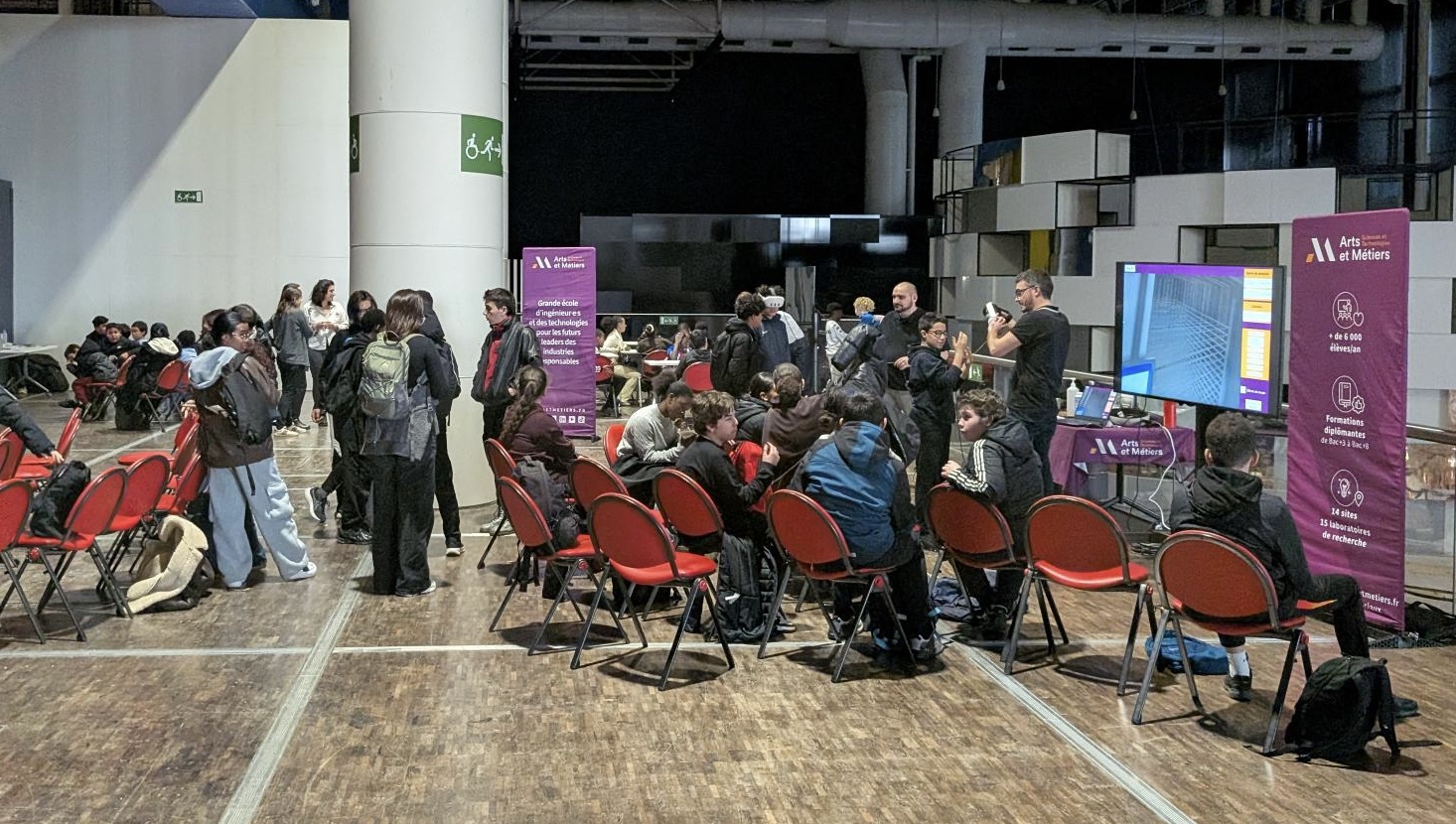
As part of Industry Week, Arts et Métiers welcomed more than 300 middle and high school students to the Cité des sciences et de l’industrie on November 19 and 20, 2026.
From November 16 to 22, 2026, Industry Week brought together stakeholders in the sector around a common goal: to showcase the diversity of industrial careers, highlight the sector’s expertise, and inspire the younger generations to pursue careers in the field. Against a backdrop of digital and environmental transitions, this national event offers a unique opportunity to raise awareness of the sector’s evolution and the skills needed to support its transformation.
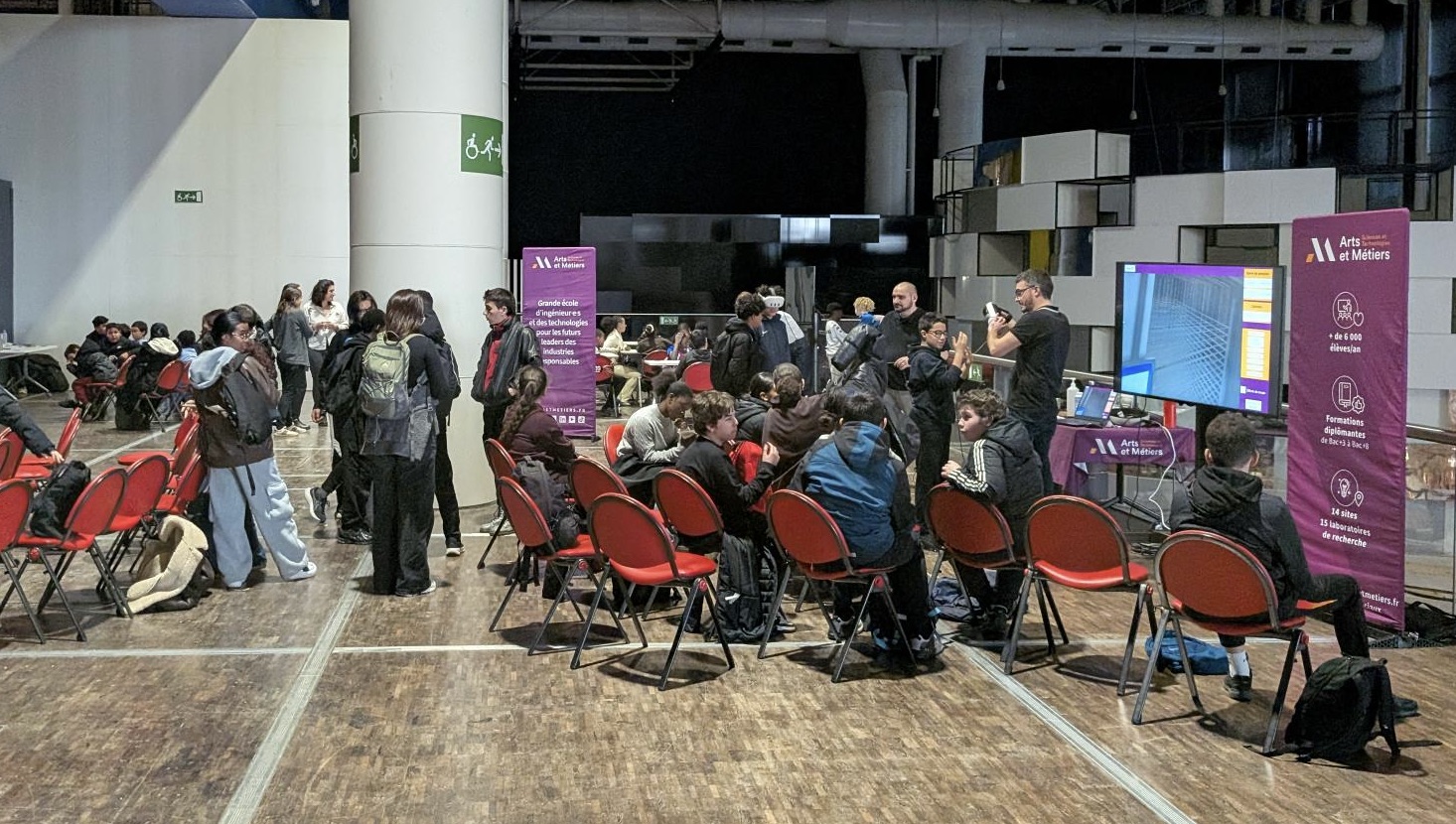 Committed to training engineers and developing solutions for the industry of the future, the Arts et Métiers has been actively involved on its campuses, particularly at the Cité des sciences et de l’industrie in Paris. On November 19 and 20, the institution’s teams offered several educational and interactive workshops, giving young people a hands-on understanding of the technologies and challenges facing the industrial world.
Virtual Reality for Exploring Industrial Processes
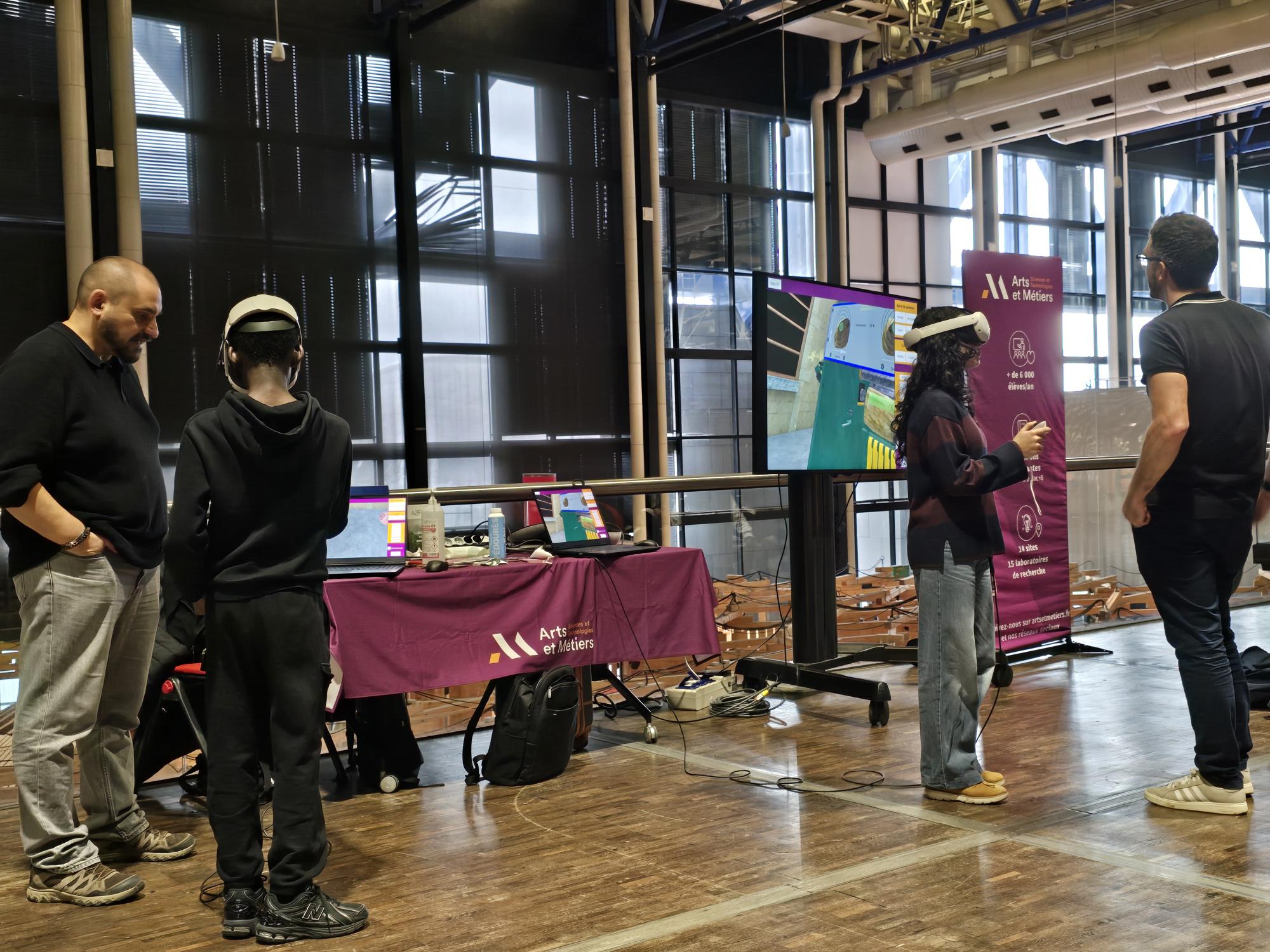
Thanks to the digital twins developed as part of the JENII project, the students were able to immerse themselves in two industrial environments that replicated the equipment found on theArts et Métiers campuses: a forge in Metz and a wood-peeling machine in Cluny.
Equipped with virtual reality headsets, participants were able to explore these facilities, observe how they operate, and experience manufacturing processes in an immersive and safe environment.
Led by Sébastien Fernandez, Fabrice Verjat, and Jocelyn Pontvianne, this workshop also served to illustrate the new possibilities offered by immersive technologies in industrial vocational training. In addition to physical equipment, digital twins facilitate the learning of technical skills, the observation of complex phenomena, and the simulation of situations that are difficult to replicate under real-world conditions.
Raise awareness about the responsible use of artificial intelligence
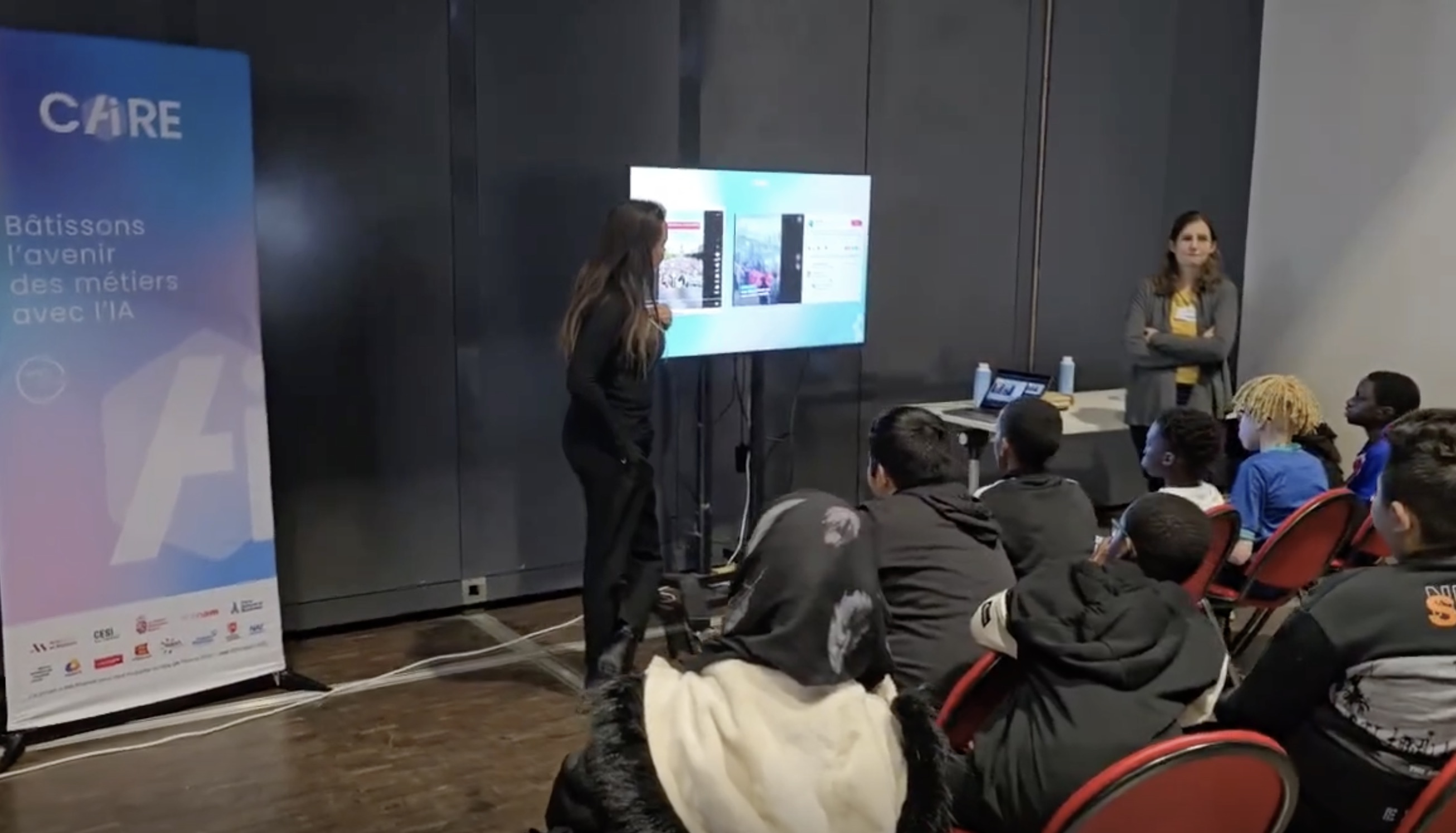 As artificial intelligence gradually transforms professional practices and engineering careers, understanding it has become a major training challenge.
This initiative is part of the CAIRE project, coordinated by Arts et Métiers, which aims to promote access to artificial intelligence training for a diverse range of audiences. Cécile Weltman, Clara Magnin, and Adélaïde Fleury have developed games and quizzes to make this technology accessible to middle and high school students.
These activities encouraged young people to reflect on their use of AI, its applications, and its limitations. The goal was to provide them with a foundation for understanding these concepts, helping them develop critical thinking skills and adopt responsible practices when using these tools.
Understanding the Possibilities Offered by Additive Manufacturing
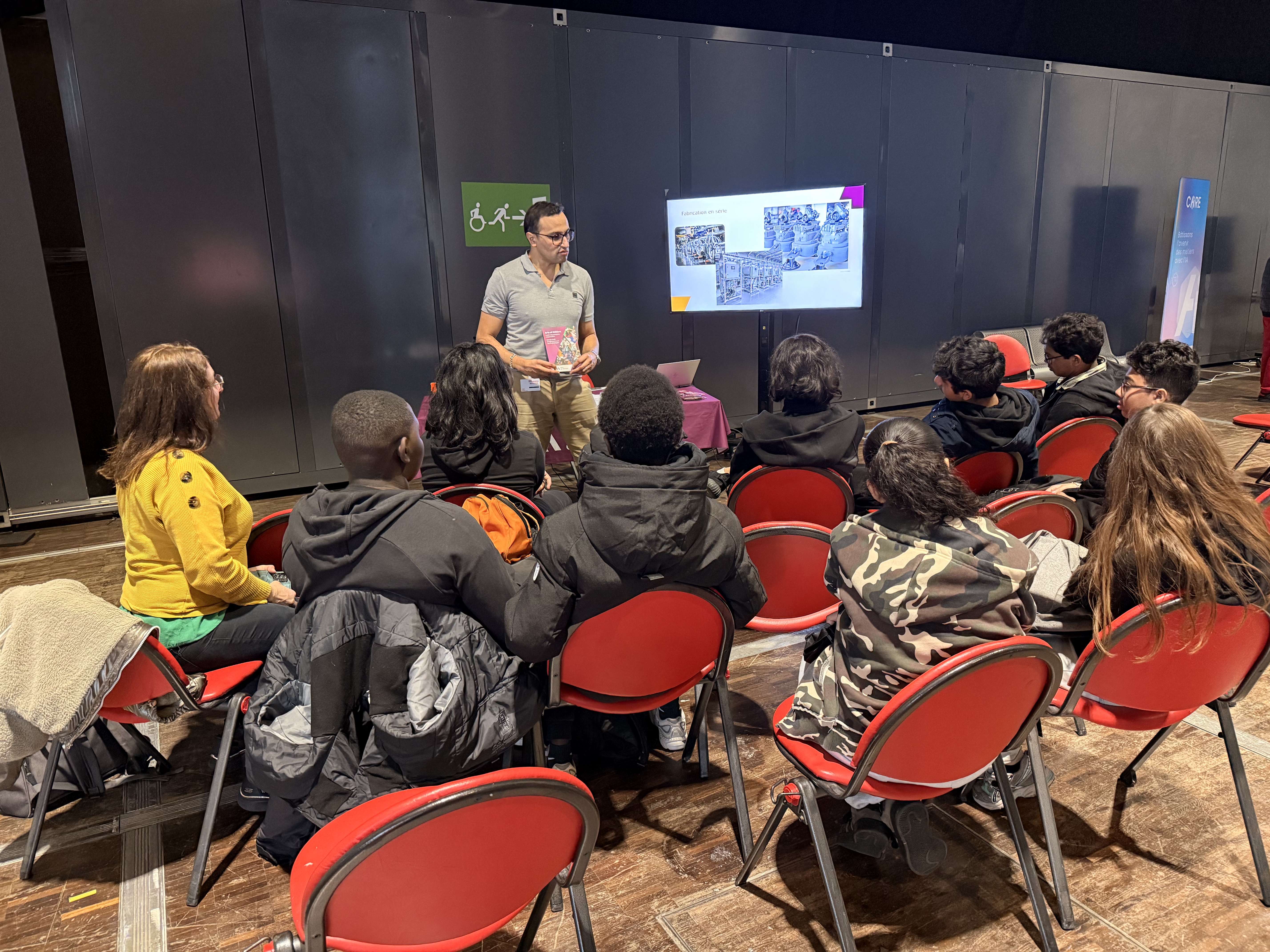 Another technology that is transforming industrial production methods, 3D printing was the focus of a workshop led by Imade Koutiri.
By learning how a 3D printer works and watching demonstrations of how small objects are made, the students were able to observe the various steps involved in turning a digital model into a physical object.
This introduction to additive manufacturing provided an overview of the possibilities offered by this technology, particularly in the areas of prototyping, the design of complex parts, and the evolution of manufacturing processes. All of these topics are currently the focus of research and training activities atArts et Métiers.
Exploring How a Factory Works
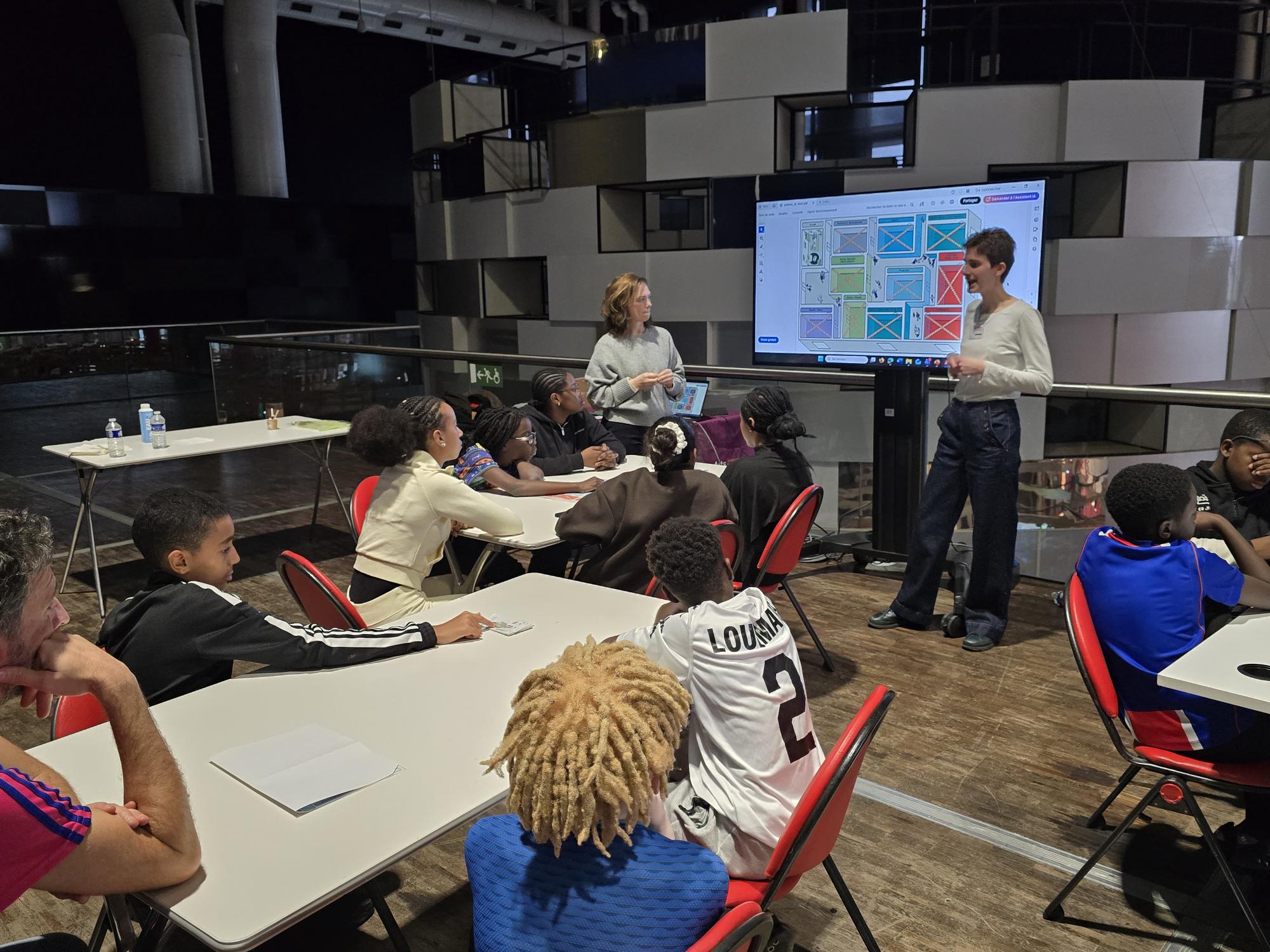 How is a production line organized? How do the various activities in a factory fit together?
Through an educational game led by Daniela Rodriguez, Emilie Dedieu, and Adélie Ternisien, participants were invited to learn how an industrial production environment works.
This workshop also provided an opportunity to showcase the “ Evolutive Learning Factories ” (ELF)—scalable, connected training facilities developed by Arts et Métiers. These educational platforms allow students to gain hands-on experience in conditions that closely resemble real-world industrial settings, combining production equipment, digital technologies, and organizational methods.