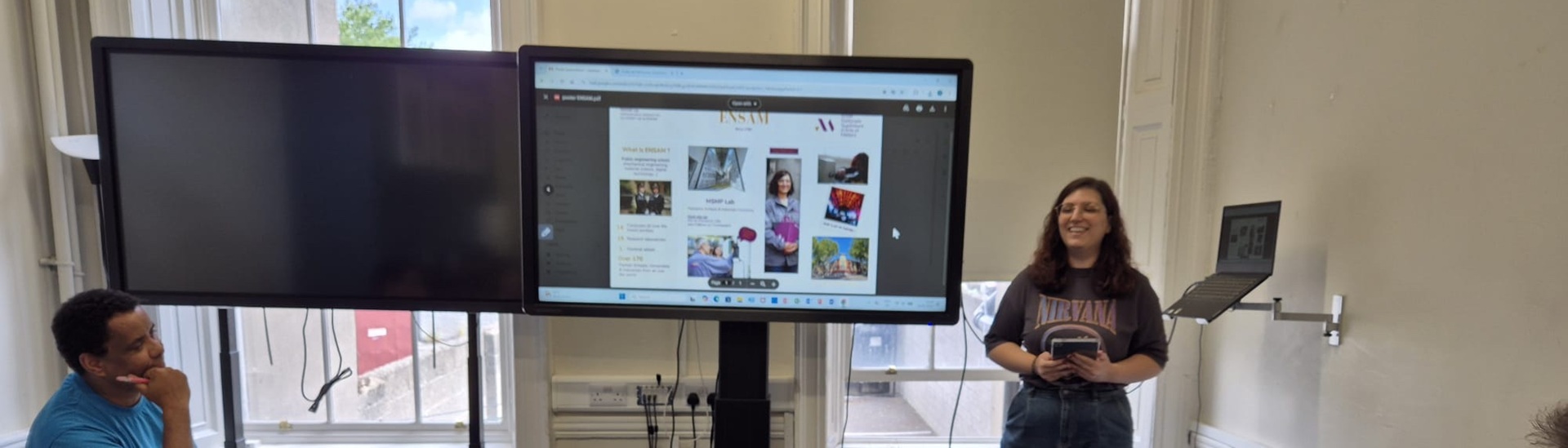
Erasmus+ mobility opportunities aren’t just for students and faculty. That’s what Léa, an MSMP lab assistant on the Aix-en-Provence campus, discovered when she took a closer look at a communication campaign promoting mobility opportunities for staff atArts et Métiers. After her first experience in Cork last year, she decided to repeat the adventure in Dublin this summer.
She reflects on her two trips to Ireland. She shares her experience, from preparing for her trip to the lessons she learned from it.
How did you find out that administrative staff could also participate in the Erasmus+ mobility program?
When I arrived at Arts et Métiers and received my first email introducing this opportunity, I didn’t pay much attention to it. I thought Erasmus+ mobility programs were reserved for students and faculty.
When the opportunity came up again, I took the time to read the information more carefully. That’s when I discovered that administrative staff could also participate! However, a minimum level of English is required depending on the programs offered—generally between A2 and B2—to ensure you can fully participate in the exchanges and coursework. Very interested, I looked into the application process in more detail and finally applied.
I’ve always been particularly drawn to English-speaking countries. Since the experience was so enriching, I wanted to repeat the adventure the following year, with a new program, still in Ireland.
Is it difficult to put together an Erasmus+ application? What are the main steps to take when preparing for your trip?
The institution’s European and International Program Development Office offers individual support to discuss a project’s eligibility or to explain the steps and various procedures involved.
Needing some reassurance, I contacted the team, who explained the process to me in very concrete terms. The Erasmus+ grant covers a portion of the costs based on the allocated budget, and the remainder is covered by the institution (up to the authorized daily allowance per country).
Meals and local transportation must be paid upfront but can later be reimbursed through an expense report, according to the established procedures.
The first step is to visit the IMOTION website dedicated to mobility programs—accessible via our intranet—and search for a “staff week,” which is a week-long training program for staff based on a specific theme or desired country.
For faculty members, mobility can also take the form of courses taught at a partner university.
Once the training program has been identified, you must prepare your Erasmus+ application, answer the various questions, and draw up a projected budget for the mobility: transportation, lodging, course registration fees, meals, etc.
The application must then be approved by your supervisor before being submitted.
Once the application is approved, the European and International Training Development Office will provide the necessary information and outline the steps to follow. You must then book your travel tickets and accommodations, request a quote from the training provider, and submit an internal purchase request to confirm your enrollment.
Various university departments are available to assist staff with these procedures, notably the Missions Office and the Purchasing Office.
At the same time, an Erasmus mobility kit is provided. It must be completed and signed by the relevant parties before departure. Once all reservations have been made and the mobility kit finalized, all that’s left to do is go!
What was your daily life like during your two stays?
In Cork, the training organization, University College Cork, had offered me student housing near the campus. I had a room with a private bathroom and a shared kitchen and living room with other participants in the program. Classes were held in the morning, and we had the afternoons free, which allowed us to explore the city and its surroundings.
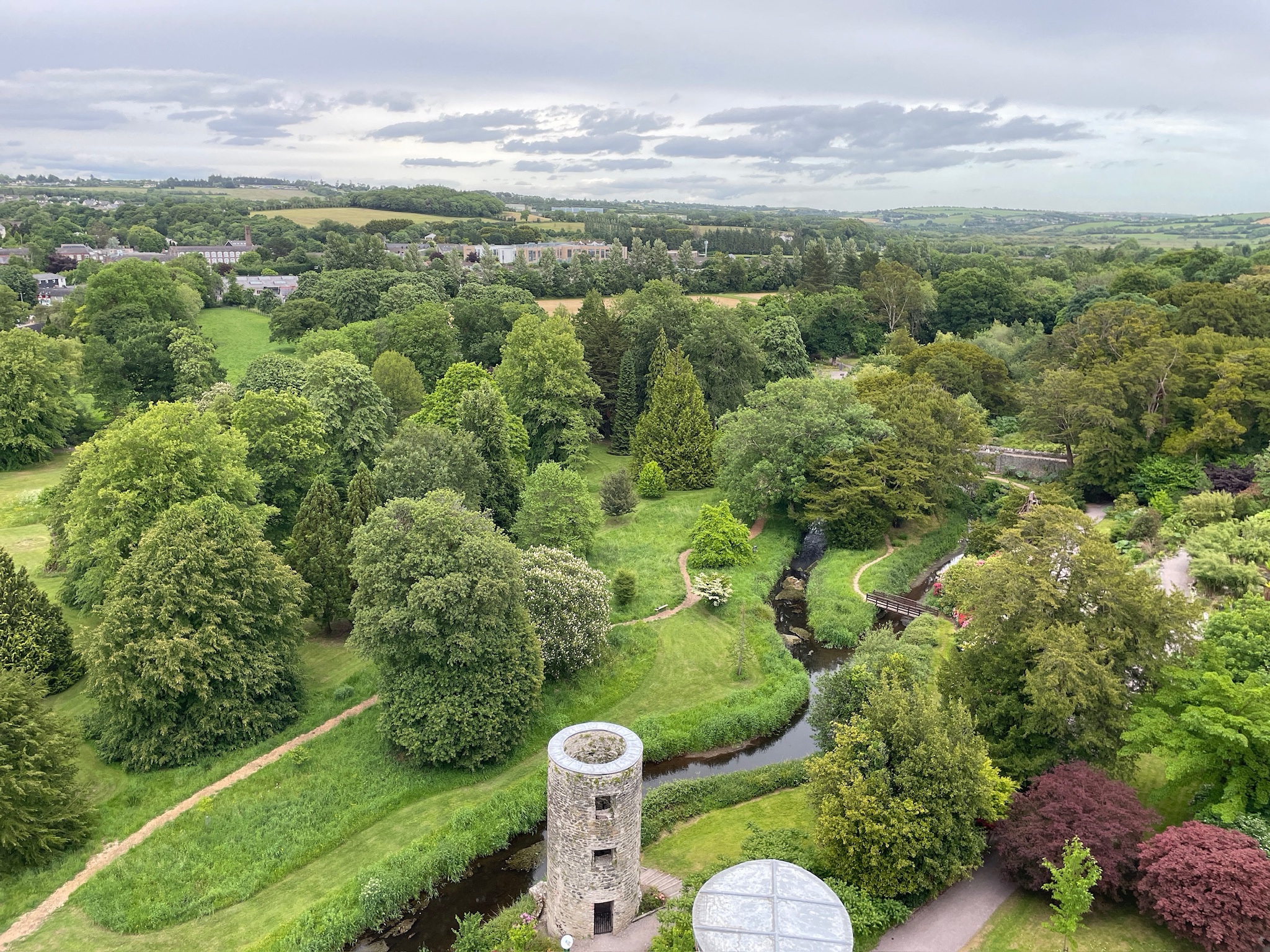
We created a WhatsApp group to organize our outings based on everyone’s preferences. Among other things, I discovered Fitzgerald Park, Cork City Gaol, the UCC Art Gallery, the Titanic Experience in Cobh, and Blarney Castle & Gardens. And of course, I couldn’t miss out on the evening pub experience, complete with live Irish music!
In Dublin, the schedule was similar: classes in the morning and free time in the afternoon.
This time, I decided to focus my explorations more on music, which is one of my main interests.
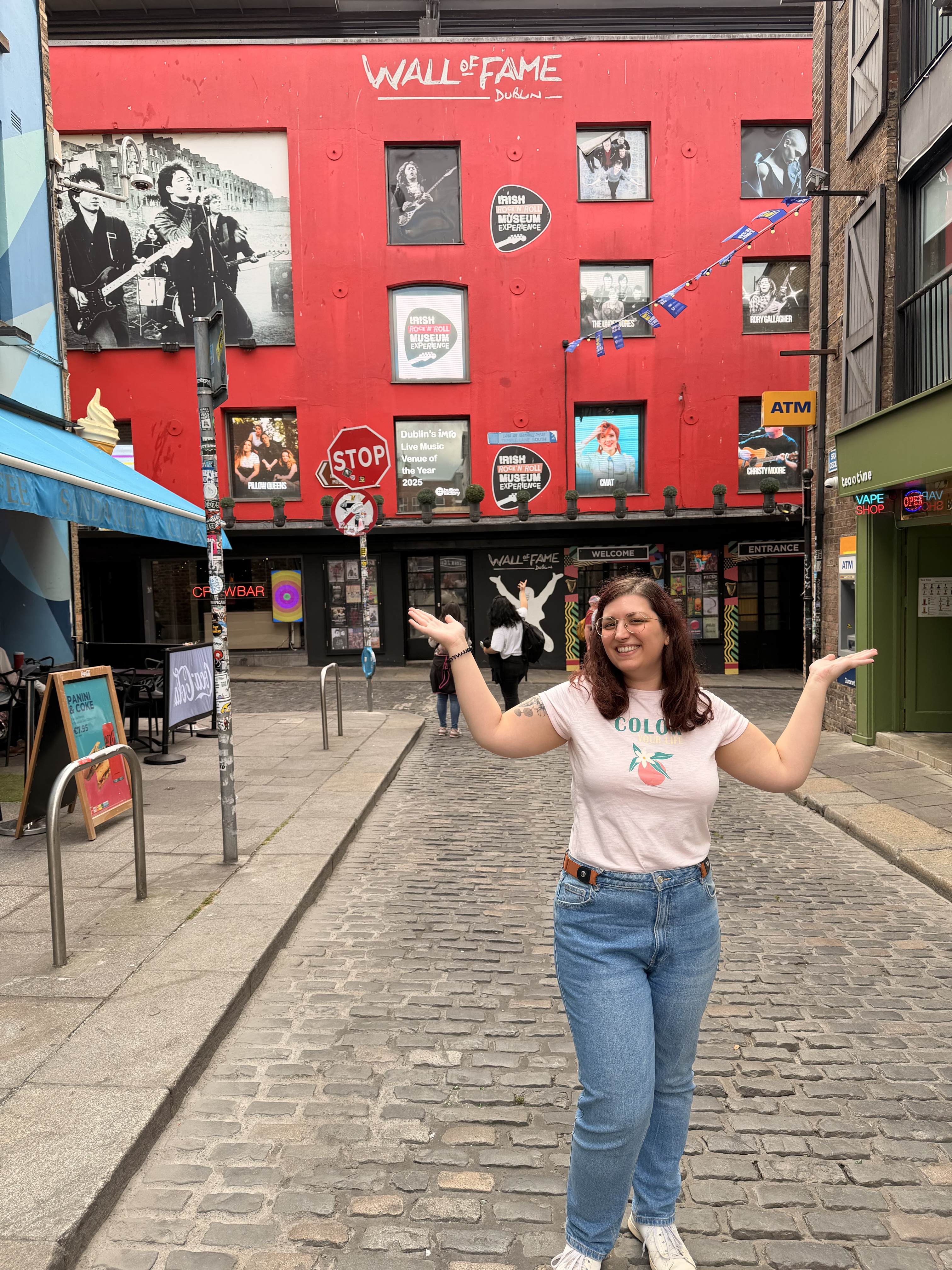
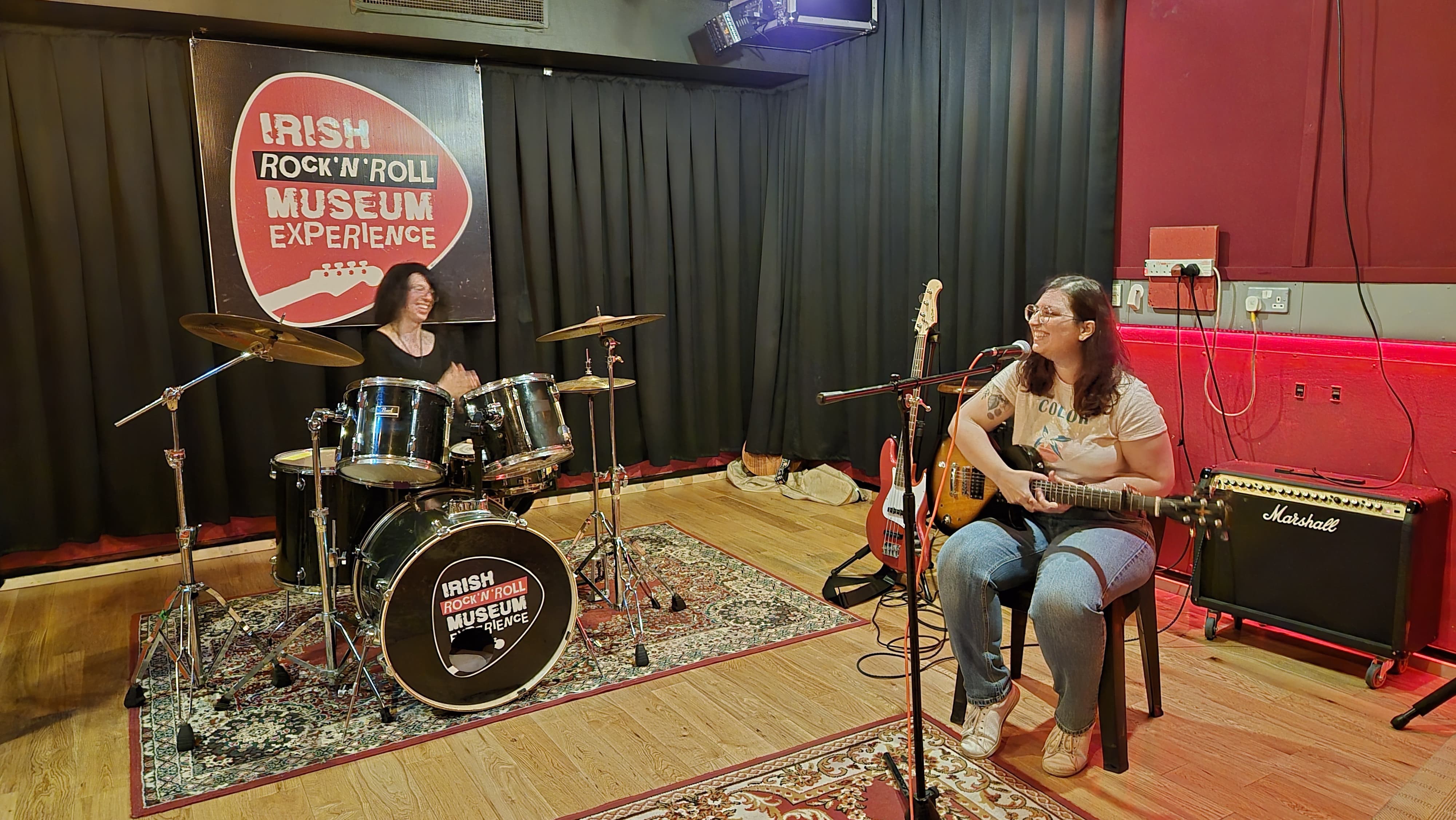
So I visited the Irish Rock ’n’ Roll Museum and even got the chance to join in a jam session at the end of the tour. I took the opportunity to play guitar and sing, with our guide on drums! I also explored the famous Windmill Lane Studios, where U2 made their recording debut, along with other artists such as The Cranberries, Hozier, and The Script. The training organization, Dorset College, had also arranged a guided tour of Dublin for us on the very first day, including a stop at Trinity College, as well as a trip to Glendalough in the Wicklow Mountains.
What surprised you the most or made you feel the most out of place?
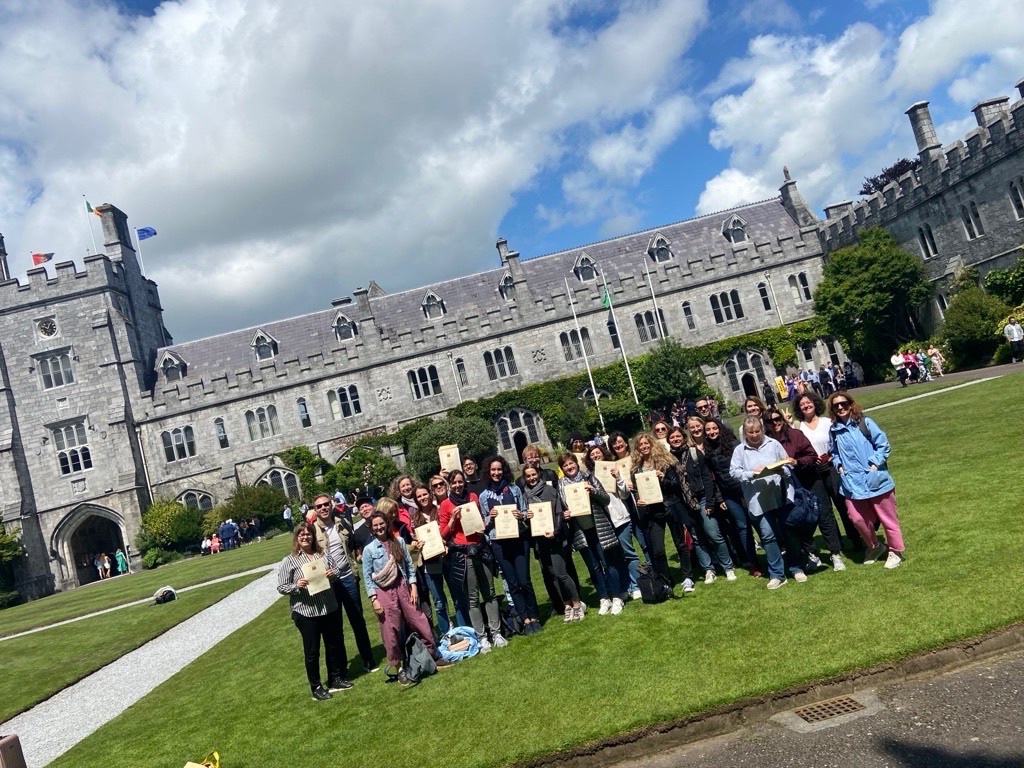
In Cork, the first thing that impressed me was the university. It’s truly magnificent. Sometimes I felt like I was at Hogwarts in Harry Potter! I also really loved the gardens, the scenery, and the charm of the city.
In Dublin, I found the city less appealing, but the musical atmosphere was very much alive, especially on Grafton Street, where several musicians often perform. You never know who you might run into!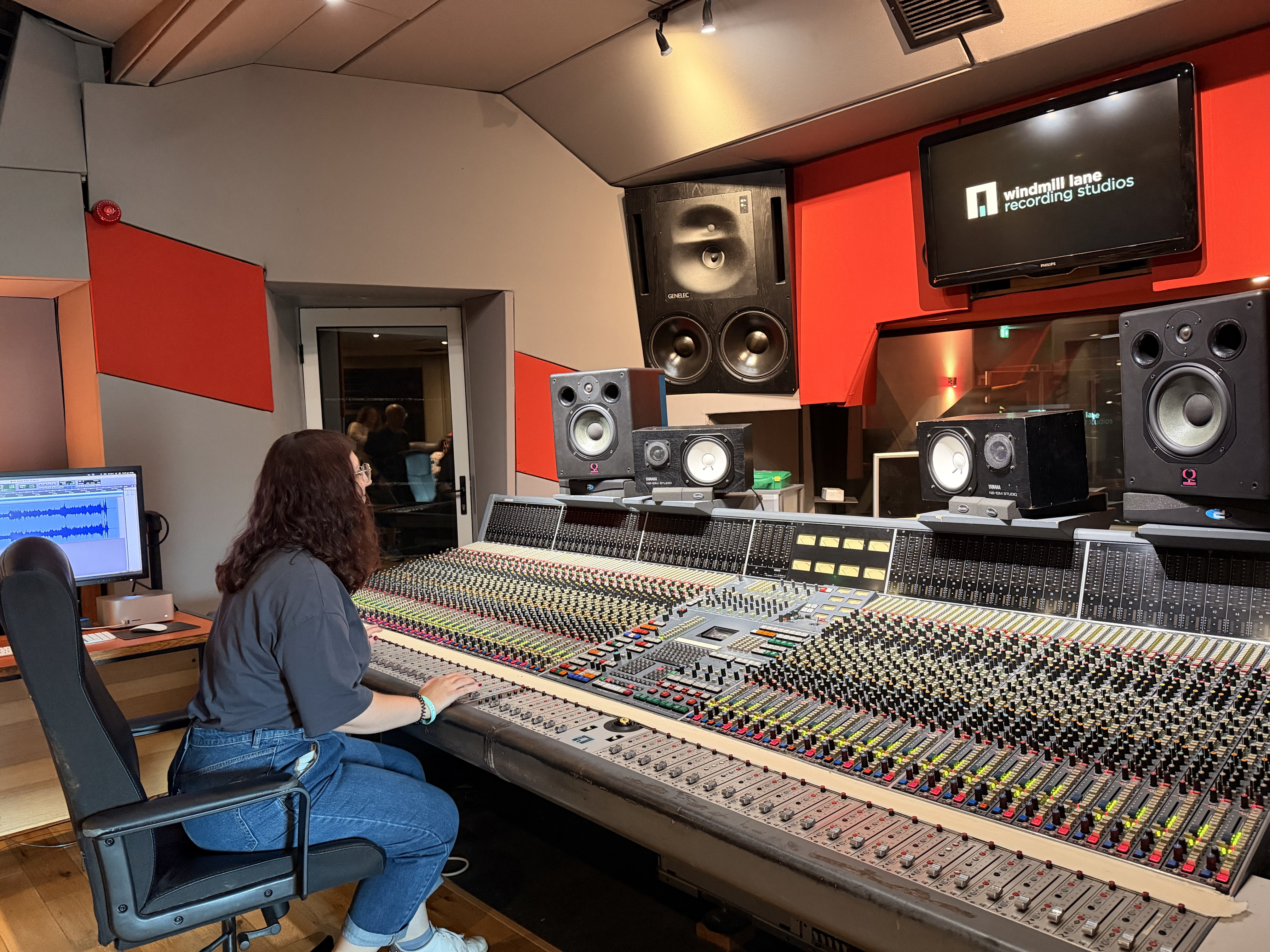
Generally speaking, I didn’t have too much trouble understanding the Irish accent, which isn’t actually that strong. On the other hand, driving on the left can be a little disorienting at first! Also, the Irish are particularly courteous. As soon as you walk into a store, you’ll very often be asked how you’re doing.
Is there a story that really stood out to you?
I also remember my arrival in Cork very clearly. When I stepped off the plane, I immediately noticed a very distinctive smell of peat in the air. A truly Irish first impression!
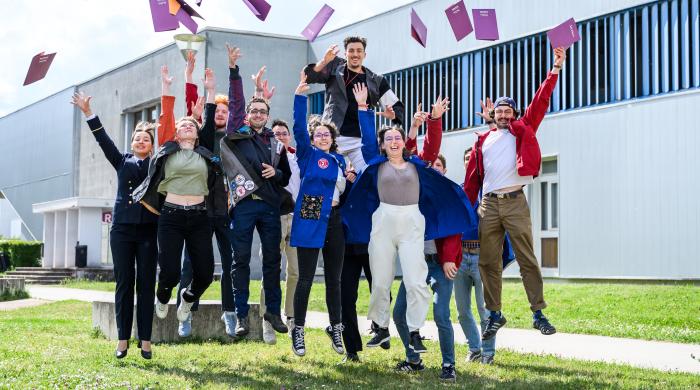
Still in Cork, our last day of training coincided with a graduation ceremony. So we got to watch the students celebrate their success, with the traditional black gowns and caps tossed into the air. It was pretty fun to watch!
What have these two assignments meant to you, both personally and professionally?
On a personal level, these two experiences strengthened my ability to travel alone and meet new people.
They also helped me gain confidence and independence.
The Erasmus+ groups were made up of people from several European countries: Germany, Spain, Italy, the Czech Republic, Poland, and others. We were able to build a strong sense of group cohesion. It was very enriching to discover each other’s customs and differences.
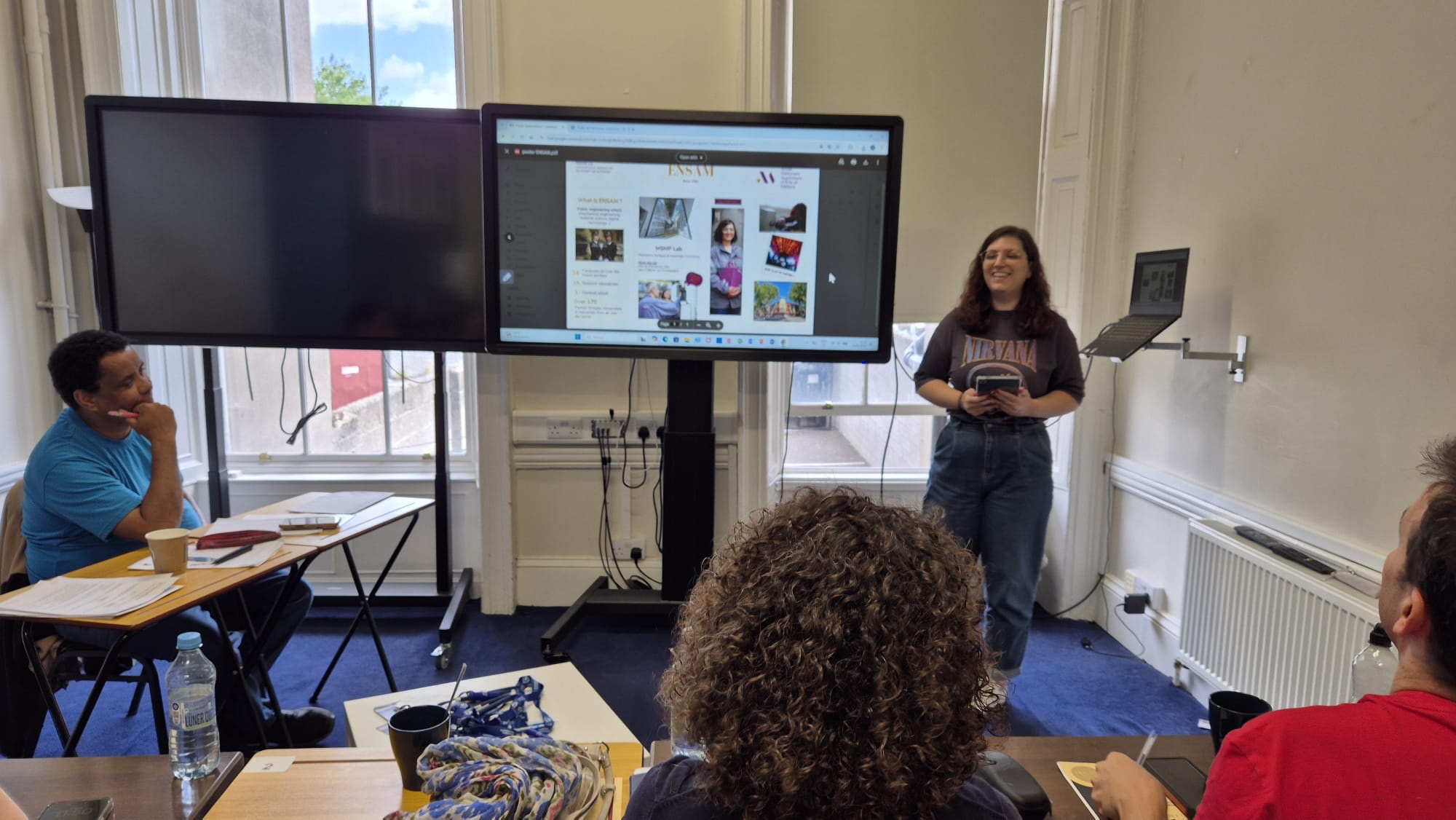
Professionally speaking, I was obviously able to practice my English and learn new concepts, but I also had the opportunity to exchange ideas with colleagues from other institutions. Since we were all administrative staff working in academia, we were also able to compare our roles, practices, and procedures.
It was particularly interesting to see how other institutions operate, both in France and internationally.
What advice would you give to someone who's still hesitant to leave?
Don’t hesitate any longer! Even though traveling alone can be daunting or stressful, this is a highly structured mobility program.
You can also choose a destination that’s closer or farther away—and why not travel with one or more coworkers? Some people have even taken advantage of this mobility program to travel with their families.
What advice would you have liked to receive before your first trip?
Don’t stress too much! I’d tried to plan ahead and prepare for my trip as much as possible, but I can sometimes get really anxious about traveling alone, especially when it comes to going to another country.
Still, I already spoke the language, and the destination wasn’t that far away.
We sometimes tend to imagine all the things that could go wrong, when in reality, most of the time, everything goes very smoothly. And even when something unexpected happens, you’re never really on your own.
As with any international trip, I recommend doing thorough research on your destination country: the weather, electrical outlets (a universal adapter can be useful), customs, and cultural differences compared to France.
I also encourage you not to hesitate to ask questions of the training organization and the European and International Training Development Office. The staff are generally very helpful and can answer questions or direct you to the right people.
Finally, be sure to check that all documents are complete and signed, and remember to bring them with you—at least as copies—if necessary.
If you had to do it all over again, would you go back?
I've already had the chance to have this experience twice, but if I could go back, I'd probably choose a different program—and, above all, a different country!
In three words, how would you describe your Erasmus+ experience?
Enriching, exotic, and memorable.
What if you had to convince a staff member atArts et Métiers to participate in the Erasmus+ program in just one sentence?
We’re lucky enough to have this opportunity on a regular basis. It’s an experience that’s truly worth having—if only to get away from the daily grind and enjoy a genuine international experience for a week!