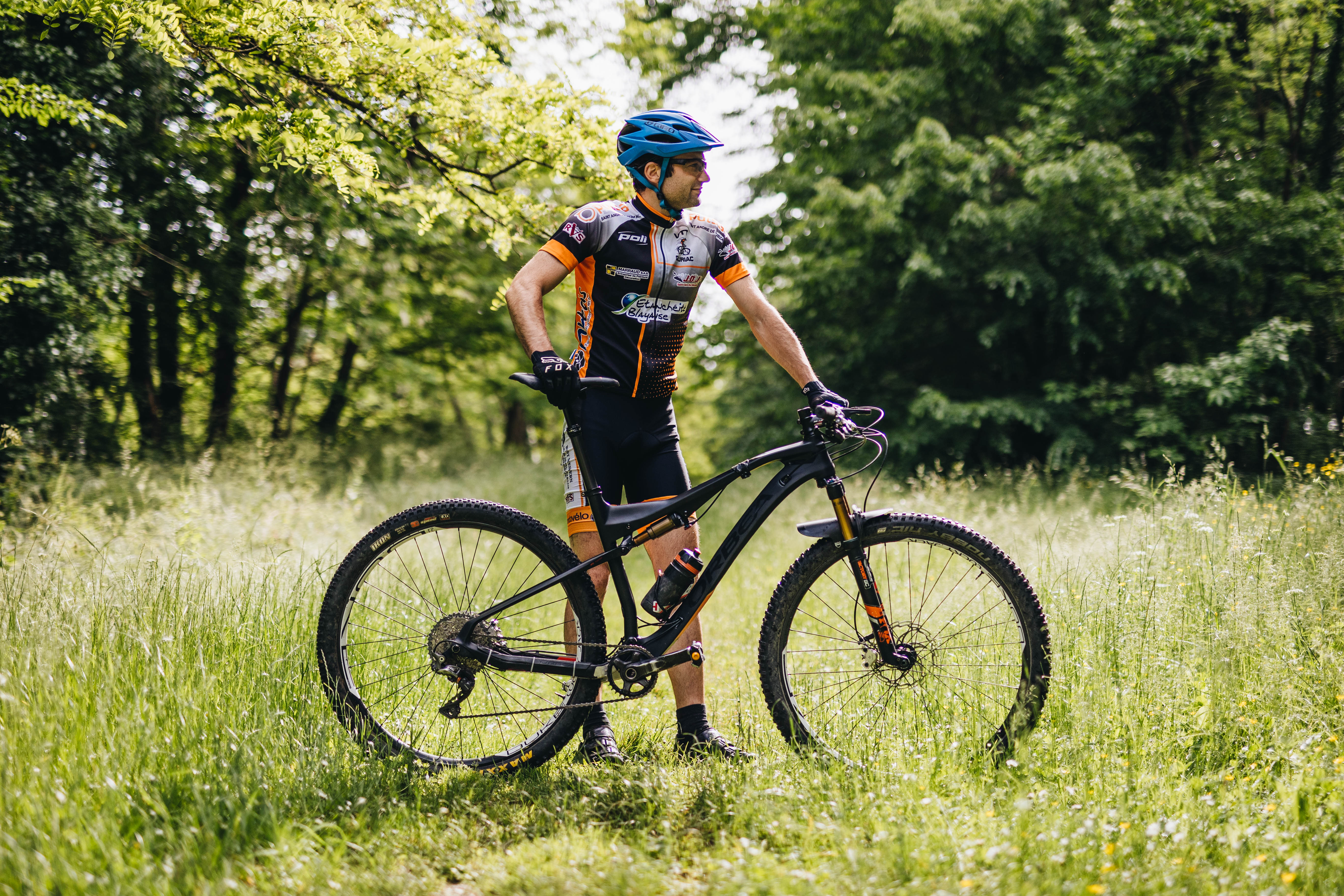
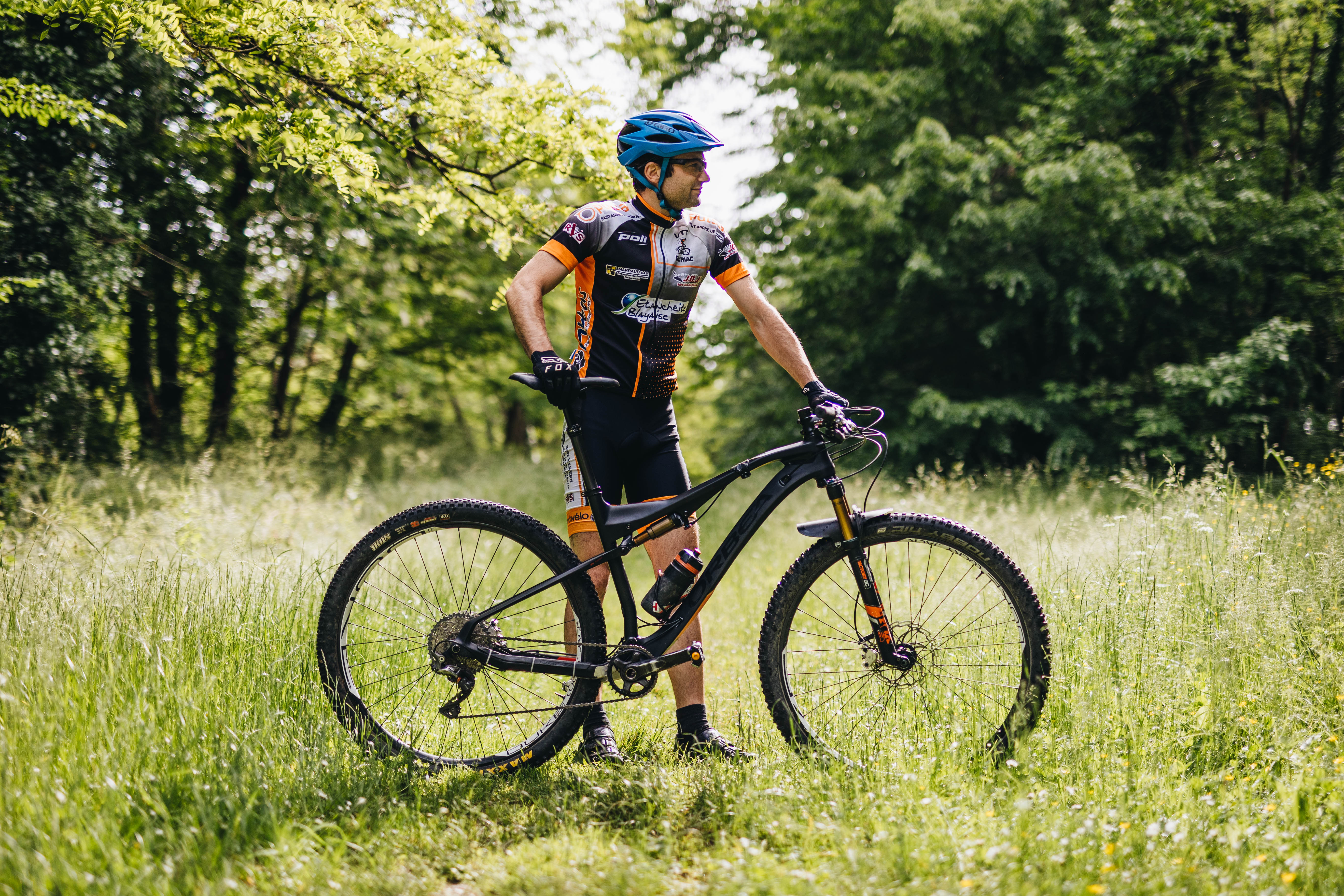
How can research be turned into a practical innovation for the world of sports? That is exactly what Simon Dousset, a former Master of Science Ph.D. student at Arts et Métiers, has successfully achieved with the CyclOptim pedals—high-performance, reliable power meters for mountain bikes.
From an academic background to a desire to start a business
The Arts et Métiers campus Arts et Métiers Bordeaux-Talence provides an environment that is particularly conducive to fostering connections between academic research and industrial innovation. It is within this context that Simon Dousset’s career path unfolds; he earned his Master of Science degree Master of Science his Ph.D. at the institution.
His thesis, conducted at the I2M* laboratory, focused on the mechanical behavior of ice and the impact of hailstones on aircraft structures— a key issue for aircraft safety. This work led him to design complex experimental setups and develop advanced expertise in force sensors and instrumentation.
It was precisely this expertise that laid the foundation for his future career. As a cycling enthusiast, he sought to apply his scientific skills to a field close to his heart, with the aim of combining athletic performance and physical measurement.
CyclOptim and SportOptim: Innovation in the Service of Sports
This initiative gave rise to the company SportOptim, with its first tangible result: the CyclOptim brand. The goal is clear: to make performance sensors more widely accessible to cyclists by offering solutions that are both versatile and affordable. The concept is based on integrating the sensors directly into the pedal axles, making it easy to transfer them from one bike to another or from one type of riding to another .
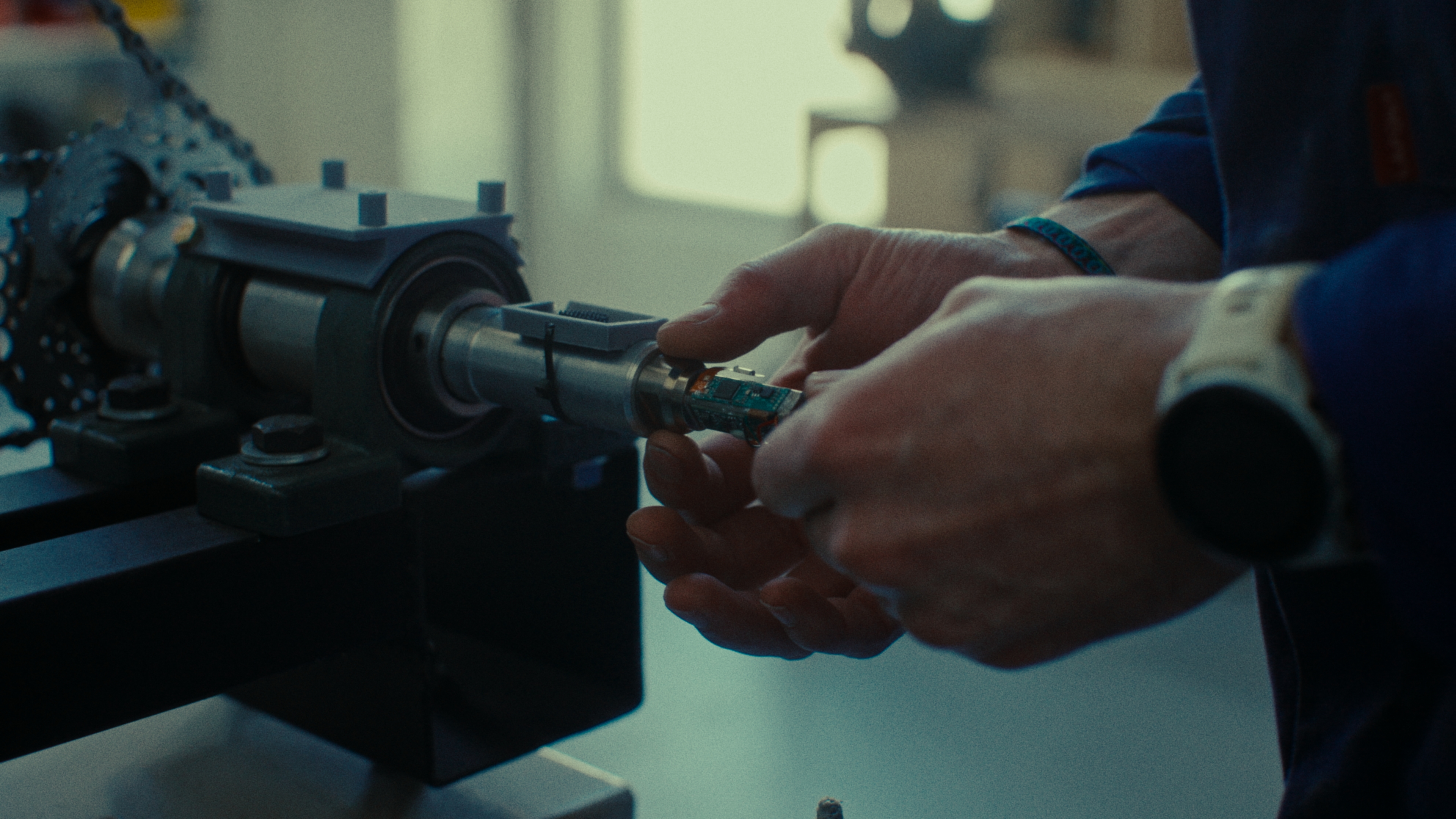
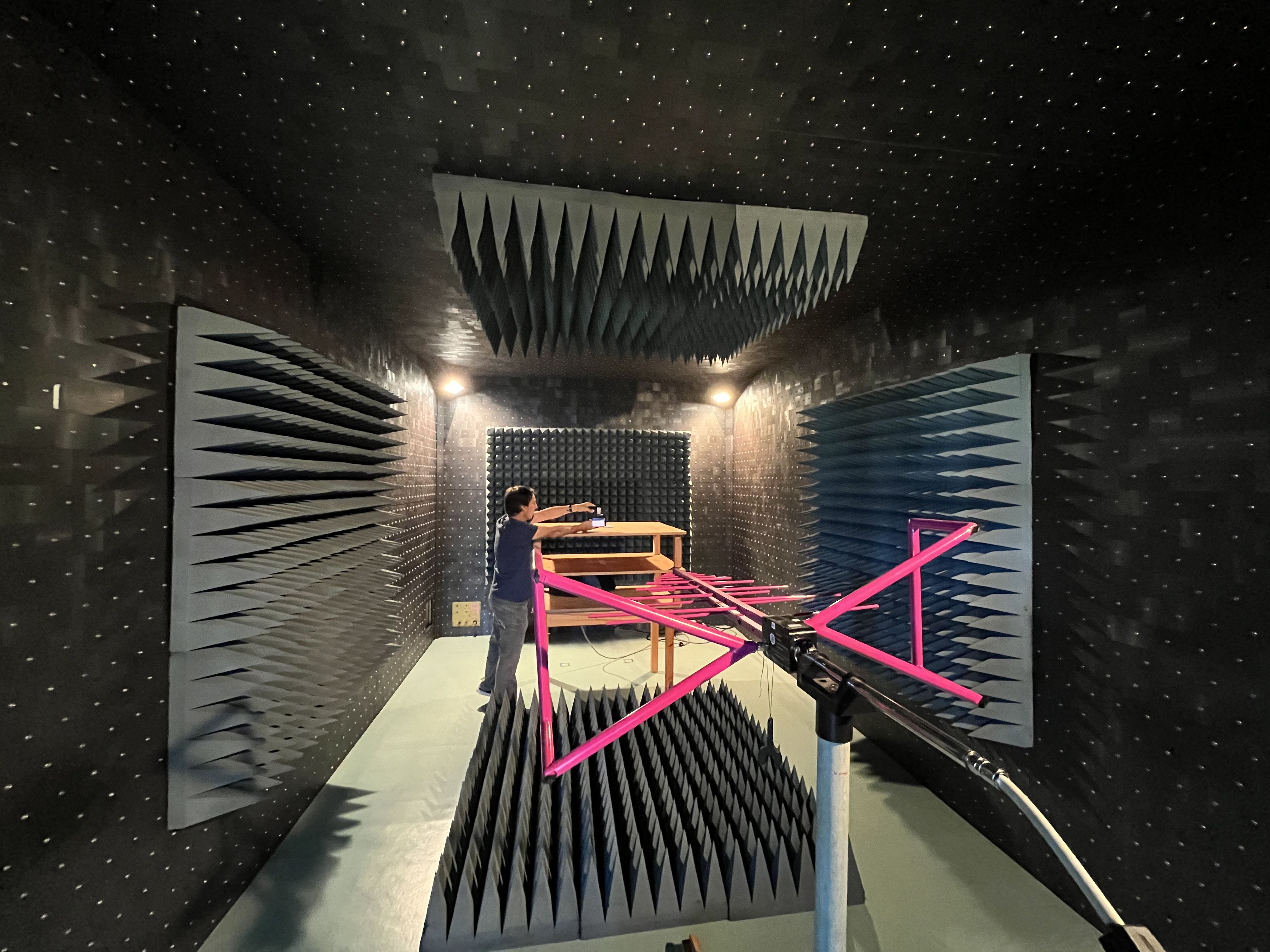
The development of CyclOptim pedals was supported by the Arts et Métiers campus Arts et Métiers Bordeaux-Talence, particularly for the manufacture of prototype parts and the conduct of technical tests. Tests under thermal conditions validated the products’ performance at different temperatures, while radio frequency tests, conducted in an anechoic chamber, contributed to the certification process.
In addition, a patent has been filed to protect the design of the pedals’ instrumented shafts. The fact that they are manufactured primarily in Nouvelle-Aquitaine and assembled in Bordeaux reflects a strong regional presence and a commitment to promoting local expertise.
What next?
Beyond cycling, SportOptim’s goal is to expand this concept to other sports: integrating sensors directly into equipment to better understand performance, improve skills, and enhance the athletic experience. At the same time, the company offers its expertise to manufacturers by developing custom sensors and equipping their tools to optimize their processes.
Simon Dousset’s career path illustrates the role of the Bordeaux-Talence campus in fostering the emergence of entrepreneurial ventures stemming from research. By maintaining close ties with the institution after completing his dissertation—particularly through teaching activities—he has helped strengthen the connection between education and innovation.
This initiative took shape through the placement of an engineering student at SportOptim, thereby contributing to the transfer of skills and fostering continuity between education, research, and industrial development.
* Bordeaux Institute of Mechanics and Engineering (I2M / Arts et Métiers, CNRS, University of Bordeaux, Bordeaux INP, INRAE)