CircLean aims to modernize engineering education by seamlessly integrating three key areas: lean manufacturing, the circular economy, and digital transformation.
A European project
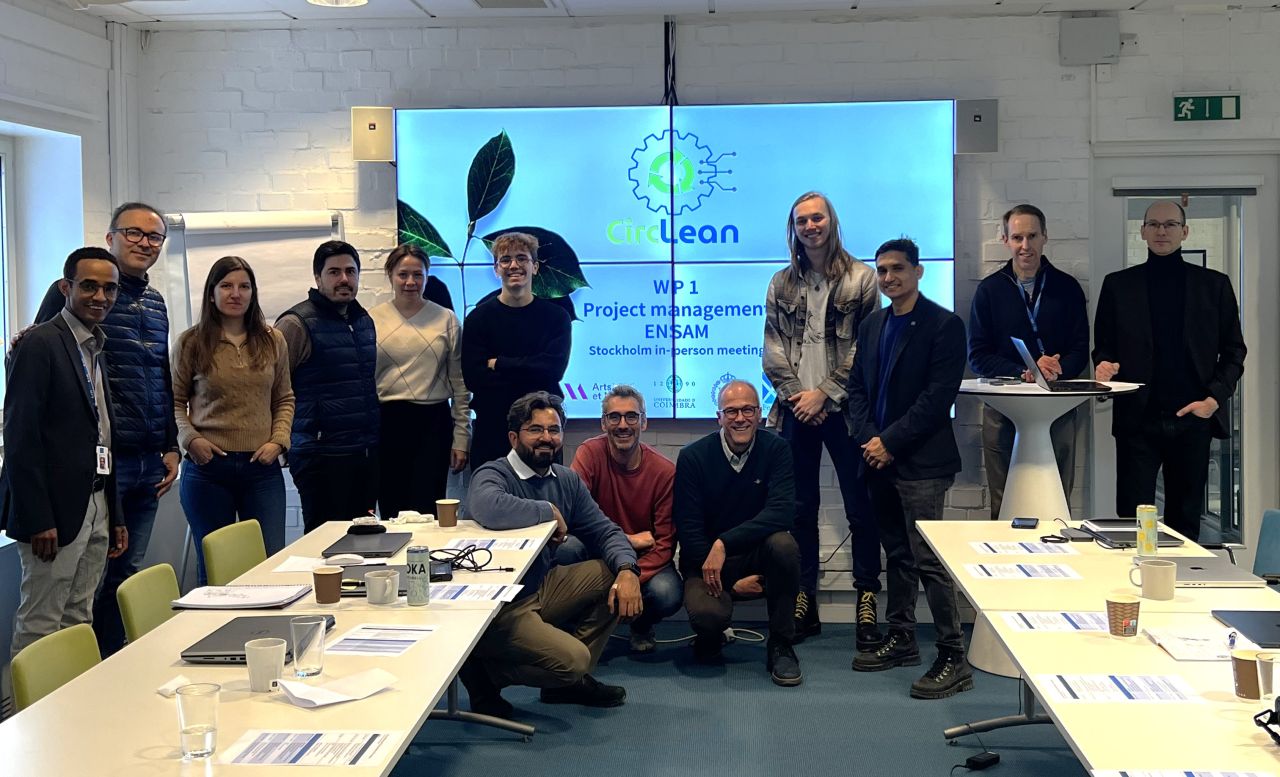
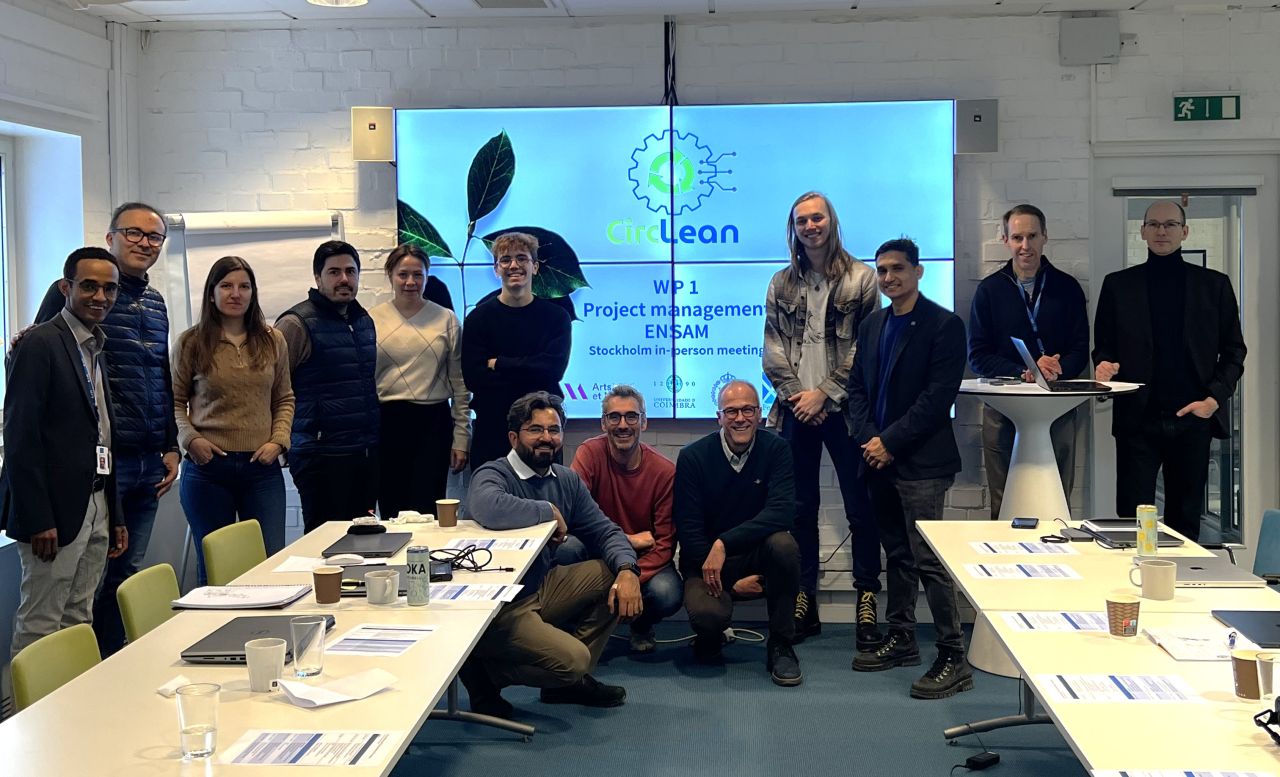 CircLean addresses a pressing need: to bridge the gap between the skills taught in higher education institutions and those expected by industry, particularly in the context of smart manufacturing. Three universities are collaborating: Arts et Métiers, theUniversity of Coimbra, and the Royal Institute of Technology (KTH) and it is supported by XL Training, a subsidiary of XL Group. The project develops innovative teaching modules, a methodology based on design-oriented research, and a portfolio of ready-to-use educational resources. Activities include designing instructional sequences, creating immersive “learning factory” environments, and conducting experiments with students. CircLean aims to enhance the employability of future engineers, improve the relevance of training programs, and widely disseminate its results to other institutions and stakeholders in the field of education.
In the long term, the project aims to transform teaching practices in the areas of lean, circular, and digital education, and to make these approaches easily replicable in other academic and professional contexts.
Objectives
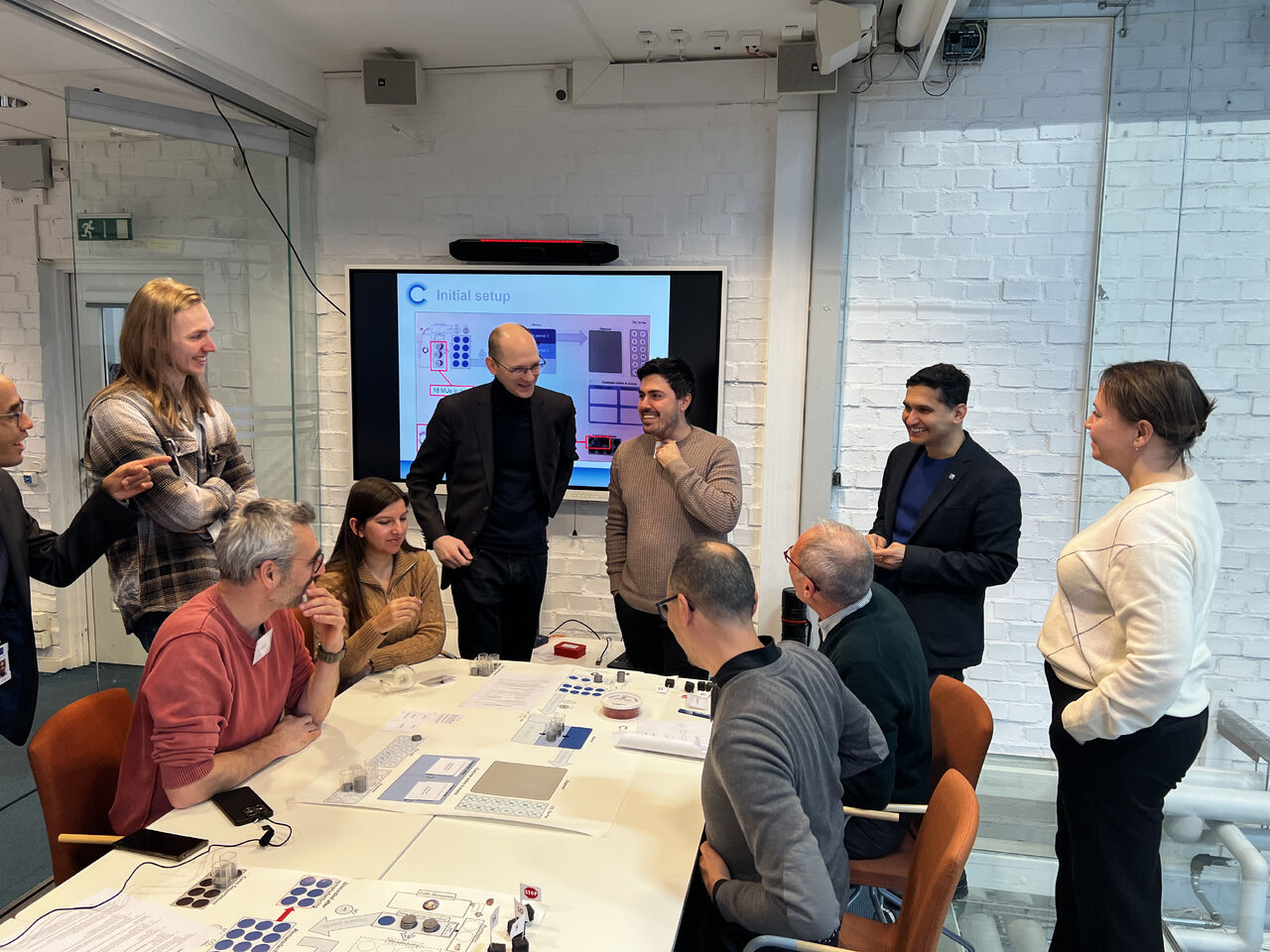 CircLean aims to modernize engineering education by incorporating three approaches that are essential to the industry of the future: the lean, thecircular economy and the digital. The primary goal is to bridge the gap between academic training and the real-world needs of businesses, in order to improve students’ employability and prepare them for the challenges of smart, sustainable, and efficient manufacturing.
To achieve this overall goal, CircLean is guided by seven specific objectives:
- Alignment with the labor market: ensuring that future graduates possess the skills sought by modern industry.
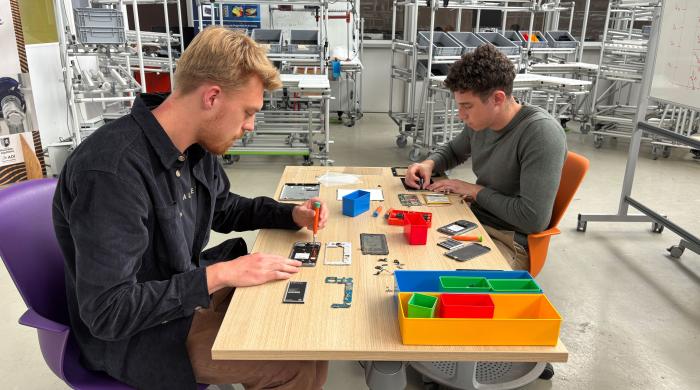
- Educational Innovation: Introducing learning factories that combine theory, experimentation, and immersion to transform teaching practices.
- Promoting Sustainability: Integrating the principles of the circular economy to support Europe’s environmental and green transition goals.
- Accelerating digital transformation: strengthening students’ digital skills to enable them to thrive in a highly digitized industrial environment.
- Flexibility and inclusion: developing modular and adaptable modules that can be used in various educational contexts, including vocational training.
- European cooperation and citizenship: fostering collaboration, a sense of responsibility, and shared values among students and institutions.
- Dissemination and transfer: sustainable Document and share the methodologies developed to enable their reuse in other institutions and maximize long-term impact.
Implementation
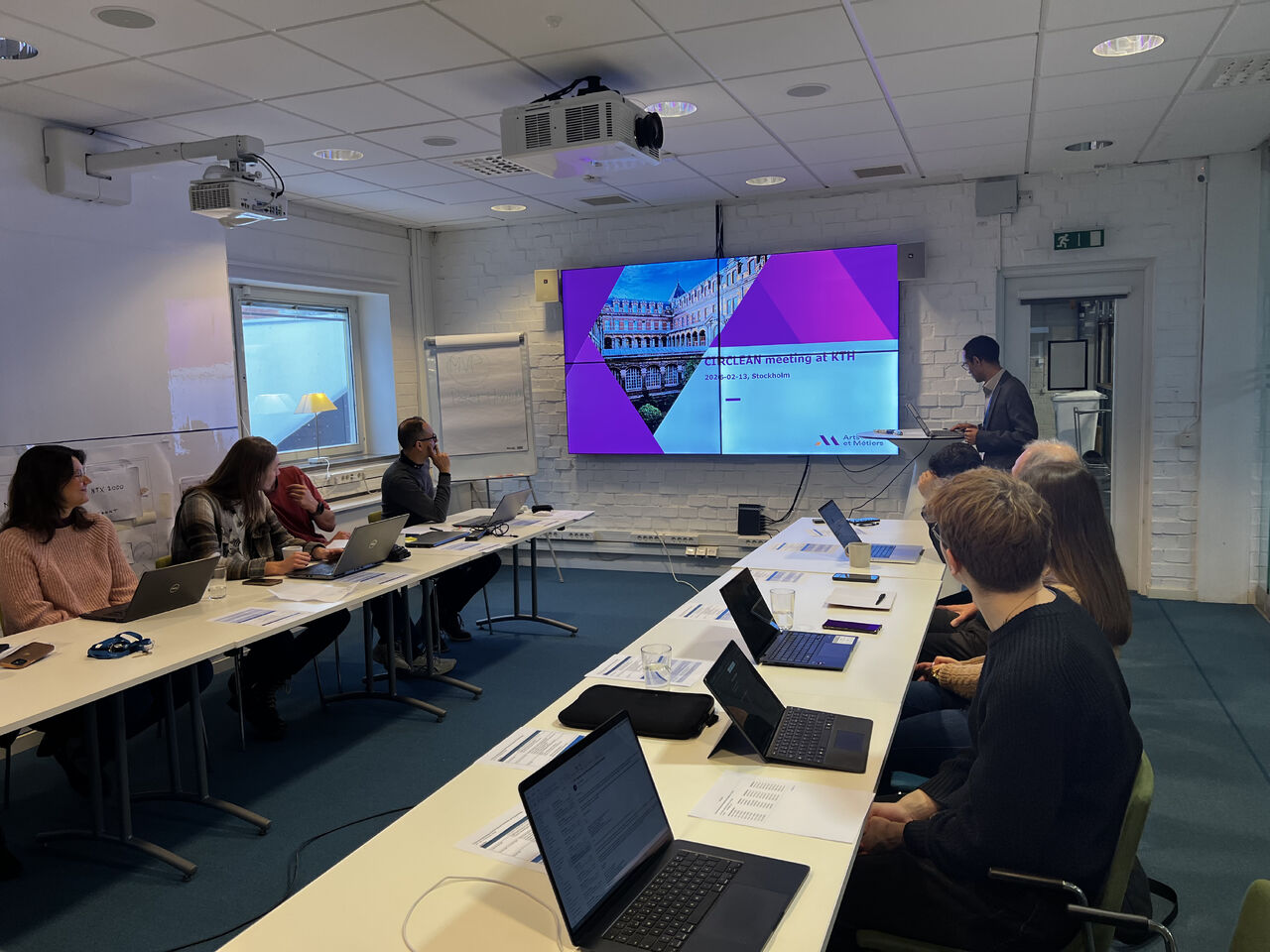 The implementation is based on three main areas:
- Developing innovative teaching modules: The partners are designing educational content tailored to the industry’s current needs, including lean principles, the circular economy, digital tools, and technologies for the industry of the future. These modules will be immediately usable by teachers.
- Developing a common methodology based on design-oriented research: a structured approach enables the creation of coherent, testable, and replicable instructional sequences. It guides the design of immersive activities, learning environments, and resources intended to promote experiential learning (learning by doing).
- Develop a portfolio of ready-to-use educational resources: Upon completion of the project, a comprehensive set of materials will be made available, including structured lesson plans, learning factory-style environments, assessment tools, teacher guides, and digital resources. These materials will be tested with students at the three institutions to ensure their relevance, transferability, and effectiveness.
Contacts
- Anthony Quenehen, project leader
- Claire Mandon, project manager