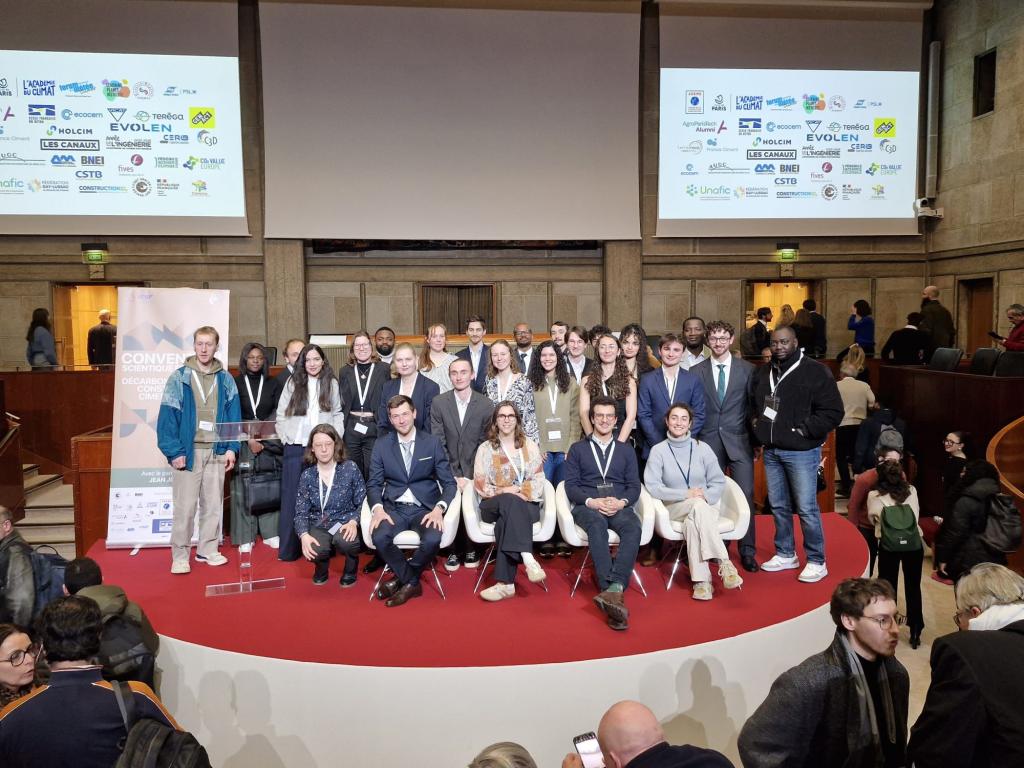
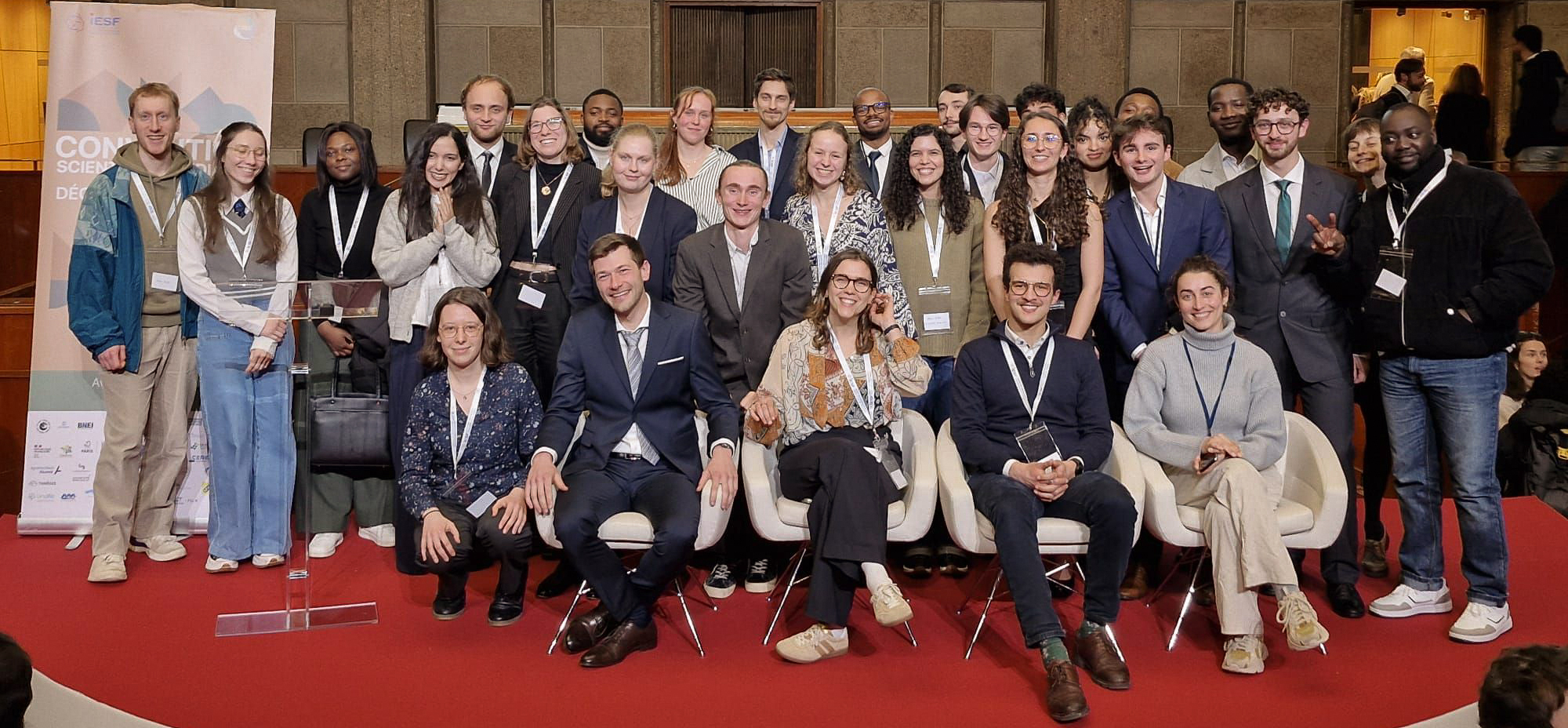
This year, several Arts students were selected to participate in the Student Scientific Convention on the decarbonization of cement concrete construction, organized by the IESF.
Seven engineering studentsArts et Métiers in the Student Scientific Convention on the decarbonization of cement and concrete construction.
A scientific and civic adventure
Bringing together 50 students, mainly from engineering schools, this convention was inspired by the citizen convention model: a collective intelligence approach aimed at formulating solid recommendations for decarbonizing a sector responsible for around 8% of global CO₂ emissions, which is central to the European Union's carbon neutrality targets for 2050.
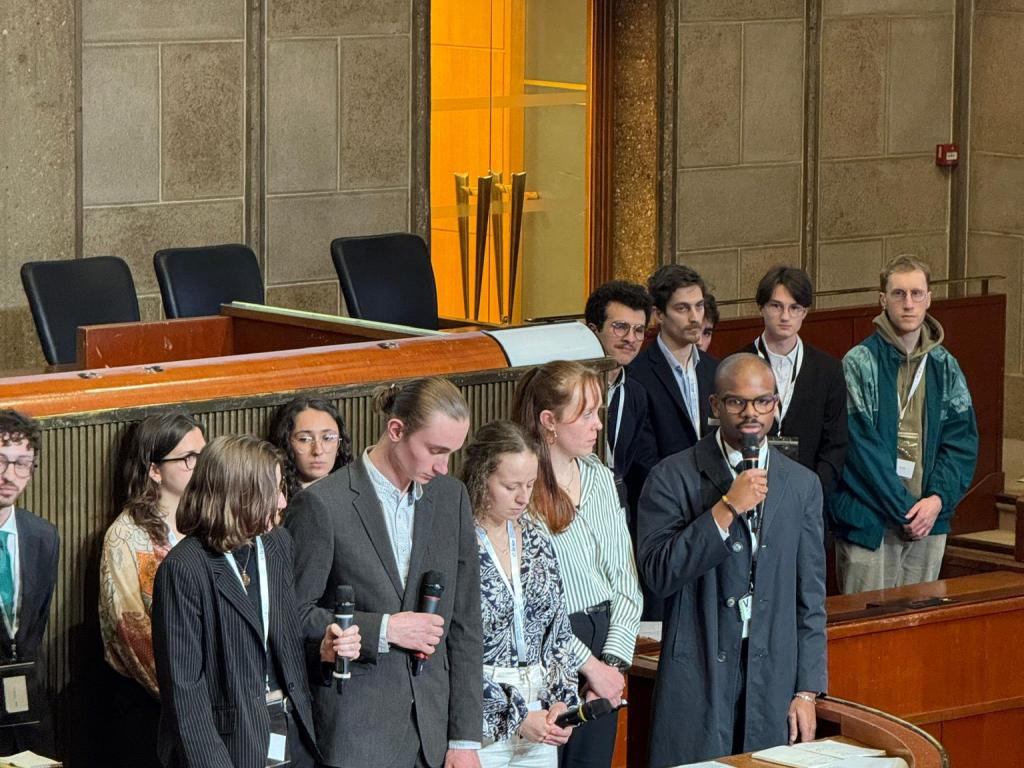
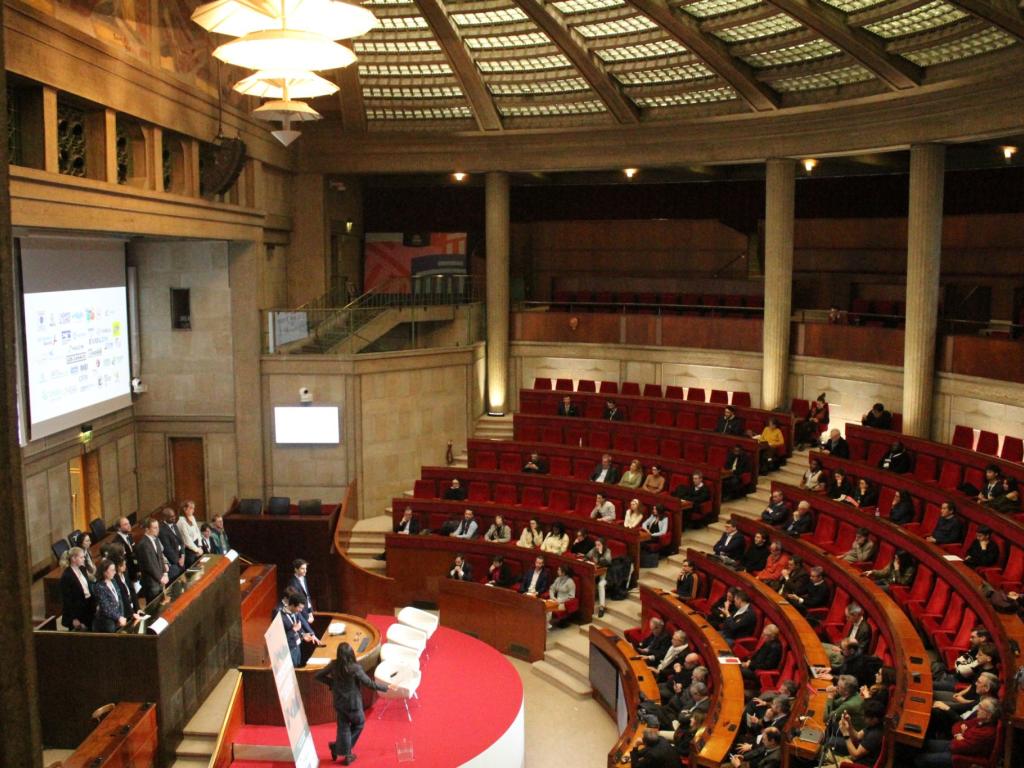
For four months, participants alternated between group work, scientific contributions, debates, and immersive workshops, before presenting their final report comprising 46 recommendations at an official event on February 18, 2026, held at the Economic, Social, and Environmental Council (CESE) in Paris.
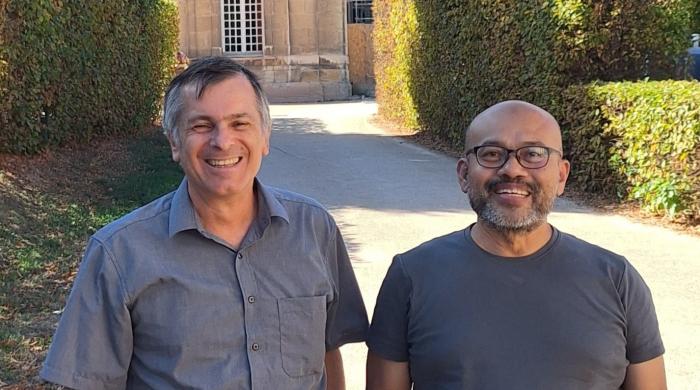
One of them, Franck-Arthur Essomba Betsi, a third-year student at the Arts et Métiers campus Arts et Métiers Lille, looks back on his experience.
An intensive and demanding process: four sessions to understand, debate, and decide
"The agreement lasted four months, with one working weekend per month. This organization brought together students from very different backgrounds, some from highly specialized schools in the field, such as ETSP, who were already familiar with the concrete sector, and others, such as Arts et Métiers, who had more cross-disciplinary approaches. This diversity quickly created a dynamic of mutual learning."
First step: Understand the issues so that relevant recommendations can then be made.
"The first two sessions laid the scientific foundations for the topic. This included climate issues associated with cement and concrete, the role of limestone and chemical decarbonization, which alone accounts for 75% of emissions from the process, existing innovations in low-carbon concrete, and carbon capture, storage, and utilization (CCUS) technologies.
During these two sessions, we had the opportunity to meet experts who are true economic and scientific authorities in the sector, such as Antoine Dewazière, representative of ADEME, Wouter Mester, speaker from the OECD, Aurélien Bosio, representative of BPI France, Christophe Cassou, climatologist and one of the main authors of the sixth IPCC report, and Karen Scrivener, materials researcher and one of the leading authorities in the field, so much so that she is nicknamed the "Queen of Cement"!
Step 2: Formulate, discuss, and draft recommendations concerning the entire value chain
During the third session, the four main areas of recommendations in our report naturally emerged:
- Sobriety: Reducing construction and limiting the use of concrete whenever possible
- Efficiency: When concrete is necessary, favor low-carbon options, optimize mix designs, and reduce waste.
- Offsets (CCUS): Consider solutions to address the 20% of emissions that cannot be reduced.
- Awareness raising and training: Raising public awareness of structural alternatives (wood, terracotta), but also training building professionals.
Beyond the ideas, we drafted the titles of the recommendations. Between the third and fourth sessions, we then drafted the body of each recommendation.
The fourth and final session was devoted entirely to deliberation and was organized in two stages:
The first part involved reviewing all of the recommendations in order to make corrections where some needed clarification or where certain measures were too controversial.
The second part involved a vote by the students involved on each of the recommendations. All the recommendations were adopted thanks to a working method based on the power of collective intelligence. Each recommendation was worked on in turn by different pairs, allowing expertise to be pooled and avoiding silo working.
A new vision of democracy and collective work
One of the major contributions of this convention goes far beyond the topic of concrete. Throughout the convention, all participants experienced a different way of working, a form of scientific democracy, where decision-making was truly collective and without vertical organization (no one was the "leader" of any part).
Over the course of the sessions, we had the opportunity to meet exceptional speakers whose influence was such that even non-students sometimes attended the presentations, because the content was so cutting-edge!
Franck Arthur, currently on an international assignment in Germany, who did not hesitate to make the trip especially for the report presentation evening, also highlights the richness of the network that has been built up:
"I met committed students from all over France and sometimes even from abroad, who, like me, will become the engineers of tomorrow. Our goal at the end of this experience is to stay in touch, keep the report alive, and continue to promote these ideas in the media and among manufacturers."
What does the future hold for the report?
"The report is not an end in itself! It is a starting point and aims to influence public and private stakeholders. The recommendations have been distributed to institutional partners (ADEME, etc.), industry players (HOLCIM, ECOCEM, etc.), as well as schools and local authorities.
At first, we thought our work would focus mainly on cement and concrete manufacturing processes, but we quickly realized that the issue was broader and that we needed to look at the entire value chain. We tried to adopt the methodology observed in the RE2020 (2020 Energy Regulations for Housing Construction), which focuses not only on one player in the construction industry but on all the lots involved in housing construction.
The conference and the writing of this report have undoubtedly opened up new horizons for us, both in terms of experimenting with working methods based on collective intelligence and in terms of meeting students and speakers who are involved and concerned with the subject.
The seven Arts et Métiers students, including Franck Arthur Essomba Betsi, expressed their pride in having been part of a democratic and scientific exercise and in having contributed to work that has been recognized by the industry. Congratulations to everyone for this experience, which was both civic-minded and professional!