The context surrounding the ELF (Evolutive Learning Factory project and its rollout on the Aix-en-Provence campus represents a real opportunity to bring together teaching and research activities through a common thread running from ideation to design and then to implementation (machining, plastic deformation, and casting) to the analysis of the mechanical properties of components and the control of systems and their durability and life cycle analysis.
" Real and virtual, connected and scalable, these educational spaces, recently equipped with two cutting-edge platforms, enable students from various programs on campus (PGE, PIS, MR, MS, doctoral students) to develop their technological, digital, societal, and environmental skills." Prof. Féthi Ben Ouezdou, Director of the Aix-en-Provence campus.
Partnership with CFAI Provence
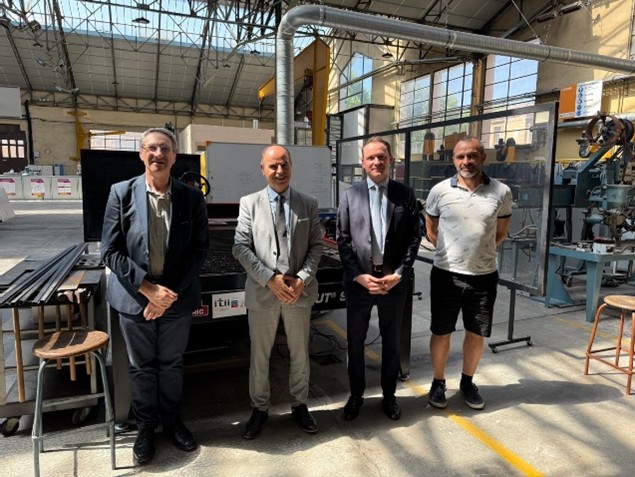
A partnership has been established between CFAI Provence and the campus to support the acquisition of technological equipment each year.
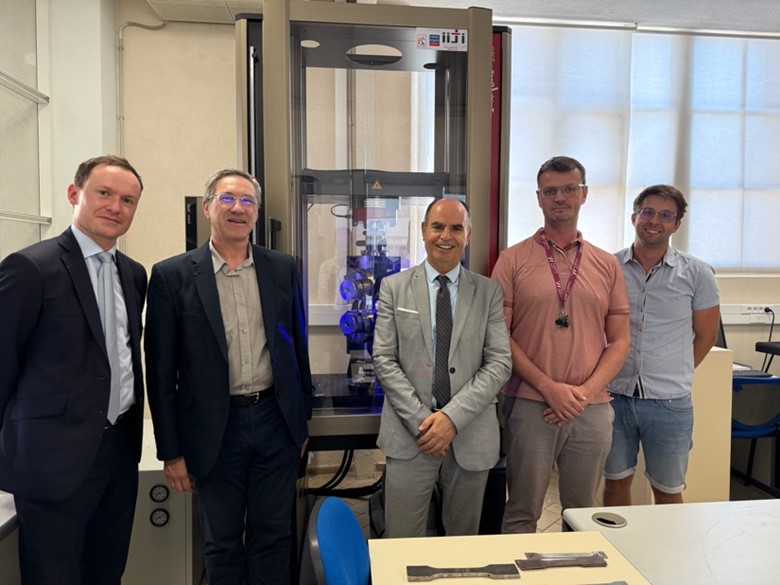
In 2025, two machines were purchased: a plasma cutting machine and an augmented mechanical analysis platform.
They have been made available and installed for use in training, research, and development activities.
In terms of training, they will be used to supplement the teaching offered in particular in the Specialized Engineering Program (PIS) in Mechanical and Electrical Engineering with practical training on appropriate teaching equipment.
From the technical facilities on the Aix-en-Provence campus to the WorldSkills national competition, the UIMM Sud training center, through its network of ITII apprentice engineers, is proud to participate in the training of talented individuals who join Arts et Métiers all its facets! These new machines and the success of our young people are the concrete result of a historic partnership between our two great institutions. Together, and in the service of industrial know-how, we are building much more than a shared future—we are building a nation! " - Jean-Pierre DOS SANTOS, Director General of the UIMM SUD Training Center
Cutting-edge technologies
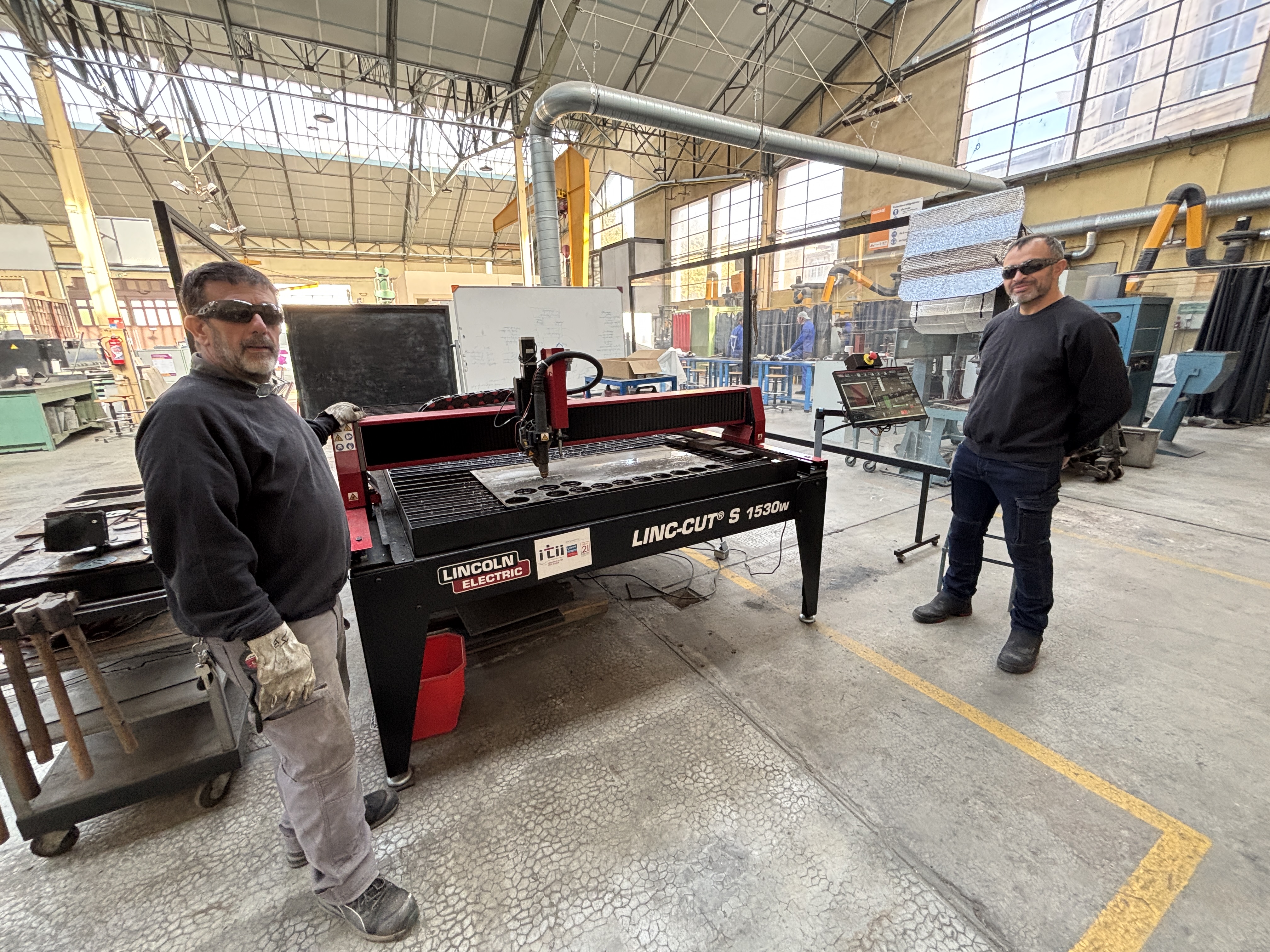
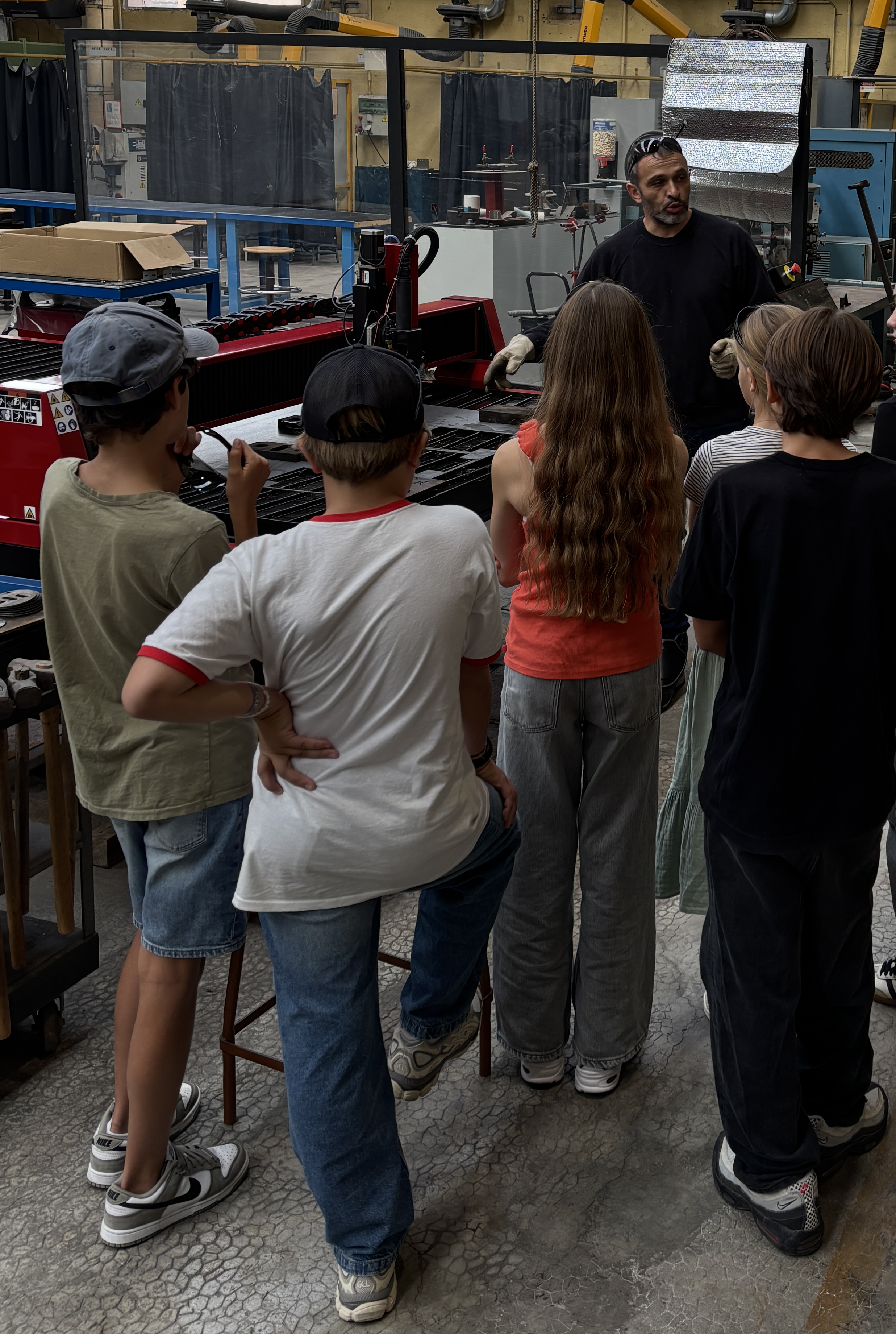
- The plasma cutting machine replaces four older machines (laser cutter, nibbler, oxycutter, torch).
It is digitally controlled and capable of cutting thicknesses from 0.5 to 40 mm, with the ability to generate complex 2D shapes across the entire thickness range. This machine is integrated into the digital manufacturing chain currently in place: the structure is designed digitally by 3D Experience, and the manufacturing range is simulated by PamStamp (forming) and Sysweld (assembly, currently being installed for teaching purposes).
This machine is complemented by an electric gas generator to replace the oxyacetylene torch, an essential tool in metalworking and brazing.
This clean, carbon-free, innovative technology equipment, which emits only water vapor, uses electrolysis to break down molecules into hydrogen and oxygen and recombine them in the form of a flame.
The consumables are safe and non-explosive (distilled water).
Students can use it safely and be aware that ecological and sustainable development aspects can be integrated into often overlooked trades such as boilermaking.
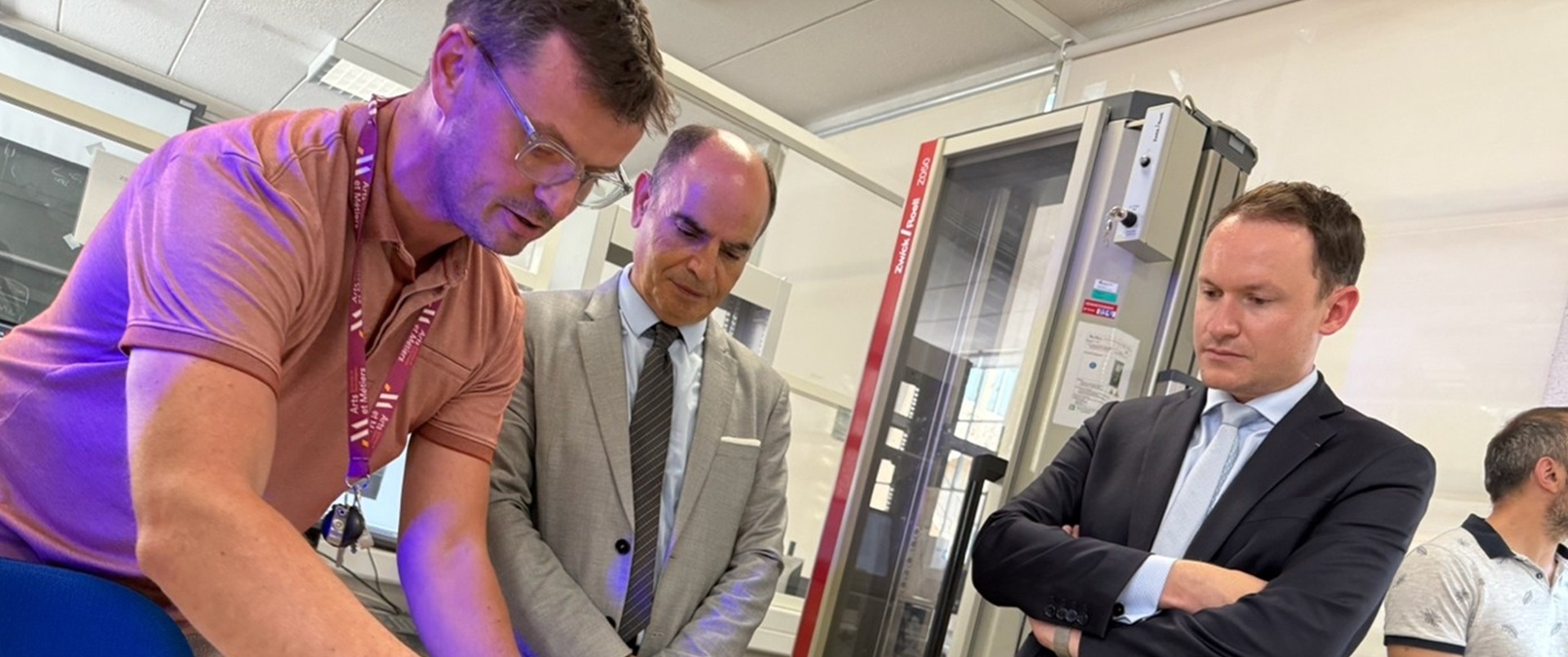
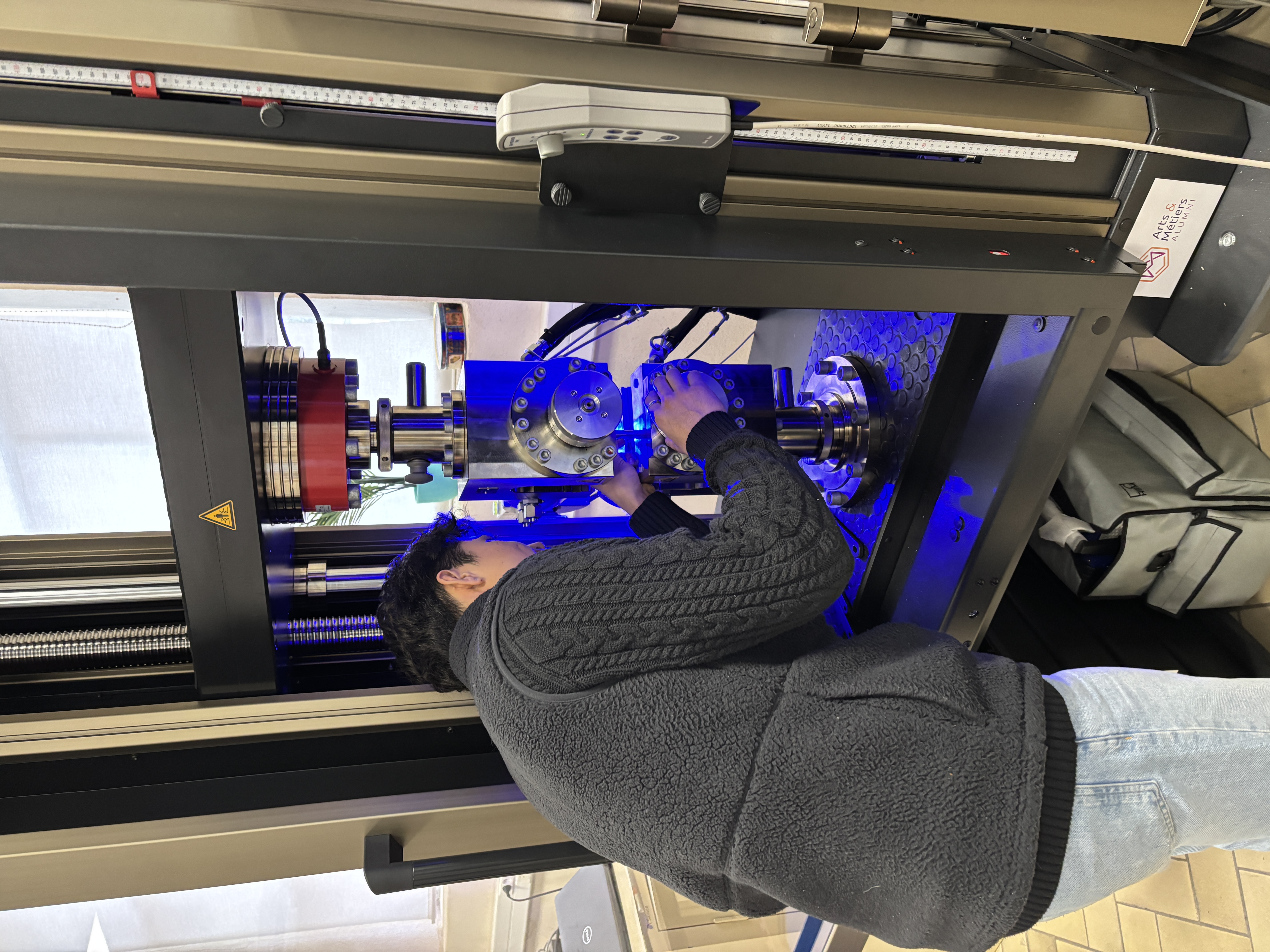
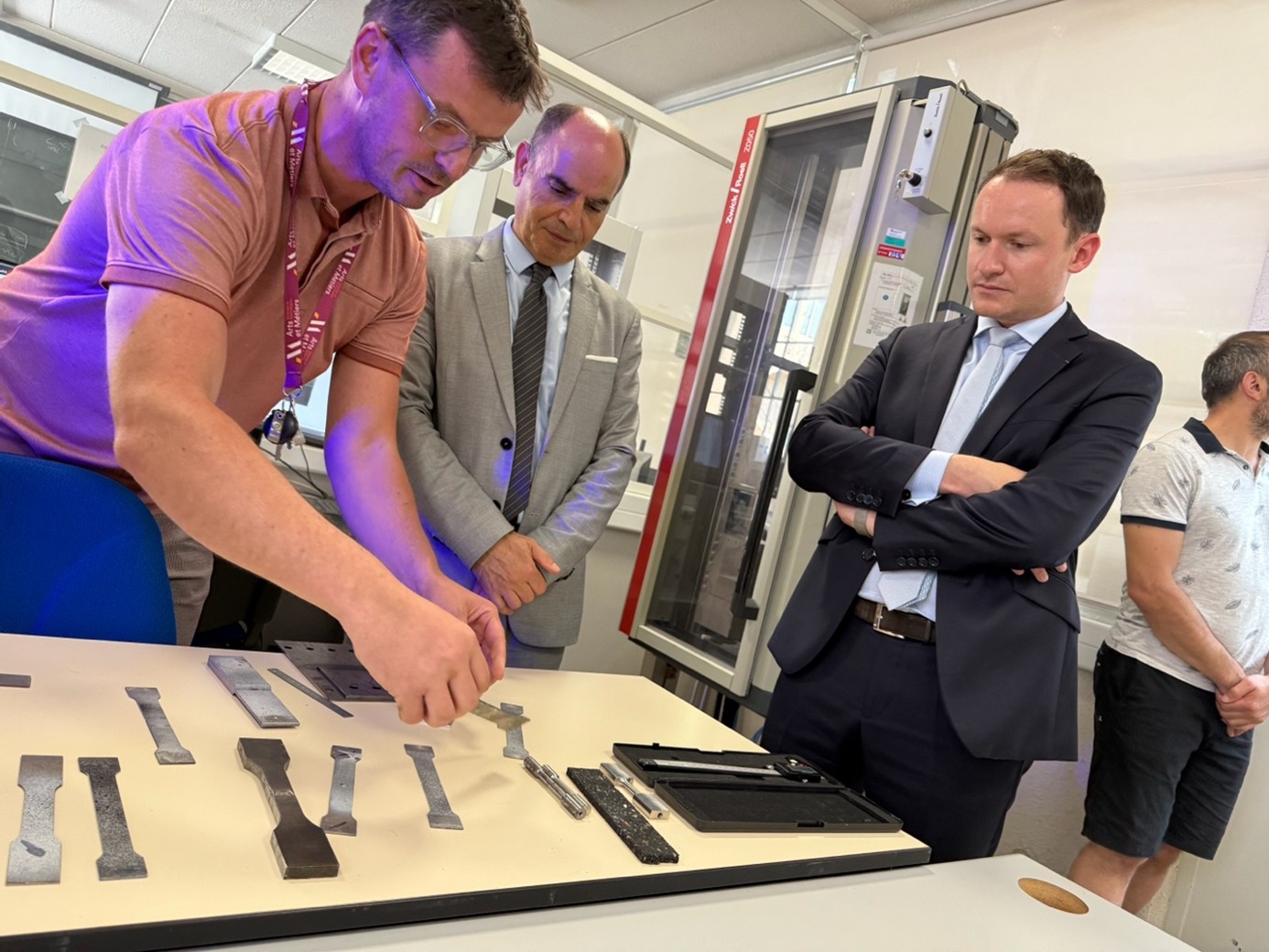
The augmented mechanical analysis platform for the industry of the future consists of a Zwick 250kN mechanical testing machine with a digital image correlation camera for measuring and visualizing mechanical fields on the surface of industrial parts, and software for remote test post-processing.
It enables standardized mechanical tests to be carried out on representative test specimens and structures using instrumentation that measures the mechanical and kinematic fields that can control the test.
Complex structures such as assemblies, plates with holes, or those produced by additive manufacturing, auxetic structures, and various materials (polymers, composites, ceramics, metals) are studied in order to observe the heterogeneity of mechanical fields in these structures in real time.
Non-contact 2D measurement techniques using digital image correlation make it possible to visualize the kinematic displacement fields on a test specimen. The measurement of heterogeneous fields allows comparison with numerical simulations in order to calibrate behavioral laws. This will greatly facilitate the test-calculation dialogue at different scales (from micrometers to centimeters).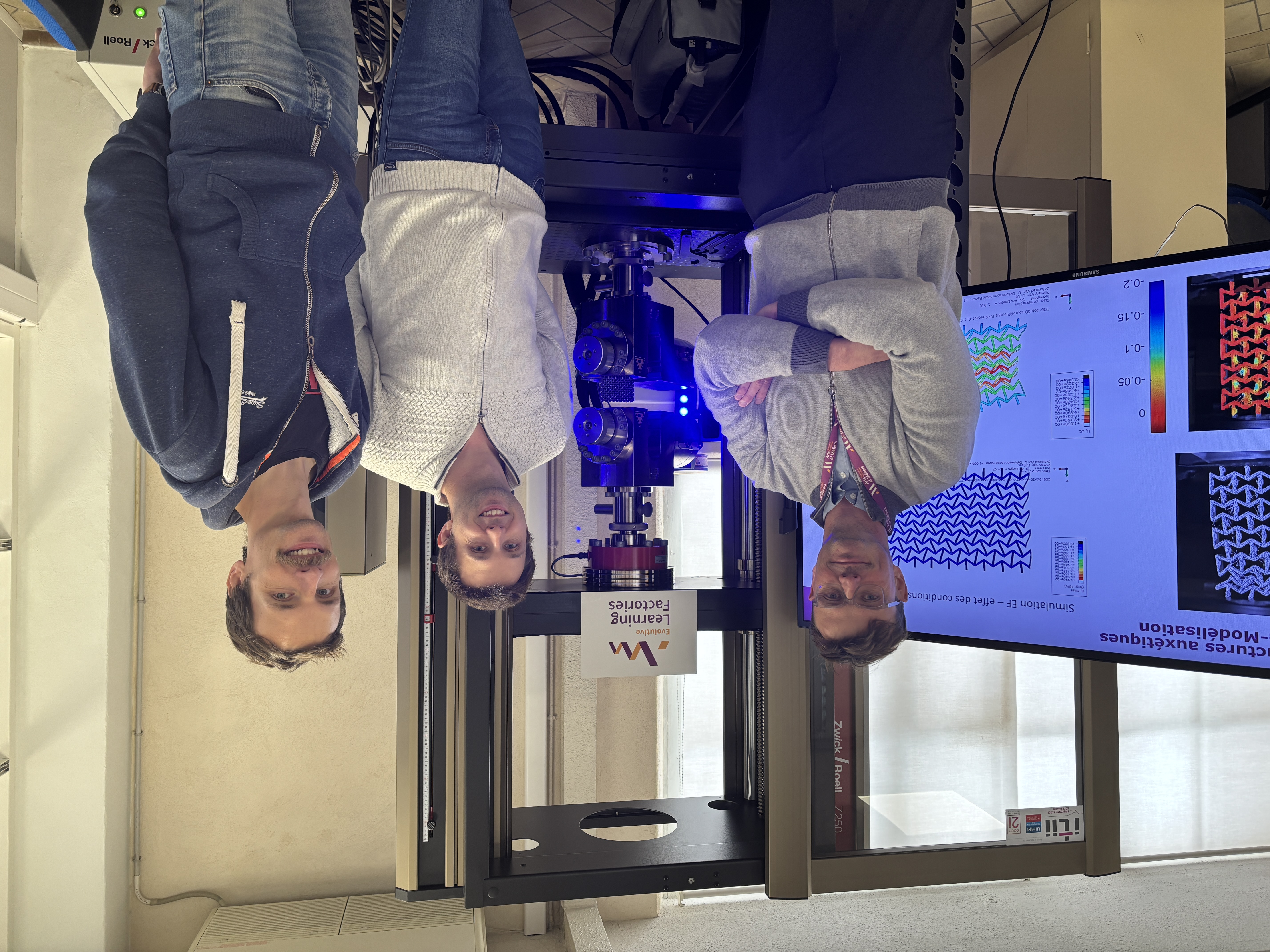
Teaching methods used
The integration of the Specialized Engineering Program (PIS) and the Grande École Program (PGE) into engineering curricula up to the Master of Science ) level is achieved through tutorials, laboratory sessions, or student R&D projects related to materials science and technology.
The courses are designed to encourage students to use the equipment during specific instructional sessions in one or more disciplines such as mechanics, materials technology, or processes.
plasma cutting machine First-year PGE students will attend demonstrations, while second-year students will operate the machine directly during practical sessions and PJT2A projects. Students in the PIS track will receive more in-depth instruction on this technology as part of the Materials Technology course or through their projects.
Augmented mechanical analysis platform for the industry of the future
The PIS program specializing in "Mechanical Engineering":
- Research-oriented projects in the fields of experimental mechanics or materials science. These projects, involving 4 to 5 students, will also provide an opportunity to apply scientific project management skills.
- A 4-hour demonstration lab on mechanical characterization methods as part of mechanics or materials science courses.
The PGE program:
- The first-year core course (UEF) “Solid Mechanics” for first-year students in the form of a 4-hour lab on “methods for measuring deformations using image correlation and other techniques”;
- The “Advanced Materials” UEF for second-year students in the form of a 4-hour lab on “laws of elastoplastic behavior and identification.”
The national Master of Science program and third-year PGE expertise for students at the Lille and Châlons-en-Champagne campuses:
- The course unit “Experimental methods for material and mechanical characterization,” in the form of a 4-hour lab.
Continuing education:
- The possibility of offering continuing education requested by companies concerned with these issues is being considered.
Promoting technology to the general public
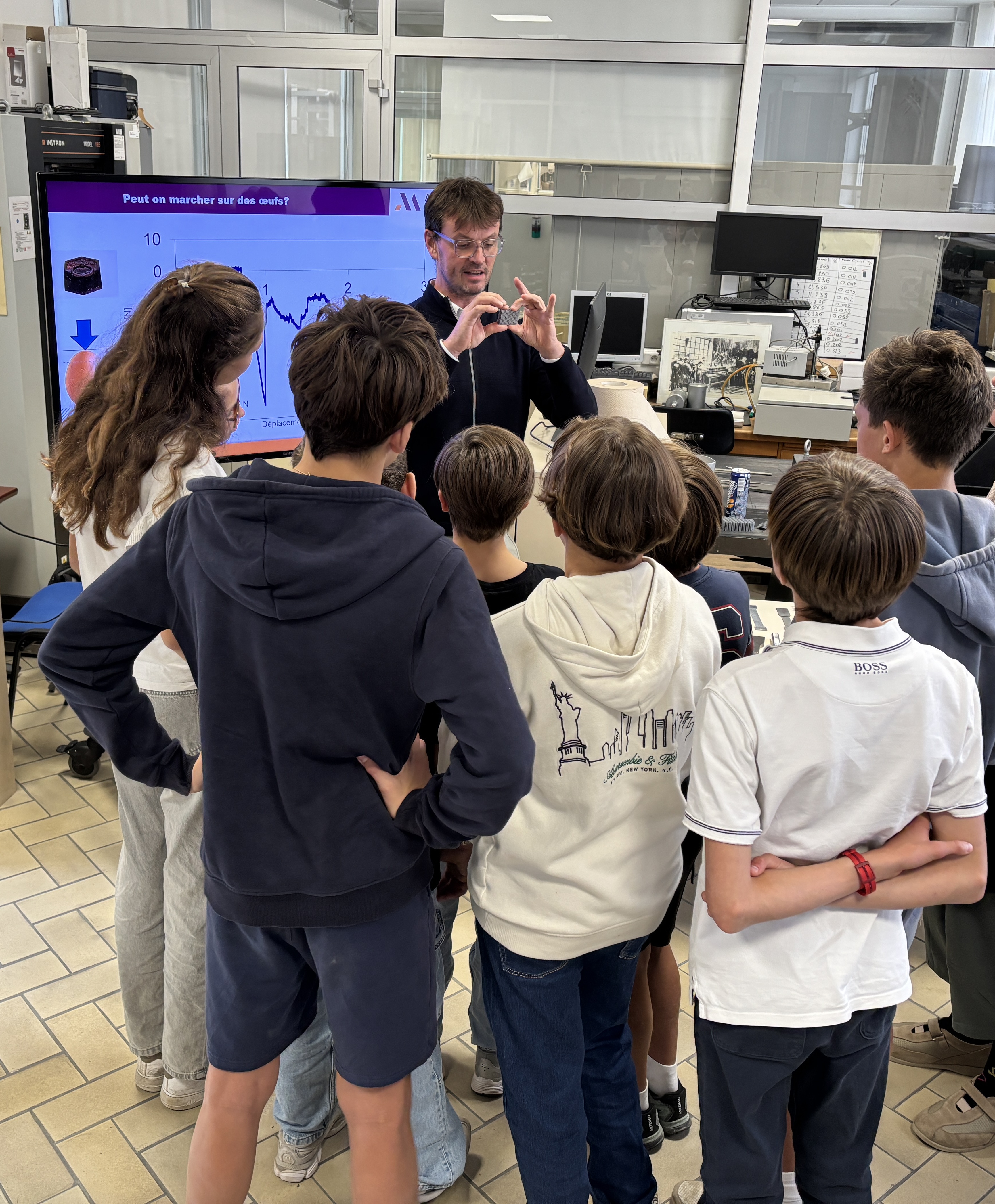
These new machines are also used to introduce young audiences to science and technology in a practical way, offering them a unique opportunity to discover these fields firsthand.
By opening the campus doors to middle school and high school students and other curious minds during events such as Science Day and Open House, the teaching team hopes to spark interest in scientific careers and inspire young people to pursue them.
These interactive demonstrations also show how innovation and research are rooted in the concrete challenges of the industry of the future.
A bronze medal won at WorldSkills by two apprentices from the campus in 2025
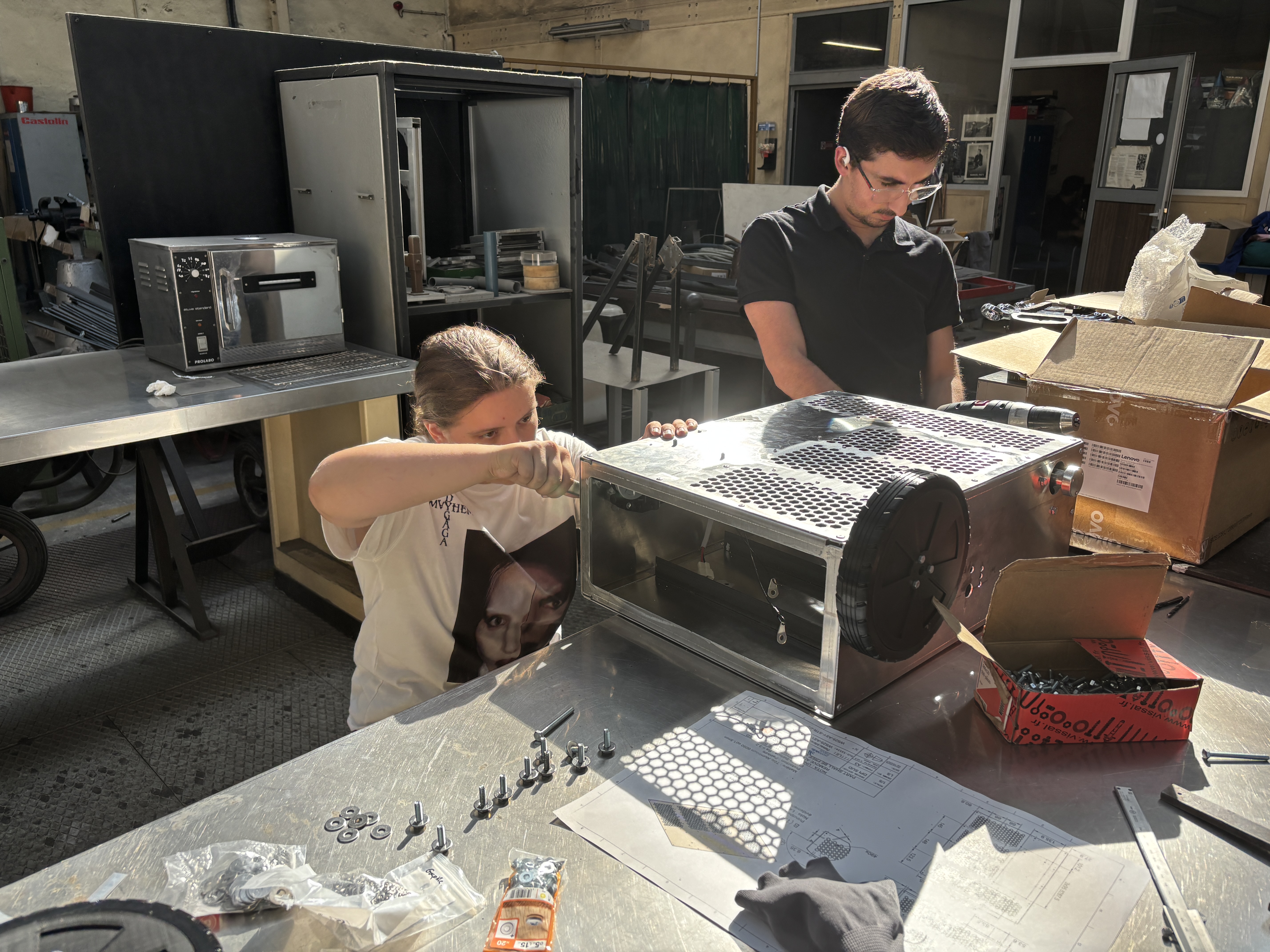
Anaïs Benoît-Ramos and Romain Cheynet, both PIS apprentices specializing in Mechanics and Electrical Engineering, won the bronze medal at the 38th WorldSkills France national competition in the "Industrial Product Development" category.
To meet this challenge, they were able to use the new plasma cutting machine and benefit from the support of Nicolas Coniglio, lecturer-researcher and manager of the plasma cutting machine, and Jacques Borra, metalworking technician.
" What motivated us? To push ourselves to the limit, to surpass ourselves, to learn in order to improve, to build something together," says Anaïs.
Their challenge was to design, within six months, an autonomous, remote-controlled load-carrying robot capable of transporting a minimum load of 10 kg and following a user along a predefined route using an algorithm.
A must-see video to better understand the WorldSkills spirit
Contact
Project leader Plasma cutting machine
nicolas.coniglio@ensam.eu
Supporters of the augmented mechanical analysis platform for the industry of the future
regis.kubler@ensam.eu
jean-patrick.goulmy@ensam.eu
dorian.depriester@ensam.eu