Setting up an industrial pilot project for die casting, the only one of its kind in France, is the Learning Factory project led by the Châlons-en-Champagne campus.
At the end of 2014, following an initiative shared by Arts et Métiers the CTIF (Technical Center for Foundry Industries), a working meeting was held on the Arts et Métiers campus Arts et Métiers Châlons-en-Champagne to identify potential future collaborations ! Among the topics discussed, several issues specific to die casting were identified as potential areas for collaboration. During this meeting, the school identified which of its eight campuses could position itself on this process. Thus, in order to consolidate the scientific coherence and thematic positioning of the multi-site MSMP laboratory (Châlons-en-Champagne, Lille, and Aix-en-Provence), the institution designated the Châlons campus to host the die casting theme!
What are the advantages of this unique industrial pilot program in higher education?
This platform will enable:
- Operating high-tech equipment :
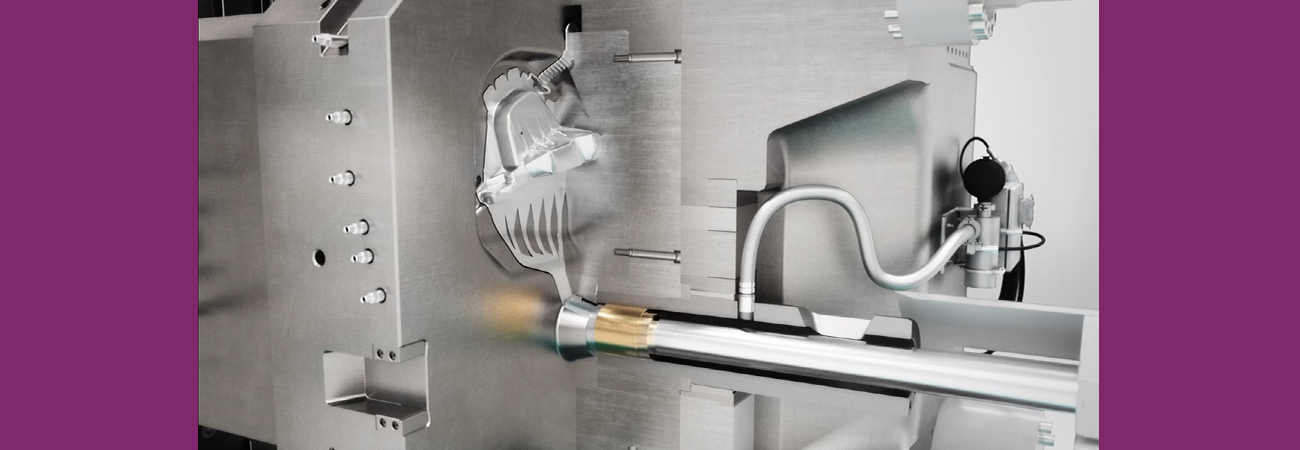
> a 1,300-ton injection molding machine to control and master the manufacturing process for complex parts
> a large-scale tomograph to detect defects in aluminum castings using tomography
> a metal additive manufacturing machine to produce innovative foundry tools
- Bringing together a multidisciplinary team : skills and expertise of teachers, research laboratories, engineers, and technicians at the service of industry.
- Strengthening ties with industry in the fields of research , training, and technology transfer to support the changes in the industry of the future with a "Smart Manufacturing" approach.
- Train students, apprentices, and doctoral candidates to provide genuine analysis of experimentation and modeling of industrial issues.
The construction of the building will begin at the start of the second semester. The platform is scheduled to open in spring 2022 and will serve as a learning factory, opening up numerous opportunities for the Châlons-en-Champagne campus to expand its influence.
Project funded by the CRSD
© Bühler