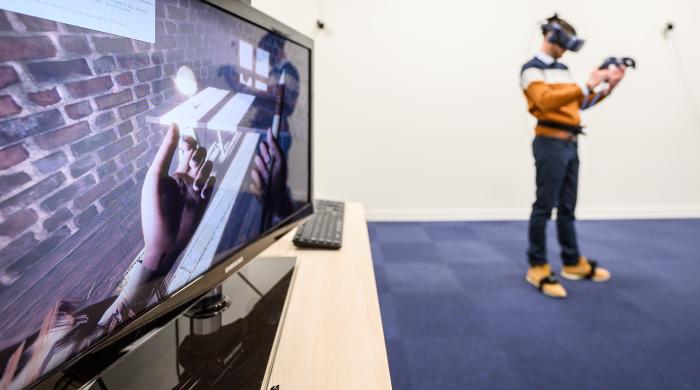
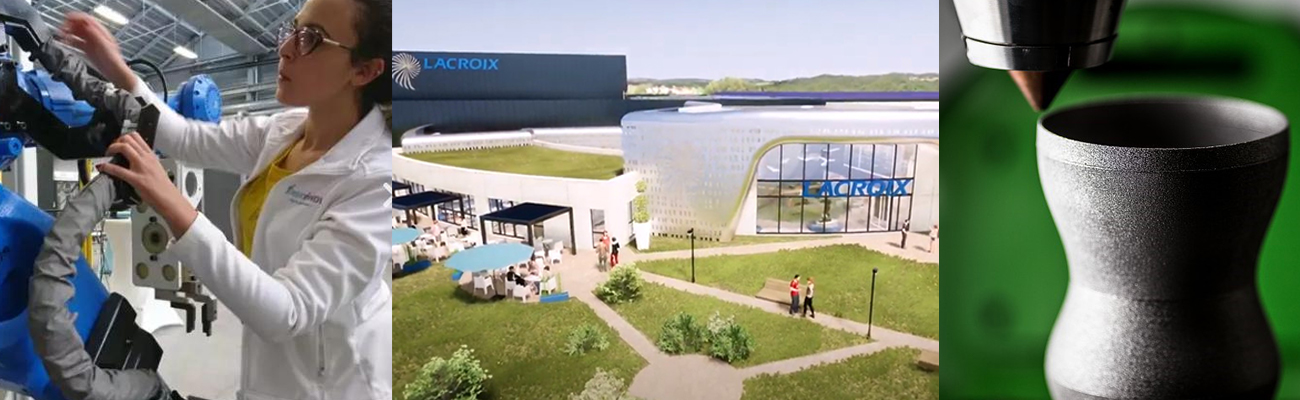
On November 6, as part of Connected Week, the Arts et Métiers campus Arts et Métiers joined forces with Polytech Angers, We Network, and the Pays de la Loire Industry of the Future Collective (bringing together We Network,ARACT,IRT Jules Verne, Images & Réseaux) to offer a 100% remote event to nearly 100 professionals from industry and higher education interested in the current technological and digital changes affecting businesses.
The technological challenge: integrating Industry 4.0 advances for Made in France
The challenges of a comprehensive transformation of an industrial company
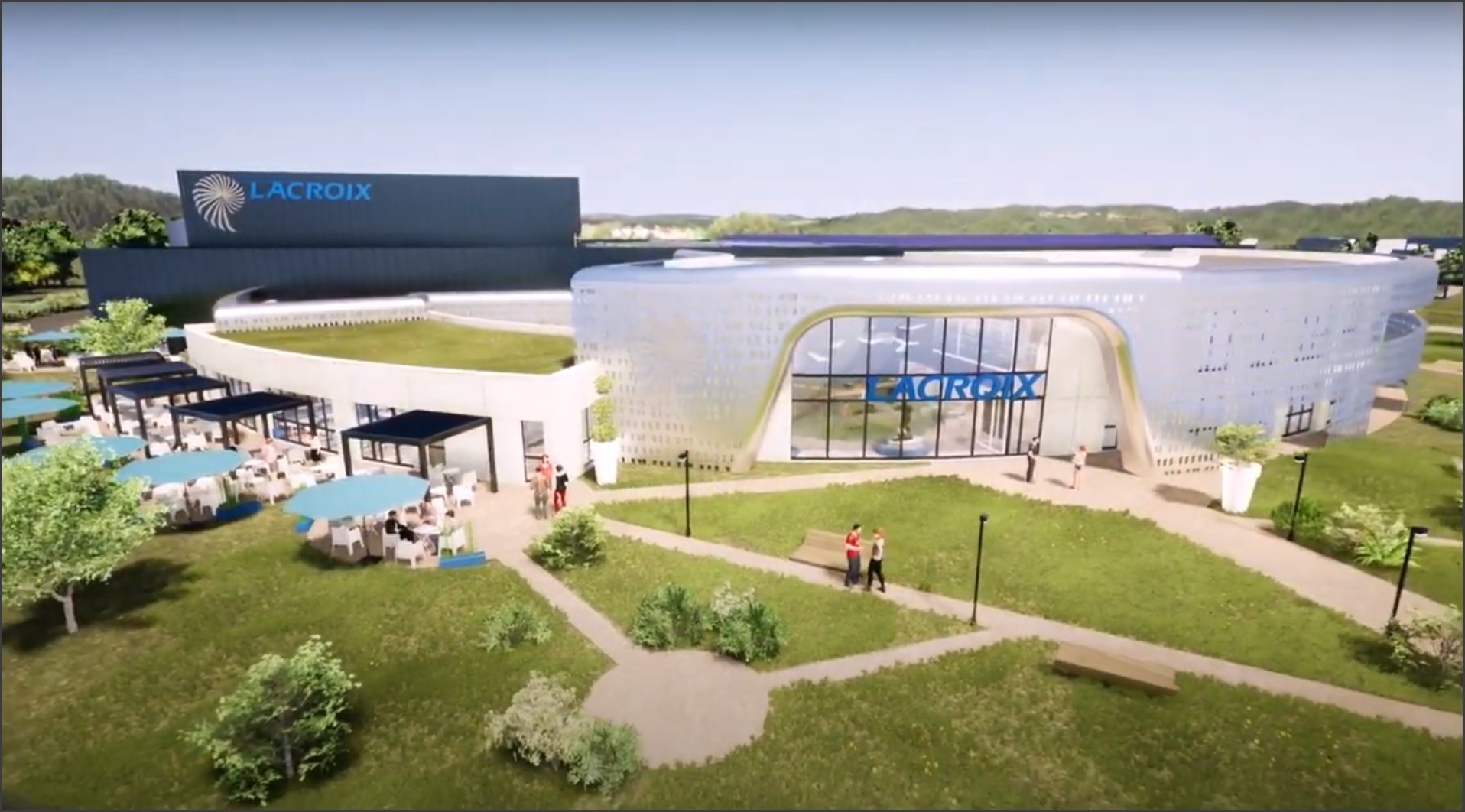
Emmanuelle Landru, site director of the Symbiose project, a Factory 4.0 facility whose construction by Lacroix Electronics in Beaupreau has just begun, presented this large-scale project, which illustrates the challenges of a comprehensive transformation of an industrial company. "The construction of a new factory, which incorporates industrial, environmental, and social innovations, requires upstream work on the industrial vision, involving a genuine organizational transformation of the existing structure and a very strong involvement of all internal stakeholders—first and foremost the employees—and external stakeholders." It should be noted that numerous technological solutions will be developed and integrated into this new site, including simulations, digitalization, 5G, cobotics, and more.
Cobotics, a technology of the future that is increasingly being integrated into industry
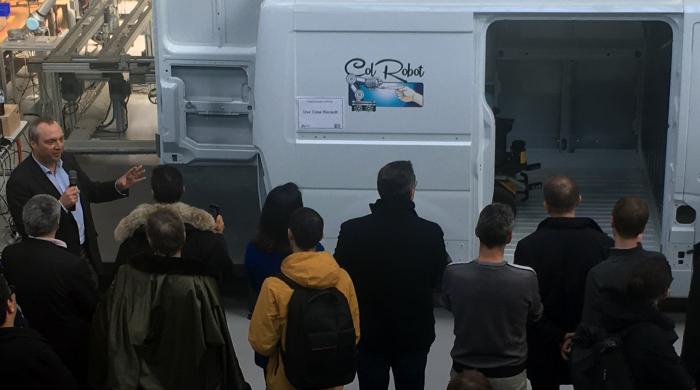
Advances in cobotics, a contraction of "collaboration" and "robotics," were illustrated by Nicolas Delanoue (Polytech Angers – Laris) and Nicolas Pouclet (Proxinnov). This approach is in line with the changing needs of industry, offering greater flexibility, safety, and productivity for small production runs in rapidly changing markets, as well as reducing the physical strain on employees. These technologies have applications in many situations and sectors, complementing robotics.
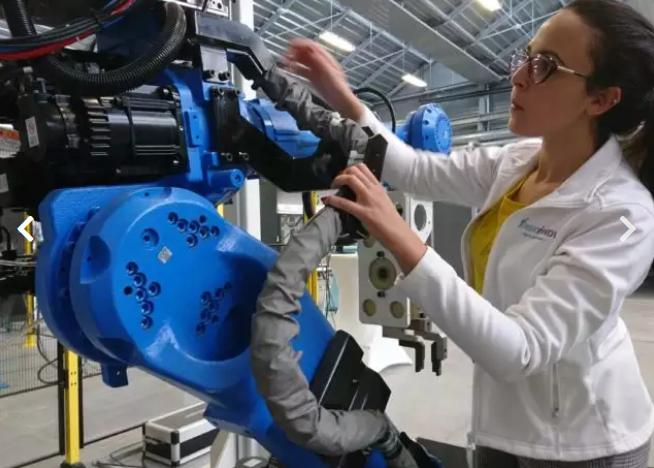
Image: Proxinnov.com
Metal additive manufacturing: a disruptive technology
Among the disruptive technologies of Industry 4.0, metal additive manufacturing is currently booming, with an increasing number of use cases. Presented by Imade Koutiri, Senior Lecturer at PIMM,Arts et Métiers, and David Mellé, PhD student at LAMPA,Arts et Métiers , and Research Engineer in Materials Mechanics at Safran, this "metal 3D printing" technology, which uses metal powders, opens up new possibilities in terms of the design and manufacture of parts. Within the Safran group, mechanical parts produced using this technology are already being manufactured and marketed, encouraging the equipment manufacturer to continue its extensive research work to improve the reliability and control of this process.
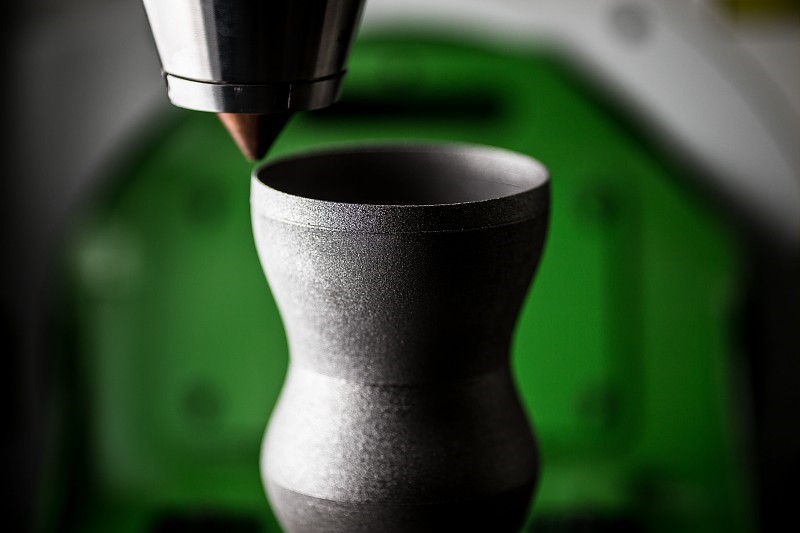
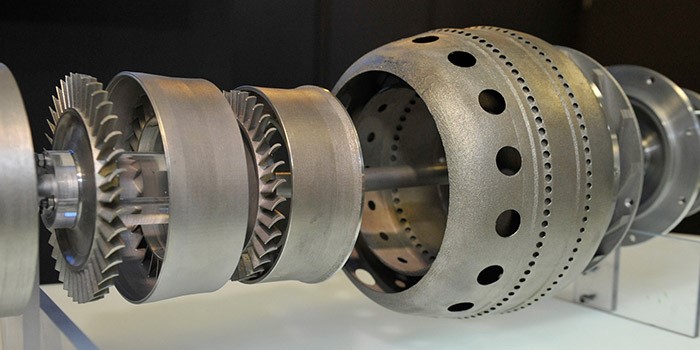
Images: Safran-group.com
The human challenge: involving teams in the transformation of professions and skills
Beyond technological challenges, human challenges, particularly training and skills management, are essential and need to be anticipated by companies. Lacroix Electronics is rolling out its project collaboratively, integrating quality of life at work and placing people and the organization at the heart of its thinking. Nicolas Pouclet (Proxinnov) emphasizes that it is essential to support employees in the integration and use of cobotic systems, combining theory and practice. To develop expertise and enable the necessary decompartmentalization of professions, the Safran group is responding to the challenge by creating a campus dedicated to metal additive manufacturing.
Against this backdrop of rapid change, the Pays de la Loire Industry of the Future Collective (which brings together ARACT, IRT Jules Verne, Images & Réseaux, and We Network) conducted a study on the evolution of jobs and skills in the factory of the future. Six Industry 4.0 trends emerged from this study: the adoption of BIM (building information modeling), energy performance, the Internet of Things (IoT), big data, additive manufacturing, and lifecycle management.
Engineering schools are now incorporating these various topics into their training programs. As a result, Industry 4.0 is becoming a concrete reality in a growing number of production environments. Sébastien Rospide, director of We Network, who concluded the first part of the morning session, highlighted the gains in competitiveness made by French industry, which is growing in a highly tense and changing global context.
Watch videos of the presentations at the cobotics conference