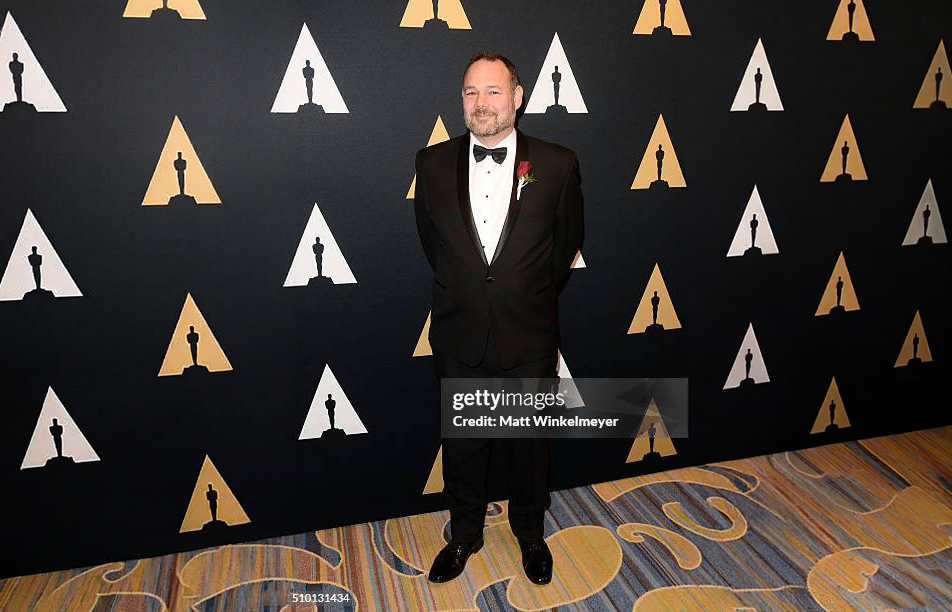
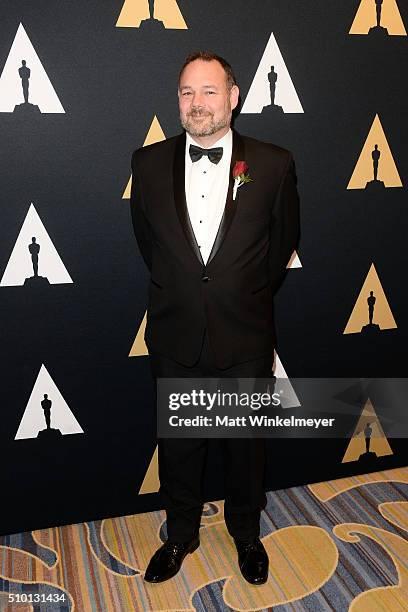
With over 25 years of experience in the film industry, where he designed innovative technical equipment, including the famous Image Shaker, which won an Academy Award at the Oscars, Mike Keesling now shares his expertise with students enrolled in the Bachelor's degree program in Science and Technology, Industry Streams at Bergerac, guiding them through concrete and realistic projects that closely resemble industrial practices.
 You spent more than 25 years in the film industry. What did your job involve? Is there a project or anecdote that particularly stands out in your mind?
I spent most of my career in the film industry designing and developing technical equipment to help filmmakers bring their vision to life. My role was to listen to them, understand their needs, come up with tailored solutions, and develop unique solutions.
One of the projects I am most proud of is a device called Image Shaker, which has been in use for nearly thirty years. Placed in front of the lens, it simulates vibrations or explosions using a computer-controlled optical system. The very first prototype was very rudimentary: a garbage bag, two glass plates, and water. Six months later, twelve devices were in production.
This equipment remains a great source of pride for me, both for the creative and technical challenge it represented and for the recognition it brought me, as it enabled me to win an Academy Award and an Emmy Award.
You worked in an unconventional R&D company. Can you tell us about that experience and your approach to innovation?
I worked for 17 years at Applied Minds, an R&D company focused on themed entertainment, human experience, and narrative-driven engineering. Its founder ran Walt Disney Imagineering, which had a strong influence on the company's culture. There, I honed my skills in what I call "non-precious prototyping" (low-cost prototyping): quickly testing many ideas with minimal resources, then gradually refining them until the final solution is reached.
This approach has enabled me to create innovative projects such as color night vision systems and underwater interfaces, as well as to collaborate with clients working in a variety of sectors such as art, cinema, agriculture, casinos, and aerospace.e.
After this international career, why did you choose to pass on your experience to Bachelor's students in Bergerac?
After this international career, passing on my experience to students on the Bachelor's degree course in Science and Technology, Industry Streams in Bergerac seemed a natural step. While I was volunteering at the Fab Lab in La Traverse (Bergerac), I was informed of a vacancy at Arts et Métiers.
Teaching has always been central to my career and is a true vocation for me. Deeply grateful to France for the opportunities it has given me, I am committed to investing myself fully and contributing, through my dedication, to the development and transmission of knowledge. In Bergerac, I can put my experience at the service of students, accompany them on their journey, and forge relationships based on exchange and curiosity.
You run your educational projects like real industrial projects and entirely in English. What does this bring to the students?
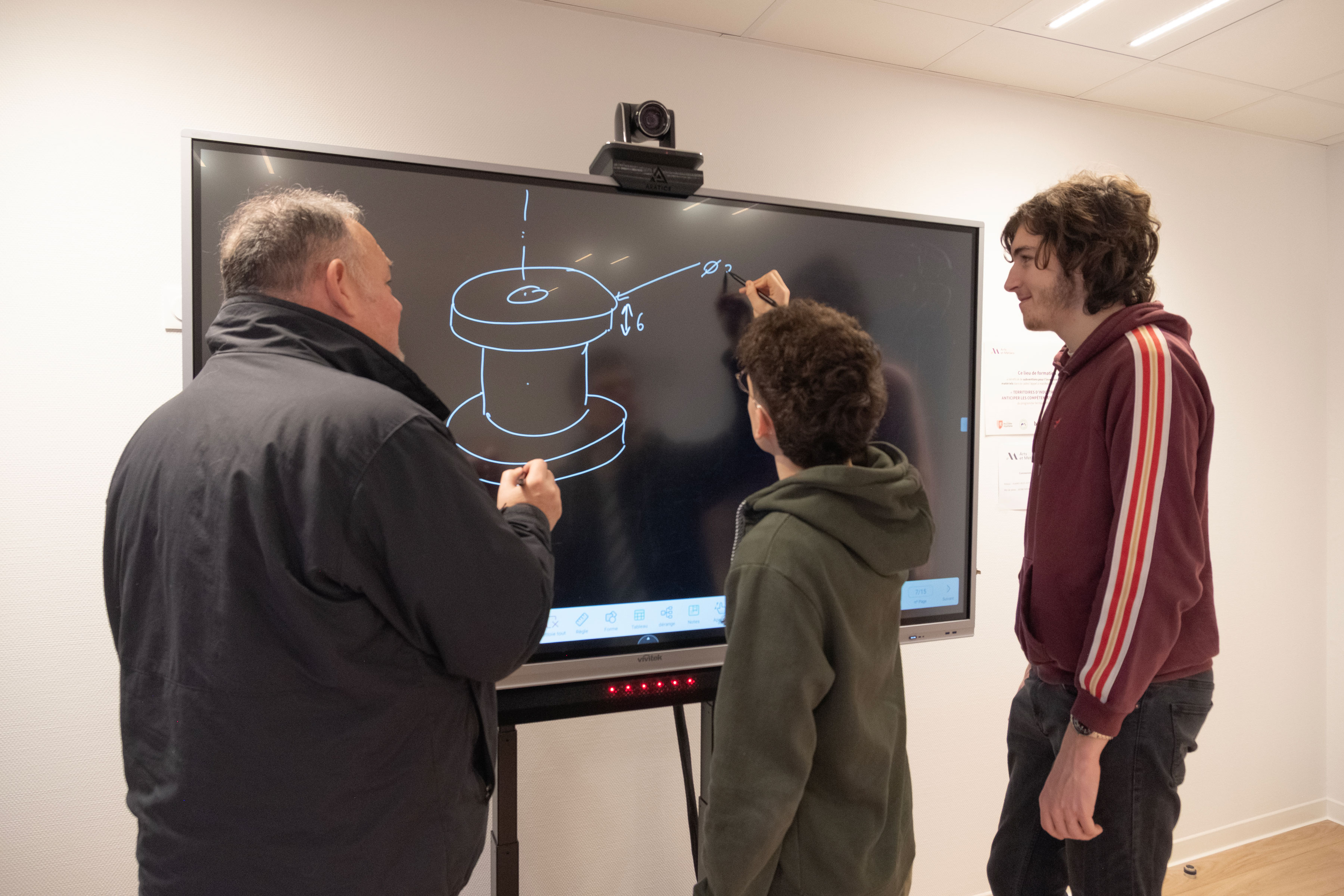
Working in an environment similar to that of industry and in English allows students to project themselves concretely into the professional world. The goal is to help them understand the value they can bring to an employer and to develop a truly professional attitude.
This approach encourages them to design realistic solutions, intended to be manufactured and used in an industrial context, while preparing them to evolve in an international environment.
This year, students are working on a vitamin dispenser for a nursing home in Bergerac. How did this project come about and what are its main objectives?
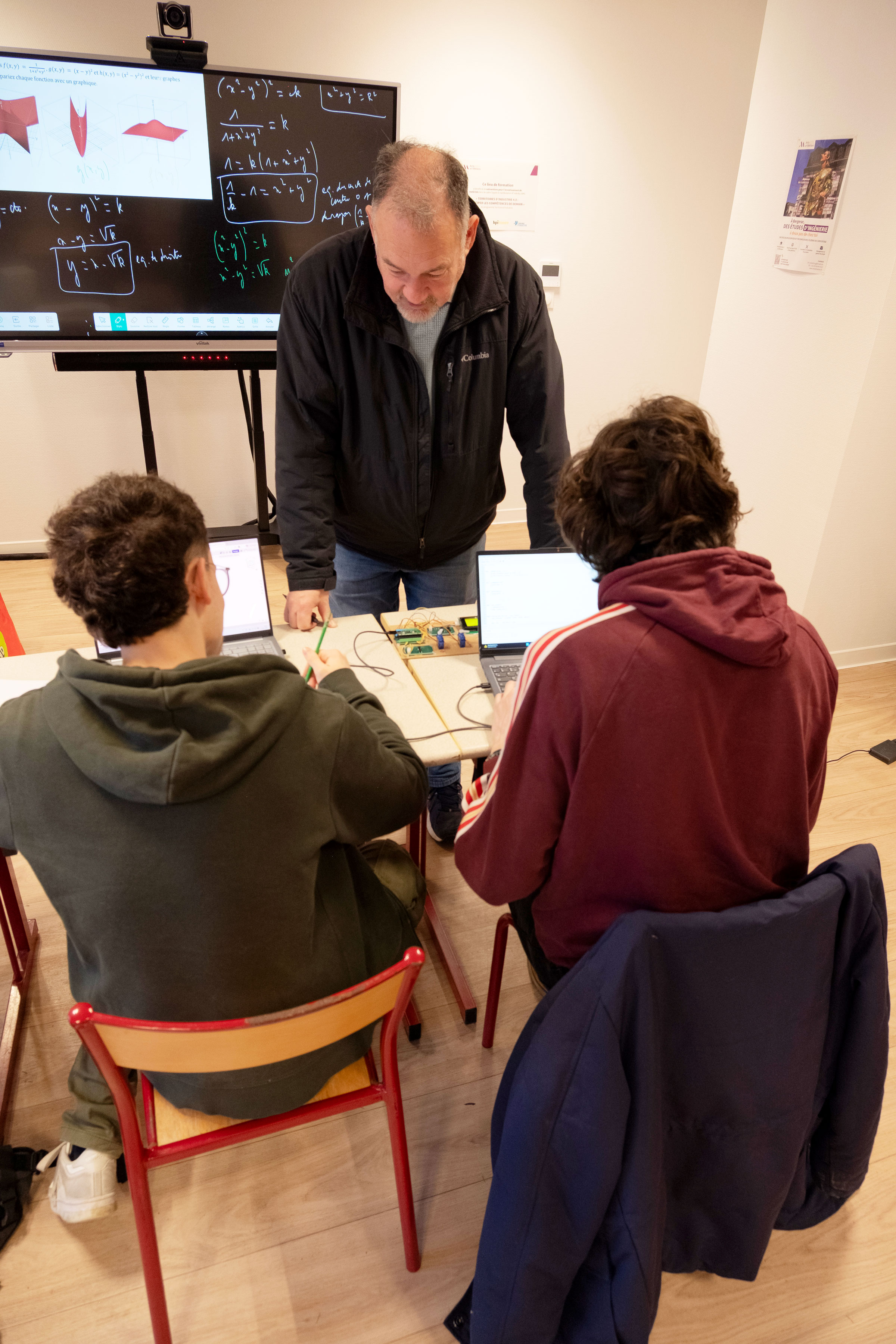
The project was born from a simple instruction: to imagine an object related to socio-economic issues that would meet a real need. The idea quickly evolved from a candy sorter to a vitamin dispenser for a nursing home.
The main challenge was to automate the distribution of vitamins to each patient, with the secondary objective of reading an RFID tag or QR code on the vitamin cup. Even though the device is not fully functional, students are learning to identify the causes of failure and draw practical lessons from them.
What message or advice would you like to give to future engineers and assistants/engineers who are currently studying at Arts et Métiers
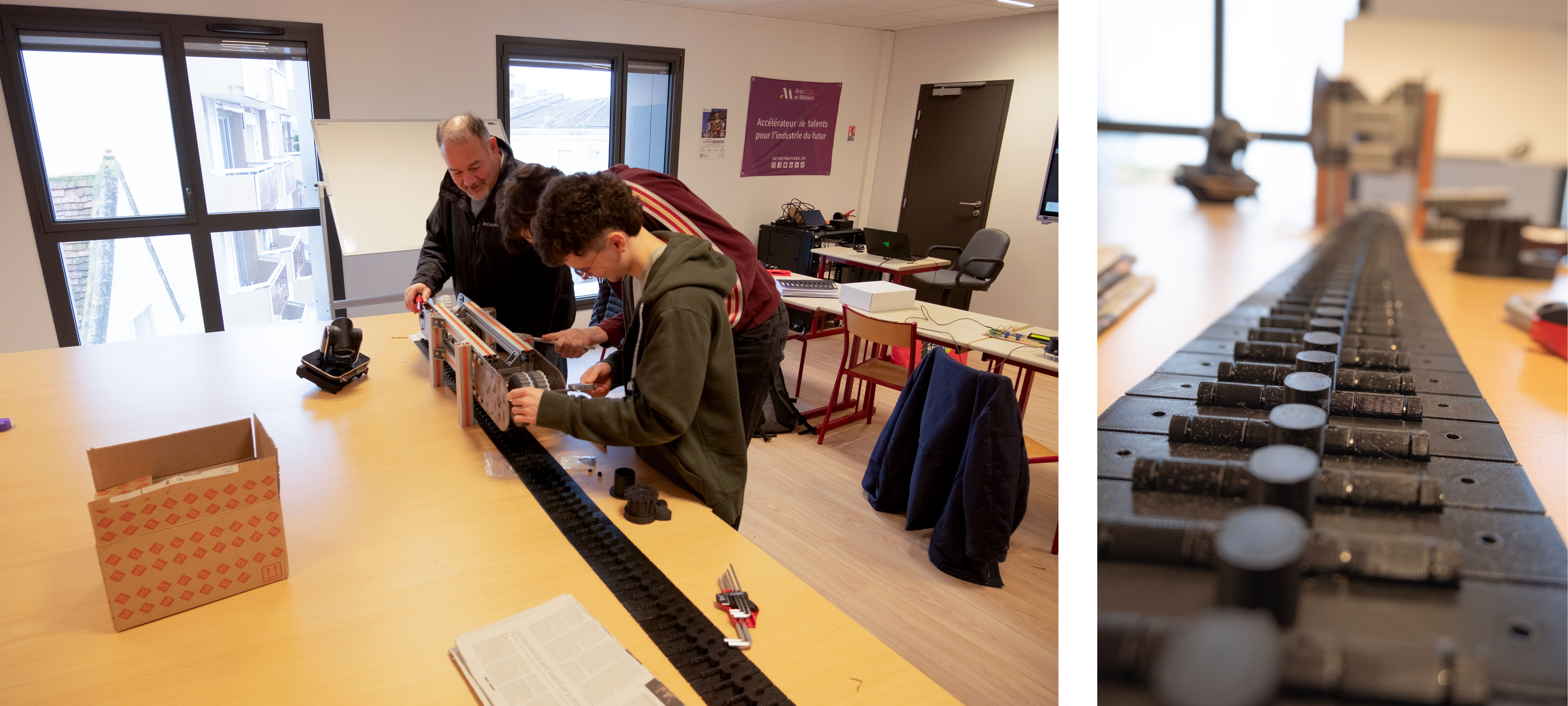
The first piece of advice I would give to future engineers and assistants/engineers is to learn how to make things with their hands: knowing how to design using CAD is not enough to fully understand tools, materials, and their uses. It is then essential to test your ideas and know how to distinguish between what can be easily prototyped and what cannot.
At the same time, it is important to develop skills in several disciplines, such as chemistry, optics, and electronics, in order to build a broad and adaptable knowledge base. Similarly, a sense of service must be cultivated: every interaction with colleagues or users must provide a useful response, even if there is no immediate solution.
Finally, it is important to be aware of one's faults and weaknesses, to accept them, and to work on them with honesty and discernment. It is by combining these technical and human qualities that students will be able to become competent, versatile, and responsible engineers and assistant engineers.