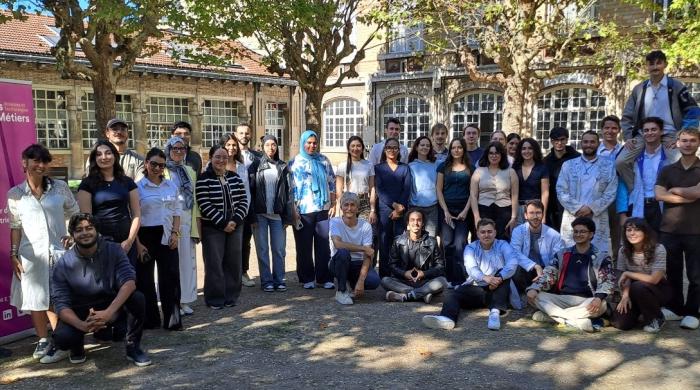
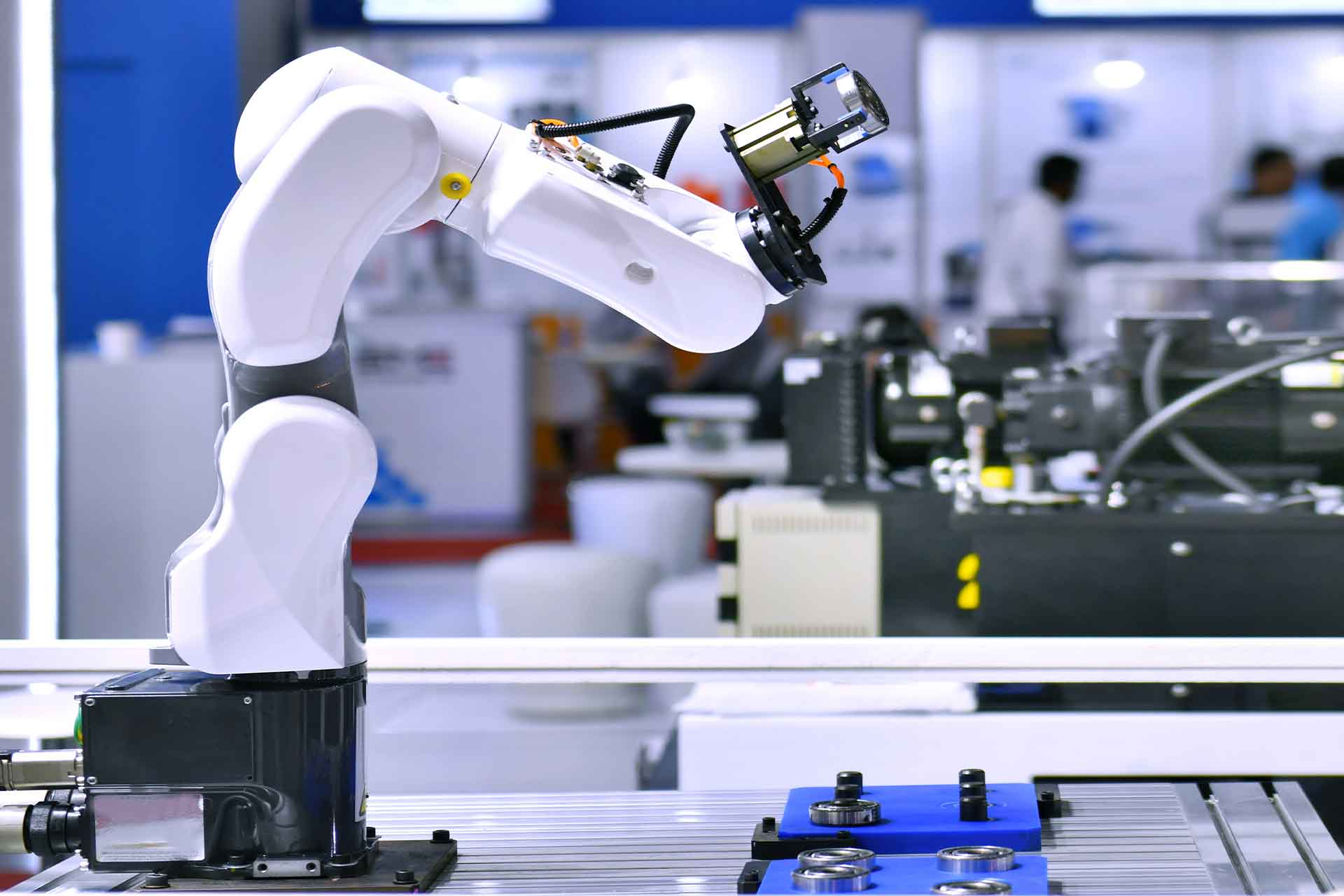
Reducing the energy consumption of industrial robots without sacrificing performance is the challenge taken up by the Franco-German GreenBotAI project.
The measured performance speaks for itself! " In certain operations, we have achieved a 25% reduction in the cell's overall energy consumption, while maintaining or even slightly improving production rates, " says Richard Béarée, professor at LISPEN and leader of the Franco-German GreenBotAI project for Arts et Métiers. This gain applies to both the robot itself and its control system, which is often energy-intensive yet rarely taken into account.
A Franco-German project promoting industrial resilience
The results of the Franco-German GreenBotAI project, in which the LISPEN laboratory was involved, confirm the potential of so-called "frugal" AI solutions to support industrial transition.
Led by a consortium bringing together academic and industrial players, GreenBotAI aims to strengthen the resilience of industry through robotics enhanced by artificial intelligence, which is more efficient and, above all, more energy-efficient.
The project teams developed AI technologies capable of maintaining industrial performance in times of crisis, while integrating sustainability issues: " This project was born in a post-COVID context, with a strong desire to keep the economy running while integrating sustainable development as a central focus," explains Richard Béarée.
Developing a frugal algorithm
The core of the GreenBotAI project is based on the energy optimization of industrial robotic cells. The work carried out has focused in particular on widely used operations, such as picking and automated inspection, by integrating AI algorithms directly into robotic systems.
" We have developed a frugal algorithm that is light enough to be embedded on small cards, without the need for cloud computing or heavy computing power," explains Richard Béarée. The result is a significant reduction in computing load, as well as optimized robot trajectories and movements.
European recognition and new prospects
Beyond its technological achievements, GreenBotAI helps position Arts et Métiers the emerging field of AI-enhanced robotics, or "physical AI," while illustrating a strategic issue of European sovereignty. "In the fields of robotics and AI, competition is currently dominated by China and the United States, but this project shows that Europe has real potential and that we must not give up," emphasizes Richard Béarée.
The momentum created did not stop when the project officially ended. " The final event generated new contacts and paved the way for other European projects in robotics and AI , " he adds.