Since March 2021, the startup Beams has been incubated at Arts et Métiers. Beams offers innovative medical devices for oncology and is developing an intraoperative probe designed to help surgeons precisely locate malignant tumor residues in real time and remove them while preserving surrounding healthy tissue.
The genesis of the project
The project was born in 2005 out of a medical need expressed by Stéphane Palfi, a surgeon at Henri Mondor Hospital: he needed a device that would allow him to remove brain tumors with great precision. He called on a research team led by Laurent Ménard.
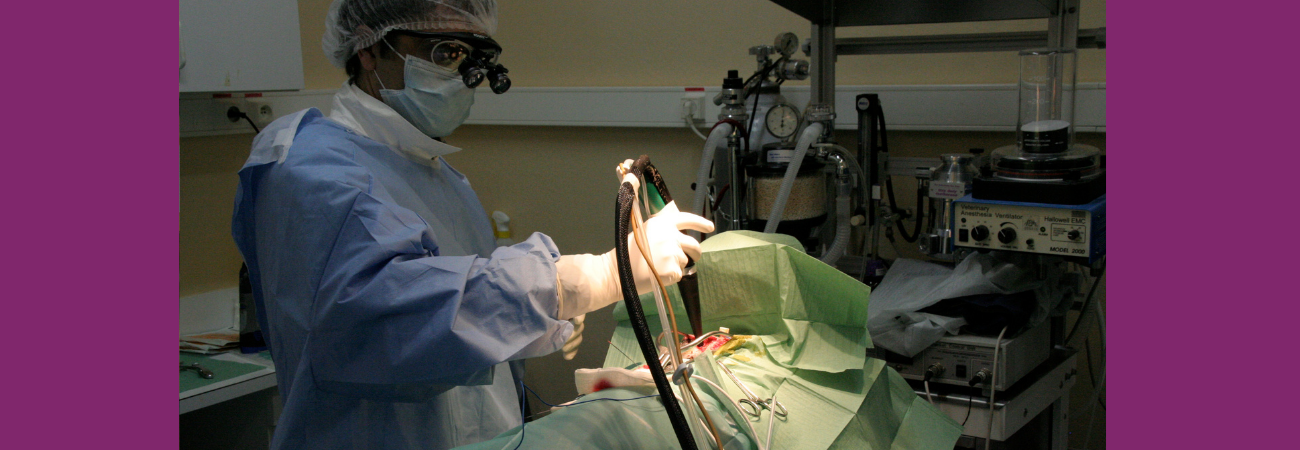
Finally, two prototypes of a miniaturized intraoperative probe, used by surgeons to help detect tumor residues in the body, have been developed. The probe works by using a radioactive tracer, injected into the patient, which targets tumor tissue.
Beams, a (very) young innovative startup
Developing this first product stimulated the desire to leverage the research project to become a startup, which was achieved on May 17, 2021, with the creation of Beams!
Offered to hospitals with a nuclear medicine department, this probe aims to reduce the risk of recurrence and better preserve patients' quality of life.
The device has already been successfully tested on a primate.
Being incubated at Arts et Métiers, an opportunity for Beams
For Estelle de Cremoux, CEO of Beams, being incubated at Arts et Métiers an undeniable asset: the team can benefit from accelerated training in entrepreneurship, as well as individualized support from the incubator director and technical assistance. Beams will also collaborate with Arts et Métiers laboratories Arts et Métiers specific projects (such as prototyping and material selection).
It is a real opportunity to be part of the Arts et Métiers ecosystem.
Proximity to students is also an important factor because... Beams will be recruiting!
What next?
The Beams teams will conduct a three-year R&D program, starting in September 2021. The first year will be devoted to development, followed by two years of industrialization. Tests are expected to be conducted on humans in the final year, before the probe is brought to market.
Photo credit: CNRS