General Engineer, undergraduate program, third-year specialization in Low-Carbon Materials and Energy for a Sustainable Industry (through an apprenticeship or professional training contract, or as a full-time student).
Expertise developed and delivered in partnership with ArcelorMittal Maizières Research and Vinci Energies.

Campus
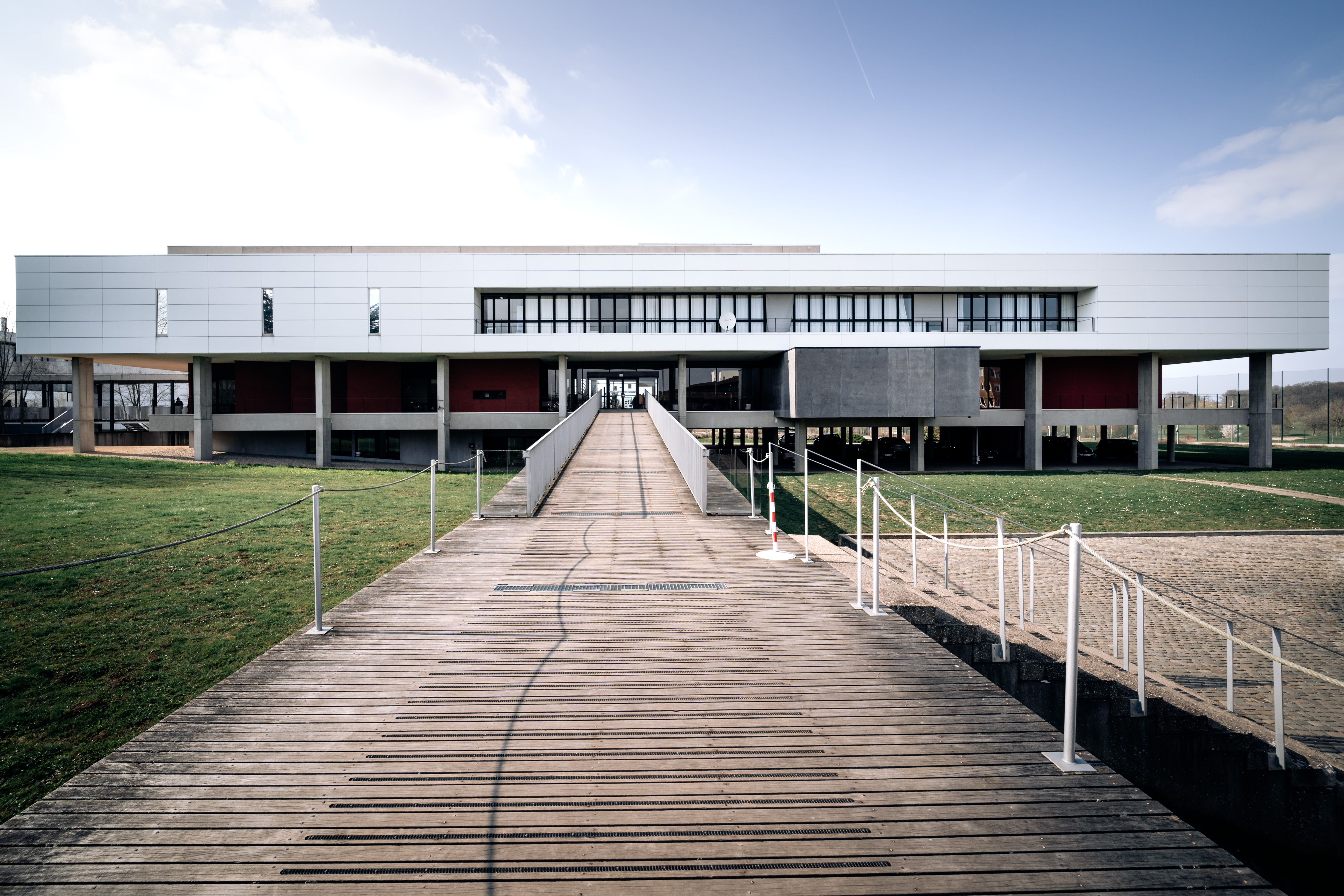
Arts et Métiers Campus Arts et Métiers Metz
Context and purpose of the assessment
The training program is structured around three main areas:
- The issues and challenges of decarbonization: analysis of the energy and carbon impacts of materials, legal framework, environmental standards, etc.
- Sustainable metallurgy: recycling methods, producing new castings, processing into finished products, eco-design using recycled materials and/or materials with lower CO2 emissions, life cycle assessment (LCA) of materials, etc.
- Processes and technologies with a lower environmental impact: carbon capture and storage, energy recovery from processes, new production methods, etc.
The skills and knowledge gained by students will enable them to pursue careers as methods, process, quality, and mechanical engineers—among others—addressing current industry challenges related to decarbonization, sustainability, and energy.
Objectives
Upon completion of this advanced training course, participants will be able to:
- Conduct an environmental and carbon assessment of steel manufacturing processes, from ore to finished products, using tools such as Life Cycle Assessment (LCA), and propose solutions that consume less energy and produce fewer CO2 emissions.
- Select the most appropriate metallic materials and manufacturing methods, taking into account their properties, the desired mechanical performance, and their energy and carbon footprints.
- To understand how to adapt manufacturing processes for metallic materials derived from recycling streams, as well as the expected impacts on metallurgy and mechanical properties.
Specific feature: one year alternating between school and work experience
This expertise is offered in close collaboration with the industrial sector.
On the one hand, each course is taught by a team of faculty and industry professionals to provide students with a comprehensive understanding of current issues.
In addition, this program is offered as a 12-month apprenticeship or vocational training contract. During the first semester, students alternate between school and their company for approximately three weeks at a time; the second semester is dedicated to a full-time impact project.
Each year, the school connects students with several companies looking to hire an apprentice through an apprenticeship or professional training contract (such as ArcelorMittal and VINCI Energies), but any student undertaking a capstone project may also reach out to other companies with projects related to the project’s themes.
Program
In addition to the core curriculum for the third year, this specialization consists of three modules:
- Issues and Challenges of Decarbonization (30 hours)
- Global availability of materials and energy.
- Legal framework and change management tools.
- Metallurgy of Sustainable Materials (60 hours)
- Metallurgy (virgin/recycled materials).
- Stages in the life cycle of a semi-finished product.
- Eco-design.
- Processes and New Technologies (60 hours)
- Industrial systems technologies on the path to carbon neutrality.
- Energy recovery technologies.
- Optimization of energy systems.
Students are assigned a cross-cutting project designed to integrate the various modules. This project is typically based on a current challenge faced by one of the two industry partners.
Optional: dual degree in engineering and management
For those interested, an optional course module—specifically designed for future engineers—allows students to earn a dual degree in engineering and management in one year. The goal is to foster a culture of entrepreneurship and innovation through a partnership with theIAE Metz. Learn more about this dual degree and how to apply.
Key scientific and educational leaders
The educational content of the report was developed in collaboration with:
- faculty members from the Laboratory for the Study of Microstructures and Materials Mechanics (LEM3) for issues related to materials and energy,
- faculty members from the Laboratory of Design, Manufacturing, and Control (LCFC) for issues related to processes,
- industry leaders and key players in the business world, experts in the issues addressed during the assessment, including representatives from ArcelorMittal Maizières Research for product-related matters and VINCI Energies for process-related matters.
Most courses are taught by industry professionals to expose students directly to current challenges and real-world experiences. Several visits to industrial sites are scheduled throughout the program, including sorting centers, pilot facilities, production lines, and a CO₂ capture site.
Practical information
- Required level: Arts et Métiers the first two years of the Arts et Métiers engineering program (equivalent to Master of Science ). Internal recruitment in two phases: Phase 2A, followed by Phase 2B.
- RNCP training code: 39305
- Equivalent international level: Graduate
- Course language: French
- Duration: one academic year, from September to August
- Total number of hours in the year: 420
- Number of hours dedicated to the assessment: 180
- ECTS credits: 61
Contact
"Decarbonized Materials and Energy": the presentation video
The strengths of the training program
- A skills-focused program: The " Low-Carbon Materials and Energy for a Sustainable Industry" track consists of a set of modules designed to help students develop their skills in one of the key areas of their future profession.
- A blended learning approach: moving beyond “traditional ” face-to-face methods between teachers and students, this initiative offers a cross-disciplinary program designed to integrate practical skills more fully into the academic curriculum and foster greater student independence.
- Content that addresses current societal challenges: eco-design of products aimed at reducing their environmental footprint relies on an understanding of the key factors related to materials and emissions from the associated manufacturing and processing methods.
- Individualized support: throughout their training, each student benefits from dual mentoring provided by a trainer at the school and a mentor at the company. Thanks to a professional training program, students acquire professional skills that make them immediately operational.
- Courses taught by experts from the business world or faculty members who specialize in sustainability and decarbonization.
- A paid internship: Students are paid at least 80% of the minimum wage (depending on their age).